


WASHINGTON, United States — March 4, 2026 — According to Parliament News, that Discussions between Washington and Tokyo are advancing around a major strategic energy partnership as the US Japan nuclear energy investment initiative emerges as a key component of a proposed $550 billion economic cooperation package. Officials familiar with the negotiations say the initiative could support new nuclear power infrastructure, advanced reactor development, and expanded research collaboration between the two countries.
The US Japan nuclear energy investment effort is being viewed as part of a broader strategy to strengthen long-term energy security while accelerating technological innovation in the global nuclear sector. Both countries face growing pressure to ensure reliable electricity supply while reducing carbon emissions.
If finalized, the US Japan nuclear energy investment initiative could reshape international cooperation in nuclear technology and influence how countries approach the future of clean energy.
Strategic Energy Partnership Between Washington and Tokyo
The United States and Japan have maintained a close economic and security partnership for decades. Energy cooperation has increasingly become one of the most important pillars of that relationship.
Through the proposed US Japan nuclear energy investment initiative, policymakers hope to expand joint development of advanced nuclear technologies and improve coordination in energy infrastructure projects.
Nuclear energy provides stable baseload electricity that complements renewable energy sources such as wind and solar. As electricity demand continues to grow worldwide, reliable power generation remains essential for economic growth.
Leaders in both countries believe the US Japan nuclear energy investment framework could create a model for international cooperation in next generation nuclear power systems.
The $550 Billion Investment Framework
At the center of the discussions is a massive economic package that could total approximately $550 billion in combined investment across several industries. Within that framework, the US Japan nuclear energy investment proposal is emerging as one of the most significant elements.
The funding could support construction of advanced nuclear reactors, modernization of existing facilities, and expansion of nuclear research partnerships between American and Japanese companies.
Industry observers note that the scale of the investment signals strong political commitment. The US Japan nuclear energy investment strategy is expected to strengthen the industrial supply chain for nuclear technology, including engineering firms, advanced materials manufacturers, and energy infrastructure developers.
Large infrastructure programs often generate long-term economic benefits by encouraging innovation and creating skilled jobs.
Why Nuclear Power Is Gaining Renewed Attention
Global interest in nuclear power has grown significantly in recent years. Governments seeking to reduce carbon emissions while maintaining reliable electricity generation are increasingly reconsidering nuclear technology.
The US Japan nuclear energy investment initiative reflects this renewed focus on nuclear power as part of the broader clean energy transition.
Unlike fossil fuel power plants, nuclear reactors produce electricity without emitting carbon dioxide during operation. This makes nuclear energy an important component of many national climate strategies.
The US Japan nuclear energy investment proposal aims to accelerate technological development while strengthening energy security for both nations.
Focus on Next Generation Reactor Technology
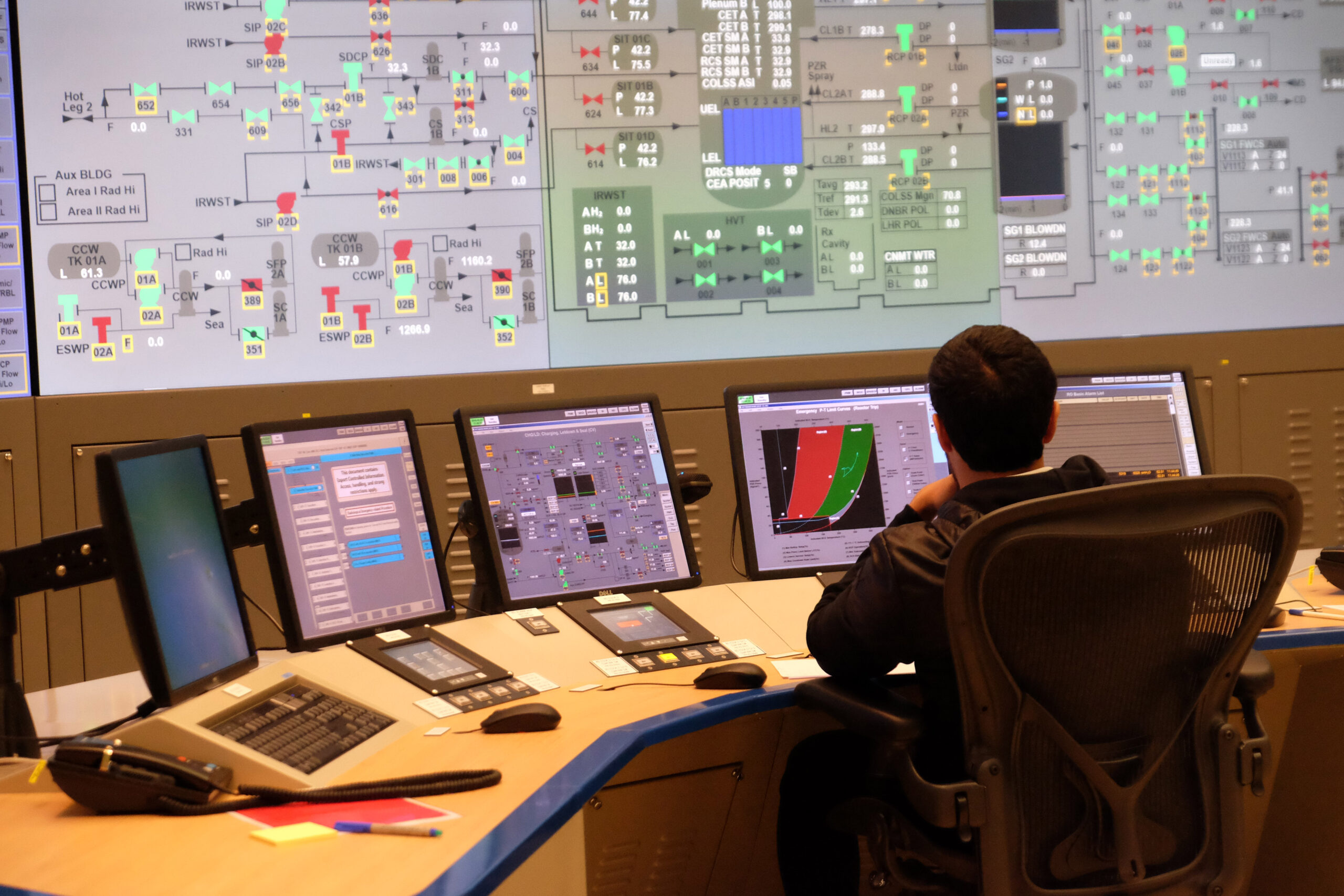
A major part of the US Japan nuclear energy investment initiative involves next generation nuclear reactors designed to improve safety, efficiency, and construction costs.
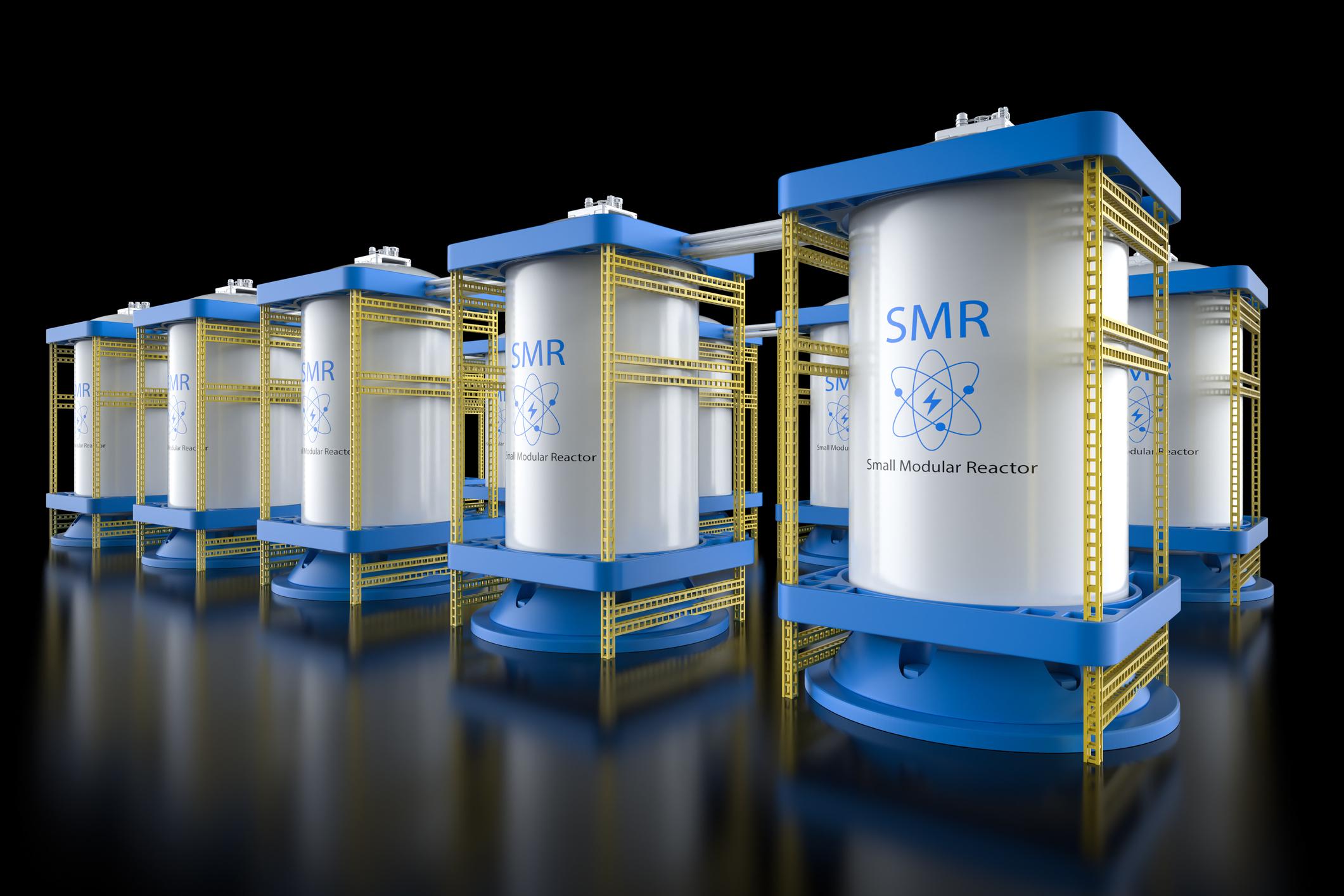
Small modular reactors are expected to play a significant role. These reactors are smaller than traditional nuclear plants and can be manufactured in factory environments before being transported to installation sites.
Supporters say this approach can reduce construction timelines and improve cost predictability. Through the US Japan nuclear energy investment framework, engineers and researchers hope to advance these technologies more rapidly.
Both countries already possess strong nuclear engineering expertise, and combining resources could accelerate innovation.
Economic Impact of the Partnership
Beyond energy policy, the US Japan nuclear energy investment initiative may generate significant economic activity. Large energy projects require complex supply chains that include thousands of specialized components and services.
Engineering firms, technology developers, and manufacturing companies could all benefit from increased nuclear energy investment.
The US Japan nuclear energy investment partnership could also strengthen industrial cooperation between American and Japanese companies that specialize in advanced materials, digital monitoring systems, and nuclear safety technology.
Economists note that major infrastructure initiatives often stimulate innovation while creating high skilled jobs in engineering and research fields.
Energy Security in a Changing World
Energy security has become a top priority for governments around the world. Global energy markets have experienced volatility due to geopolitical tensions and supply disruptions.
The US Japan nuclear energy investment initiative is partly designed to ensure stable electricity production while reducing dependence on imported fossil fuels.
Nuclear power plants operate continuously for long periods, providing reliable electricity that supports industrial activity and economic stability.
By strengthening nuclear cooperation, the US Japan nuclear energy investment partnership could help both nations maintain energy independence in an increasingly uncertain global energy environment.
Environmental and Climate Considerations
Climate change policies are also influencing energy investment decisions. The US Japan nuclear energy investment initiative aligns with international efforts to reduce greenhouse gas emissions from power generation.
Renewable energy sources such as solar and wind are expanding rapidly, but they depend on weather conditions and energy storage systems. Nuclear energy offers a consistent source of electricity that helps stabilize power grids.
By expanding nuclear capacity, the US Japan nuclear energy investment partnership could support long term environmental goals while ensuring reliable energy supply.
Many policymakers now see nuclear energy as a critical complement to renewable power systems.
Historical Comparison of Nuclear Cooperation
The current US Japan nuclear energy investment initiative builds on decades of nuclear collaboration between the two countries. After the global oil crises of the 1970s, both nations expanded nuclear power programs to reduce reliance on imported energy.
During that period, nuclear energy was seen as a technological breakthrough capable of transforming national energy systems. Governments invested heavily in reactor construction and nuclear research.
While the industry later faced setbacks, including accidents and rising construction costs, nuclear technology continued to evolve. The US Japan nuclear energy investment initiative represents a modern version of that earlier cooperation, focusing on safer and more efficient reactor designs.
Just as earlier investments helped build the nuclear infrastructure used today, the US Japan nuclear energy investment partnership may shape the next generation of nuclear energy technology.
Expert Perspective on the Initiative
Industry analysts believe the partnership could play a major role in the global nuclear revival.
One energy policy expert explained the significance of the initiative by saying:
“Nuclear energy is becoming central to the clean energy transition, and cooperation between the United States and Japan could accelerate the development of safer and more efficient reactors.”
This perspective reflects growing recognition that the US Japan nuclear energy investment strategy may influence the future direction of the global energy industry.
Challenges Facing Nuclear Development
Despite growing support, nuclear energy projects often face regulatory, financial, and political challenges. The US Japan nuclear energy investment initiative must address these concerns as negotiations continue.
Building nuclear reactors requires strict safety regulations, environmental reviews, and long construction timelines. Financing large infrastructure projects can also be complex.
Public perception remains another important factor. Policymakers involved in the US Japan nuclear energy investment discussions recognize the importance of transparency and public engagement in building support for nuclear energy projects.
Addressing safety concerns and ensuring responsible waste management will remain key priorities.
Global Implications of the Investment Plan
If implemented successfully, the US Japan nuclear energy investment initiative could have far reaching effects on the international energy market.
Many emerging economies are searching for reliable electricity sources that support economic growth while reducing carbon emissions. Advanced nuclear technologies developed through the partnership could become attractive options for countries seeking long term energy stability.
The US Japan nuclear energy investment plan may also encourage other industrialized nations to pursue similar partnerships in nuclear technology development.
Global energy policy could shift significantly if advanced nuclear reactors become more affordable and widely deployed.
When Energy Policy Meets Global Innovation
The evolving US Japan nuclear energy investment partnership represents more than just a financial agreement. It highlights how technological innovation, environmental responsibility, and economic cooperation can intersect to address global challenges.
As countries around the world work to balance energy demand with climate goals, nuclear power may once again become a central part of the energy conversation.
For the United States and Japan, the US Japan nuclear energy investment initiative reflects a shared commitment to shaping the future of reliable and sustainable electricity generation.
The coming years will determine whether this ambitious partnership becomes a cornerstone of the next era of global energy development.