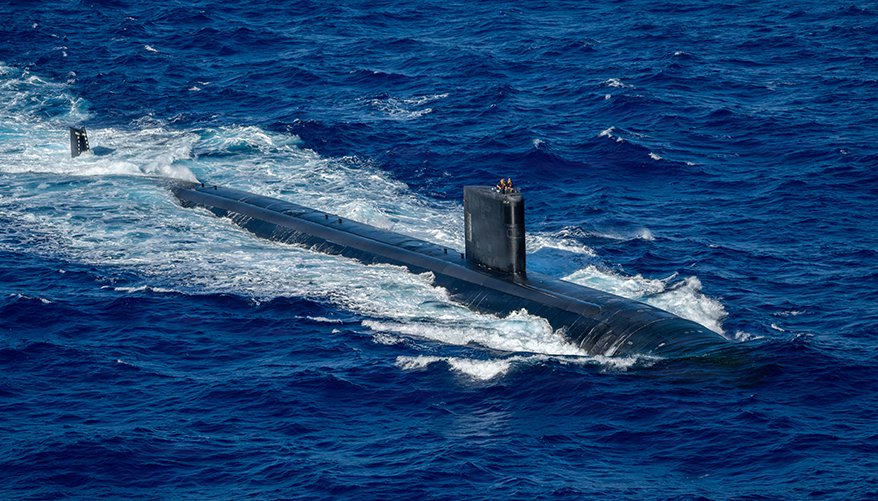
US submarine sinks Iranian warship in a dramatic naval strike confirmed in Washington on March 4 2026.
Officials describe the torpedo engagement as defensive amid rising maritime tensions.
Global leaders monitor the fallout as markets react cautiously.
WASHINGTON, March 4, 2026 – Parliament News — The phrase US submarine sinks Iranian warship dominated defense briefings today after United States officials confirmed that a Navy submarine launched a torpedo strike that destroyed an Iranian naval vessel in contested regional waters. The confirmation, delivered in Washington on March 4 2026, marks one of the most consequential naval engagements involving a US submarine in decades.
Senior defense leaders stated that the US submarine sinks Iranian warship incident followed hours of maritime monitoring and strategic evaluation. Officials described the action as defensive and proportionate, emphasizing that US forces acted within established engagement protocols.
The development has already drawn global attention, with policymakers, security analysts, and financial markets reacting to the confirmed reality that a US submarine sinks Iranian warship during a period of heightened regional tension.
How the Naval Encounter Unfolded
According to defense officials, the submarine had been tracking the Iranian vessel in international waters before authorization was granted. The decision came after what officials described as threatening maneuvers that risked destabilizing maritime traffic.
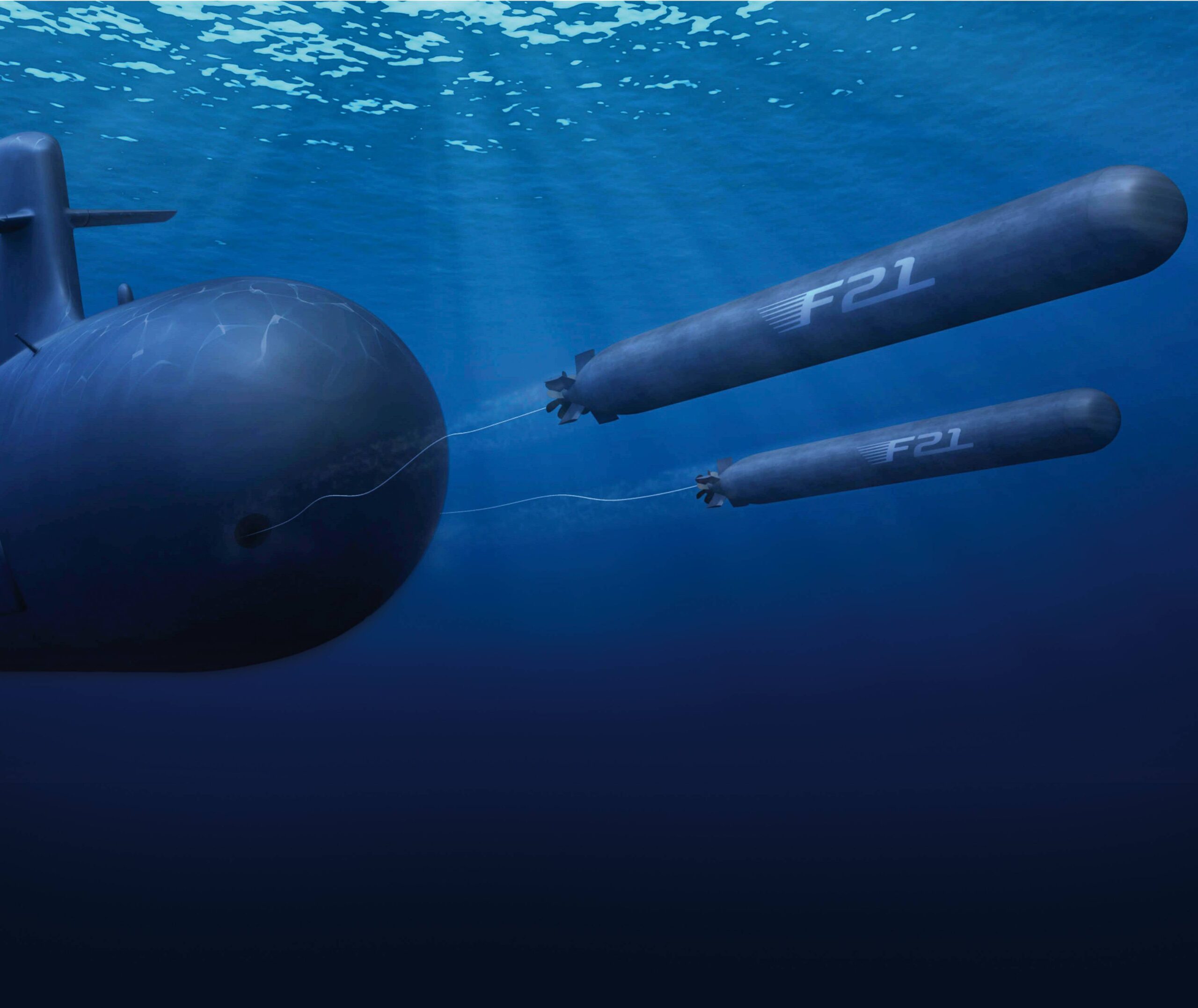
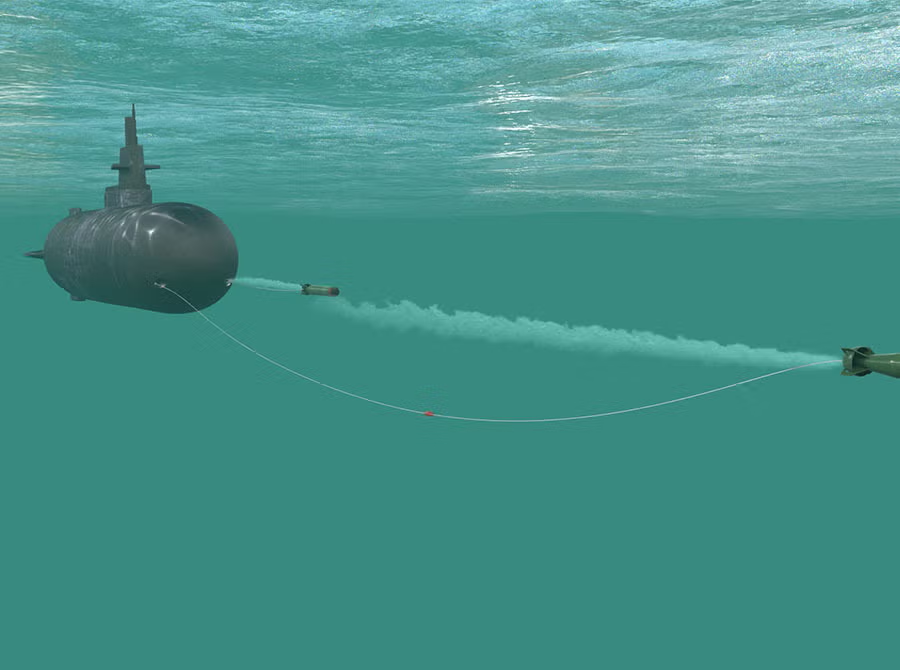
When the US submarine sinks Iranian warship, it does so through advanced torpedo guidance systems capable of adjusting trajectory underwater. Officials indicated that once the strike occurred, the targeted vessel suffered catastrophic structural damage and sank within a short timeframe.
Defense authorities stressed that communication attempts were made before escalation. They reiterated that the action was not taken lightly and followed a structured chain of command.
Strategic Calculations Beneath the Surface
Submarine warfare remains one of the most discreet yet powerful elements of naval strategy. The event in which a US submarine sinks Iranian warship underscores how underwater capabilities continue to shape global security dynamics.
Modern submarines operate with stealth technology that makes detection extremely difficult. Equipped with advanced sonar arrays and encrypted communication systems, they provide strategic deterrence without visible presence.
The moment a US submarine sinks Iranian warship demonstrates not only tactical capability but also the calculated nature of modern maritime engagement.
Regional Security Implications
The Persian Gulf and surrounding waterways are vital arteries for global energy transport. News that a US submarine sinks Iranian warship prompted immediate monitoring by shipping companies and allied navies.
Regional governments have increased patrol coordination to maintain safe navigation routes. Analysts believe the development could alter operational behavior in the near term, with heightened caution among maritime forces.
Despite the escalation, officials emphasized that broader regional conflict is not inevitable. Diplomatic channels remain active.
Political Response in Washington
The confirmation that a US submarine sinks Iranian warship sparked intense discussion among lawmakers. Supporters described the action as a demonstration of strength and deterrence, while critics warned about potential escalation.
A senior defense official stated,
“Our mission is to protect our forces and safeguard international waterways while avoiding unnecessary conflict.”
This quote reflected the administration’s emphasis on balance between firmness and restraint.
Congressional leaders have requested continued briefings to ensure oversight and clarity regarding next steps.
Global Diplomatic Reaction
International leaders responded quickly after confirmation that a US submarine sinks Iranian warship. Allied governments expressed concern about stability in critical maritime corridors.
The United Nations called for de escalation and renewed dialogue. Diplomatic representatives from multiple regions emphasized the importance of preventing further confrontation.
While tensions remain elevated, diplomatic engagement has not ceased.
Economic Markets React to Naval Escalation
Whenever major maritime incidents occur, energy markets respond rapidly. The moment a US submarine sinks Iranian warship became public, oil prices showed brief volatility before stabilizing.
Shipping insurers began reassessing risk levels in contested waters. Economists noted that sustained uncertainty could impact transportation costs and global trade flows.
Investors continue to monitor developments closely, recognizing that maritime security directly influences economic confidence.
Military Preparedness and Operational Outlook
Defense officials indicated that additional naval assets remain positioned in the region. After confirmation that a US submarine sinks Iranian warship, monitoring efforts intensified.
Military analysts suggest that deterrence signaling is now a key priority. The objective is to prevent further incidents while maintaining readiness.
Strategists emphasize flexibility. Modern naval doctrine prioritizes rapid adaptation to shifting conditions.
Submarine Warfare From World War II to Today
Submarine warfare has shaped naval conflict since the early twentieth century. During World War II, submarines disrupted supply lines and targeted enemy fleets with devastating impact.
The fact that a US submarine sinks Iranian warship in 2026 invites comparisons to that earlier era. Yet technology has transformed the nature of underwater combat. Modern submarines rely on digital navigation systems, satellite communication, and precision guided munitions.
Historians caution that while tactical similarities exist, contemporary geopolitical contexts differ dramatically from mid twentieth century conflicts.
Public Perception and Media Attention
Global media coverage has amplified the narrative that a US submarine sinks Iranian warship, drawing widespread public interest. News platforms emphasize the rarity of such engagements in modern decades.
Public opinion appears divided. Some view the development as necessary deterrence, while others express concern about escalation.
Communication strategy remains central. Officials aim to provide verified updates without inflaming tensions.
Long Term Strategic Considerations
The reality that a US submarine sinks Iranian warship carries implications beyond immediate tactical outcomes. Naval dominance influences diplomatic leverage and regional security frameworks.
Strategic planners must now assess whether this moment becomes an isolated incident or a precursor to broader recalibration.
Defense experts argue that measured communication and disciplined restraint will determine whether stability can be maintained.
A Defining Moment in Modern Naval Affairs
The event in which a US submarine sinks Iranian warship stands as one of the most consequential maritime developments in recent years. It reflects technological sophistication, strategic calculation, and the fragile balance of deterrence.
As Washington March 4 2026 continues to evaluate implications, global attention remains focused on the next phase. While military objectives may have been achieved in the short term, the broader trajectory will depend on diplomacy, coordination, and strategic patience.
For now, the confirmed reality that a US submarine sinks Iranian warship marks a significant chapter in twenty first century naval history, shaping headlines and policy discussions across continents.
Beneath the Waves A Strategic Crossroads
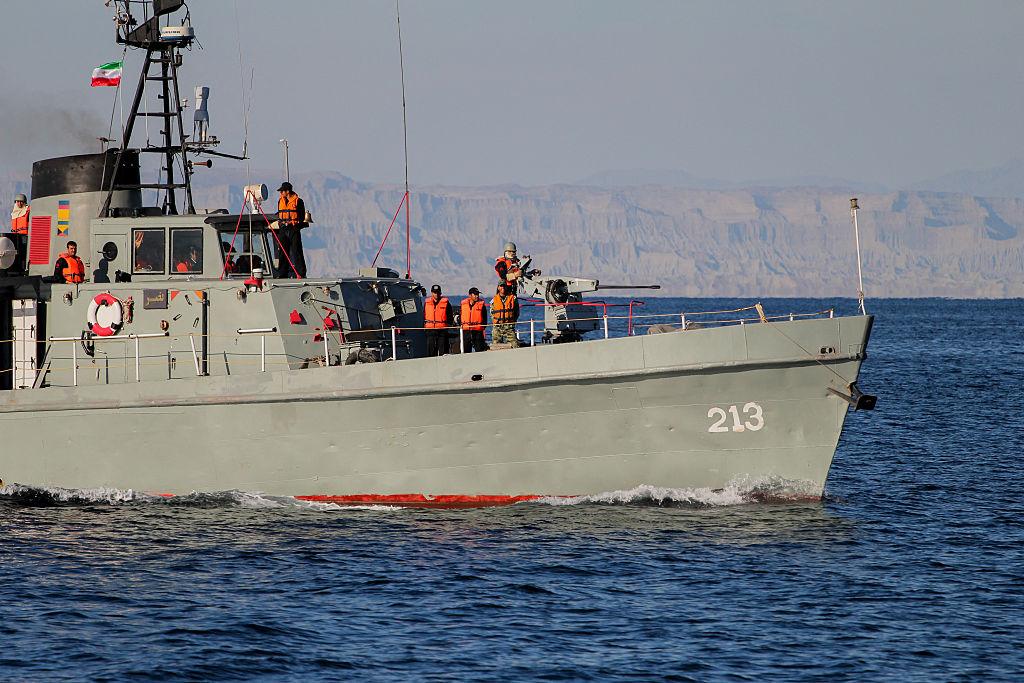
The waters of the Persian Gulf have long symbolized both commerce and conflict. The moment a US submarine sinks Iranian warship underscores how quickly maritime dynamics can shift.
As governments weigh responses, the world watches for signs of stabilization. Naval strength may influence the present, but diplomacy will define the future.