

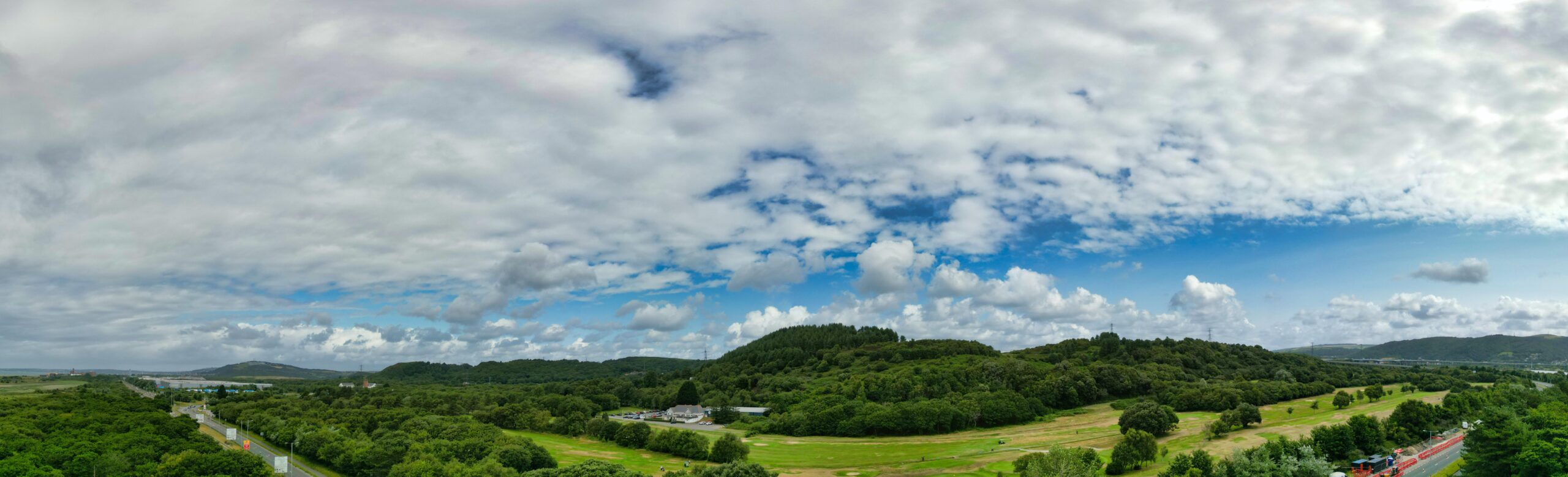
CARDIFF, Wales — February 15, 2026 — Parliament News — A transformative environmental initiative is reshaping the national conservation landscape as Wales rewilding enters a decisive new phase in Cardiff. The large scale land restoration strategy, announced this week, marks one of the most ambitious ecological recovery efforts undertaken in modern Welsh history.
Government leaders, conservation charities, and academic institutions have aligned behind a long term vision designed to restore native habitats, revive biodiversity, and strengthen climate resilience. The initiative represents a structured environmental commitment that extends beyond symbolic action, positioning Wales as a significant player in European ecosystem restoration.
Strategic Land Expansion Signals National Commitment
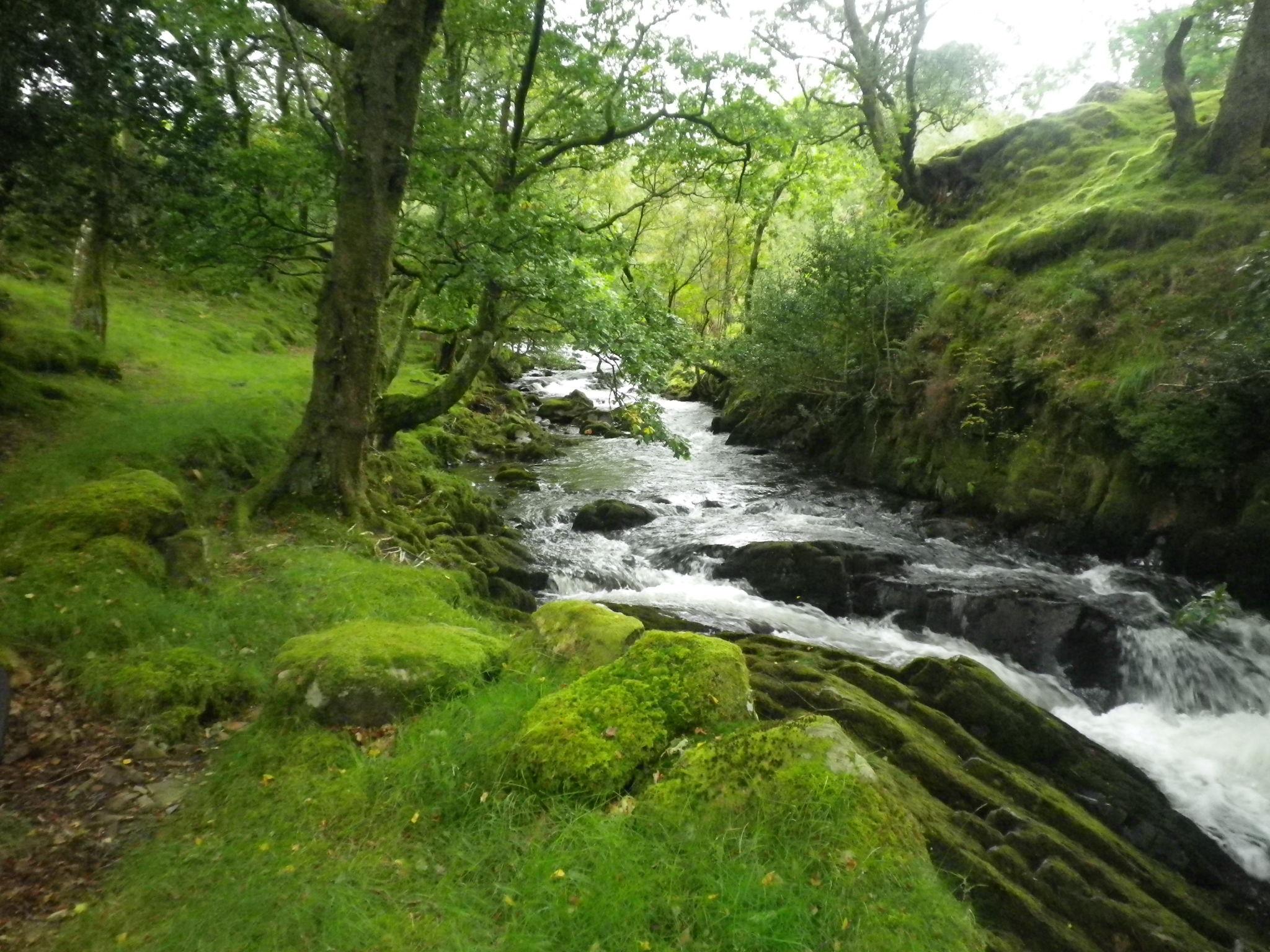
The latest expansion of Wales rewilding centers on thousands of acres designated for phased ecological restoration. Conservation authorities confirmed that restoration activities will prioritize peatland recovery, native woodland regeneration, river corridor protection, and habitat reconnection.
Officials emphasized that rewilding does not imply abandonment. Instead, it reflects a scientific approach to restoring natural processes while maintaining oversight. Habitat restoration experts will monitor species diversity, soil health, and carbon capture metrics to measure ecological progress over time.
The Cardiff expansion is considered a structural environmental investment rather than a short term initiative.
Biodiversity Recovery at the Core of Policy
Across the United Kingdom, biodiversity indicators have shown sustained pressure from agricultural intensification, habitat fragmentation, and climate instability. Conservation planners argue that Wales rewilding offers a systemic response to these challenges.
Restoration efforts aim to create conditions where native birds, pollinators, small mammals, and rare plant species can recover naturally. Early stage restoration typically focuses on soil rehabilitation and water system stabilization before broader wildlife returns occur.
A senior ecological advisor stated,
“Nature recovery requires patience and scale. This initiative gives ecosystems the space and time necessary to rebuild resilience.”
The structured restoration model includes biodiversity mapping to ensure measurable ecological improvements.
Climate Adaptation and Carbon Storage Benefits
One of the most significant advantages of Wales rewilding lies in its climate mitigation potential. Restored peatlands serve as high efficiency carbon sinks, while expanding forests absorb atmospheric carbon dioxide. Wetlands reduce flood risks while simultaneously improving water purification.
Climate scientists collaborating on the project estimate that long term carbon sequestration from restored habitats could significantly contribute to regional climate targets. Unlike industrial carbon solutions, natural landscape restoration enhances both ecological and social value.
Cardiff’s leadership in ecological adaptation reinforces Wales’ broader sustainability objectives within the United Kingdom and across Europe.
Economic Ripple Effects Across Rural Wales
Environmental restoration projects frequently spark debate about economic consequences. However, stakeholders argue that Wales rewilding generates diversified rural opportunities.
Eco tourism, scientific research partnerships, environmental education programs, and sustainable land management services are expected to expand. Visitors drawn to restored landscapes can support hospitality sectors in nearby communities.
Local council representatives highlighted potential job growth in conservation management, wildlife monitoring, and sustainable agriculture support services. This integration of environmental and economic development strengthens long term rural stability.
Agricultural Collaboration and Regenerative Practices
Wales maintains a strong agricultural identity. Rather than replacing farming traditions, Wales rewilding emphasizes collaboration with landowners and farmers.
Certain designated zones will transition to regenerative agricultural practices that complement biodiversity objectives. Low intensity grazing, hedgerow restoration, and organic soil enhancement techniques may serve as bridging strategies between conservation and agriculture.
Policy planners stress that transparent dialogue remains essential to maintaining trust and economic continuity within rural communities.

Governance, Oversight, and Long Term Stewardship
The Cardiff expansion includes a governance framework involving environmental charities, public agencies, and academic institutions. Independent ecological audits will track species return, soil regeneration, and hydrological improvements.
Transparency standards have been integrated into the management plan to ensure accountability. Funding sources include public grants, private donations, and sustainability investment partnerships.
A conservation director remarked,
“This is not a temporary shift in land use. It is a generational commitment to restoring balance.”
Structured oversight mechanisms reinforce credibility and long term environmental impact.
Community Engagement and Public Participation
Public involvement remains central to the growth of Wales rewilding. Volunteer networks, youth engagement programs, and citizen science initiatives are expected to expand in 2026.
Educational outreach efforts aim to increase awareness of biodiversity importance and sustainable land management practices. Schools and universities in Cardiff have expressed interest in integrating restoration projects into environmental curricula.
Community participation strengthens both ecological and social sustainability by fostering a shared sense of environmental responsibility.
Wildlife Corridors and Habitat Connectivity
One critical objective of Wales rewilding is reconnecting fragmented habitats. Wildlife corridors allow species to migrate safely, improving genetic diversity and ecosystem resilience.
River restoration efforts will enhance fish populations while stabilizing floodplains. Woodland expansion increases shelter and breeding areas for native birds and mammals.
Habitat connectivity is widely regarded by conservation scientists as a cornerstone of successful ecosystem recovery strategies.
A History of Land Stewardship and Environmental Renewal
Wales possesses a longstanding tradition of land stewardship rooted in cultural heritage and rural livelihoods. Earlier conservation movements focused primarily on protecting scenic landscapes and national parks.
Modern Wales rewilding builds upon this historical foundation by integrating scientific research, climate adaptation goals, and biodiversity restoration strategies. The shift reflects evolving environmental understanding while maintaining respect for Welsh identity.
By aligning tradition with innovation, conservation leaders seek to secure both ecological integrity and cultural continuity.
European Context and Regional Influence
Environmental analysts observe that Wales rewilding aligns with broader European restoration trends. Across the continent, governments and conservation organizations are investing in natural climate solutions.
Wales’ structured approach may serve as a regional model for balancing policy coordination, scientific oversight, and community engagement. The Cardiff initiative demonstrates how national level leadership can influence international sustainability conversations.
Collaboration with European conservation institutions may further expand knowledge exchange and research partnerships.
Scientific Monitoring and Data Transparency
Long term ecological projects require measurable benchmarks. The Wales rewilding framework incorporates biodiversity indexing, soil carbon measurement, hydrological mapping, and species population surveys.
Researchers from Welsh universities will publish periodic updates to maintain public transparency. Data driven evaluation ensures adaptive management strategies can respond to ecological developments.
Environmental economists note that quantifiable results strengthen investor and public confidence in conservation initiatives.
Long Term Environmental Vision Beyond 2026
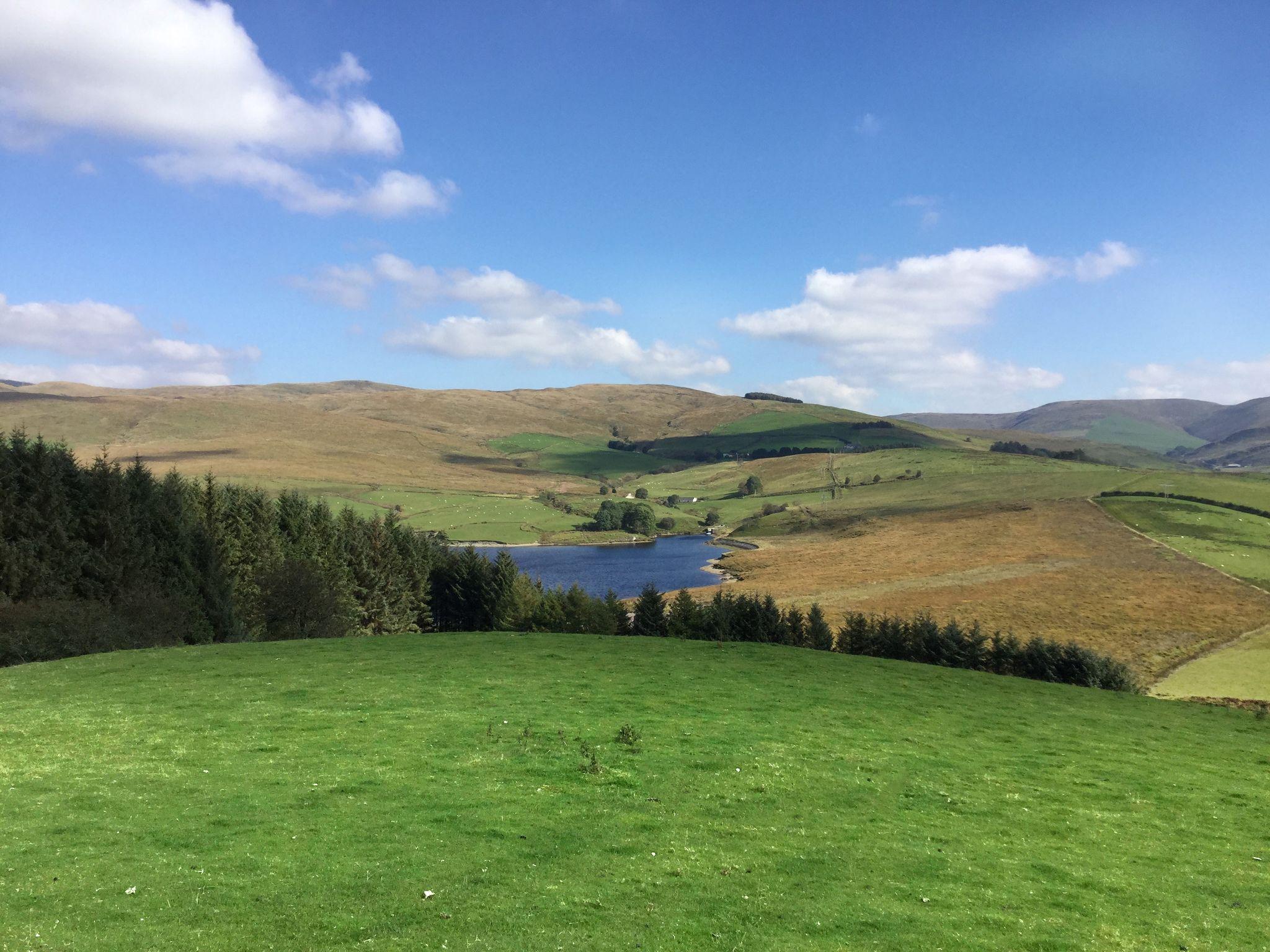
While 2026 marks a milestone year, conservation leaders emphasize that Wales rewilding represents a decades long journey. Early phases prioritize foundational ecological repair, while later stages may reveal more visible biodiversity resurgence.
The gradual transformation of landscapes will unfold through natural succession processes guided by scientific oversight. Policymakers describe the initiative as an investment in environmental security for future generations.
The restoration effort underscores Wales’ commitment to ecological leadership amid growing global climate challenges.
A Defining Chapter in Welsh Sustainability
Cardiff’s 2026 expansion signals a defining chapter in environmental governance. By strengthening habitat resilience, enhancing biodiversity, and aligning conservation with economic development, Wales rewilding demonstrates a comprehensive sustainability model.
The initiative stands as both a national milestone and a regional example of forward looking environmental stewardship. As restoration advances, Wales positions itself at the forefront of ecological innovation within the United Kingdom and Europe.
With sustained oversight, collaborative governance, and public participation, the transformation of Welsh landscapes may shape environmental policy for decades to come.