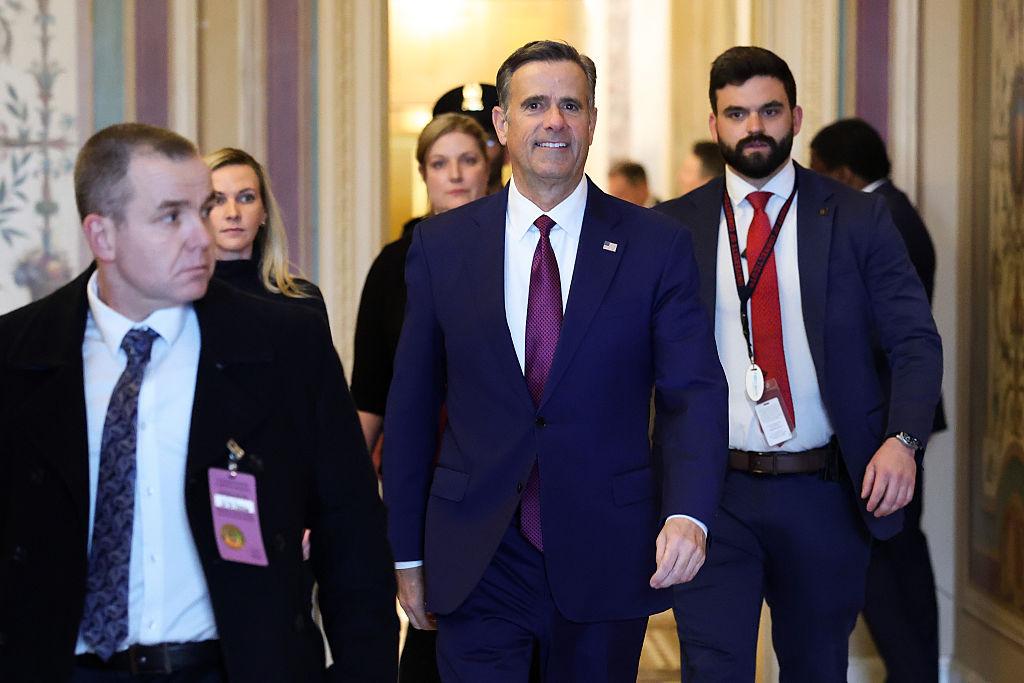
Washington, Tehran — March 18, 2026 — Parliament Politics Magazine — Washington national security crisis intensifies as a top U.S. counterterrorism official resigns in protest of the country’s military posture toward Iran. The sudden departure comes as Tehran warns it will target “enemy infrastructure” following recent strikes on gas sites, raising alarm across global security and energy sectors.
The timing of the resignation has amplified concerns that internal divisions within U.S. leadership are colliding with escalating geopolitical tensions, creating a highly volatile situation.
Internal Fractures Shake US Leadership
The unfolding Washington national security crisis is now closely tied to growing disagreements inside the U.S. government. According to sources familiar with the situation, the resignation reflects deep concern over the long-term consequences of escalating military actions.
Officials suggest the departing leader had repeatedly warned that aggressive policies could destabilize the region and undermine years of counterterrorism progress.
A senior policy analyst stated,
“This is more than a resignation—it’s a clear signal that something is deeply wrong within the decision-making process.”
The rare public nature of this departure underscores the seriousness of the internal divide.
Iran Escalates With Infrastructure Threats
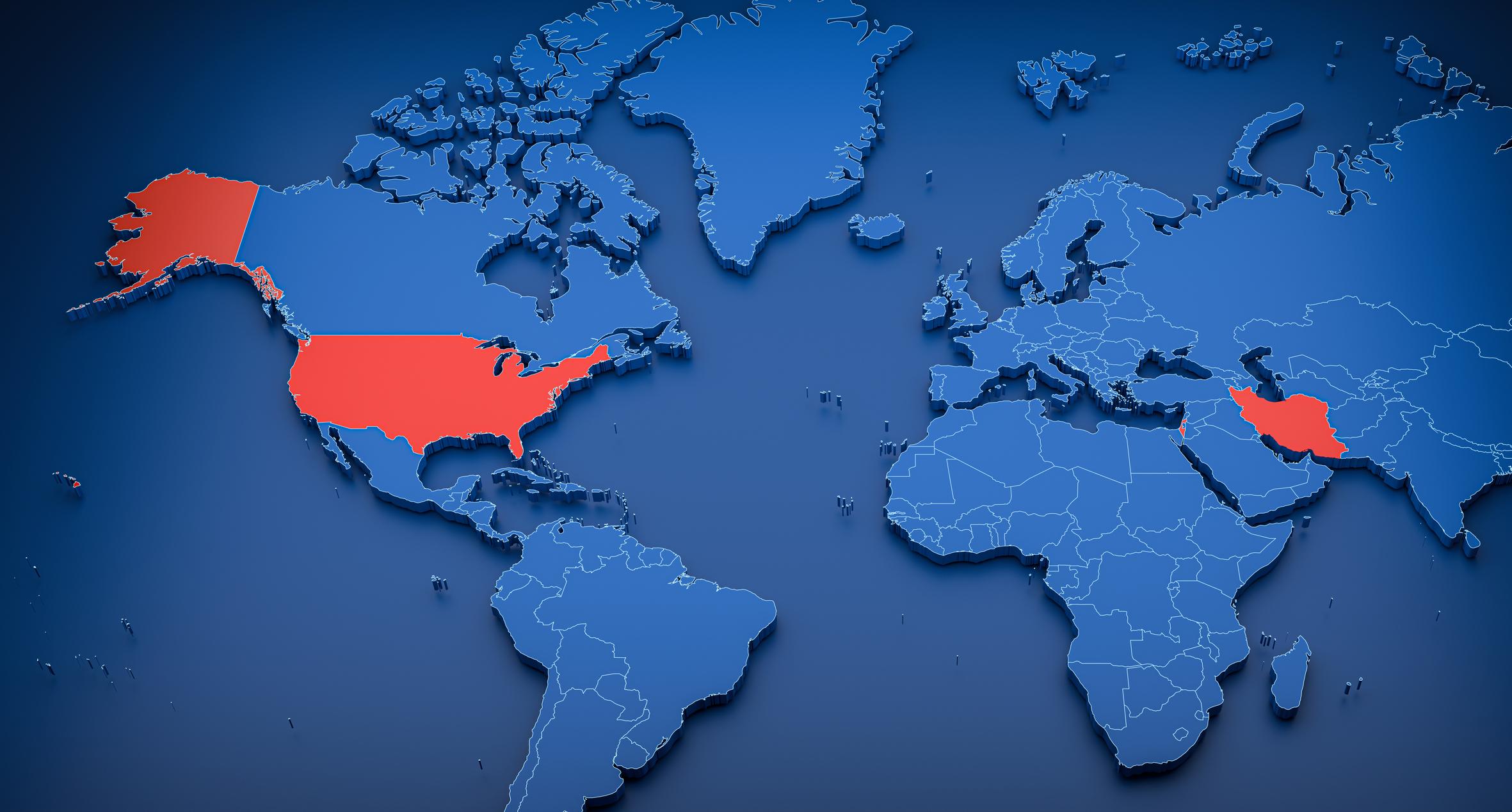
As the Washington national security crisis unfolds, Iran has issued a stark warning that it will target “enemy infrastructure” in response to recent attacks on its gas facilities. This escalation has heightened fears of retaliatory strikes that could impact both regional stability and global energy supplies.
Experts warn that such rhetoric often precedes strategic action, making the situation increasingly unpredictable. The combination of internal U.S. discord and external threats has created a dangerous intersection of risk factors.
Rising Risk of Broader Conflict
The Washington national security crisis is developing alongside increased military activity across the Middle East. Naval deployments, air operations, and intelligence efforts have all intensified in recent weeks.
Analysts caution that the current trajectory could lead to unintended consequences, including a wider regional conflict involving multiple nations.
The resignation adds another layer of uncertainty, raising questions about the consistency and coordination of U.S. strategy during a critical moment.
Political Fallout Intensifies in Washington
In Washington, the Washington national security crisis has quickly become a central political issue. Lawmakers are demanding answers, with some calling for investigations into the circumstances surrounding the resignation.
Critics argue that the departure exposes flaws in current policy, while supporters maintain that firm action is necessary to address emerging threats.
Despite official reassurances, the situation continues to generate intense debate across political lines.
Intelligence Community Faces Leadership Gap
The intelligence community is now confronting the implications of the resignation. When a key figure exits during a Washington national security crisis, it can disrupt coordination and create uncertainty across agencies.
Experts emphasize that maintaining operational continuity is essential, particularly in high-stakes environments where rapid decision-making is required.
A former intelligence official noted,
“Moments like this demand stability. Leadership transitions during a crisis can have serious consequences.”
Energy Markets React to Growing Tensions
Iran’s threat to target infrastructure has sent ripples through global energy markets. As the Washington national security crisis deepens, analysts are closely monitoring potential impacts on oil and gas supplies.
Any disruption to key facilities could lead to price volatility and broader economic consequences. The intersection of military conflict and energy security has heightened global concern.
Regional Developments Add Complexity
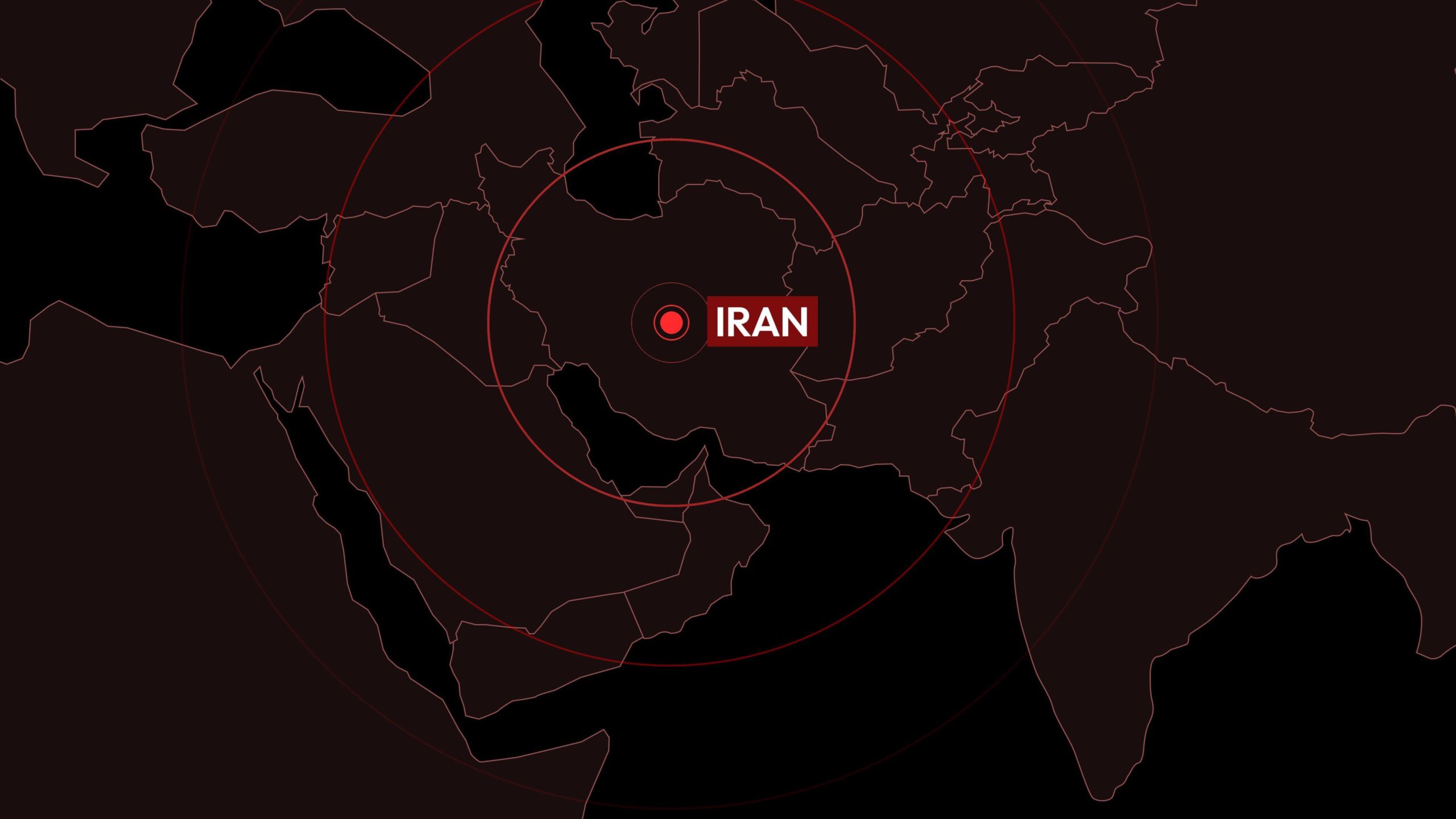
The Washington national security crisis is unfolding alongside other developments in Iran, including heightened tensions surrounding infrastructure strikes. These events reflect a broader pattern of escalation that is shaping the current geopolitical landscape.
Such developments highlight the interconnected nature of political, military, and economic pressures, making the situation increasingly difficult to manage.
Strategic Disagreements Reach Breaking Point
Reports suggest that the resignation was the result of long-standing disagreements over strategy. The departing official is believed to have opposed certain military actions, arguing they could undermine long-term security objectives.
The fact that the Washington national security crisis is now tied to a high-level resignation indicates that internal consensus has broken down.
Observers note that such public divisions are rare and often signal deeper systemic issues.
Global Allies Monitor the Situation Closely
International partners are closely watching the Washington national security crisis, as it raises questions about the stability of U.S. leadership and its approach to global security.
Allies who rely on coordinated strategies may now be reassessing their expectations, while adversaries could interpret the situation as a sign of internal division.
This dynamic adds further complexity to an already tense geopolitical environment.
What Comes Next?
As the Washington national security crisis continues to evolve, attention is turning to the future. The selection of a replacement will be a key indicator of whether current policies will continue or shift.
Analysts expect further developments in the coming days, particularly in response to Iran’s warnings and ongoing military activity.
The situation remains fluid, with multiple factors influencing its trajectory.
A Critical Moment in Global Security
The Washington national security crisis has entered a new and uncertain phase following the resignation of a top counterterrorism official. This development highlights deep divisions within U.S. leadership and raises serious questions about the direction of foreign policy.
Combined with Iran’s threat to target enemy infrastructure, the situation underscores the complexity and volatility of the current geopolitical landscape. The coming weeks will be crucial in determining whether tensions ease or escalate further.
For now, the world remains on edge as one of the most sensitive global security challenges continues to unfold.