UK (Parliament Politics Magazine) – The UK’s Office for Budget Responsibility (OBR) made an unprecedented error by releasing the 2025 Budget details over an hour before Chancellor Rachel Reeves’ speech, prompting widespread media reactions and official apologies. The early disclosure revealed significant fiscal measures and economic forecasts, sparking intense commentary across political and financial circles.
OBR Releases Budget Details Early in Unprecedented Error
In an extraordinary and unprecedented error, Britain’s Office for Budget Responsibility (OBR) inadvertently published the full Economic and Fiscal Outlook for the 2025 Budget on its website before Chancellor Rachel Reeves formally presented it to Parliament. This early release occurred shortly before noon, more than an hour ahead of the scheduled 12:30 pm announcement, as detailed by Bloomberg’s report and confirmed by Reuters journalist Jeff Mason.
The OBR quickly issued an apology for the premature publication and launched an internal investigation to determine the cause of this breach of protocol. Normally, budget forecasts are held back until the Chancellor’s official speech concludes, ensuring a controlled and simultaneous release of information. This incident represents a significant breach of established government communication procedures and market-sensitive timing.
Reactions Across Media and Political Spectrum
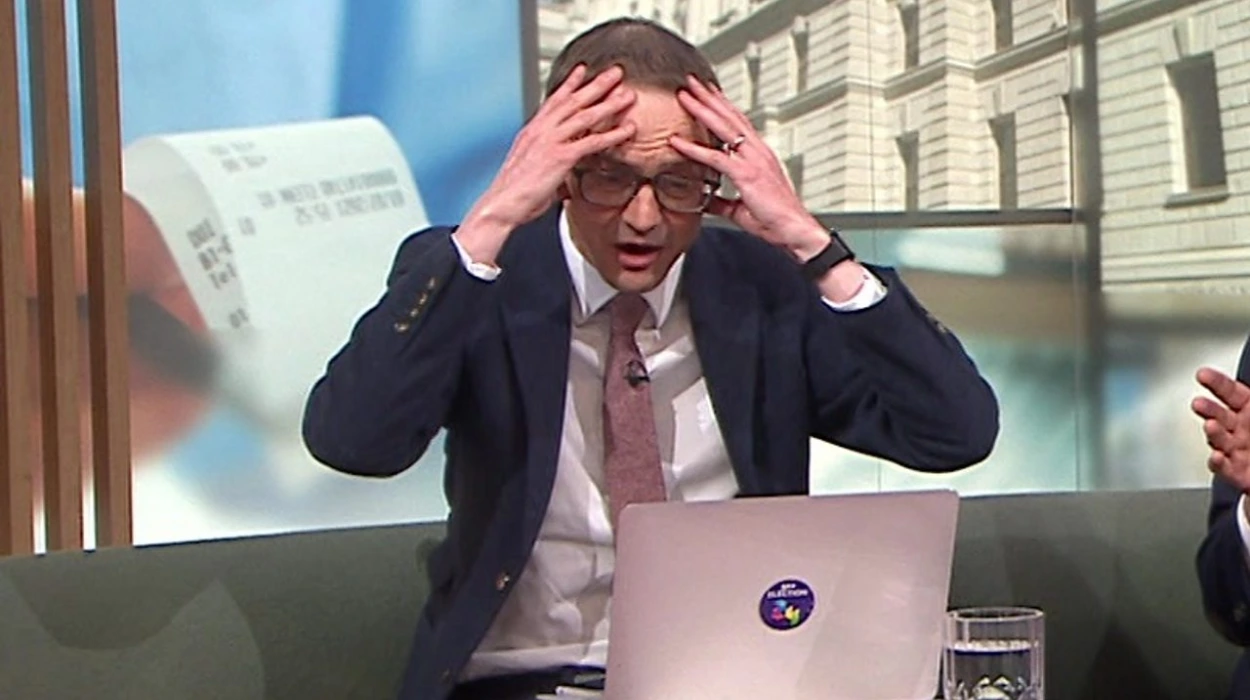
BBC correspondents and other media outlets described the early release as “mind-blowing,” emphasising the shockwaves it sent through financial markets and political commentators. The leaked documents revealed key fiscal headlines, including a frontloaded spending increase of £9 billion and tax hikes totalling £26 billion, which together shaped the government’s economic strategy over the next five years.
Rachel Reeves expressed her disappointment in the error, stating that the premature disclosure was “a serious mistake,” as reported by The Guardian’s Pamela Constable. Opposition Conservative MP Mel Stride called the incident “completely unacceptable,” demanding answers on how such an error could occur.
Financial analysts and media professionals scrutinised the content extensively after the leak. Reports by Sky News and Bloomberg described how the revealed elements exceeded market expectations, particularly the doubling of the fiscal surplus forecast by 2029-2030 to £22 billion, compared to March’s £9.9 billion estimate. These figures indicate significant shifts in economic planning and policy, which were meant to be unveiled carefully during the Chancellor’s speech.
Key Fiscal and Economic Forecasts Highlighted
The OBR’s report revealed a forecasted average GDP growth of 1.5% over the next five years, slightly lower than previous projections, combined with increased inflation and wage forecasts. Borrowing predictions were revised upwards by £6 billion, with debt estimated to be 2% of GDP higher than in March, indicating a more cautious fiscal outlook.
As detailed by Bloomberg correspondent Anna Edwards, the budget includes a backloaded tax increase strategy intended to balance the initial spending surge, reflecting the administration’s aim to stabilise public finances while investing in key areas. This nuanced fiscal approach underscores challenges the government faces amid current economic uncertainties.
Official Responses and Future Implications
The Office for Budget Responsibility committed to reviewing internal procedures to prevent recurrence of such errors, with its Chair expressing regret for the incident. The Chancellor’s office reiterated that despite the premature leak, the full context and detailed explanation would be provided in the forthcoming budget speech.
Market reactions were mixed, with some volatility noted in sterling and government bonds as the information spread ahead of official channels. Experts warn that such leaks risk undermining orderly market functioning and fair access to information.
In the political arena, commentators note that the incident could impact public and parliamentary reception of the Budget, as the element of surprise and controlled messaging was lost. It may also prompt calls for stricter controls over fiscal data and transparency protocols.
- As reported by Lisa Mascaro of The Washington Post, the incident triggered intense debate about the security of sensitive government information.
- According to Anna Edwards of Bloomberg, the doubling of the fiscal surplus and revised borrowing numbers were key data points that drew attention.
- Pamela Constable of The Guardian emphasised Chancellor Reeves’ strong stance on the seriousness of the mistake.
- Jeff Mason of Reuters documented the swift apology and investigation launched by the OBR.