

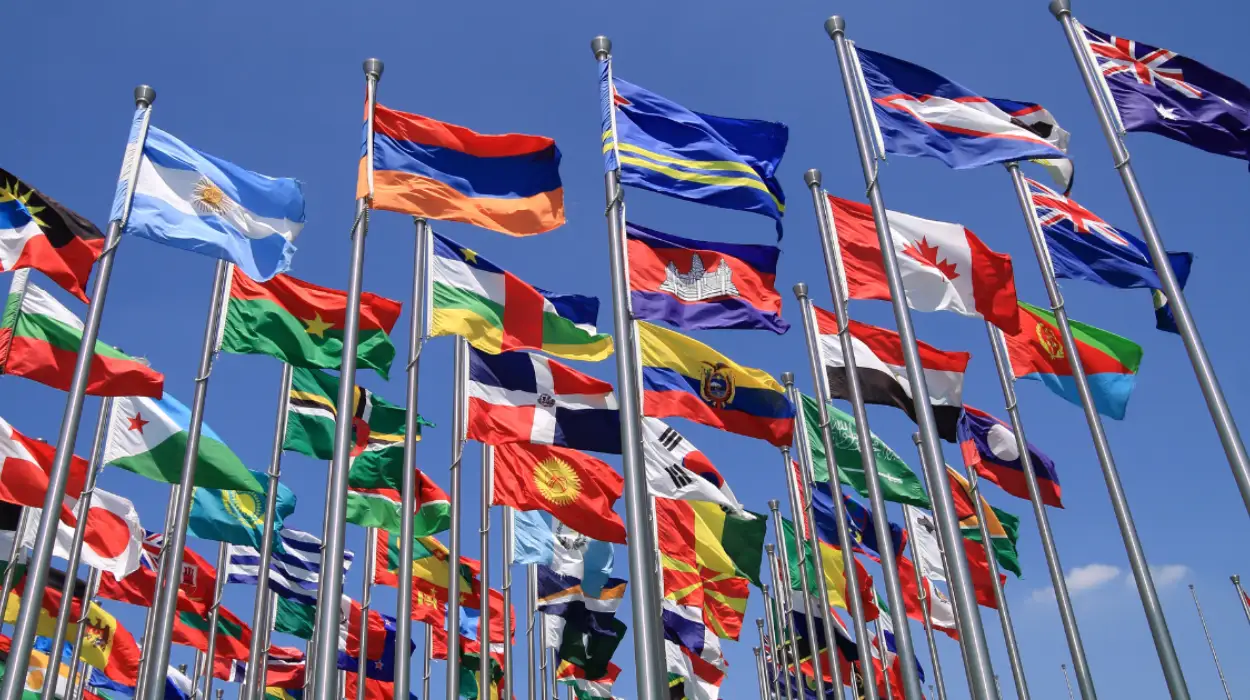
The Commonwealth, sometimes called the Commonwealth of Nations, is a novel association of countries with historic ties to England and the British Empire. Commonly, people seek to identify which countries compose the Commonwealth of England and the reasons for their association.
Most of the answers lie in a mixture of history, politics, economics, and culture. This article provides an overview of the member countries, their reasons for joining this group of nations, and the relevance of the Commonwealth today.
Understanding the Commonwealth of England
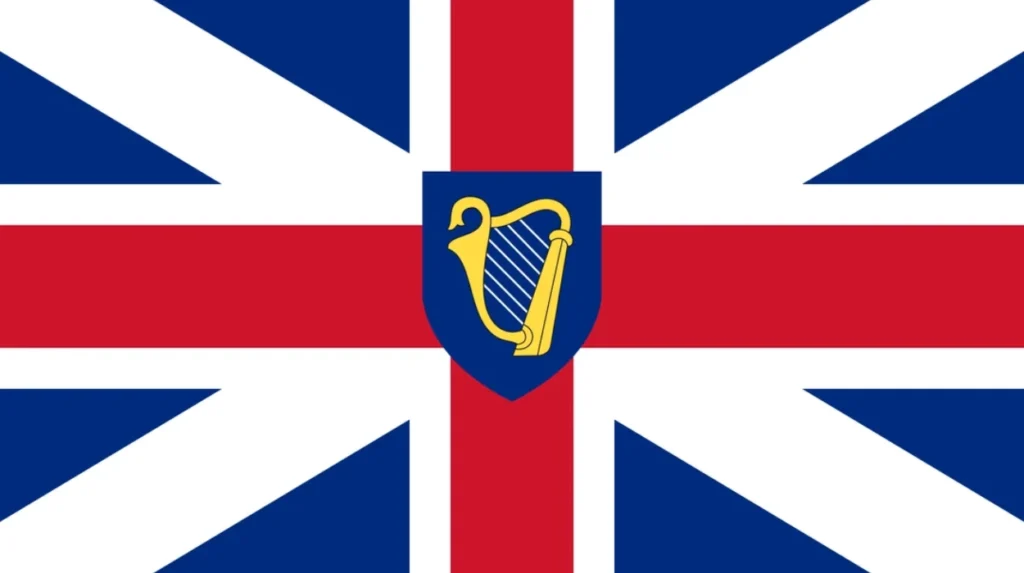
The Commonwealth of England is a voluntary association of 56 independent countries, the majority of which were historically colonies of the British Empire. Commonwealth of Nations is the full name of this organization. It is usually called the Commonwealth of England. There are many areas of cooperation, trade, education, governance, human rights, etc.
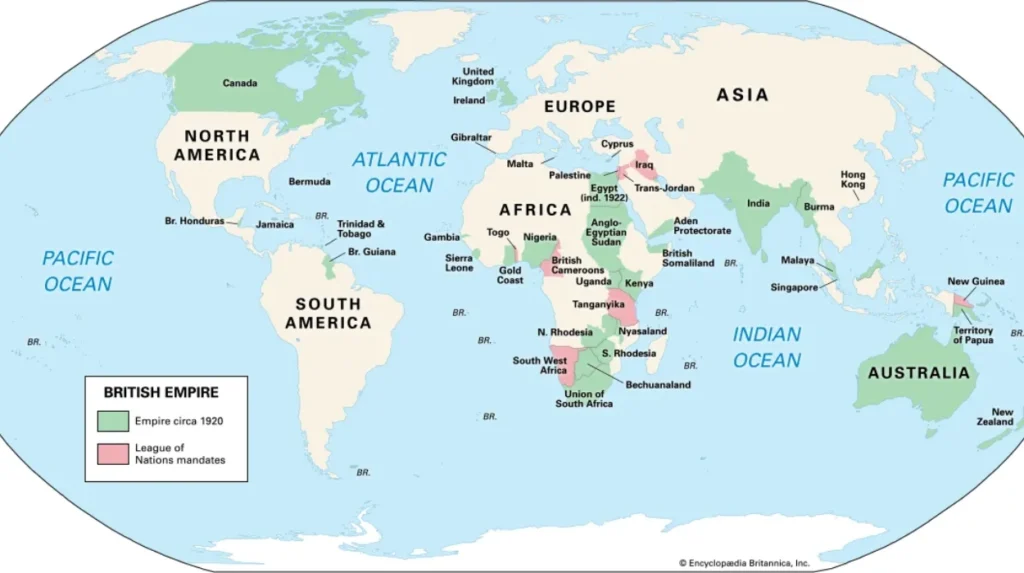
The Commonwealth originates from England’s colonial expansion, and when the empire fell into decline, a need for a modern partnership arose. Countries that became independent still wanted political, economic, and cultural ties with England and the UK. This led to the creation of the Commonwealth.
What countries are in the Commonwealth of England?
The Commonwealth is vast and varied and covers Africa, Asia, the Americas, Europe, and the Pacific. Below is a breakdown by region.
African Member Countries
Most African nations joined after gaining independence from Britain. They make up one of the largest groups in the Commonwealth.
South Africa, Nigeria, Kenya, Ghana, Uganda, Tanzania, Zambia, Malawi, Botswana, Lesotho, Eswatini, Namibia, Mozambique, Rwanda, Cameroon, Seychelles, Mauritius, The Gambia and Sierra Leone.
Asian Member Countries
Asia is home to some of the most populous Commonwealth nations. Their membership illustrates historical ties, as well as a desire to continue working together.
India, Pakistan, Bangladesh, Sri Lanka, Maldives, Malaysia, Singapore, and Brunei.
European Member Countries.
The Commonwealth has its origins in England’s colonial past; some European countries remain members. It includes:
United Kingdom, Cyprus, and Malta.
Caribbean and Americas Member Countries.
The Caribbean and American members represent the global reach of the Commonwealth, including a number of small island states in the Caribbean Sea, contributing to a diverse membership base.
Canada, Jamaica, Trinidad and Tobago, Barbados, The Bahamas, Saint Lucia, Saint Vincent and the Grenadines, Saint Kitts and Nevis, Grenada, Dominica, Belize, Guyana, Antigua and Barbuda.
Pacific Member Countries
The Pacific is another solid base for Commonwealth membership, with shared development programs beneficial to smaller island nations.
Australia, New Zealand, Papua New Guinea, Fiji, Solomon Islands, Samoa, Tonga, Tuvalu, Vanuatu, Kiribati, and Nauru.
Why did these countries join the Commonwealth?
Understanding why countries joined helps us explain the Commonwealth’s continued attraction.
1. Historical Connections
Most countries joined because of their colonial past. They participated in the British Empire, which gave them systems of government, laws, and education based on England.
2. Political Co-operation
Membership allowed political cooperation. Many smaller countries have the advantage of having a voice in world affairs within a larger body of countries but remain independent.
3. Individual Growth and Economic Motivation
One common area of interest was trade and investment. The Commonwealth promotes trade and investment. Many countries continued or joined because of initiatives like preferential trade agreements, knowing that economic links to England and other members would lead to overall growth.
4. Common Values
The Commonwealth Charter identifies principles of democracy, human rights, and the rule of law. For many members, this chapter of their identity is a reason to stay involved even after independence.
5. Educational and Cultural Engagement
Scholarships, student exchanges, and cultural programs are attractive points of membership. Many students came from Commonwealth countries to England to study and now return with many professional relationships.
Benefits of Being in the Commonwealth
Main benefits include:
- Political Stability: Collective pressure and peer pressure allow countries to assist one another in promoting democracy, good governance, and human rights.
- Economic Cooperation: The Commonwealth Advantage indicates that trade between Commonwealth states is about 20% cheaper due to common language, legal systems, and culture.
- Development Assistance: Technical and financial assistance, particularly for smaller countries and smaller island states, makes membership potentially your ‘life insurance policy’ for your continued existence and improvement.
- Power in Numbers: It means the smallest of countries can extend, speak out loud on issues that are supposed to matter, and counterbalance to some degree the larger stakeholders in the global system.
Criticism and Barriers
There are lots of good things that can be said and many initiatives that have been proposed and enacted. People still see the Commonwealth with the weight of Commonwealth history and, in some respects, continue the perception of the ‘colonial masters’ in that frame of reference.
Also, Commonwealth states see themselves as being only as influential as some of the newer global organizations. Not all Commonwealth nations are consequentially good citizens when it comes to the ideals of democracy and human rights, which raises concerns as to how effective expectations of enforcement are.
Global Network of 56 Nations
What countries are in the Commonwealth of England, and why did they join? The answer is that there are 56 nations from all continents in the Commonwealth, each one having a shared experience or history connected to England and now wishing to collaborate on issues.
Each country may have different reasons to be included, from political relationships to trade opportunities, cultural links, or aligned values.
Today, the Commonwealth exists not as a legacy of the British Empire but as a vibrant association of nations committed to collaboration rather than fragmentation. Its survival depends on its ability to change, but its legacy as a link between history and contemporary global partnerships is assured.
