
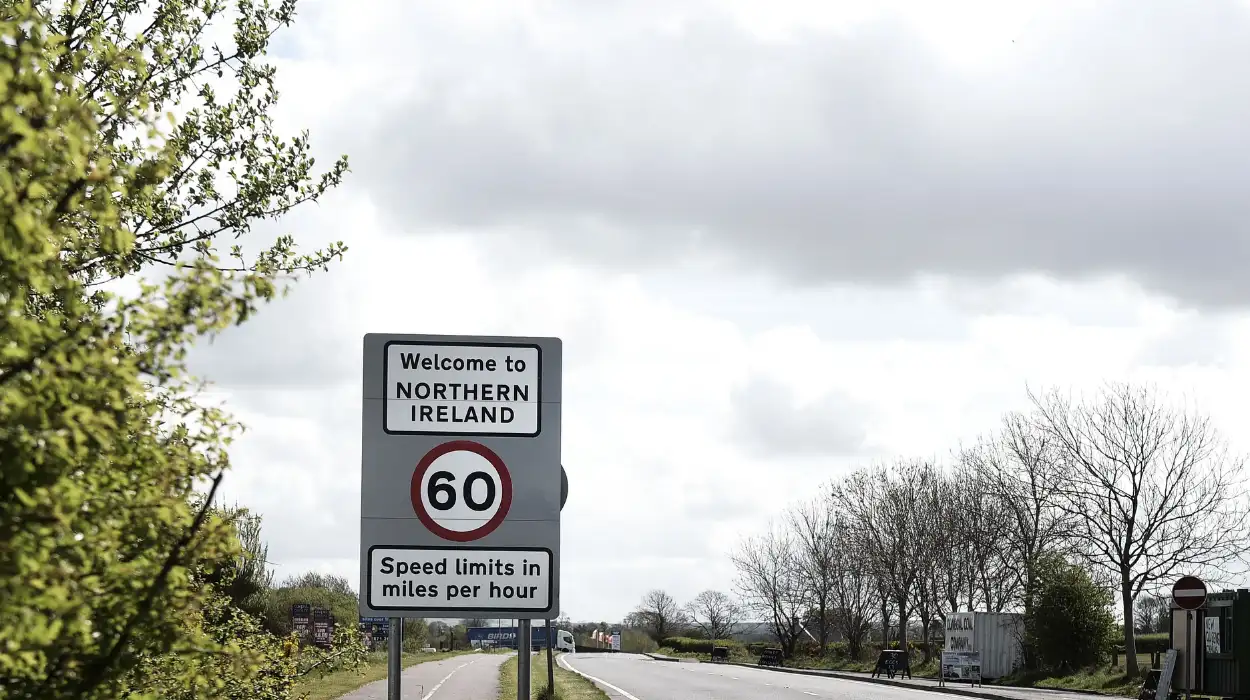
The Irish backstop (officially the Northern Ireland Protocol) was a protocol that was proposed to a draft Brexit withdrawal agreement that was never came into effect. It was developed by the May government and the European Commission in December 2017 and finalized in November 2018 and aimed to prevent an evident border (one with customs controls) between the Republic of Ireland and Northern Ireland after Brexit.
Understanding the Irish Backstop
The backstop was an emergency plan. It was to ensure that we did not see a return to physical border checks on the island of Ireland. This was important because both Northern Ireland and the Republic of Ireland had enjoyed open trade and free movement under the auspices of the EU. A return to customs posts and barriers was going to create economic and political problems.
The backstop was never going to be a permanent structure. This was only going to come into effect if there was no better deal between the UK and the EU in terms of the future EU/UK relationship. It was called a backstop because it acted as a backstop.
Why Did We Need the Irish Backstop?
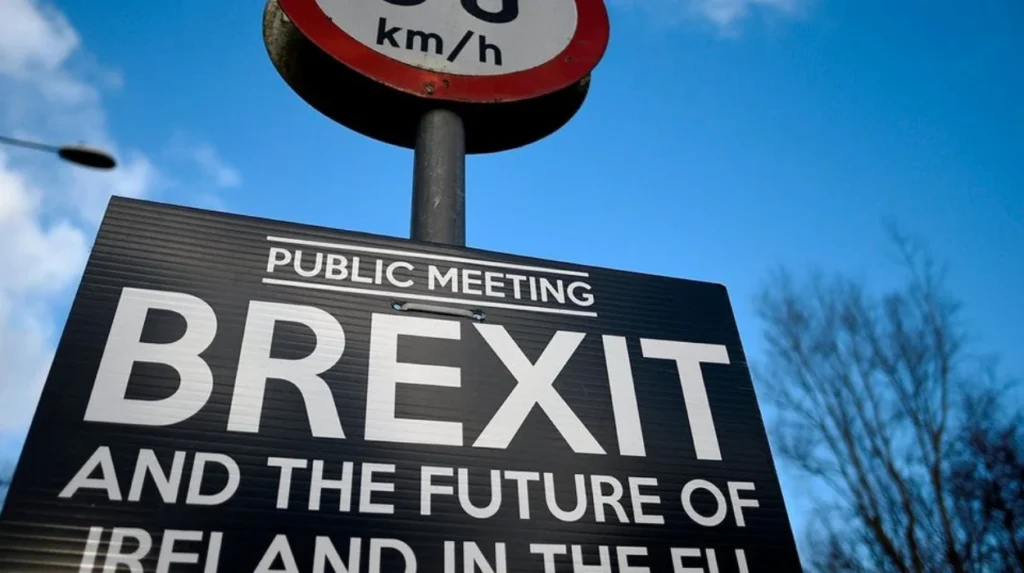
The backstop was necessary because Brexit risked a hard border. Prior to Brexit, the UK and Ireland were part of the same single market and customs union, meaning goods, people, and services could flow free of checks. The UK left the EU; this self-reliant approach fundamentally had to change.
The risk was that if you didn’t find a solution, there was a risk that the border between Northern Ireland (a UK territory) and the Republic of Ireland (an EU member state) would have had a border closed and become surrounded by customs checks. This would have undone many years of peace and cooperation established by the Good Friday Agreement of 1998, which ended decades of violence and conflict in Northern Ireland. The backstop was necessary to keep the peace and protect stability.
How Would the Backstop Have Worked
If there was no trade deal, the Irish backstop would have kept the UK closely attached to the EU in a trade relationship. Northern Ireland has continued to be aligned with the EU around many rules on goods and food standards. In this way, lorries and traders could still proceed across the Irish border without checks.
The rest of the UK would have had a customs arrangement with the EU to avoid customs duties. However, this arrangement made many politicians uncomfortable. Concerns were raised that the UK was tying itself to the EU for longer than they were ready to accept.
The Backstop and the Good Friday Agreement
A peace agreement was signed in 1998 called the Good Friday Agreement. It allowed for both communities in Northern Ireland to share power and, importantly, remove stops at the border. At this time, both the UK and Ireland were EU members, which allowed for this kind of arrangement.
Brexit posed a danger to this balance. A rebuilt border could have reopened old tensions. The Irish backstop was intended to protect the essence of the Good Friday Agreement. In effect, it guaranteed that if the UK and EU couldn’t agree, peace and cooperation would continue.
Why did the Irish backstop create disagreements?
The Irish backstop became one of the more contentious elements of Brexit. It had strong advocates who argued that it was critical for both peace and trade. It was suggested that without the Irish backstop, there was a significant risk of violence and disruption.
There were strong opponents to the Irish backstop, including some in the UK Parliament. These people raised concerns that the Irish backstop could lock the UK into EU trading rules forever. They also viewed the potential separate status for Northern Ireland as possibly impairing nationhood and unity.
For these reasons, many Brexit deals fell at the hurdles in Parliament. In effect, the backstop became the symbol of political stagnation.
The Role of European Union
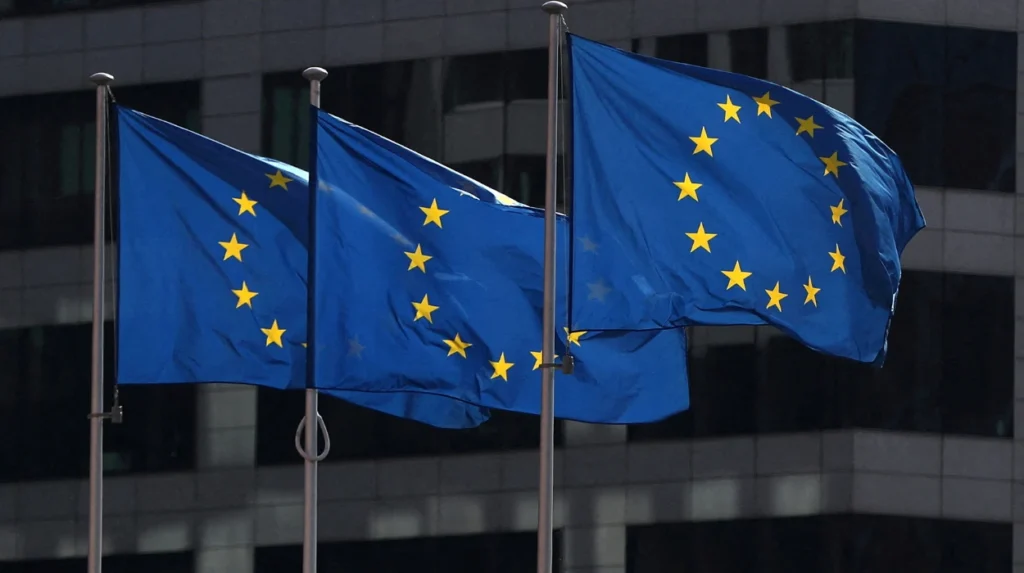
The backstop was also closely considered by the European Union. The EU was committed to exploring and using the backstop. The EU felt the backstop was important to ensure the integrity of the single market and to keep its commitment to Ireland. The EU contended that border checks were inevitable without the backstop.
The EU also wanted a legal guarantee. It was argued that trust and goodwill were not enough. The backstop for the EU was not about punishing the UK but about ensuring the arrangements that already existed were protected.
The UK’s Position
The UK government was divided on the backstop. Some prominent voices were supportive as a form of insurance. Other prominent voices rejected it as a form of dilution of sovereignty. The prime minister, Theresa May, found it very difficult to get her Brexit proposal through parliament largely due to the issue of the backstop.
When Boris Johnson became Prime Minister, he promised to find a replacement for the backstop. He negotiated the Northern Ireland Protocol to provide a replacement for the backstop. The Northern Ireland Protocol changed the way trade worked between Northern Ireland, the Republic of Ireland, and the rest of the UK.
The Difference Between Backstop and Protocol
The backstop was a safety net that would only come into play if everything else had failed. It kept the UK in a customs union with the EU. The Northern Irish Protocol that replaced it created a different system in which Northern Ireland was able to follow EU trade rules while the rest of the UK did not.
This avoided a border on the island of Ireland but made checks between Northern Ireland and Great Britain. This change ended the backstop discussions but gave rise to new debates about the protocol.
Why the Irish Backstop Still Matters
The backstop was replaced; the discussions about it are still an influential part of politics. It illustrated how complicated Brexit was, and how one border could drive an entire negotiation.
The concept also carried implications for future trade discussions. It highlighted trade is not only about walls of goods but walls of peace, trust, and identity. For many in Ireland, they saw the backstop as protection of peace. For many in Britain, they saw it as limiting their independence.
