

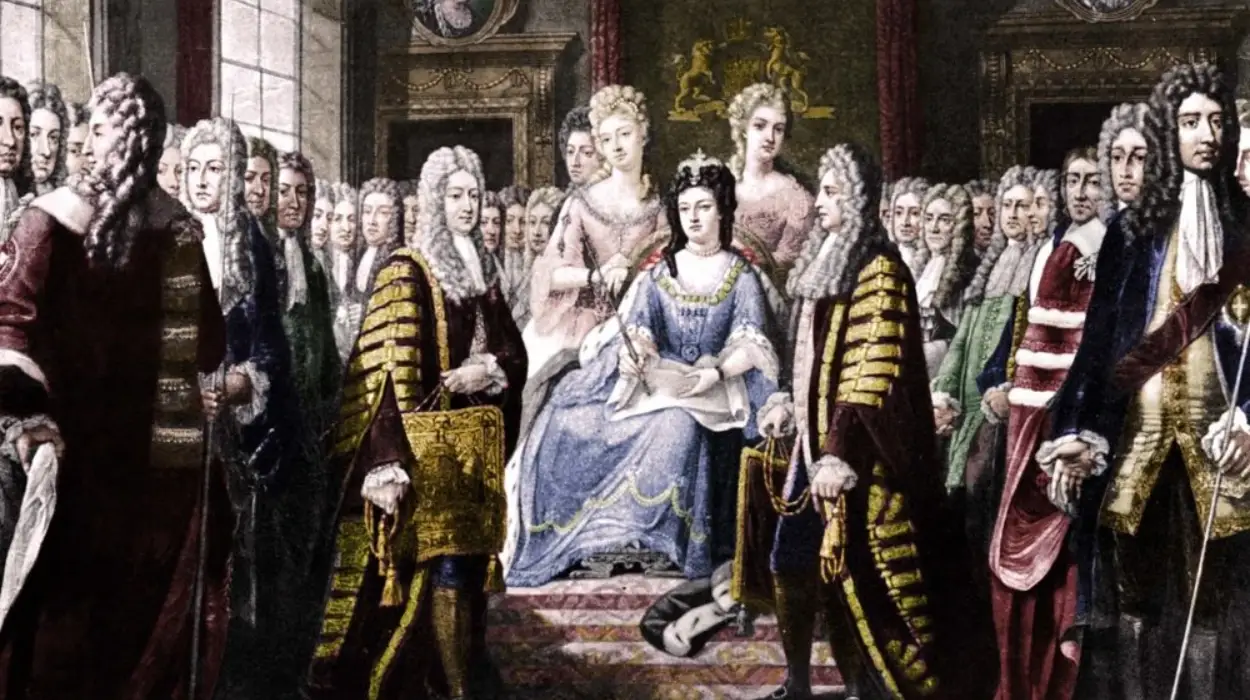
The question “When was Scotland annexed by England?” seems to come up in history conversations. There is a long and complicated history between Scotland and England, filled with wars, alliances, and political agreements. Many people imagine Scotland was conquered like other lands in history.
The truth is more complicated. Scotland was not annexed in a single act. It actually became part of a union. The article will outline those acts in a straightforward manner.
Understanding the Term Annexation
It is important to understand the term annexation. Annexation is typically a forceful act of taking over a territory or a legal act of a territory. For Scotland, it is a little different. Scotland was an independent kingdom for several hundred years. Scotland was not directly conquered, like Wales was. The annexation happened through royal marriage, political decisions, and acts of union by Parliament.
Scotland Before Annexation
Scotland was a proud kingdom with its own kings, laws, and traditions. Scotland had consistently refused to accept the English territorial claims, especially during the Wars of Independence in the 13th and 14th centuries. Prominent figures like William Wallace and Robert the Bruce stood for Scotland’s freedom. By the 14th century, Scotland had been an independent kingdom for a good many years.
The Union of the Crowns (1603)
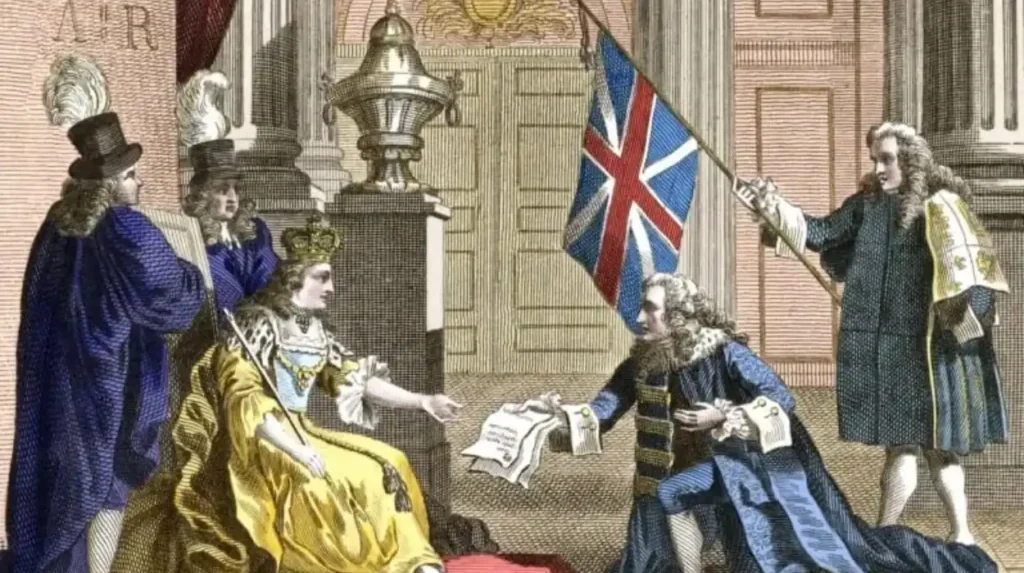
A key event in determining when Scotland was annexed by England was the Union of the Crowns, in 1603. When Queen Elizabeth I of England died without children, her throne passed to James VI of Scotland. Now James was James I of England.
For the first time, England and Scotland were ruled by the same monarch. Scotland and England still had separate parliaments and laws and were still two separate entities. This was not an annexation, but it marked a step toward consolidation.
Political Tensions Between England and Scotland
Even after 1603, Scotland still was not annexed by England. The two nations had different interests. Scotland had its own economy and alliances. England made its own decisions.
Religion and governance were a colossal source of tension, and on occasion, tension devolved into wars and military conflicts. These conflicts demonstrate that Scotland was still very independent at the time of James’s reign; they demonstrate Scotland was not yet part of a united kingdom.
The Road to the Acts of Union
Economic situations, political pressure, the idea of a closer union from Scotland’s perspective, and the needs of England, which had been through years of warfare and desired a situation of stability and security. After negotiations and some deliberation on both sides, they agreed to unite under one parliament.
The Acts of Union 1707
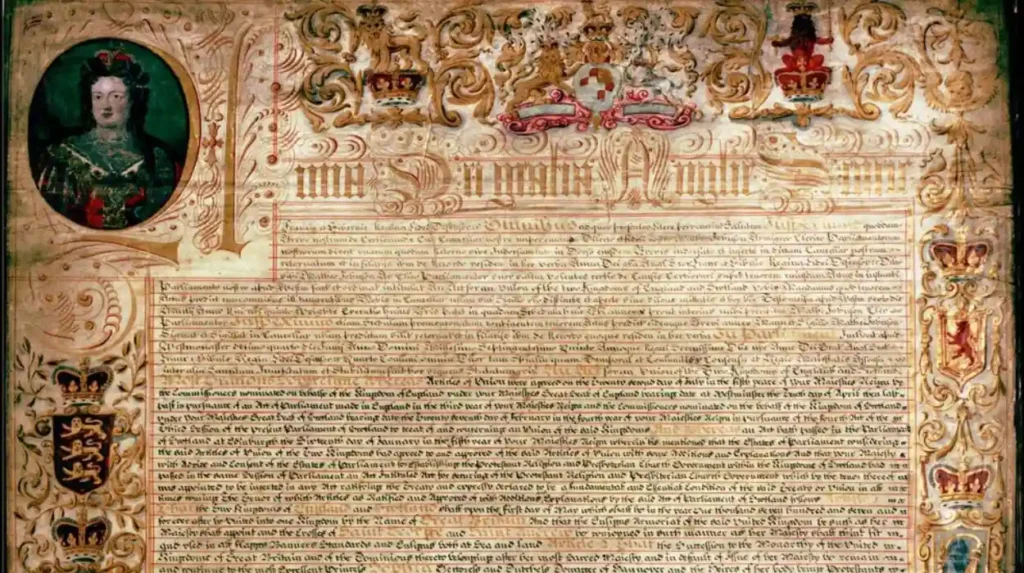
This legislation took Scotland and England and created one kingdom, “Great Britain.” And after that date, both countries shared one parliament in London. Scotland gave up its separate parliament but continued to maintain its own legal and educational systems. This is annexation by law as opposed to annexation by war.
Why the Acts of Union Happened
To gain further perspective on when Scotland was annexed by England, it is helpful to examine the ‘why’ the Acts of Union took place. Scotland had navigated abject poverty after various failed ventures, including the Darien Scheme, a colonial project in Panama.
England uniquely was able to offer financial assistance as well as trade opportunities if Scotland was agreeable to unite. For many Scottish leaders, this was seen as a way to preserve the future of the country. In parallel, England clearly ensured that Scotland would not align with France.
Impact of the Acts of Union
The Acts of Union fundamentally changed the answer to ‘When did Scotland become annexed by England?’ Post 1707, Scotland was no longer a separate kingdom in an international sense. As of 1707, Scotland was part of Great Britain.
The Scottish Parliament made decisions in Westminster, and Scotland still maintained its own church, courts, and schools. This suggests the annexation was political rather than cultural.
Scotland After Annexation
Some Scots endorsed the union because of the financial benefits. Others believed Scotland had lost its independence. In time, Scotland existed as a significant contributor to the British Empire, contributing to trade, science, and industry. The arguments about union or independence never went away.
Rebellions and Resistance
After 1707, many Scots were actively resisting annexation with England. The Jacobite rebellions of 1715 and 1745 represent considerable uprisings to try and establish a separate Scottish crown. The rebellions have demonstrated that the question of when Scotland was annexed by England is not only an issue of dates but of acceptance. Many people in Scotland were not happy with the union and willing to fight for their independence.
The Difference from Wales
In considering when Scotland was annexed by England, comparison is helpful, and Wales is used in this regard. Wales was conquered by force in the Middle Ages and, by the Laws in Wales Acts of the 16th century, was absorbed into England. Scotland’s path is very different. Scotland was not conquered but brought into union with England by parliamentary agreement in 1707. Scotland’s annexation has no parallel in British history.
Modern Views on Annexation
When asked today when Scotland was annexed by England, historians would often say, rather than annexation, Scotland entered into a union, but the word annexation is still used by some for when Parliament was lost in 1707.
In contemporary politics the discussion goes on, with some Scots advocating for independence and others for a continuation of being part of the United Kingdom. The referendum on Scottish independence in 2014 demonstrated this question is still alive.
Key Timeline of Events
To clarify the question of when Scotland was annexed by England, here is a brief timeline:
- 1296–1328: Wars of Independence, Scotland strives to remain free.
- 1603: Union of Crowns under James VI of Scotland & I of England.
- 1707: Acts of Union create the Kingdom of Great Britain.
- 1715 & 1745: Jacobite uprisings against union.
- 2014: Scottish independence (UK) plebiscite, majority voting to remain in the UK.
This timeline illustrates that Scotland was annexed; it was not a sudden single event but rather centuries of progression.
