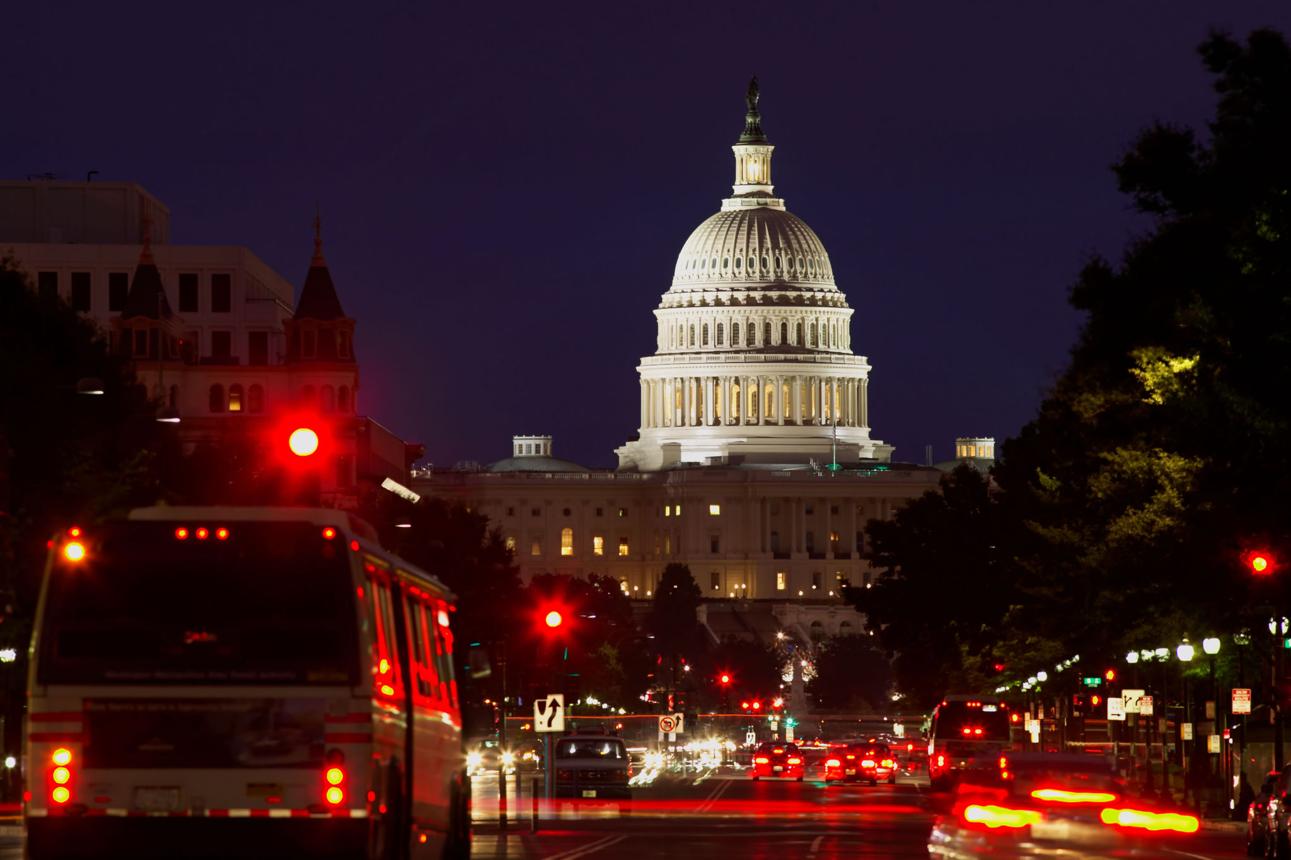
White House dinner shooting shocks Washington during major event.
Security teams respond within seconds to contain the situation.
Investigation underway as officials assess threat and response.
Washington, April 26, 2026 (Parliament Politics Magazine) White House dinner shooting details are emerging after a serious security incident disrupted one of the most prominent political and media gatherings in the United States. The annual White House Correspondents’ Dinner became the focus of a rapid federal response as authorities worked to contain the situation and protect attendees.
The White House dinner shooting has drawn immediate national attention, prompting questions about how such an event unfolded despite extensive security planning. Early findings suggest a fast-moving situation that required coordinated action from multiple agencies.
- Location: Washington, D.C.
- Date: April 26, 2026
- Event Type: High-profile political and media gathering
- Incident Nature: Security breach and active response
- Agencies Involved: Federal law enforcement and security units
- Status: Ongoing investigation
Event Atmosphere Before the Incident
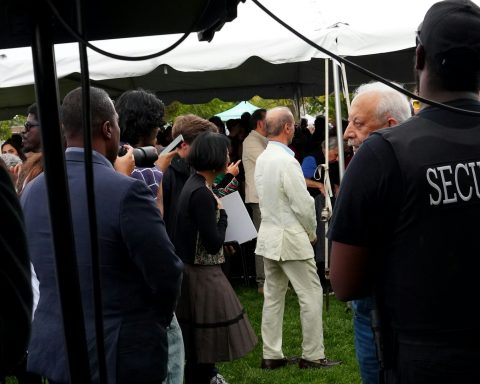
In the hours leading up to the White House dinner shooting, the atmosphere reflected the tradition of the event—formal, structured, and carefully managed. Attendees included political figures, journalists, and invited guests, all passing through multiple security checkpoints before entering the venue.
Security at such gatherings is typically extensive, involving coordination across agencies and layers of screening. Despite this, investigators are now examining whether the threat developed suddenly or if earlier warning signs existed.
Witnesses described a calm and organized environment before the disruption occurred.
Moment the Incident Unfolded
The White House dinner shooting incident began with a sudden disturbance that quickly escalated into a high-alert situation. Within seconds, trained personnel initiated emergency protocols to secure the venue.
Attendees were instructed to remain in place or move toward designated safe areas as law enforcement took control of the scene. The rapid escalation underscored how quickly a controlled environment can shift during a security threat.
One official stated:
“The response was immediate and decisive. The priority was to secure every individual in the venue.”
Immediate Security Response
Security teams acted swiftly during the White House dinner shooting, implementing established procedures designed for high-risk scenarios. Their actions included:
- Locking down access points
- Isolating the area of concern
- Escorting key individuals to safety
- Coordinating communication across agencies
A second official emphasized:
“Preparedness is what allowed this situation to be contained as quickly as it was.”
The effectiveness of these actions is now a central part of the ongoing review.
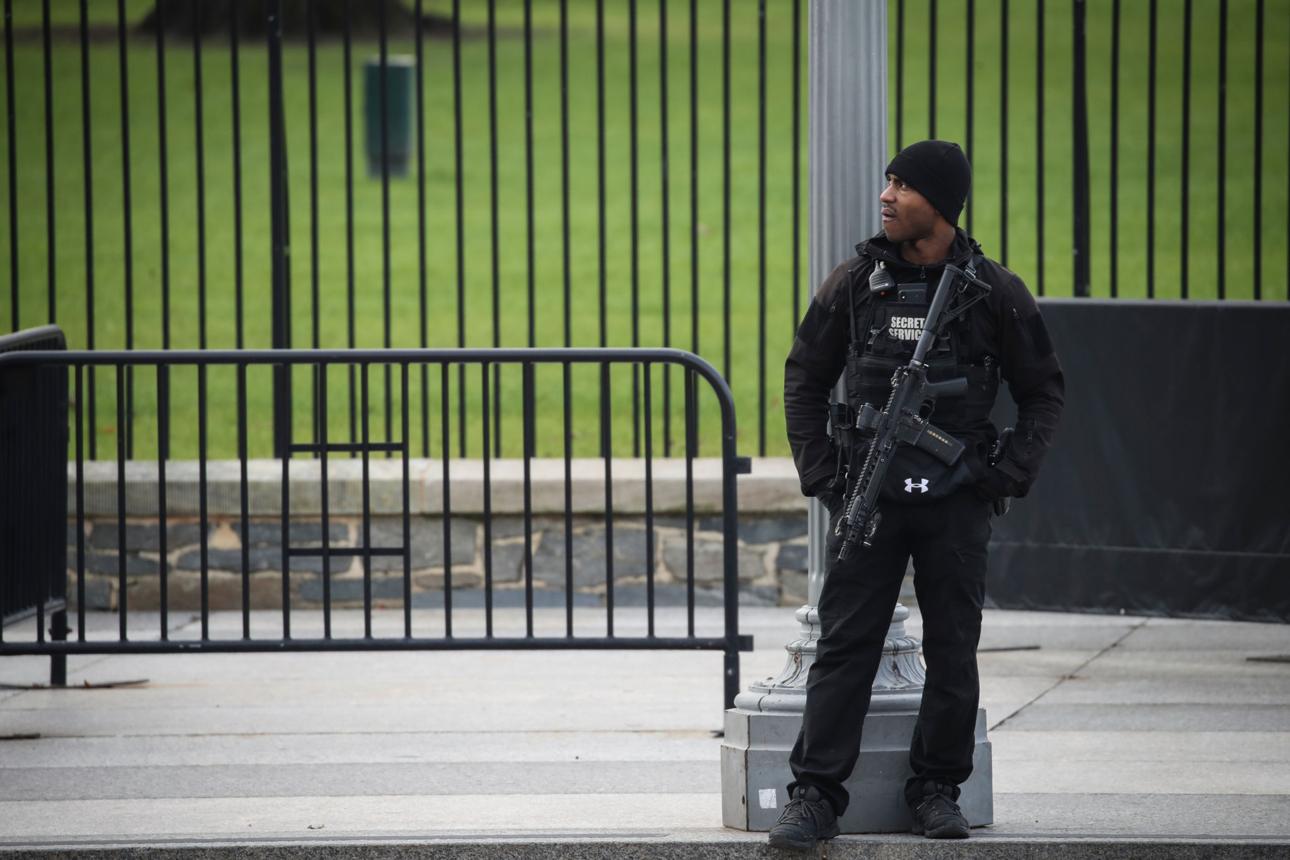
Federal Investigation Expands
Following the White House dinner shooting, federal authorities launched a comprehensive investigation to determine the cause and scope of the incident. Investigators are analyzing:
- Surveillance footage
- Witness testimonies
- Digital communications
- Physical evidence
The goal is to reconstruct the timeline and identify whether the event involved a targeted threat or an isolated act.
A third source noted:
“Every piece of evidence is being carefully examined to ensure accurate conclusions.”
Law Enforcement and Intelligence Coordination
The White House dinner shooting has required coordination between multiple agencies, including federal and local law enforcement. This collaborative effort aims to ensure that all aspects of the incident are addressed.
Authorities are working to determine:
- The origin of the threat
- Possible connections or influences
- Opportunities for prevention
This level of coordination reflects the complexity of modern security challenges.
Impact on Event Attendees
For those present, the White House dinner shooting transformed an evening of formal engagement into a moment of uncertainty. Attendees described a rapid shift from routine proceedings to heightened awareness.
Many were escorted from the venue under controlled conditions, while others remained in secured areas until authorities confirmed safety.
The experience has left a lasting impression on participants and raised broader questions about event security.
Security Protocol Review and Future Measures
The White House dinner shooting has prompted a detailed review of existing security measures. While initial responses were effective, officials are evaluating whether improvements can be made.
Potential areas of focus include:
- Enhanced screening procedures
- Advanced monitoring technologies
- Improved communication systems
- Greater coordination between agencies
These reviews aim to strengthen future event security.
Public Reaction and National Discussion
The White House dinner shooting has sparked widespread discussion across the country. Public concern centers on the safety of high-profile events and the broader implications for national security.
Experts emphasize the importance of measured responses and reliance on verified information as the investigation continues.
The incident has also highlighted the need for continued vigilance in an evolving security environment.
Historical Perspective on Threats to U.S. Political Leaders
Examining past threats against political figures provides important context for understanding incidents like this. Over time, similar events have influenced how security strategies are developed and implemented at high-profile gatherings. Historical patterns show that risks can evolve alongside political and social tensions, requiring constant adaptation.
These experiences have led to stronger protective measures and more advanced threat detection systems. Public awareness has also grown as a result, shaping expectations around safety at major events. Studying these patterns helps officials refine their approach to prevention.
It also reinforces the importance of preparedness in an increasingly complex security environment.
Historical Context of Political Security Risks
Key moments in history have influenced modern protocols, demonstrating the importance of preparedness. While each situation is unique, lessons from the past continue to inform current practices.
Media Coverage and Information Flow
Coverage of the White House dinner shooting underscores the role of media in informing the public during unfolding events. Accurate reporting is essential to maintain clarity and prevent misinformation.
Journalists are working to verify details as they emerge, ensuring that updates reflect confirmed information rather than speculation.
Broader National Security Implications
The White House dinner shooting highlights the growing complexity of security challenges in the United States. Authorities must adapt to evolving threats, including:
- Rapidly changing risk environments
- Influence of digital platforms
- Unpredictable behavior of individuals
These factors require continuous improvement in security strategies.
What Happens Next
As the investigation progresses, authorities are expected to provide further details that will help clarify the sequence of events and underlying factors. These updates are likely to play a key role in shaping future security measures and response strategies.
Officials have emphasized the importance of allowing investigators the time needed to carefully review all available evidence. They stress that accurate conclusions are critical to ensuring both accountability and the prevention of similar incidents moving forward.