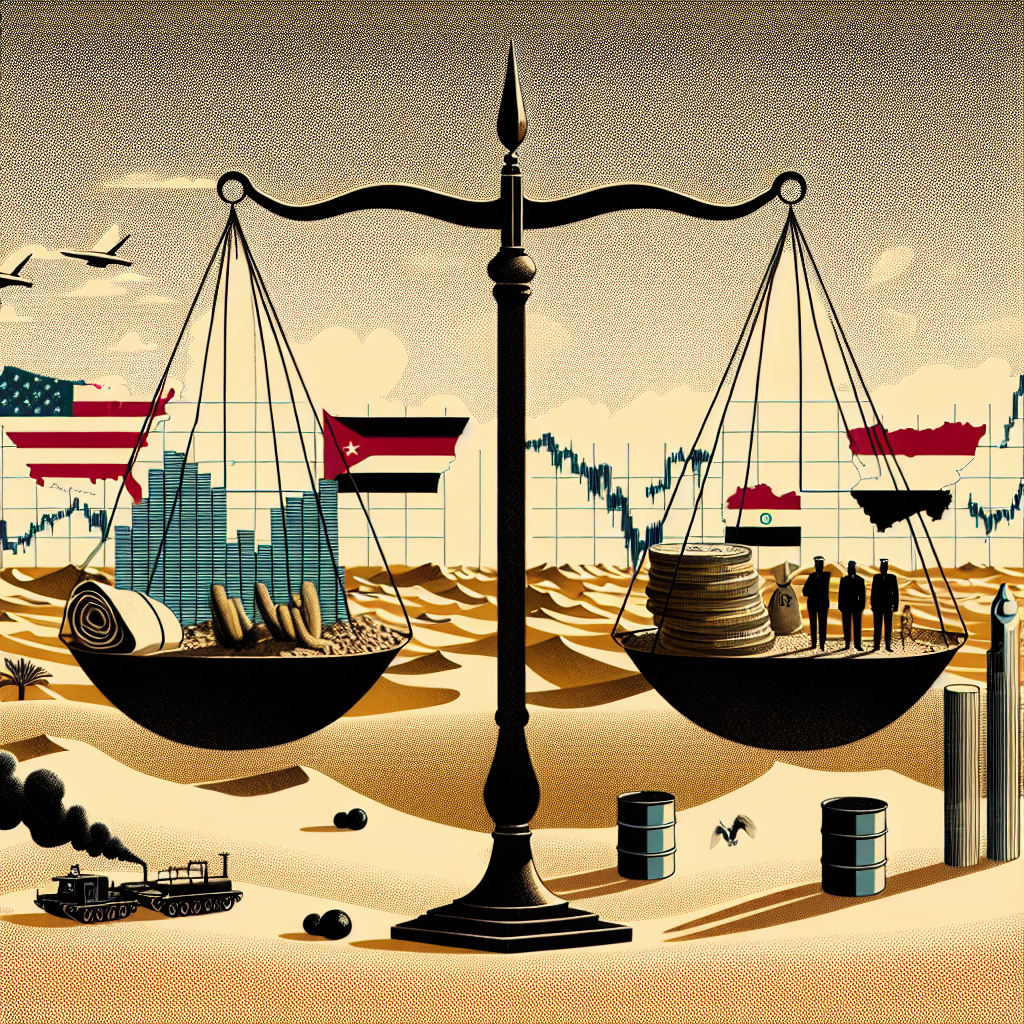
Headline: Economic Fallout: Trump Faces Iran War’s Crucial Effects
Article:
Former President Donald Trump cannot afford to dismiss the economic ramifications of escalating tensions with Iran, especially as the U.S. faces a potential military conflict. Recent developments show a significant uptick in hostilities, with Iran’s missile strikes targeting U.S. interests in the region, leading to fears of a broader war. As tensions rise, the implications for both the U.S. economy and Trump’s political ambitions loom large, particularly with the 2024 presidential election on the horizon.
The geopolitical landscape has shifted dramatically since the 2015 nuclear agreement was abandoned, reigniting fears among American citizens and financial markets alike. With prices soaring and stability wavering, both domestic and international stakeholders anxiously await Trump’s response. Economists warn that any military engagement will inevitably disrupt oil supplies, subsequently impacting gas prices—a crucial issue for everyday Americans.
In the wake of rising oil prices, U.S. inflation has emerged as a formidable adversary to recovery from the COVID-19 pandemic. The Consumer Price Index for August indicated a significant increase, primarily driven by elevated energy costs, which are now expected to rise further due to the volatile Middle Eastern situation. Higher fuel prices not only affect consumer spending but also have a ripple effect on various sectors, including transportation, supply chains, and even tourism.
One of the most pressing political consequences Trump faces is the potential alienation of key voter demographics. A recent poll indicates that swing voters—crucial for a successful campaign—are increasingly focused on economic stability. If the conflict escalates, these voters may perceive a military engagement as a failure of leadership. Trump’s ability to address economic concerns while navigating international crises could ultimately define the narrative of his campaign.
The Iran situation resembles past conflicts, where military enthusiasm has often tempered genuine economic concerns. However, today’s interconnected world presents a unique challenge; public sentiment can be fickle and responsive to real-time developments in geopolitics. History has shown that swift and unexpected developments can reshape voter opinions overnight, and Trump’s past decisions regarding foreign policy may come under intense scrutiny as the stakes rise.
Furthermore, Wall Street is increasingly eyeing developments in Iran. Analysts are assessing the potential volatility in oil markets, predicting surges driven by both supply chain disruptions and consumer panic. The stock market is already reflecting unease, with energy stocks climbing as investors rush to hedge against potential instability. The specter of war can send ripples through various industries, damaging companies dependent on stable supply lines.
The complexities of this geopolitical situation also extend to international allies and adversaries. U.S. allies, particularly in Europe and Asia, are watching closely, concerned that limitations imposed on Iran will lead to a more desperate regime, potentially igniting hostilities that could engulf neighboring countries. Any military engagement will require a multilateral effort, and if Trump appears to go it alone, he risks alienating allies who might have rallied around a more cooperative U.S. approach.
As Trump navigates this precarious situation, he needs to find a balance between demonstrating strength and addressing the economic concerns of his supporters. His historical mantra of putting "America First" will be tested by whether he can substantively address domestic economic issues while responding to foreign threats. The potential military strike may provide a brief moment of nationalistic fervor; however, if it results in sustained economic fallout, it could undermine the very foundation of voter allegiance.
Public opinion is also notably divided when it comes to military intervention. Data from a recent poll indicate that nearly 60% of registered voters oppose increasing troop presence in the Middle East. With rising discontent over government spending, particularly in the realms of defense, any escalation could trigger protests and further devaluation of Trump’s leadership in the eyes of the voter base.
Additionally, with social media acting as an accelerant for news—both bad and good—the narratives surrounding the war in Iran are likely to evolve rapidly. The power of digital information channels could work against Trump, as adverse economic impacts may draw ire from younger voters, who have become increasingly disillusioned with politicians who fail to prioritize their needs. These voters may use platforms to voice their discontent, creating an adverse narrative that could spiral out of control.
In conclusion, the economic implications of the Iran situation are vast, threatening to overshadow Trump’s political ambitions. Although military action may appear justified to some as a means of national security, the potential domestic backlash could create long-term complications for Trump’s campaign. As economic conditions remain fluid, he must weigh the risks and benefits carefully, acknowledging that the U.S. public is likely to react strongly to any policies that threaten their economic well-being. The balance of foreign policy, national security, and domestic economic stability has never been more interconnected; Trump’s political future may very well hinge on recognizing this critical relationship.
In light of these challenges, the former president must lead with caution, understanding that dismissing the Iran situation’s economic impact could prove to be more damaging than strategic military decisions themselves. With each passing day, he faces a race against time to reassert his position—not only as a leader of the free world but also as a custodian of the economic stability that voters desperately crave.