
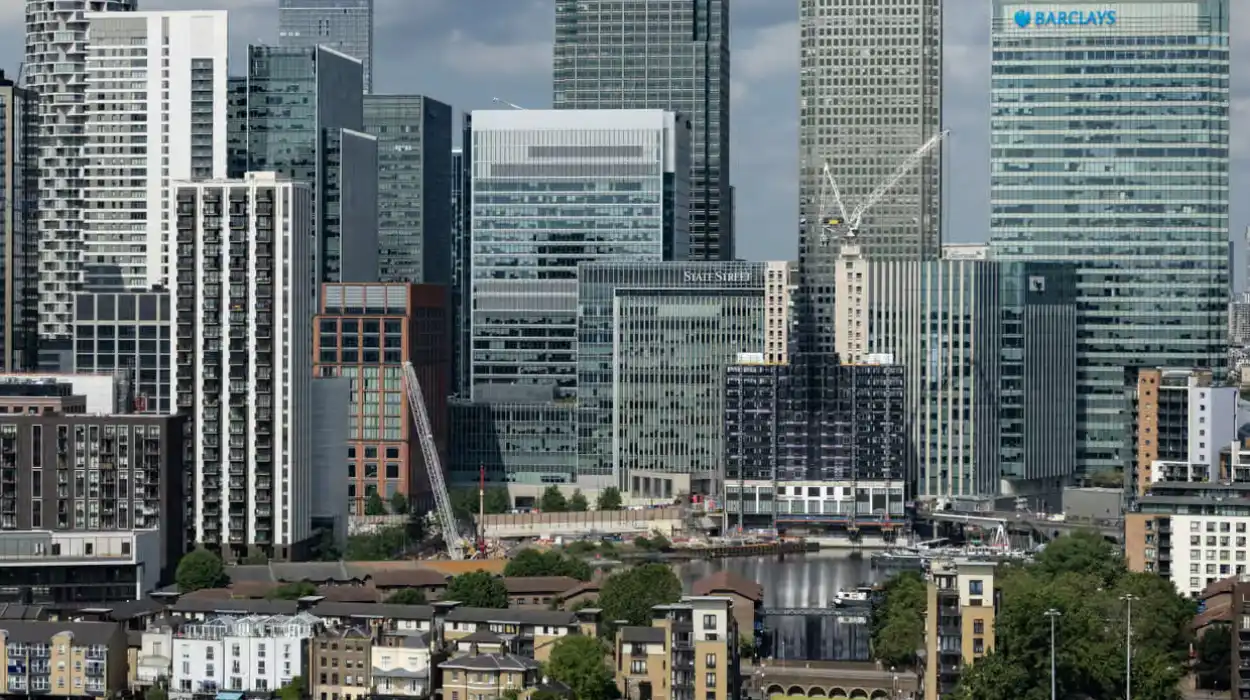
UK (Parliament Politics Magazine) – UK bank shares rose over 2% as confidence grew that Chancellor Rachel Reeves’s budget will avoid new tax hikes on lenders after months of uncertainty.
As reported by The Guardian, UK bank shares rose after signals that Rachel Reeves’s budget will hold off on new tax rises.
How treasury signals sparked a 2% surge in UK bank shares?
UK high street bank lenders climbed more than 2% on Tuesday after reports that the Treasury had encouraged banks to issue positive statements ahead of the autumn budget, raising hopes the sector will avoid a tax hike.
The chair of markets at AJ Bell, Dan Coatsworth, said,
“Reports that UK banks might get a reprieve in this week’s budget from previously floated new tax measures helped give the likes of Lloyds, Barclays and NatWest a lift and underpinned the FTSE 100’s rise on Tuesday.”
He added,
“It suggests that some intense lobbying by the industry has paid off, although U-turns have been a theme in UK politics for some time so banking boardrooms may not breathe a full sigh of relief until Rachel Reeves has sat down tomorrow afternoon.”
The debate over higher bank taxes has grown in recent months. It gained momentum in August when the IPPR thinktank called for a targeted levy. They said the chancellor should reclaim the money banks earned from the Bank of England’s post-2008 quantitative easing.
The banking sector lobbied against higher taxes, claiming UK banks already faced a total tax rate of 45.8% when including VAT and employment levies. This compares with 38.6% in Frankfurt and 27.9% in New York.
Industry leaders warned that higher taxes could force banks to scale back lending, undermining Ms Reeves’s Leeds reforms, introduced this summer to stimulate growth by reducing regulatory burdens on banks and the wider financial sector.
The banking sector believed they had largely secured victory until reports earlier this month showed that the Treasury had dropped plans to raise income tax rates, potentially breaching Labour’s manifesto pledge.
Reports show that banks remain concerned that the Treasury could reintroduce a sector-specific tax.
The Financial Times reported that the Treasury had sought supportive statements, easing concerns that banks might face a potential tax raid.
How are Labour MPs and campaigners pushing for a bank windfall tax?
Labour’s MPs and campaign groups, including Positive Money, continue to advocate for higher taxes.
The campaign group Positive Money reported collecting 68,749 signatures supporting a windfall tax on bank profits, estimating that a 38% levy could generate more than £14bn for government coffers.
Simon Opher, Labour MP for Stroud, assisting with the petition delivery to Downing Street, stated,
“This week’s budget is an opportunity to restore the public services that form the backbone of our society, but are no longer working for ordinary people after years of being cut to the bone.”
He added,
“Recouping the huge payments that are being made from the public to the banking sector is a fair and commonsense way to fund this, and will only strengthen our economy by allowing us to invest more in health, education and communities. I urge the government to listen to the thousands of members of the public who have signed this petition and are calling to make our economy fairer.”
What did the Harris Poll results show about UK fears over the Budget?
A new Harris Poll UK survey reveals 61% of respondents anticipate the Budget will harm their personal finances, with 36% expecting a minor impact and 25% a major one.
Only a quarter of people (26%) expect a positive impact from the Budget, while 13% believe it will not affect their finances.
The Budget’s impact is a greater worry for older age groups, rising steadily, with 88% of those 65 and older expressing concern, compared with 27% of 18–24-year-olds.Harris says this shows
“growing financial anxiety among older groups, who are often more exposed to rising living costs.”
