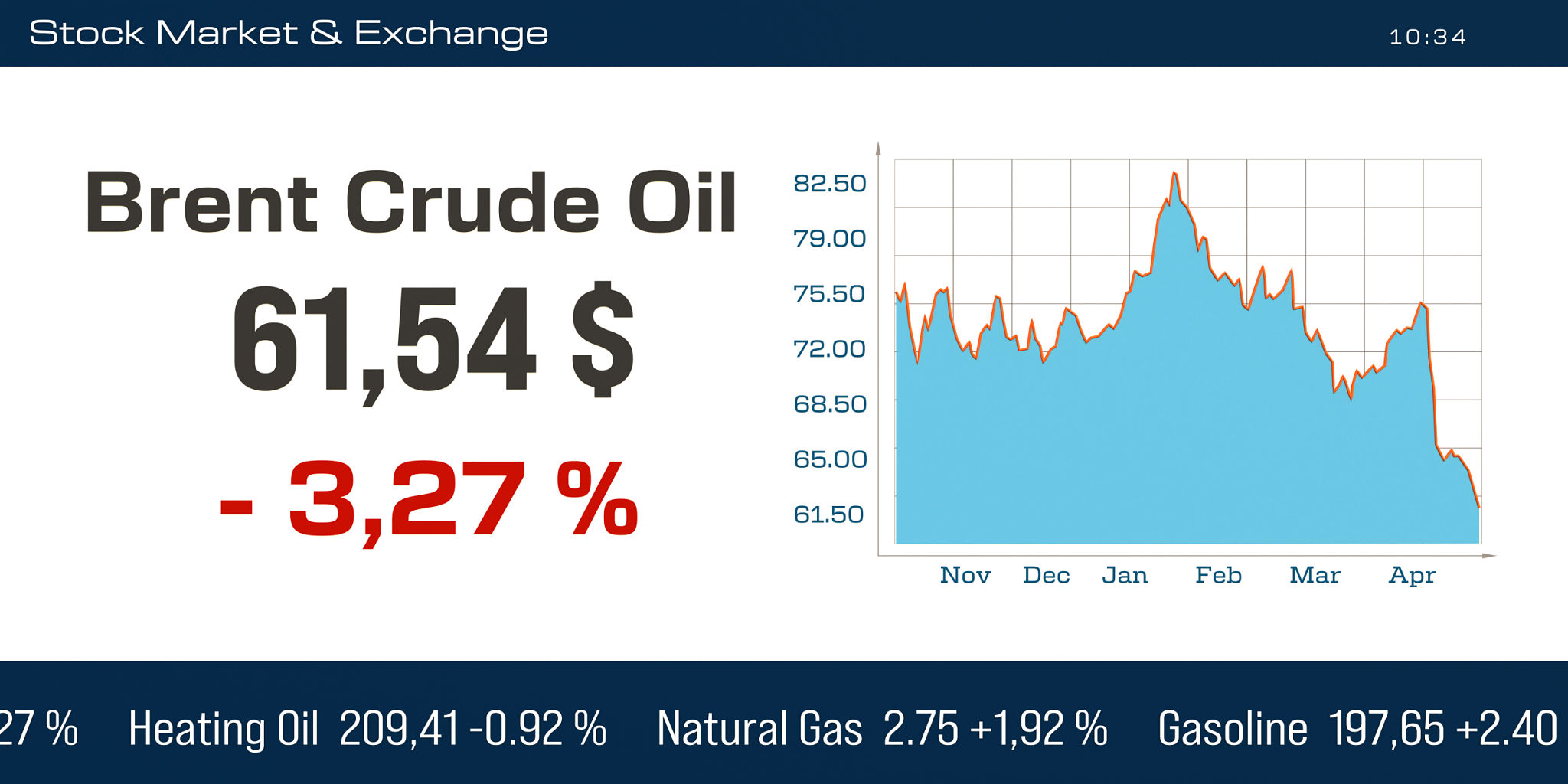
Middle East, January — Global oil markets are entering a renewed period of volatility as geopolitical tensions, supply constraints, and investor caution converge at the start of the year. Energy traders and policymakers are closely monitoring developments across key producing regions, particularly the Middle East, where concerns over supply security have resurfaced. The current market environment reflects a fragile balance between steady demand and persistent uncertainty, shaping expectations for energy prices throughout 2026.
Supply Concerns Reemerge as Central Market Driver
Supply risk has once again moved to the forefront of energy pricing dynamics. Global oil markets are responding to signals that production stability in major exporting regions cannot be taken for granted. While no large-scale disruptions have been confirmed, the possibility of sudden outages has been enough to lift prices and widen trading ranges.
Market participants note that oil prices tend to react preemptively, pricing in risk before physical shortages occur. This sensitivity highlights how tightly balanced supply conditions have become.
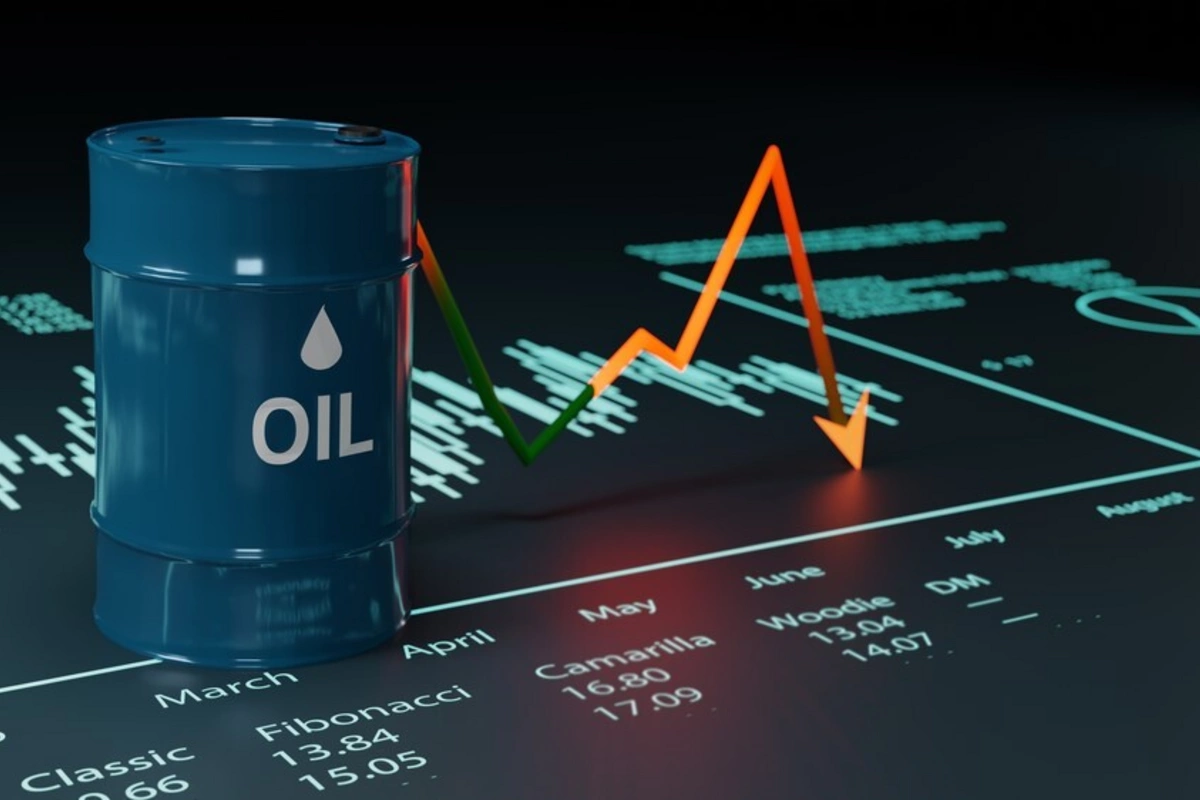
Middle East Influence on Energy Stability
The Middle East remains a cornerstone of global energy supply. Global oil markets continue to be highly exposed to developments in the region due to its concentration of production capacity and strategic transport routes.
Even limited escalation in regional tensions can increase the risk premium embedded in crude prices. This influence has been reinforced by historical precedents where political instability led to prolonged market disruption.
Production Discipline Narrows Margin for Error
Restrained production policies among major producers have contributed to a tighter supply environment. Global oil markets are operating with fewer buffers than in previous years, making them more vulnerable to shocks.
Output discipline has supported prices but has also reduced flexibility during periods of uncertainty. This structural tightness has amplified the market’s reaction to geopolitical developments.
Demand Trends Offer Limited Cushion
Demand for oil has remained relatively resilient despite broader economic uncertainty. Global oil markets continue to reflect steady consumption from transportation, manufacturing, and power generation sectors.
While efficiency gains and alternative energy sources are expanding, oil remains essential to global commerce. This ongoing reliance limits the downside for prices even as economic growth slows in some regions.
Investor Sentiment Turns Defensive
Investor behavior has shifted in response to heightened risk. Global oil markets are seeing increased hedging activity as institutional investors seek protection against sharp price swings.
Energy commodities are often viewed as a hedge during periods of geopolitical uncertainty, attracting capital flows that can intensify volatility. This defensive positioning has contributed to recent price movements.
Shipping Routes Under Heightened Scrutiny
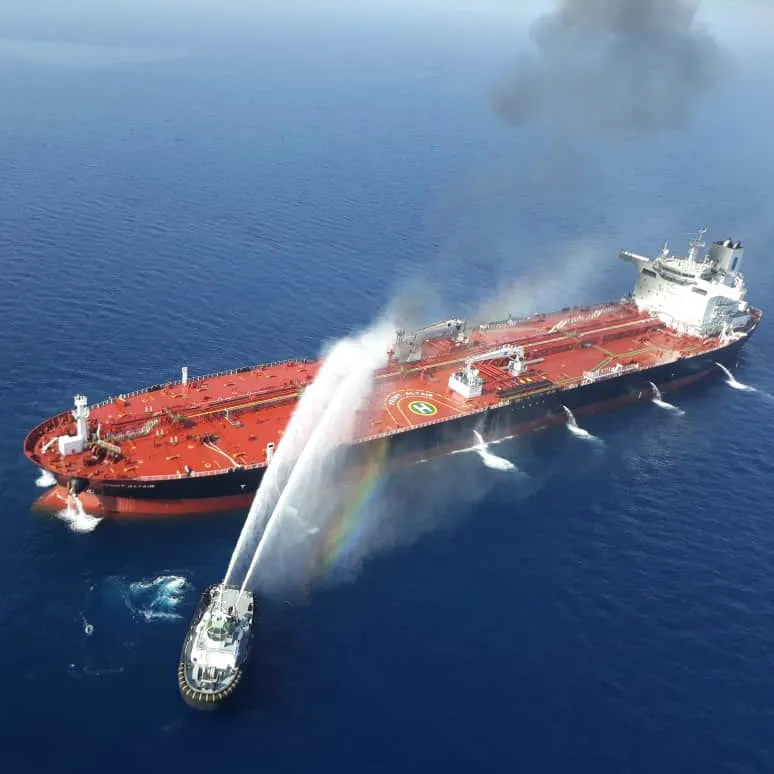
Maritime transport plays a critical role in global energy distribution. Global oil markets are closely watching key shipping corridors that handle significant volumes of crude oil.
Any threat to these routes can disrupt supply chains, increase insurance costs, and delay deliveries. Such risks are quickly reflected in market pricing.
Impact on Energy-Importing Economies
Rising oil prices pose challenges for energy-importing nations. Global oil markets influence inflation, trade balances, and fiscal planning across a wide range of economies.
Higher fuel costs can translate into increased transportation expenses and consumer prices, prompting governments to consider policy responses to mitigate economic strain.
Benefits and Risks for Producing Nations
Oil-exporting countries stand to benefit from elevated prices. Global oil markets provide higher revenue streams that can support public spending and investment.
However, sustained price increases also carry risks, including demand destruction and accelerated efforts to transition away from fossil fuels.
Strategic Reserves and Policy Considerations
Governments maintain strategic petroleum reserves as a safeguard against supply shocks. Global oil markets often respond to signals regarding reserve releases or policy coordination among major consuming nations.
Such measures can provide temporary relief but may not fully offset prolonged disruptions or sustained geopolitical risk.
Energy Transition Shapes Long-Term Outlook
The global shift toward cleaner energy sources continues to reshape market expectations. Global oil markets are navigating a transitional period where long-term demand forecasts remain uncertain.
While renewable energy capacity is expanding, oil continues to play a vital role in transportation and industry, ensuring its relevance in the near term.
Market Volatility Challenges Forecasting Models
Price volatility has complicated forecasting efforts. Global oil markets are influenced by a complex mix of economic data, political developments, and investor psychology.
Traditional supply-and-demand models are increasingly supplemented by risk analysis and scenario planning to account for uncertainty.
The Role of Speculative Trading
Speculative activity can amplify price movements during periods of uncertainty. Global oil markets often see increased participation from hedge funds and short-term traders when volatility rises.
While speculation adds liquidity, it can also exaggerate price swings, making market conditions more unpredictable.
Technological Factors and Infrastructure Risks
Energy infrastructure faces ongoing challenges, including aging facilities and cyber risks. Global oil markets must account for the possibility of technical failures that could disrupt production or distribution.
Investment in infrastructure resilience has become a growing priority for producers and governments alike.
Regional Market Divergence Emerges
Price movements are not uniform across regions. Global oil markets exhibit regional differences driven by local supply conditions, refining capacity, and regulatory frameworks.
These divergences can influence trade flows and investment decisions within the energy sector.
Environmental and Regulatory Pressures
Environmental regulations continue to shape production and investment strategies. Global oil markets are adjusting to stricter standards aimed at reducing emissions and improving sustainability.
Compliance costs and policy uncertainty add another layer of complexity to market dynamics.
Outlook for the Remainder of 2026
As the year progresses, market direction will depend heavily on geopolitical developments and policy decisions. Global oil markets are expected to remain volatile if uncertainty persists.
Stability may return if diplomatic efforts reduce tensions and supply conditions improve, but risks remain elevated.
Analyst Perspective on Current Conditions
One senior energy analyst said,
“The current environment reflects a market pricing risk rather than reacting to confirmed shortages, and that distinction is driving volatility.”

Implications for Consumers and Industry
Oil price movements affect consumers through fuel costs and broader inflation. Global oil markets influence operating expenses for airlines, shipping companies, and manufacturers.
Businesses are increasingly focused on cost management and energy efficiency to mitigate price volatility.
Strategic Planning in an Uncertain Landscape
Energy companies are adapting strategies to navigate uncertainty. Global oil markets require flexible planning that accounts for rapid shifts in political and economic conditions.
Capital allocation decisions are being reassessed to balance short-term profitability with long-term sustainability.
A Market Defined by Interconnected Risks
Oil markets do not operate in isolation. Global oil markets are shaped by geopolitics, economics, environmental policy, and technological change.
This interconnectedness makes energy pricing one of the most complex areas of the global economy.
Why This Phase Matters for the Global Economy
Energy prices influence nearly every sector. Global oil markets play a central role in shaping inflation trends, trade dynamics, and economic growth prospects.
The current phase underscores the importance of energy security in a rapidly changing world.
Final Perspective on Market Direction
As uncertainty continues, vigilance remains essential. Global oil markets in 2026 will likely be defined by cautious optimism tempered by persistent risk.
How governments, producers, and investors respond to these challenges will determine whether volatility gives way to stability in the months ahead.