

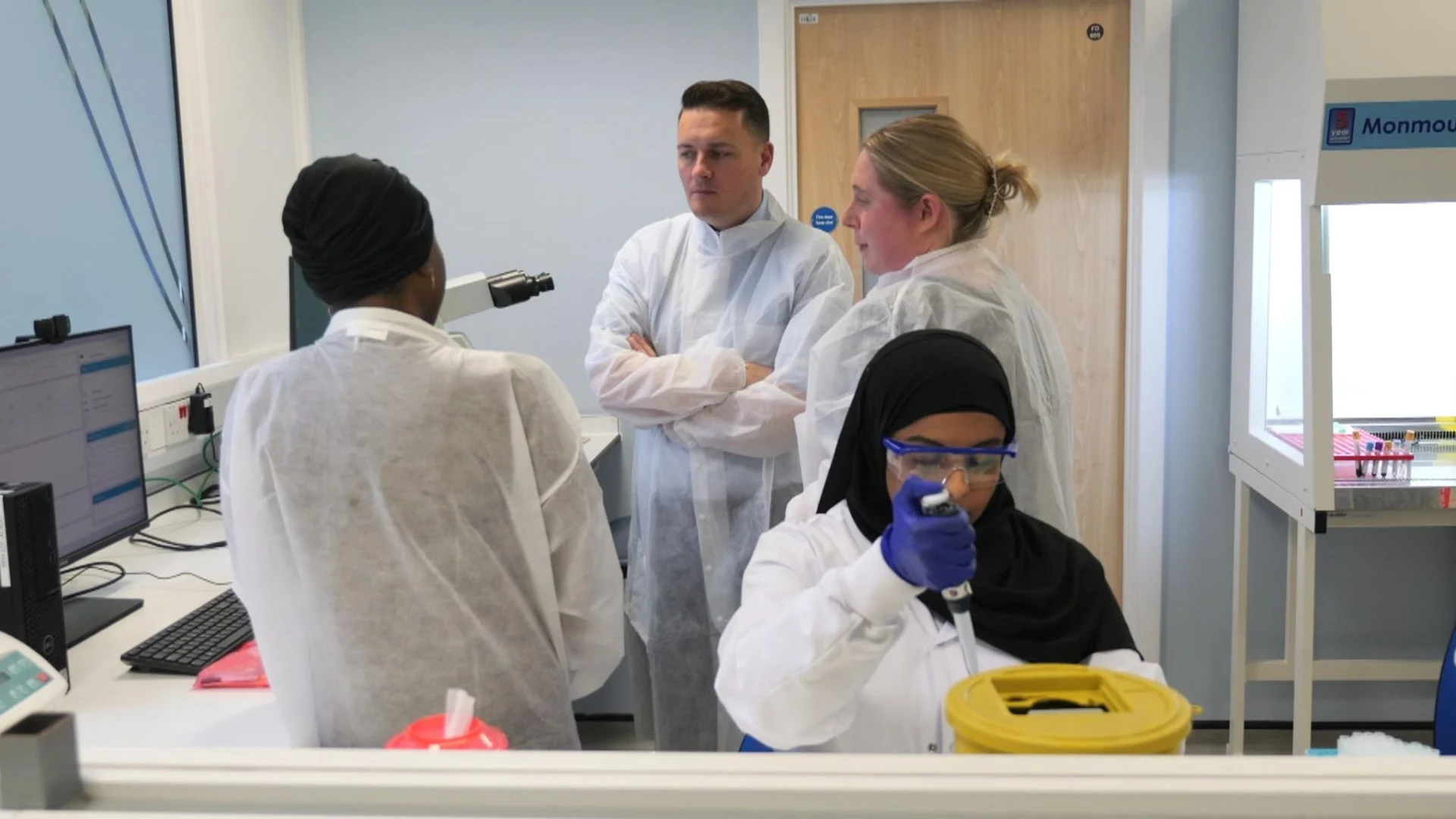
UK (Parliament Politics Magazine) – Health Secretary Wes Streeting says wider HIV testing via NHS app kits and A&Es can help end new HIV infections in England by 2030.
As reported by Sky News, Wes Streeting said increased HIV testing makes the government’s target of ending new infections in England by 2030 achievable.
What did Wes Streeting say about ending HIV infections by 2030?
Wes Streeting revealed a new HIV action plan on World AIDS Day to reconnect people who have stopped treatment with life-saving care.
He said,
“Our national re-engagement programme, a truly innovative and agile approach, targets the epidemic where it’s growing and leaving no one behind. We’ll bring people into life-saving care and find infections early, when treatment works best, so everyone can live the full, healthy life they deserve.”
The health secretary added,
“Thanks to the work of determined campaigners across our country, ending new HIV transmissions by 2030 – a history making, world changing goal – is within reach. This government will now put its shoulder to the wheel to deliver this change.”
Mr Streeting confirmed that some of his friends are living with an HIV diagnosis, saying they are
“living with HIV and leading long, healthy, happy lives. What they still have to contend with, I’m sad to say, is a huge amount of stigma.”
He continued,
“The closer we get to 2030, the harder it becomes if the stigma is still there. If we still have people who think ignorance is bliss or ‘this couldn’t happen to me’, and therefore go undiagnosed, that will be one of the biggest blocking factors.”
What did Keir Starmer say about ending HIV?
Prime Minister Sir Keir Starmer said,
“On World AIDS Day, we honour both the memory of those we have lost and stand together with those living with HIV.”
He stated,
“I promised to end HIV transmissions in England by 2030 and we are making this a reality thanks to our action plan, with a groundbreaking new HIV prevention programme, at home tests made available through the NHS App, and delivering opt out testing in emergency departments.”
Mr Starmer added,
“My message is simple – no one should ever have to fight HIV alone. Together, we will end the cycle of transmission, improve treatment and better protect people.”
How does the UK government plan to end new HIV transmissions by 2030?
The government’s new £170m HIV scheme includes routine A&E testing in high-risk areas such as London and Manchester.
The NHS launches a £5m pilot enabling home HIV tests through its app, giving users secure results and direct access to GPs or sexual health services.
The Health Department said the programme aims to reach thousands with undiagnosed HIV who might not otherwise attend a clinic. It said support will target 5,000 people with HIV who have fallen out of medical care due to mental health issues, addiction, poverty, or stigma.
The new action plan comes after the UK Health Security Agency’s latest analysis shows HIV testing in England must evolve to reach the most at-risk, as 4,700 people remain undiagnosed despite 95% of cases being detected.
Its chief executive, Susan Hopkins, said,
“We’re making progress – 95% of people living with HIV now know they have the virus. But around 4,700 people remain undiagnosed, including one in three in Black African communities and higher rates of late diagnosis in older age groups.”
She added,
“This £170 million HIV Action Plan delivers on these priorities, enabling continued progress towards our 2030 goal.”
How many people in the UK are living with undiagnosed HIV?
According to the Terrence Higgins Trust, about 112,000 people in the UK live with HIV, over 5,200 of whom remain undiagnosed and unaware of their status.
The charity’s latest figures indicate that 4,700 people in England are living with undiagnosed HIV.
NHS opt-out testing programs in emergency departments have identified thousands of people unknowingly living with HIV, helping many to be diagnosed and offered life-saving treatment.
When is World AIDS Day observed, and why does it matter?
World AIDS Day is observed on December 1st every year as a day of global solidarity in the fight against HIV/AIDS. It raises public awareness about HIV prevention, treatment, and the ongoing impact of the pandemic.
The day honors those lost and supports those living with HIV, while challenging stigma and advocating for continued research and equitable healthcare access.