

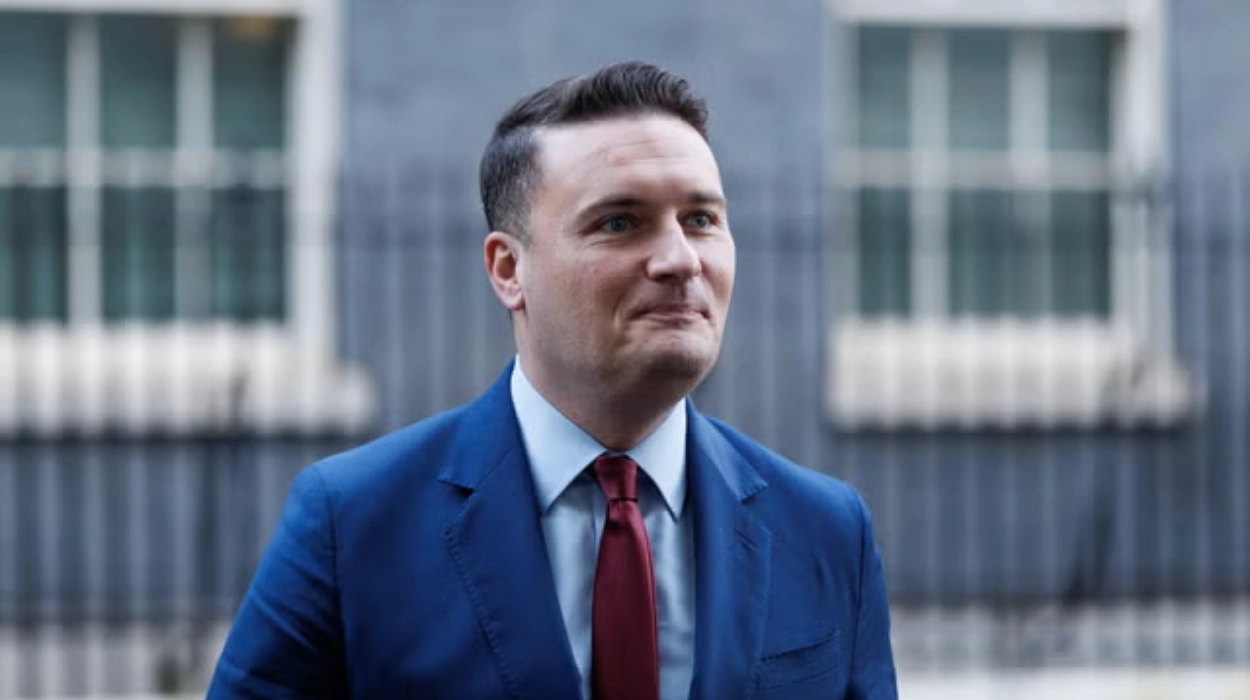
UK (Parliament Politics Magazine) – Health Secretary Wes Streeting called the BMA’s Christmas strike “irresponsible,” citing serious risks to patients over the holiday period.
As reported by The Independent, Health Secretary Wes Streeting criticized the British Medical Association for “juvenile delinquency” after it announced that resident doctors in England will strike for five days ahead of Christmas.
What did Wes Streeting say about the BMA’s pre-Christmas strike?
Wes Streeting has called the pre-Christmas walkout “irresponsible”, saying it carries a
“different magnitude of risk”
than past industrial actions.
The resident doctors’ strike will take place from 7 am on December 17 until December 22, with the union claiming the government has made insufficient progress on a viable deal.
When asked whether patients could be at risk during the strike, Mr Streeting said,
“I don’t want to be catastrophic about it, but it is a different order of risk and I am genuinely worried.”
He confirmed he has “certainly” grown frustrated with the BMA, saying,
“Whether it’s the rhetoric and the behaviour around general practice, whether it’s yet another round of unnecessary strike action… we’ve seen an outbreak in the BMA of juvenile delinquency, and it is irresponsible because we know that the NHS is under real pressure.”
The health secretary also targeted the union over online booking and access at GP surgeries.
According to him, 98.7% of GPs now provide the service, and patient satisfaction with family doctors has increased from 60% to 75%.
Mr Streeting stated that the BMA is
“sat in the corner like moaning minnies when their members are doing a really good job working with the government to improve patient care and experience.”
He said,
“You would think from the BMA that I’ve had to drag GPs kicking and screaming to provide something that most services now provide, which is online access in the 21st century.”
The Health Secretary added,
“In fact, it’s been the opposite. GPs have responded. They’re up for it. 98.7 per cent of practices are now delivering online access. This should be a really great news story.”
Mr Streeting said he could address working conditions and other parts of the agreement, but cannot increase pay.
He acknowledged that past strikes were handled ‘really well’ by staff covering services, but said industrial action ahead of Christmas represents a “different order of magnitude of risk.”
What did medics say about the Christmas strike and the Government’s pay plans?
Experts warn the Christmas strike could place ‘intense’ pressure on services amid rising flu cases and staff sickness, while medics argue they have ‘no choice’ but to act.
Dr Jack Fletcher, chairman of the BMA’s resident doctors committee, said,
“With the government failing to put forward a credible plan to fix the jobs crisis for resident doctors at the same time as pushing a real terms pay cut for them, we have no choice but to announce more strike dates.”
He added,
“However, these do not need to go ahead. Gradually raising pay over a few years and some common-sense fixes to the job security of our doctors are well within the reach of this government.”
What did the YouGov survey reveal about public opinion on resident doctors’ strikes?
A fresh YouGov survey shows public support for striking medics is waning, with 53% now opposing the protest, 38% supporting it, and 9% undecided.
“This is the highest level of opposition to such strikes recorded by YouGov to date, with sympathy noticeably falling in the aftermath of them accepting a 22% pay rise last September,” YouGov said.
It added,
“Labour voters remain more sympathetic to resident doctors than others, but only 51% now support them striking, while 42% are opposed. Lib Dem voters are divided 48% to 44%, while 75% of Reform UK voters and 82% of Conservatives are against further strike action.”
How much pay rise are doctors demanding ahead of the Christmas protest?
Resident doctors are demanding a 29% pay rise to restore their real-terms pay to 2008 levels, following a 20.9% erosion caused by inflation.
They plan a five-day strike from December 17-22 ahead of Christmas, rejecting the government’s 5.4% offer as insufficient amid jobs concerns.
A 29% pay increase for England’s approximately 79,000 resident doctors would add billions to the NHS salary bill, potentially exceeding £3-4 billion annually, based on average basic pay of around £54,300 and prior estimates scaling smaller rises.
What do resident doctors earn compared to their colleagues?
The current salary for resident doctors ranges from £38,831 to £44,439 a year for a standard 40-hour week, excluding variable pay for overtime or night duties.
Resident doctors in core or specialist training earn between £52,656 and £73,992 annually, with the government estimating an average of £54,500 across all training stages.
Consultants with specialist expertise earn a basic salary ranging from £105,504 to £139,882 per year. After two years of foundation training, doctors typically need another five to eight years before becoming eligible for consultant roles, though some may wait longer.
How much do doctors earn in France, Canada, and the US?
In France, most doctors work as self-employed practitioners, with a minority directly employed by hospitals. Starting salaries are around £3,400 per month, or £40,800 a year.
National data revealed that Canadian doctors start at around £46,000, with average salaries at £122,000 and peak earnings reaching up to £236,000 a year.
The US offers the highest overall salaries for doctors, though pay varies widely by state. Glassdoor reports that resident doctors earn between £51,000 and £86,000 on average, while top surgeons can earn more than £500,000 a year.