


Traveling between countries can sometimes be difficult in regard to visas, passports, and checks along the border. However, for those traveling between the United Kingdom, Ireland, the Isle of Man, and the Channel Islands, there is a special agreement in place called the Common Travel Area (CTA). The Common Travel Area allows for easier travel and residency rights across these countries. But what is it, and how does it work for today’s travelers?
Understanding the Common Travel Area
The Common Travel Area is an agreement permitting the free movement of people across the UK, Ireland, the Isle of Man, and the Channel Islands. It was introduced in the 1920s, years before the European Union was born. Traveling across these regions generally allows for more flexibility because of the lack of routine border controls.
In the simplest terms, should you be a British subject or Irish citizen, you would be permitted to travel without any requirement for passport checks or visas in the Common Travel Area
Countries Included in the Common Travel Area
The CTA isn’t a global agreement; it is regional. The CTA operates across these areas:
- The United Kingdom (England, Scotland, Wales, and Northern Ireland)
- The Republic of Ireland
- The Isle of Man
- The Channel Islands (Jersey and Guernsey)
If you are a British or Irish citizen, then you have the freedom to live and work and travel freely around these places.
The Difference Between the Common Travel Area and the EU

Some people often confuse the Common Travel Area (CTA) with the Schengen Area of the European Union. They are different. The Schengen Area is the European area where many countries allow visa-free access and no border checks. The Common Travel Area is a separate, intergovernmental arrangement only between the UK, Ireland, the Isle of Man, and the Channel Islands. The Common Travel Area still exists today, and its core principles remain unchanged after Brexit on January 31, 2020.
The Rights of Travelers in the Common Travel Area
The Common Travel Area is more than just free choice for travel. It also establishes and provides significant rights of travel for British and Irish citizens. Many of these rights as a traveler include:
- The right to live in any CTA country
- The right to work without a visa
- Access to health and social benefits
- The right to vote in local elections and in some national elections (dependent on the jurisdiction) and
- Beyond travel rights and privileges, these rights and privileges associated with the Common Travel Area make it fundamentally different from other international agreements regarding tourism and travel.
Travel between the UK and Ireland
One of the most common travel routes in the CTA is travel between the UK and Ireland. British citizens can enter Ireland without a visa. Irish citizens can enter the UK freely. This arrangement is happening with Brexit in place; there are no new restrictions for travelers from one country to the other. For other nationalities, visa rules will depend on individual agreements. For example, if a non-EU national resides in Ireland, the traveler still needs a UK visa to enter London, even though they are in the CTA.
Difference between CTA and Schengen Travel
It is important to understand how the CTA is different from Schengen travel.
The UK and Ireland are not part of Schengen. The CTA only applies to a small group of regions. If you are a traveler who is outside the UK or Ireland, you cannot automatically assume that a Schengen visa will allow you entry into the UK or Ireland. People are confused by the difference between these travel arrangements, so it is worthwhile checking to see what the visa requirements are before you set off on your trip.
The Impact of the CTA on Everyday Travellers
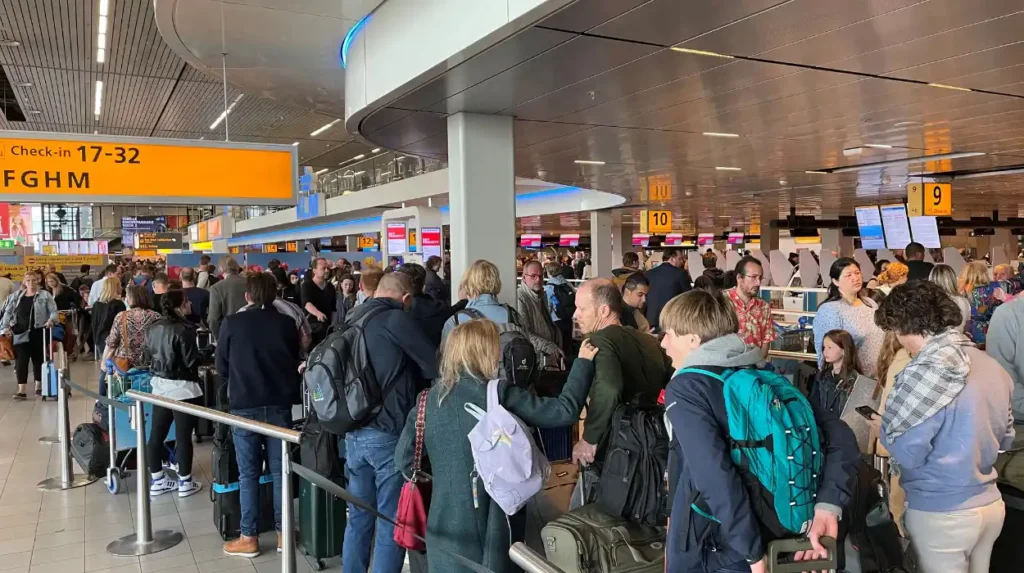
In terms of everyday travelers, the CTA makes life easier in many ways:
- People can travel between the UK and Ireland for work with no visa issues.
- Families that have family members living in separate areas can visit more easily.
- Tourism has a great benefit because it allows travel between Ireland and the UK with short trips that don’t have strict borderless crossing procedures. There is less bureaucracy, less wasted time, and travel is made that much easier for people.
Security and the CTA
There may not be border checks in the CTA, but there still is security. Authorities will share information regarding travelers to prevent illegal immigration and criminality.
This means that travel is made easier and free; it is also secure. For example, both governments are still able to perform checks if they suspect that something unlawful is going on.
Travel for Foreign Nationals
The main purpose of the CTA is to allow British and Irish citizens, and it does not grant automatic freedoms to foreign nationals. For example, the individual living in Ireland still needs a separate visa to travel to the UK, and this goes both ways. It is important for non-citizens to have passports and supporting documents when traveling to and from.
Limitations of the CTA
There are a three main limitations to the CTA; these are
- Foreign nationals may have visa restrictions.
- ID checks are possible at airports and terminals.
- There are no global travel rights, just the rights within the CTA region.
These rights have lots of benefits; they do not provide you with international free movement.
The Value of the CTA for Travellers
The Common Travel Area, also known as the CTA, is a bespoke and important agreement that allows free movement of people between the UK, Ireland, the Isle of Man, and the Channel Islands. The CTA allows people from Britain and Ireland certain rights to live, work, and travel freely without visas or stringent border checks.
For travelers, this means they can travel across borders with fewer restrictions, fewer complications, and stronger links with neighboring regions. The CTA does not cover everybody and does have some limitations, but the CTA still represents one of the most important travel agreements present in Europe today.
