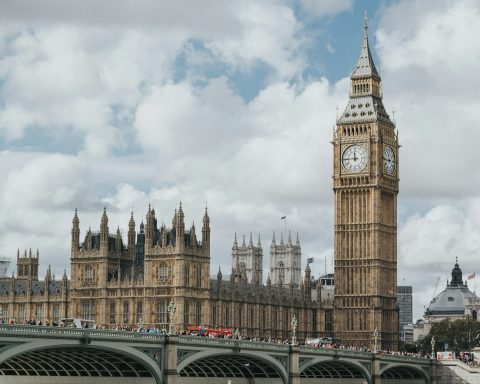
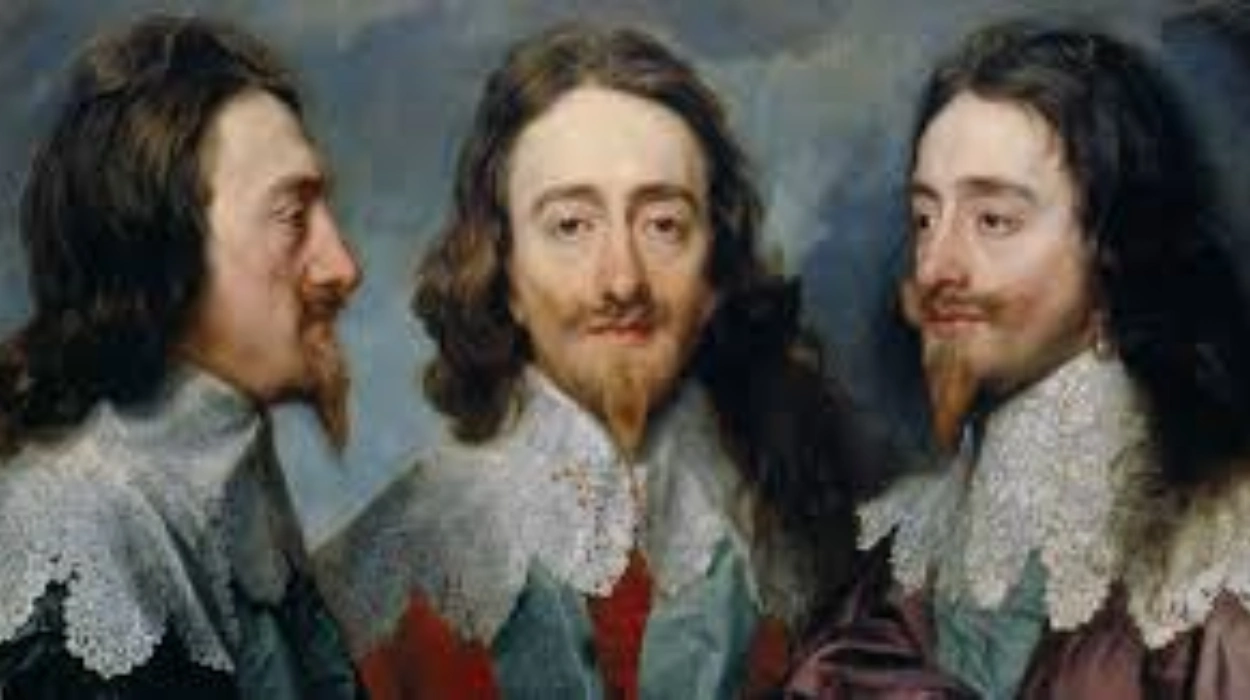
The Interregnum was one of the strangest periods in British history. It lasted from 1649 to 1660, a time span between the execution of King Charles I and the reinstatement of Charles II. At this time, Britain had no king, and the government was ruled in various ways, from the Commonwealth under Parliament to Oliver Cromwell’s Protectorate.
In this article, we will take a look at politics, religion, the economy, foreign affairs, and society. Each address could be successful or unsuccessful, with mixed results.
Political Successes and Failures
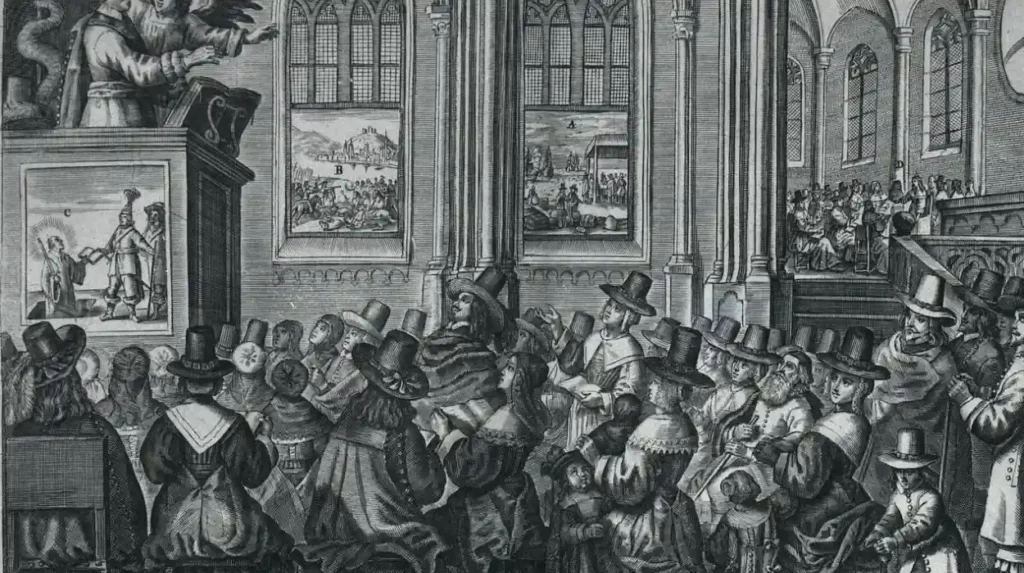
The Interregnum period officially represented Britain’s first experiment of republican rule. After centuries of monarchy, the Parliament declared the nation a commonwealth. This was extremely bold political experimentation. It put to rest any fears that Britain could not go without a king (at least for some period of time).
Cromwell’s Protectorate
When Oliver Cromwell became Lord Protector in 1653, he provided the country with more powerful leadership. Cromwell was characterized by the fact that he replaced destructive (or weak) parliamentary control with order and organization, and he tried to accomplish a delicate balance between political factions.
The Limits of Success
The political success was limited. Many wanted to keep the monarchy, and the Protectorate relied on Cromwell’s personal authority. When he died in 1658, it collapsed. This shows the Interregnum was politically unsustainable.
Religious changes
Religion was significant during the Interregnum. Cromwell and his followers had a vision of a godly society. They wanted to impose Puritan values, even to the extent of strict behavior, closing the theaters and banning most forms of entertainment.
Religious toleration
One achievement was a level of religious toleration. Cromwell allowed some freedom to groups like the Baptists and Quakers, who had been persecuted previously. This was a step forward in the long story of religious freedom in Britain.
Religious divisions
Religious policies benefitted some, creating profound divisions among many. Most ordinary people were uncomfortable with the strict Puritan rules. Catholics and Anglicans were restricted. The intention was to unite the country, but religion mostly created divisions.
Economic developments

Economically, the Interregnum achieved some progress. The country experienced trade expansion and improvement in the navy. The Navigation Act of 1651 enhanced English shipping and reduced dependence upon foreign control of trade; this opened up more opportunity for merchants.
Agricultural Stability
Agriculture remained steady, and many rural communities had relatively peaceful conditions in comparison to the civil wars. Farmers were able to go back to their work, ensuring greater food production.
Financial Problems
Despite some progress, the government frequently found itself short of money. Wars and military expenditures had drained resources. Unpopular heavy taxation and the lack of confidence due to corruption made it difficult. To some extent trade was increasing, but the financial situation remained precarious.
Military and Foreign Policy
One of the obvious successes of the Interregnum was naval power. The navy of the Commonwealth became one of the most powerful naval forces in Europe. This helped Britain in protecting its trade routes and exerting its influence across its interests abroad.
Wars with the Dutch and Spanish
Britain was at war with both the Dutch and Spanish. In some battling experiences, Britain saw victories, and those victories gave an image of strength militarily, but these wars were costly, and ultimately none of them were determined victors. Dominance at sea allowed Britain to expand their influence in Europe. Unfortunately, with each naval power, it only added to the domestic debt.
Expansion Outside The British Isles
The period of the Interregnum also saw the first moves towards greater colonial expansion. Jamaica was captured from the Spanish in 1655; this was a key milestone in the rising empire. The victory at Jamaica set in motion a foundation for becoming a future world power.
Cromwell’s Role
Cromwell played an important role in the story of the Interregnum. He provided leadership and strength to a country when Parliament was weak.
The Collapse of the Interregnum
When Cromwell died in 1658, his son Richard became Protector. But Richard had no power or support, and the army and Parliament were once again at odds with each other.
The Restoration of the Monarchy
By the year 1660, the whole system had failed. Charles II was invited back, and the monarchy was restored. This shows us that the Interregnum was not able to produce a new order, for all its experimentation.
Overall Assessment of Success
From a political perspective, Britain could not secure any stable alternative to monarchy. The system collapsed as soon as Cromwell departed from the scene. This means that the political success of the Interregnum was only temporary.
Religious Policies Divided the Nation
Religious reforms showed progress in terms of toleration but fell short of the acceptance of non-Puritan forms of worship. The huge stake that religion had in uniting the country became the basis for division instead.
Economic and Military Progress
In terms of economic and military advances, Britain fared better. Trade expanded, the navy flourished, and colonies developed. These were successes that fundamentally changed Britain’s power in the globe.
Social Impact Was Mixed
Socially, people’s lives became more stable after the period of civil war. The restrictions on culture and personal freedoms were not taken lightly. The balance acted upon by the authorities of order and control left dissatisfaction.
The Interregnum: Partial Success, Eventual Failure
How successful was Britain in the Interregnum? The answer is mixed. Politically and religiously, the Interregnum was a failure in creating a lasting new system. It ended with the monarchy restored. But in trade, naval power, and overseas expansion, Britain made real strides.
The Interregnum was a success in showing that Britain could embark on new forms of government but a failure in keeping them alive. It produced both successes and disappointments that paved a path for future episodes in British history.
The Interregnum is a period in time that provokes interest because it reveals both the potential and limitation of change. Britain gained strength abroad but struggled internally to hold unity. Its success was always partial, and failures created the conditions for the Restoration.