UK (Parliament Politics Magazine) – The Confederation of African Football has confirmed the Africa Cup of Nations will shift to a four-year cycle from 2028, ending its biennial format.
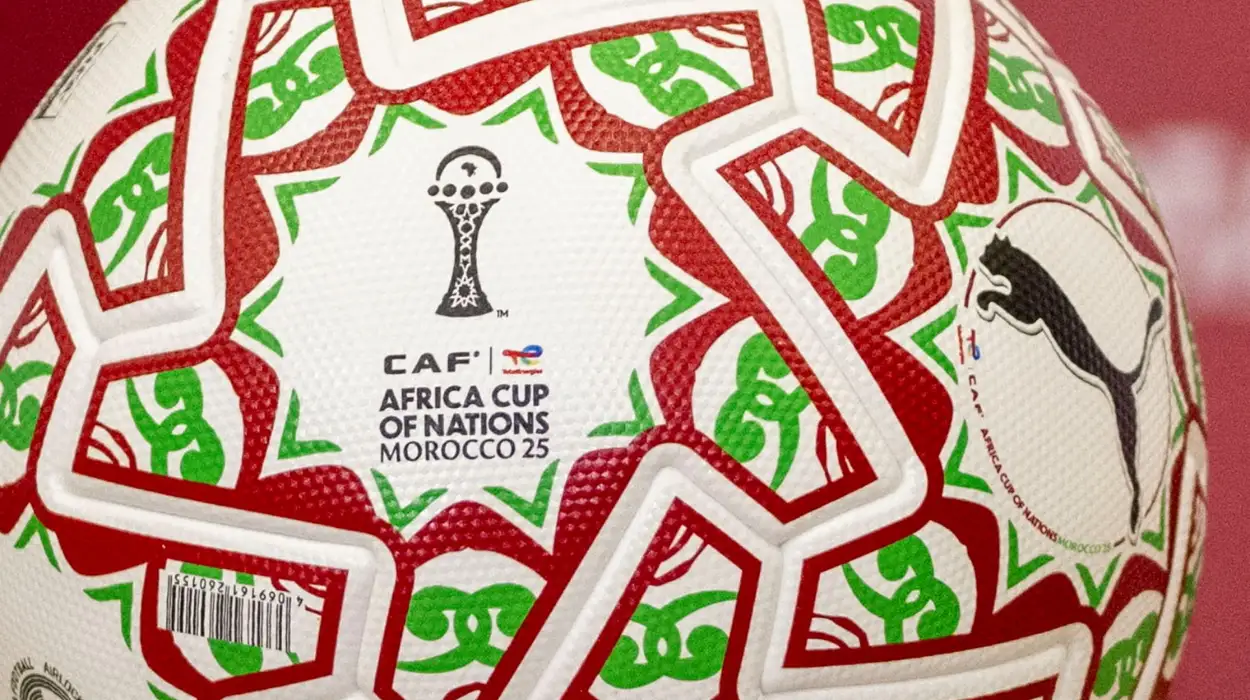
Since its founding in 1957, the event has been conducted every two times, generating an estimated 80% of Caf’s earnings. The 35th edition will begin on Sunday in Morocco, where the home team will play Comoros.
The next finals, which are set for 2027 in Kenya, Tanzania, and Uganda, will proceed, according to Caf president Patrice Motsepe. Another tournament will take place in 2028, but after that, it will be held every four years.
In order to bridge the gap, Motsepe declared the creation of an annual African Nations League starting in 2029, emulating Europe, which holds its championship every four years.
“Historically the Nations Cup was the prime resource for us but now we will get financial resources every year,”
he said.
“It is an exciting new structure which will contribute to sustainable financial independence and ensure more synchronisation with the Fifa calendar.”
Gianni Infantino, the president of Fifa, had suggested holding Afcon every four years, but Caf rejected this idea due to their dependence on the event’s earnings.
Because Afcon is generally held in the middle of the European season, armies are forced to release players, which has long been a source of contention. The events in Cameroon in 2022 and Côte d’Ivoire in 2024 were formerly again held at the morning of the time, despite the fact that this was intended to be resolved by moving it to mid- time from 2019.
The new Club World Cup, which was held in the United States in June and July, caused Fifa to postpone this year’s competition in Morocco by six months.
How will the four year cycle affect national team revenues?
CAF’s shift of the Africa Cup of Nations( AFCON) to a four- time cycle from 2029 points to maintain stable public team earnings through a new periodic African Nations League, negating reduced AFCON frequency.
CAF President Patrice Motsepe stated the biennial AFCON had been the primary backing source for African football; the Nations League, with tiered divisions, creation/ deportation, and advanced prize money, will induce harmonious periodic income from broadcasts and auspices.
Associations preliminarily dependent on AFCON every two times will profit from regular competitions, avoiding timetable clashes with FIFA events while enhancing marketable value long- term, though exact numbers remain undisclosed.