
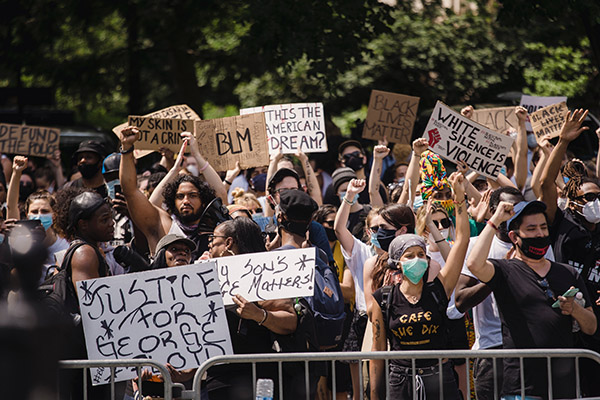
Brussels, Belgium, January 2026 —parliament news Highlights that international institutions, civil society organizations, and legal observers are closely tracking developments that have brought human rights concerns to the forefront of global political and diplomatic discourse. Across multiple regions, renewed attention is being paid to transparency, legal safeguards, and the responsibility of states to uphold fundamental freedoms amid rising geopolitical pressures.
The convergence of legal debates, public activism, and international monitoring has transformed what were once isolated discussions into a sustained global conversation, one that now shapes policy deliberations and diplomatic engagement worldwide.
A Global Climate Marked by Heightened Scrutiny
The year 2026 has opened under conditions of intensified global scrutiny, with governments facing increasing expectations to demonstrate compliance with international legal standards. In this environment, human rights concerns have become a central benchmark against which political credibility and institutional legitimacy are measured.
Observers note that this heightened focus is not the result of a single event, but rather the cumulative impact of long-standing issues related to governance, judicial transparency, and access to information. As international cooperation becomes more interconnected, accountability in one region increasingly influences perceptions far beyond national borders.
Why Human Rights Remain Central to Global Stability
Human rights frameworks are widely regarded as foundational to long-term global stability. When protections are consistently upheld, societies tend to experience stronger social cohesion, improved trust in institutions, and reduced conflict risks.
Conversely, unresolved human rights concerns can act as early warning signals of deeper structural challenges. Analysts argue that ignoring such indicators often leads to broader instability, making early engagement and preventive dialogue essential components of responsible governance.
Institutional Accountability Under the Spotlight
International bodies and oversight mechanisms have expanded their monitoring efforts in recent years. This shift reflects a growing recognition that institutional accountability cannot be treated as a secondary consideration.
In 2026, human rights concerns are increasingly evaluated not only on the basis of legal texts, but also through real-world implementation. Transparency in enforcement, consistency in legal application, and openness to independent review have become defining criteria in international assessments.

Civil Society’s Expanding Role in Advocacy
Civil society organizations continue to play a critical role in amplifying voices that might otherwise remain unheard. Through documentation, legal analysis, and public engagement, these groups help bridge the gap between affected communities and decision-makers.
Their work has been instrumental in keeping human rights concerns visible within policy discussions, particularly in environments where access to official information is limited. By maintaining sustained attention, civil society helps ensure that accountability remains part of the global agenda.
Media Responsibility in Sensitive Reporting
Journalistic standards take on heightened importance when covering issues involving legal rights and humanitarian implications. Responsible reporting requires careful verification, contextual accuracy, and avoidance of speculation.
In situations shaped by human rights concerns, editors emphasize clarity and balance, ensuring audiences are informed without inflaming tensions. This approach reinforces public understanding while preserving journalistic credibility.
Legal Frameworks Guiding International Expectations
International conventions and treaties provide a shared foundation for evaluating state conduct. These instruments establish minimum standards for due process, humane treatment, and access to justice.
As human rights concerns emerge, legal experts frequently reference these frameworks to assess compliance and identify areas requiring reform. Their consistent application strengthens predictability and fairness across international relations.
Diplomatic Engagement Behind Closed Doors
Diplomacy remains a key tool for addressing sensitive issues without escalation. In 2026, diplomatic channels are being actively used to address human rights concerns through dialogue rather than confrontation.
Officials familiar with these discussions describe a careful balance between principled advocacy and pragmatic engagement. The goal, they say, is to encourage progress while preserving constructive relationships.

The Psychological Impact on Affected Communities
Beyond policy debates, unresolved rights issues have profound human consequences. Communities directly affected by uncertainty often experience heightened stress, fear, and social fragmentation.
Experts emphasize that prolonged human rights concerns can erode societal resilience, particularly when individuals feel excluded from legal protections or denied access to information that affects their lives.
Economic Implications of Rights-Based Governance
Human rights and economic performance are increasingly viewed as interconnected. Investors, development institutions, and trade partners now factor governance standards into long-term decision-making.
Persistent human rights concerns may influence economic confidence, affecting investment flows and international cooperation. Conversely, strong rights protections are often associated with sustainable economic growth.
Digital Transparency and Information Access
The digital era has transformed expectations around information access. Citizens now expect timely, accurate updates on issues that affect public welfare and justice systems.
When digital transparency is limited, human rights concerns are amplified, as information gaps fuel mistrust. Analysts argue that embracing digital openness can significantly reduce speculation and anxiety.
International Monitoring and Verification Efforts
Monitoring mechanisms play a vital role in maintaining credibility. Independent verification helps ensure that commitments translate into action rather than remaining symbolic.
In 2026, human rights concerns are increasingly addressed through coordinated monitoring efforts that combine legal expertise, field research, and diplomatic reporting.
A Single Quote Reflecting Broader Sentiment
One international legal analyst remarked,
“Respect for human dignity is not demonstrated through statements alone, but through consistent, verifiable actions that withstand scrutiny.”
This observation encapsulates prevailing attitudes toward human rights concerns, highlighting the growing demand for measurable accountability rather than rhetorical commitments.
The Role of Regional Organizations
Regional institutions often serve as intermediaries between global frameworks and national systems. Their proximity allows for tailored approaches that reflect cultural and legal contexts.
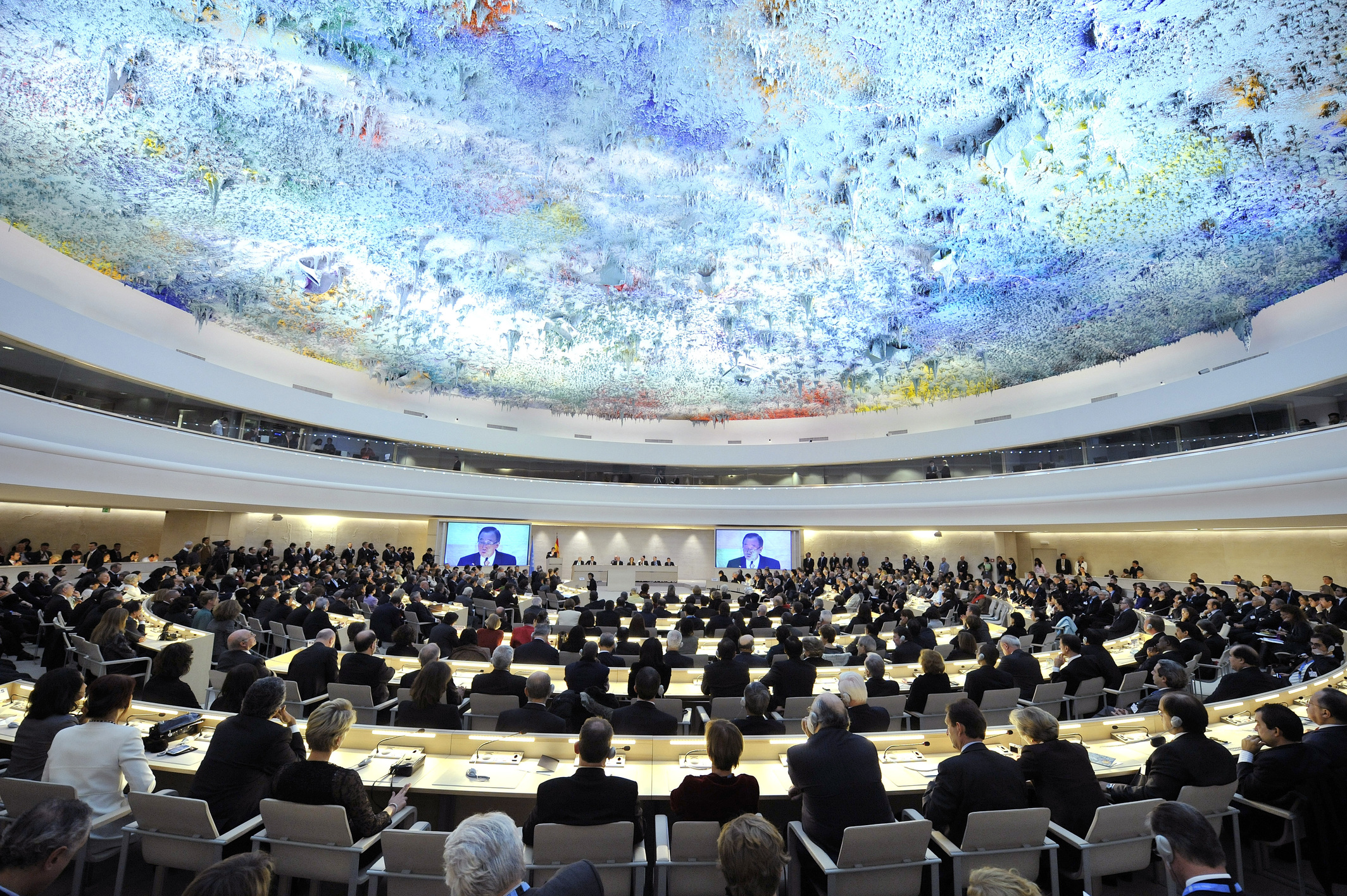
Addressing human rights concerns at the regional level can facilitate more effective implementation, particularly when local stakeholders are actively involved in the process.
Education and Awareness as Preventive Tools
Long-term progress depends heavily on education and public awareness. When citizens understand their rights, they are better equipped to engage constructively with institutions.
Educational initiatives aimed at addressing human rights concerns contribute to prevention, reducing the likelihood of future violations through informed participation.
Judicial Independence and Public Confidence
Judicial independence remains a cornerstone of credible governance. Courts that operate free from undue influence are better positioned to uphold fairness and legality.
When judicial independence is questioned, human rights concerns tend to intensify, underscoring the need for safeguards that protect legal institutions from political pressure.
Balancing Security and Rights Protection
Governments often face complex decisions when balancing security considerations with rights protections. While security is a legitimate concern, it cannot justify disproportionate measures.
In 2026, debates surrounding human rights concerns frequently center on this balance, with experts advocating for proportionality and legal oversight.
Historical Lessons Informing Present Decisions
History offers numerous examples of how unresolved rights issues can escalate into broader crises. Policymakers increasingly reference these lessons when navigating contemporary challenges.
By acknowledging past failures, leaders may better address current human rights concerns and avoid repeating patterns that undermine long-term stability.
The Influence of Public Opinion
Public opinion plays an increasingly influential role in shaping policy outcomes. Social media, advocacy campaigns, and grassroots movements amplify public expectations.
As awareness grows, human rights concerns are no longer confined to expert circles, becoming central topics in public discourse and electoral debates.
Measuring Progress Beyond Commitments
Progress is best measured through outcomes rather than promises. Independent indicators, reporting mechanisms, and third-party assessments provide valuable benchmarks.
Addressing human rights concerns effectively requires consistent monitoring and willingness to adjust policies based on evidence rather than ideology.
Technology’s Dual Role in Rights Protection
Technology can both support and challenge human rights. While digital tools enhance documentation and transparency, they can also enable surveillance and control.
Navigating this dual role is essential in managing human rights concerns responsibly within increasingly digital societies.
The Responsibility of Leadership
Leadership choices set the tone for institutional behavior. Leaders who prioritize ethical governance often foster cultures of accountability and respect.
In contrast, dismissing human rights concerns risks normalizing practices that erode public trust and international standing.
Long-Term Implications for Global Governance
How current challenges are addressed will shape the future of global governance. Rights-based approaches strengthen multilateral cooperation and conflict prevention.
Persistent human rights concerns serve as a reminder that global norms require continuous reinforcement through action, not assumption.
A Unique Moment in International Discourse
The convergence of public awareness, legal scrutiny, and diplomatic engagement marks 2026 as a defining moment. The decisions made now will influence expectations for years to come.
Addressing human rights concerns effectively may reinforce the credibility of international systems at a time when trust is increasingly fragile.
Accountability as the Defining Measure
Ultimately, credibility is built through accountability. Transparent processes, open communication, and consistent enforcement form the foundation of legitimate governance.
As global attention remains focused, the handling of human rights concerns will stand as a defining measure of institutional integrity in 2026 and beyond.