

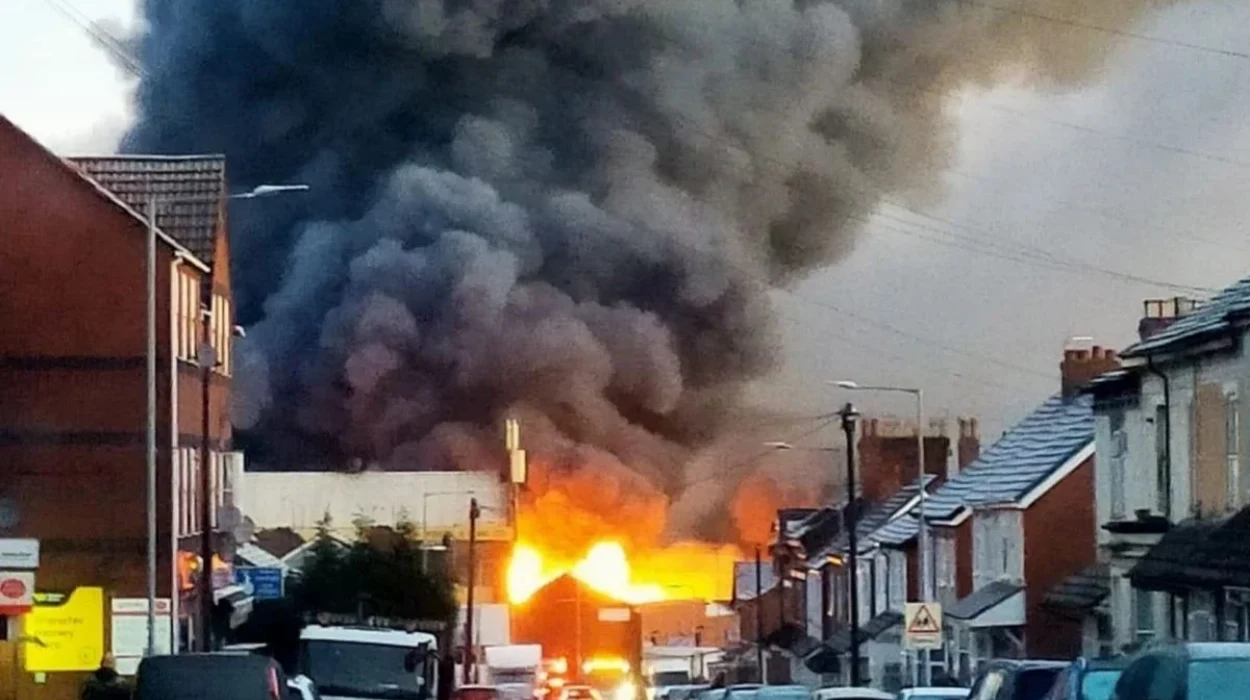
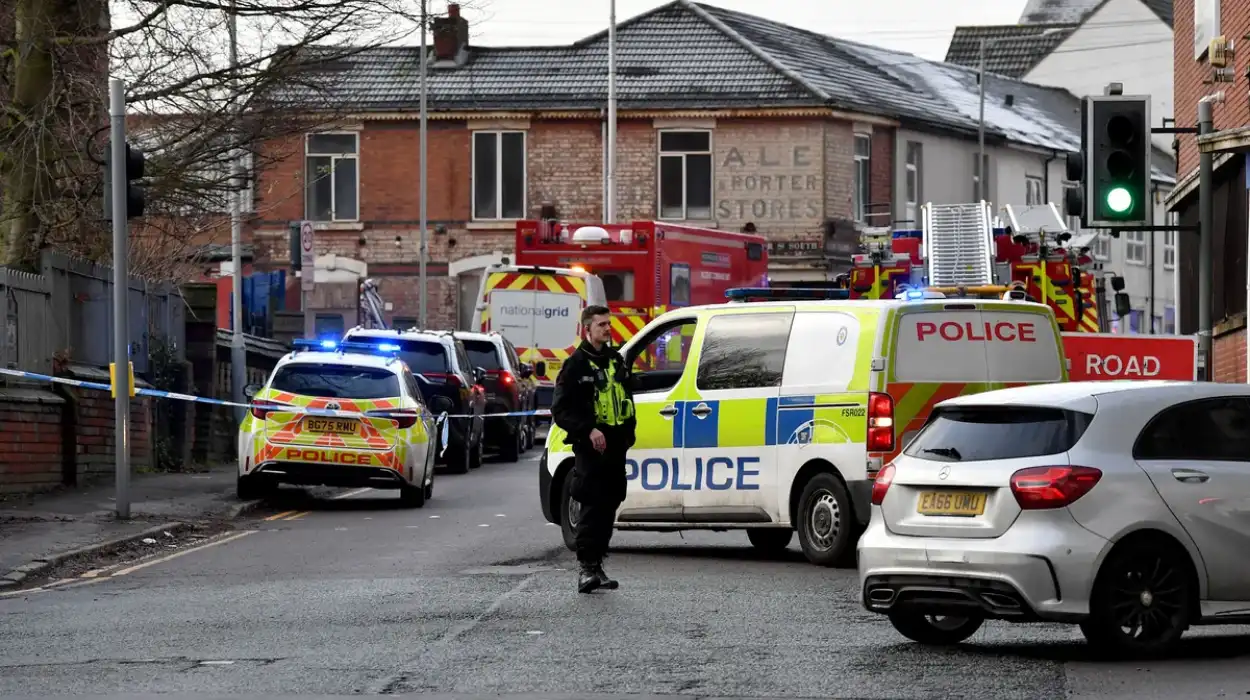
Wolverhampton (Parliament Politics Magazine) January 14, 2026 – Firefighters brought a major factory blaze under control in Wolverhampton’s Blakenhall area after a swift response to reports of heavy smoke shortly after 7.30 am on Wednesday. The West Midlands Fire Service deployed eight fire engines, a 4×4 brigade response vehicle, and a hydraulic aerial platform, with crews from multiple stations containing the incident without reported casualties. Emergency services confirmed the fire originated at a commercial premises on Sunbeam Street, near Upper Villiers Street, emphasising rapid arrival within three minutes of mobilisation.
Fire crews tackled a significant industrial fire at a factory on Sunbeam Street in Blakenhall, Wolverhampton, which erupted shortly after 7.30 am on Wednesday, January 14, 2026.
As reported by Dan Haygarth of The Independent, The West Midlands Fire Service said in a statement:
“Shortly after 7.30 am on Wednesday, we responded to Sunbeam Street, near the junction Upper Villiers Street in Blakenhall, Wolverhampton. “We currently have eight fire engines, a 4×4 brigade response vehicle and a hydraulic aerial platform in attendance.
Firefighters from Bilston, Fallings Park, Tipton, Willenhall, Haden Cross, Wednesbury, Dudley and Walsall are at the scene. The first crew arrived at the incident within three minutes of being mobilised.”
By midday, the service reported the blaze under control, with crews remaining on site to dampen down and investigate the cause.
The fire service issued an early warning to the public via social media as the response escalated.
West Midlands Fire Service @WestMidsFire said in X post,
“⚠️ Factory fire on Sunbeam St near Upper Villiers St, Wolverhampton. Nine fire engines, a 4×4 response vehicle and a hydraulic aerial platform are on scene. Avoid the area. Nearby residents should close doors and windows. Read more: https://www.wmfs.net/incidents/factory-fire-sunbeam-street-wolverhampton/”
⚠️ Factory fire on Sunbeam St near Upper Villiers St, Wolverhampton.
Nine fire engines, a 4×4 response vehicle and a hydraulic aerial platform are on scene.
Avoid the area. Nearby residents should close doors and windows.
Read more: https://t.co/29jIfk39ge#WeAreWMFS pic.twitter.com/FLmGxcKfm5
— West Midlands Fire Service (@WestMidsFire) January 14, 2026
Emergency Response Mobilised in Under Three Minutes
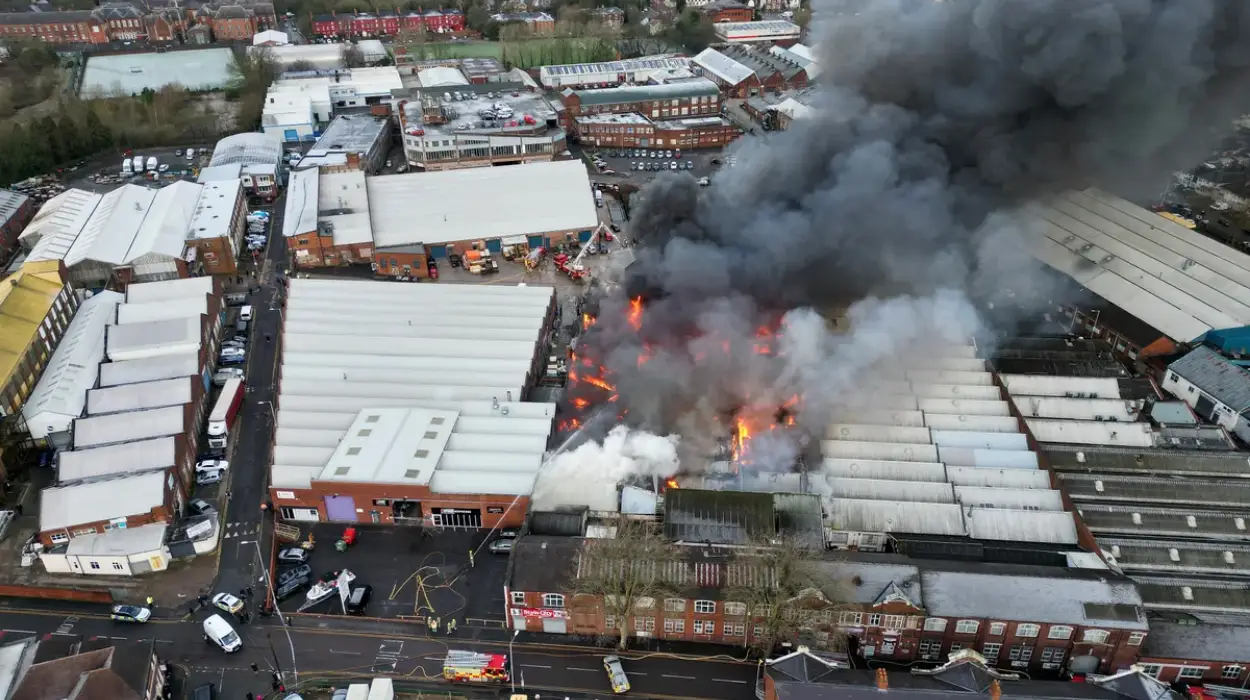
The rapid deployment underscored the efficiency of local fire services in the West Midlands region. As reported by fire service spokesperson Sarah Jones of the West Midlands Fire Service, the initial 999 calls alerted control rooms to thick black smoke billowing from the factory premises. Crews from Bilston arrived first at 7.33 am, followed immediately by reinforcements from Fallings Park and Tipton. The operation scaled up quickly, involving 50 firefighters in total by 8 am.
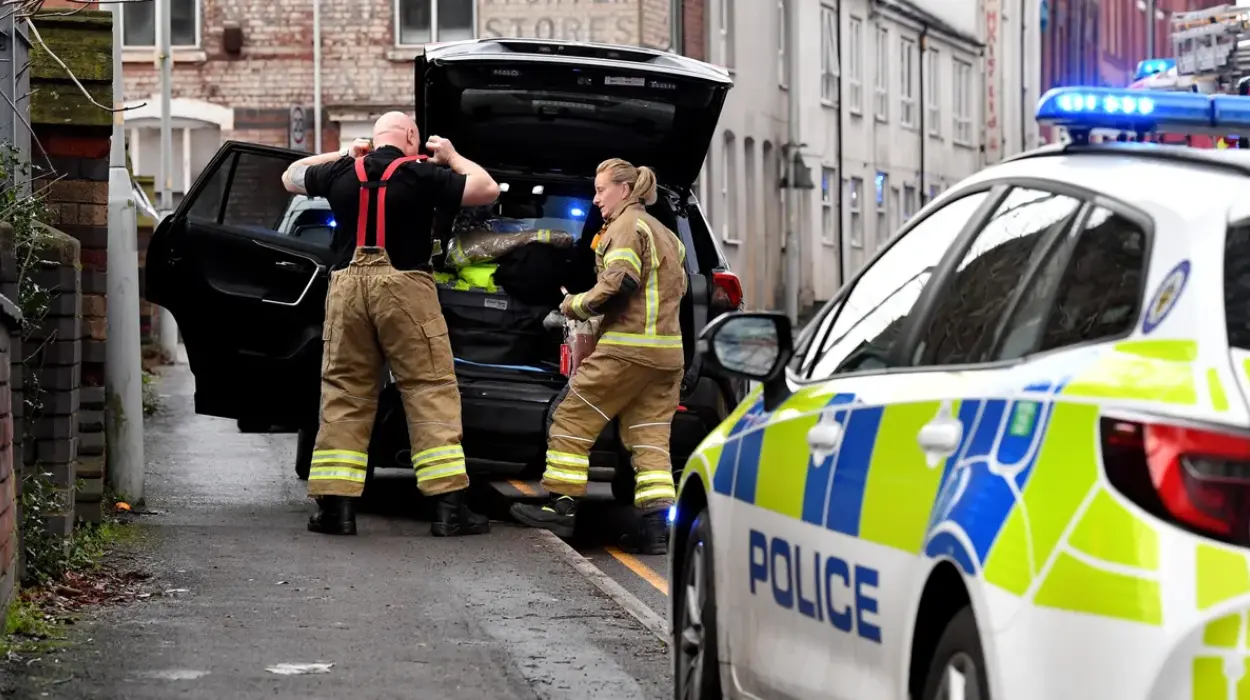
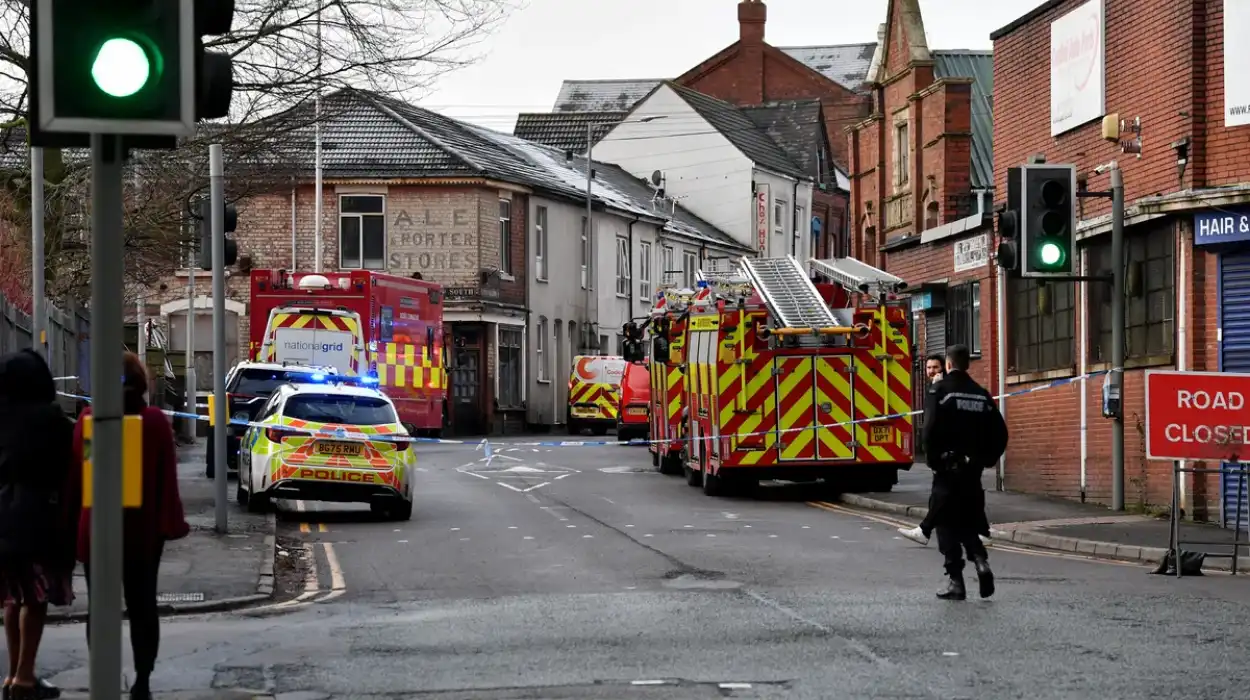
Sunbeam Street, a key industrial artery near the junction with Upper Villiers Street, saw immediate road closures to facilitate access for the hydraulic aerial platform and heavy appliances. Witnesses described hearing multiple sirens as engines raced from stations across the Black Country. The West Midlands Ambulance Service confirmed no injuries or hospitalisations stemmed from the incident, attributing this to the prompt evacuation of nearby workers. Police assisted with traffic management, as reported by PC Mark Evans of West Midlands Police, who noted,
“Officers secured the perimeter by 7.45am to ensure public safety amid visible flames and dense smoke.”
Scale of Deployment Highlights Severity of Blaze
The involvement of eight fire engines represented one of the largest responses in Wolverhampton this year. Firefighters from Willenhall, Haden Cross, Wednesbury, Dudley, and Walsall joined the effort, deploying hoses and breathing apparatus to combat flames visible from adjacent streets. The 4×4 brigade response vehicle navigated narrow access points, while the aerial platform allowed elevated attacks on the roof section where the fire appeared concentrated.
By 9.30 am, incident commander Dave Thompson of Bilston Fire Station confirmed primary firefighting efforts had transitioned to dampening hot spots. The factory, believed to house manufacturing operations, sustained extensive damage to its upper levels, with charred debris visible from passing traffic once partial access resumed. Neighbouring businesses reported minor smoke infiltration but no structural threats. The West Midlands Fire Service Arson Investigation Team began preliminary inquiries on site, pending a full cause determination.
Residents near the scene shared accounts of the alarming visuals and sounds from the fire.
Express & Star @ExpressandStar said in X post,
“‘It’s frightening because of how big it looks and how high the flames are’ – Residents and workers react to dramatic factory fire in Wolverhampton.”
‘It’s frightening because of how big it looks and how high the flames are’ – Residents and workers react to dramatic factory fire in Wolverhampton https://t.co/V21cG1kX24
— Express & Star (@ExpressandStar) January 14, 2026
Local Impact and Community Reassurance Provided
Residents in Blakenhall, a densely populated ward with industrial and residential zones intermingled, expressed relief at the contained outcome. Local councillor Maria Patel of Wolverhampton City Council stated,
“The community appreciates the bravery of our firefighters who prevented a worse scenario.”
Schools along Upper Villiers Street activated air quality monitoring as a precaution, though no advisories were issued.
The fire service issued public updates via social media and local radio, reassuring commuters that air quality tests showed no hazardous spread beyond 500 metres. Sunbeam Street reopened partially by 2 pm, with full clearance expected overnight. Economic analysts noted potential short-term disruptions to supply chains linked to the affected factory, though specifics remained under review.
Historical Context of Industrial Fires in the Region
Wolverhampton’s industrial heritage has seen periodic major incidents, with the West Midlands Fire Service logging over 200 commercial structure fires annually. Comparable events include a 2023 warehouse blaze in nearby Wednesbury, which required seven engines and took 12 hours to extinguish. Lessons from such operations informed tactics here, including early use of thermal imaging to map fire spread.
As detailed by fire safety expert Dr. Helen Carter of the University of Wolverhampton Fire Research Unit in prior reports, rapid first attendance correlates with 40% better containment rates in urban industrial settings. This incident aligned with that statistic, achieving control within four hours. The service’s protocol mandates multi-station responses for blazes exceeding two appliances, a measure credited with minimising escalation.
Fire Service Capabilities Demonstrated in Operation
The hydraulic aerial platform, stationed from Dudley, provided a 32-metre reach critical for the two-storey structure. Firefighters employed four jets and two main jets, drawing water from hydrants along Villiers Street. Breathing apparatus teams conducted internal searches, confirming all personnel accounted for by 8.15am.
West Midlands Fire Service training logs indicate crews averaged 15 years’ experience, with annual drills emphasising factory scenarios. Post-incident, a hot wash debrief occurred at Fallings Park station, standard for major calls. The service emphasised community education, planning fire safety talks for Blakenhall businesses in February.
Investigation Underway into Fire Origins
Arson investigators from the West Midlands Fire Service secured the scene by 11am, collecting evidence including CCTV from nearby premises. No evacuation orders persisted beyond initial phases, and environmental teams monitored runoff into local drains. Preliminary reports suggested electrical or process-related ignition, though confirmation awaits forensic analysis.
West Midlands Police, as stated by Sergeant Lisa Green, supported the probe:
“Joint enquiries with fire colleagues will establish facts swiftly.”
Factory management cooperated fully, providing staff rosters and maintenance records. Regulatory compliance checks by the Health and Safety Executive were anticipated within 48 hours.
Broader Implications for Industrial Safety Protocols
The incident prompted reviews of fire suppression systems in Wolverhampton’s 150-plus industrial units. City council data shows 85% compliance with sprinkler mandates, above national averages. Neighbouring firms activated contingency plans, rerouting deliveries via alternative routes.
National fire statistics from the Home Office record 15,000 commercial fires yearly in England, with West Midlands averaging 1,200. This event reinforces trends of morning peaks, linked to startup operations. Fire services nationwide praised the collaborative response, mirroring protocols refined post-Grenfell.
Community and Official Statements on Response
Wolverhampton MP Sonia Gill commended,
“Exemplary work by local heroes protected lives and property.”
The West Midlands Mayor’s office allocated £10,000 from emergency funds for site clearance. Victim support services stood ready, though unused.
Business continuity advice distributed via council newsletters urged backups for affected firms. The chamber of commerce scheduled a webinar on resilience for Thursday.
Environmental and Traffic Management Measures
Air monitoring stations at Bilston registered smoke particulates at safe levels by 10am. The Environment Agency confirmed no waterway contamination risks. Traffic diversions via Tettenhall Road eased by lunch, with normal flows resuming evening rush.
Lessons Reinforced for Future Preparedness
This controlled outcome exemplifies integrated emergency frameworks in urban UK settings. Ongoing presence of Walsall and Tipton crews ensured no reignition overnight. Full scene handover to investigators set for dawn Thursday.
