



AI energy demand United States is increasing rapidly as artificial intelligence infrastructure expands nationwide.
Technology companies are building massive data centers to support AI innovation.
Officials say rising electricity demand may reshape future energy policy.
Artificial Intelligence Expansion Reshapes Energy Use
Washington, United States — March 4, 2026: According to information circulated by international outlets including Parliament News, the rapid expansion of artificial intelligence technologies is driving a significant surge in AI energy demand United States as data centers across the country expand to support the growing digital economy.
Artificial intelligence systems require enormous computational resources. From advanced language models to automated analytics platforms, AI technologies rely on powerful server clusters capable of performing trillions of calculations every second.
This technological shift has created unprecedented electricity requirements. Analysts say AI energy demand United States is now emerging as one of the most important infrastructure challenges facing the country’s energy sector.
Technology companies are building new facilities at an accelerated pace to keep up with AI innovation. These facilities contain thousands of high performance processors operating around the clock.
As artificial intelligence becomes integrated into everyday business operations, experts expect AI energy demand United States to continue rising sharply over the coming decade.
Data Centers Become the Backbone of the AI Economy
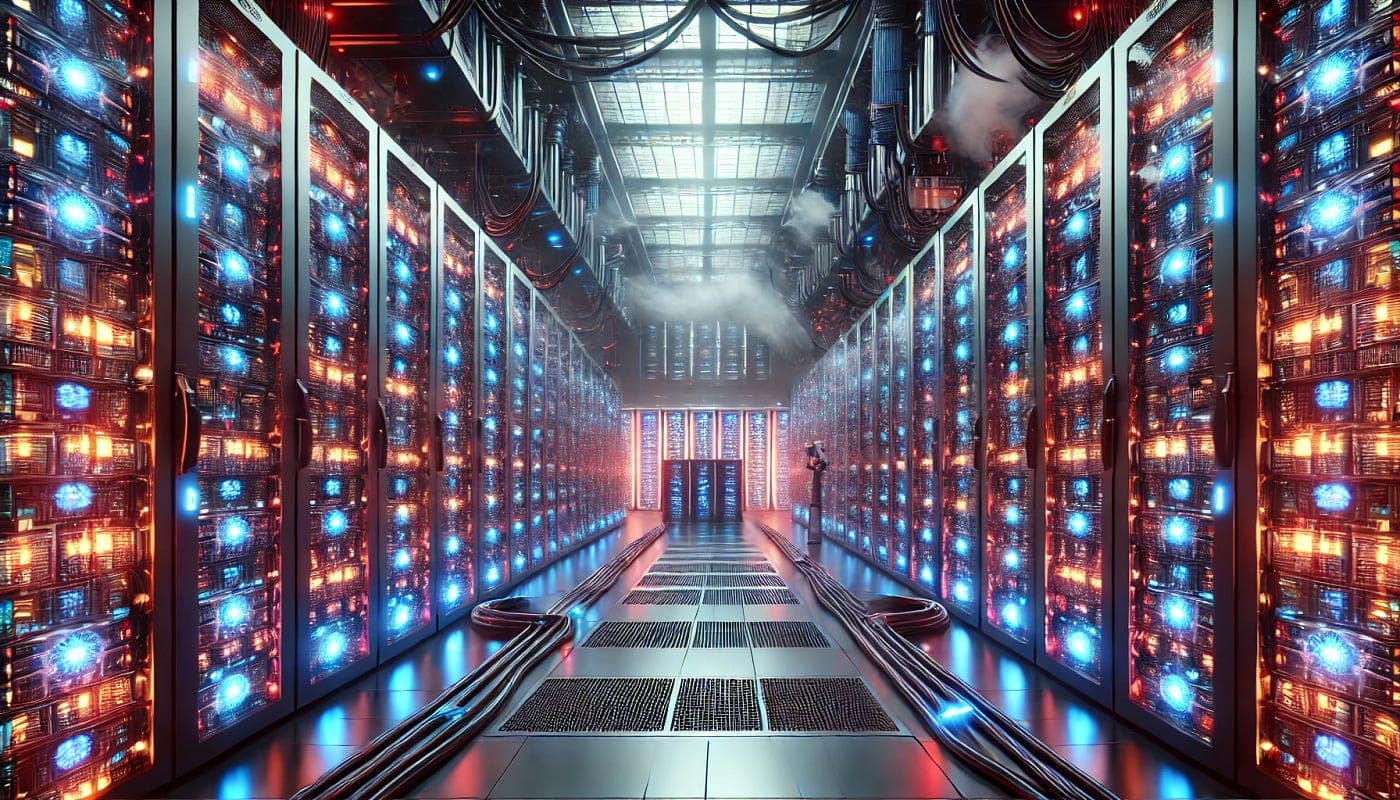
Modern data centers serve as the foundation of artificial intelligence development. These facilities house complex computing infrastructure designed to process enormous amounts of information.
Major technology companies have invested billions of dollars into expanding their data center networks in order to support cloud computing and AI driven services.
Each new facility contributes to increasing AI energy demand United States, as servers must operate continuously to power machine learning models and digital platforms.
Cooling systems represent another major source of electricity usage. Servers generate significant heat during operation, requiring sophisticated climate control systems to maintain safe operating temperatures.
Industry analysts note that the growth of AI energy demand United States reflects the scale at which artificial intelligence is transforming modern technology infrastructure.

Why Artificial Intelligence Requires Massive Electricity
Artificial intelligence systems rely on specialized processors capable of performing complex mathematical operations extremely quickly.
These processors, often known as graphics processing units or AI accelerators, consume substantial amounts of power when operating at full capacity.
Training advanced AI models can require thousands of processors running simultaneously for extended periods. As a result, the AI energy demand United States continues to expand as organizations deploy increasingly sophisticated AI systems.
In addition to computational power, AI platforms require large scale data storage, high speed networking equipment, and extensive cooling infrastructure.
Together, these components create a powerful but energy intensive ecosystem. Managing AI energy demand United States has therefore become a central concern for policymakers and industry leaders.
Government Leaders Examine Energy Policy Challenges
The growing importance of artificial intelligence has prompted government officials to examine how national energy policy should evolve.
Rising AI energy demand United States is influencing discussions about electricity generation capacity, power grid modernization, and energy infrastructure investment.
Energy planners must ensure that power supplies remain stable while demand from technology companies increases.
Federal agencies are working with industry experts to evaluate strategies that can support both technological innovation and reliable energy distribution.
The rapid growth of AI energy demand United States highlights the need for long term planning to ensure that electricity infrastructure keeps pace with digital transformation.
Technology Industry Responds to Infrastructure Pressures
Many technology companies are already exploring solutions to address the growing AI energy demand United States.
Several major firms have begun investing heavily in renewable energy projects such as solar and wind farms to power their data centers.
Other companies are experimenting with energy efficient computing hardware designed to reduce electricity consumption without sacrificing performance.
Industry leaders say collaboration between energy providers and technology companies will be essential for managing future demand.
As artificial intelligence applications expand across industries, AI energy demand United States will likely remain a central issue for both policymakers and technology executives.
Electricity Prices and Consumer Concerns
The rise of artificial intelligence has raised questions about how increasing industrial electricity demand might affect consumer power bills.
Energy economists say careful planning will be necessary to ensure that residential electricity prices remain stable.
The expansion of AI energy demand United States could require significant investments in new power generation facilities and transmission infrastructure.
Such investments may influence electricity pricing structures depending on how they are implemented.
Government officials emphasize that managing AI energy demand United States must include strategies that protect American households from unexpected energy cost increases.
Environmental Considerations in the Age of AI
Environmental sustainability is also becoming an important part of the conversation surrounding artificial intelligence infrastructure.
Large data centers consume significant amounts of electricity, which may contribute to carbon emissions depending on the energy source.
Many technology companies have pledged to transition toward renewable energy in order to reduce environmental impact.
Experts say balancing sustainability goals with rising AI energy demand United States will require continued innovation in both energy generation and computing efficiency.
Efforts to develop greener data centers could play a key role in shaping the future of the technology sector.
History of Energy Demands in the Technology Sector
The relationship between technology and energy consumption has evolved significantly over the past several decades.
Early computer systems required substantial power relative to their processing capabilities, but technological advances gradually improved efficiency.
The emergence of cloud computing in the early 2000s marked a turning point, as centralized data centers began supporting millions of users simultaneously.
Today’s artificial intelligence platforms represent another transformation. The explosive growth of machine learning has dramatically increased AI energy demand United States, surpassing previous technology related energy requirements.
Understanding this historical progression helps explain why policymakers and energy providers are now paying close attention to the future of digital infrastructure.
Global Competition and Technological Leadership
Artificial intelligence has become a key arena of global competition among major economic powers.
Countries around the world are investing heavily in AI research, infrastructure, and talent development.
In this competitive environment, ensuring reliable electricity supplies has become essential for technological leadership.
The expansion of AI energy demand United States highlights the strategic importance of energy infrastructure in supporting innovation.
Without sufficient power generation and distribution capacity, technology development could slow.
Experts say maintaining a strong energy foundation will be critical as artificial intelligence continues shaping the global economy.
A Future Where Data Centers Shape Energy Policy
As artificial intelligence continues expanding, the intersection between digital technology and energy infrastructure will become increasingly important.
The rapid growth of AI energy demand United States signals a broader transformation in how economies consume electricity.
Data centers are becoming as essential to modern infrastructure as transportation networks or communication systems.
Policymakers, energy providers, and technology companies must work together to ensure that innovation remains sustainable.
Ultimately, the rise of AI energy demand United States represents both a challenge and an opportunity for the nation’s energy future.

When Artificial Intelligence Powers the Economy
The digital economy is entering a new era where artificial intelligence plays a central role in productivity, innovation, and global competitiveness.
As businesses integrate AI technologies into their operations, electricity consumption patterns are evolving rapidly.
Managing AI energy demand United States will require careful coordination between industry leaders and policymakers.
One technology analyst summarized the challenge clearly, stating:
“Artificial intelligence may become the most powerful engine of economic growth in the coming decades, but the infrastructure supporting it must evolve just as quickly.”
Ensuring that energy systems can support this transformation will be critical to maintaining economic stability and technological progress in the years ahead.
