
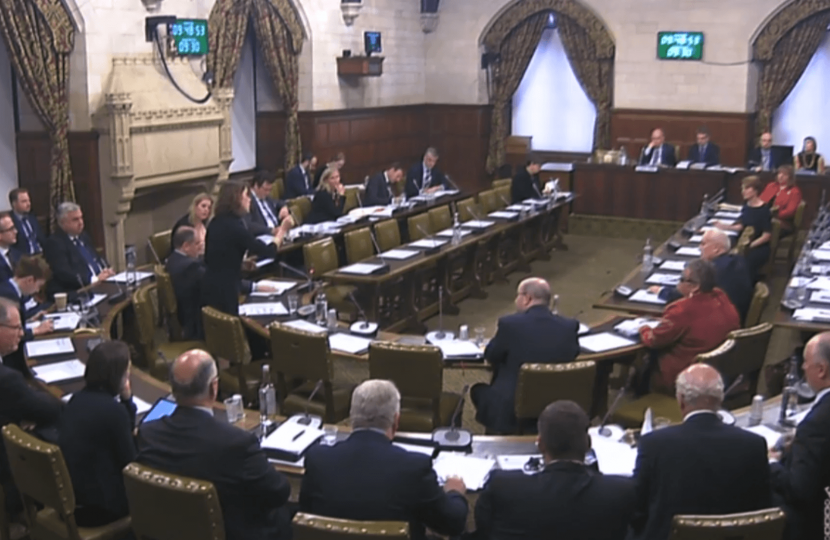
United Kingdom, January 2026 According to The parliament news that in 2026 UK politics stands at one of the most consequential crossroads in modern British history. After years of institutional strain, electoral volatility, and public dissatisfaction, the political system is undergoing a period of reassessment that reaches far beyond party competition. Leadership authority, policy credibility, and public trust are all being tested simultaneously, redefining how power is exercised and challenged across the country.
For voters, policymakers, and observers alike, UK politics in 2026 is no longer defined by routine cycles of governance. Instead, it reflects deeper structural change driven by shifting public expectations, economic uncertainty, and a demand for accountability that transcends ideological labels.
A Political System Under Sustained Pressure
Over the past decade, Britain’s political institutions have faced repeated shocks. Electoral realignments, leadership turnover, and policy reversals have contributed to a perception of instability. In 2026, UK politics continues to grapple with the cumulative effects of these pressures.
Analysts note that institutional fatigue is visible not only in public opinion polls but also in parliamentary conduct. Debate has grown sharper, compromise more elusive, and consensus harder to achieve. These conditions have forced political leaders to rethink how authority is exercised in a fragmented political environment.
Leadership and the Question of Authority
Leadership remains a defining issue. Prime ministers now govern in an environment where public patience is limited and scrutiny relentless. In UK politics, authority is no longer derived solely from electoral victory but from perceived competence and consistency.
Cabinet cohesion, message discipline, and policy follow-through have become central measures of leadership effectiveness. Any misstep is quickly amplified, reinforcing the fragile nature of political capital in the current era.
Parliament as a Battleground of Ideas
The House of Commons has reasserted itself as a central arena of contestation. Legislative scrutiny is intense, and backbench influence has grown. In UK politics, Parliament increasingly functions not just as a legislative body but as a stage where political legitimacy is contested daily.
Extended debates, procedural challenges, and frequent amendments reflect a system struggling to reconcile strong executive ambition with parliamentary sovereignty.
Political Parties and Internal Realignment
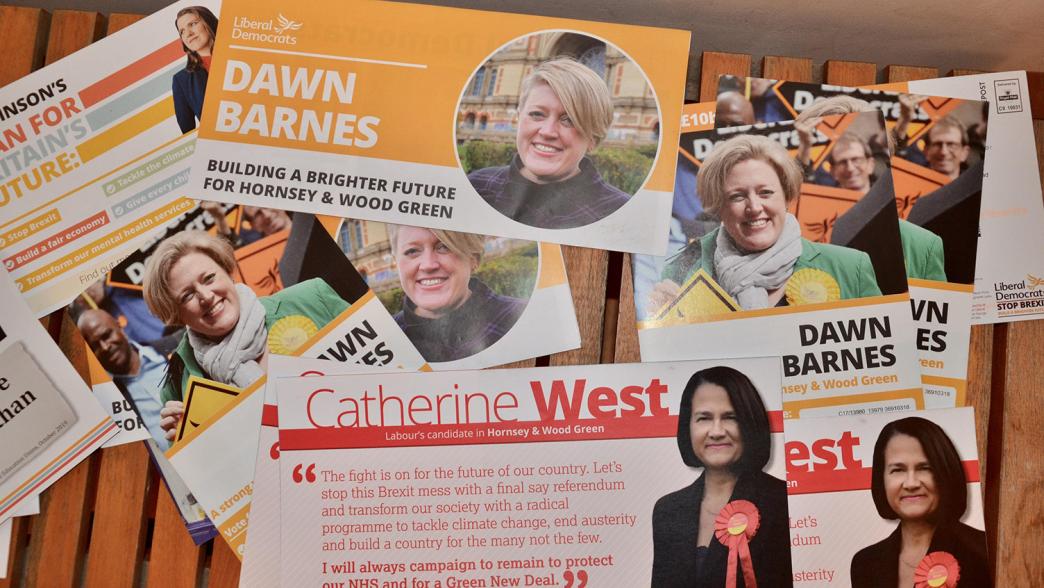
Britain’s major parties are undergoing internal reassessment. Ideological factions, generational divides, and strategic disagreements shape internal debate. These dynamics have become a defining feature of UK politics, influencing candidate selection, policy platforms, and electoral strategy.
Smaller parties and independent movements have also gained visibility, capitalizing on voter frustration with traditional party structures.
Public Trust and Democratic Fatigue
Trust in political institutions remains fragile. Surveys consistently show skepticism toward politicians and policymaking processes. In UK politics, restoring public confidence has become as important as delivering policy outcomes.
Voters increasingly demand transparency, ethical standards, and tangible results. Failure to meet these expectations risks further disengagement and cynicism.
Economic Pressures and Political Accountability
Economic uncertainty continues to shape political debate. Cost-of-living concerns, housing affordability, and public service funding dominate voter priorities. In UK politics, economic management remains a key measure of governing credibility.
Policy decisions are scrutinized not only for fiscal impact but for fairness and long-term sustainability, intensifying political accountability.
Media Influence and Narrative Control
Media coverage plays a powerful role in shaping political narratives. Traditional outlets and digital platforms alike influence how events are interpreted. In UK politics, narrative control has become a strategic priority.
Political messaging now competes with rapid news cycles and social media discourse, requiring constant engagement and response.
Technology and Political Communication
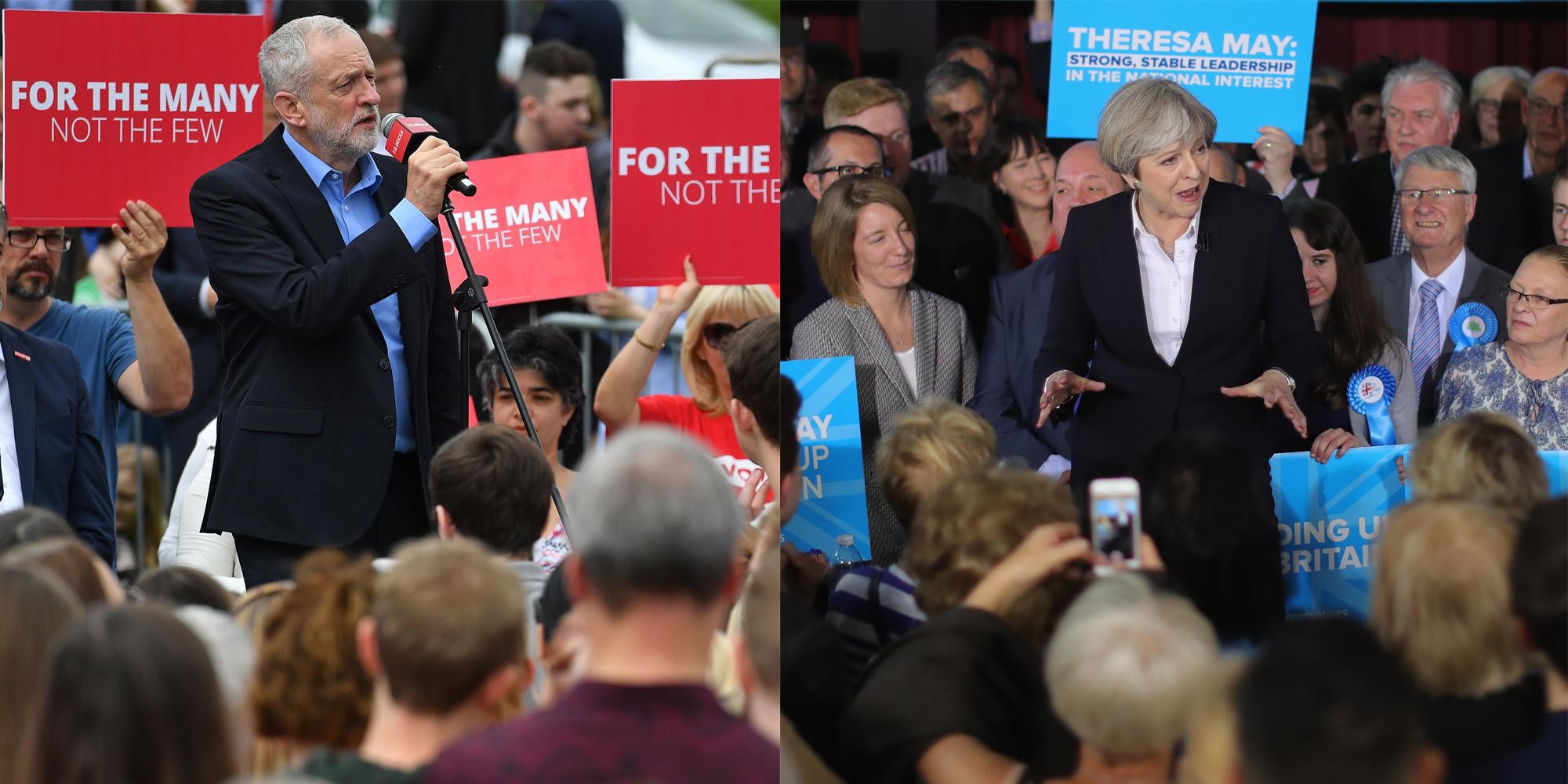
Digital platforms have transformed political communication. Campaigning, policy announcements, and public engagement increasingly occur online. In UK politics, technology has lowered barriers to participation while amplifying polarization.
The challenge for political leaders lies in harnessing digital tools without sacrificing credibility or accuracy.
Youth Engagement and Political Expectations
Younger generations demonstrate distinct political priorities, emphasizing climate policy, social justice, and economic opportunity. Their engagement is reshaping UK politics, influencing party agendas and campaign strategies.
Failure to address youth concerns risks long-term disengagement and electoral volatility.
Regional Identity and Devolution
Regional dynamics continue to influence governance. Scotland, Wales, and Northern Ireland assert distinct political identities within the union. In UK politics, managing these relationships remains a complex and sensitive task.
Devolution debates underscore broader questions about national unity and constitutional reform.
Foreign Policy and Domestic Impact
International affairs increasingly intersect with domestic governance. Diplomatic positions, defense commitments, and global crises shape public debate. In UK politics, foreign policy decisions are assessed for domestic consequence as well as international alignment.
This intersection reinforces the complexity of modern governance.
Policy Delivery and Administrative Capacity
Effective governance depends on administrative capacity. Civil service performance, regulatory efficiency, and institutional coordination all affect outcomes. In UK politics, implementation has become as politically significant as policy design.
Delays or failures in delivery can quickly erode political support.
Judicial Oversight and the Rule of Law
Courts play a prominent role in reviewing government action. Judicial oversight reinforces legal accountability within UK politics, shaping how legislation and executive decisions are implemented.
This relationship continues to generate debate about the balance between democratic mandate and legal constraint.
Political Polarization and Social Cohesion
Polarization has intensified public debate. Cultural, economic, and regional divides are increasingly reflected in political discourse. In UK politics, managing polarization without suppressing dissent remains a critical challenge.
Leaders face pressure to unify without diluting core principles.
Voices From Westminster
One senior parliamentarian captured the moment by stating:
“The public expects delivery, not excuses, and politics must now reflect that reality.”
This perspective highlights the urgency shaping UK politics in the current climate.
Electoral Strategy and Voter Volatility
Voter loyalty has weakened, with increasing numbers willing to change allegiances between elections. In UK politics, electoral volatility complicates long-term strategy and coalition-building.
Campaigns now focus heavily on persuasion rather than turnout alone.
Institutional Reform Debates
Calls for institutional reform have grown louder. Proposals range from electoral system changes to House of Lords reform. In UK politics, these debates reflect dissatisfaction with existing structures.
Reform advocates argue that modernization is essential to restore legitimacy.
Political Ethics and Standards
Ethical conduct remains a focal point of public concern. Scandals and perceived misconduct have lasting impact. In UK politics, adherence to standards is closely linked to public trust.
Transparency measures and oversight mechanisms are therefore under renewed scrutiny.
The Role of Think Tanks and Civil Society
Policy development increasingly involves external actors. Think tanks, advocacy groups, and academic institutions shape debate. In UK politics, these voices contribute to policy innovation and critique.
Their influence reflects a more pluralistic political environment.
Crisis Management and Leadership Tests
Unexpected crises continue to test leadership resilience. Whether economic shocks or security challenges, response effectiveness shapes political outcomes. In UK politics, crisis management has become a defining leadership metric.
Preparedness and adaptability are therefore central to governance.
Looking Ahead to the Next Political Cycle
As 2026 progresses, attention turns toward future elections and leadership contests. Strategic positioning is already underway. In UK politics, long-term vision must compete with immediate pressure.
The challenge lies in balancing short-term response with long-term planning.
A Political Culture in Transition
Cultural shifts influence expectations of governance. Diversity, representation, and inclusion increasingly shape political norms. In UK politics, cultural change intersects with institutional reform.
This transition challenges traditional power structures while opening new pathways for participation.
Beyond Partisanship Toward Systemic Renewal
Ultimately, the challenges facing Britain extend beyond party competition. Restoring trust, effectiveness, and legitimacy requires systemic renewal. In UK politics, this moment represents both risk and opportunity.
Success will depend on leadership willing to adapt institutions to contemporary realities.
A Defining Chapter in British Governance
In 2026, Britain stands at a pivotal moment. Political structures, public expectations, and leadership norms are evolving simultaneously. The trajectory of UK politics over the coming years will shape not only governance outcomes but the very relationship between citizens and the state.
Whether this period leads to renewal or deeper fragmentation will depend on the choices made now. What is certain is that UK politics has entered an era where change is no longer optional but inevitable.