


Syria — January 2026. According to parliament news, that evolving military deployments and coordination changes across northern Syria are reinforcing what analysts describe as a significant Syria security shift, redefining control, deterrence, and civilian life around key strategic locations. Developments near Tabqa, a town long considered critical due to its proximity to the Euphrates River and major infrastructure, have become emblematic of broader adjustments unfolding across the country.
After years marked by fluctuating front lines and competing zones of influence, recent weeks have brought more structured security arrangements. Rather than large-scale offensives, forces on the ground appear focused on consolidation, risk management, and stabilization. Observers say this emerging Syria security shift reflects lessons learned from a decade of conflict, emphasizing predictability over confrontation.
A Conflict Entering a New Phase
Syria’s conflict has passed through multiple phases since its outbreak, ranging from rapid territorial changes to prolonged stalemate. Today, front lines in many areas remain largely static, but security dynamics continue to evolve beneath the surface.
Analysts say the current phase is defined less by battlefield gains and more by strategic positioning. The Syria security shift underway highlights how military actors are adapting to political, economic, and humanitarian realities that limit appetite for renewed escalation.
This recalibration is visible in northern regions where deployments are increasingly aimed at controlling transport routes and safeguarding infrastructure rather than expanding territory.
Why Tabqa Has Become a Focal Point
Tabqa’s location west of Raqqa places it near some of the most sensitive infrastructure in northern Syria, including the Tabqa Dam, a vital source of electricity and water regulation. Control or influence over this area carries consequences far beyond the immediate vicinity.
Security experts note that the Syria security shift has placed renewed emphasis on such strategic nodes. Ensuring stability around infrastructure is now seen as essential to preventing humanitarian crises and maintaining basic services.
The concentration of forces near Tabqa reflects this priority, signaling a broader move toward securing critical assets.
Military Deployments and Tactical Adjustments
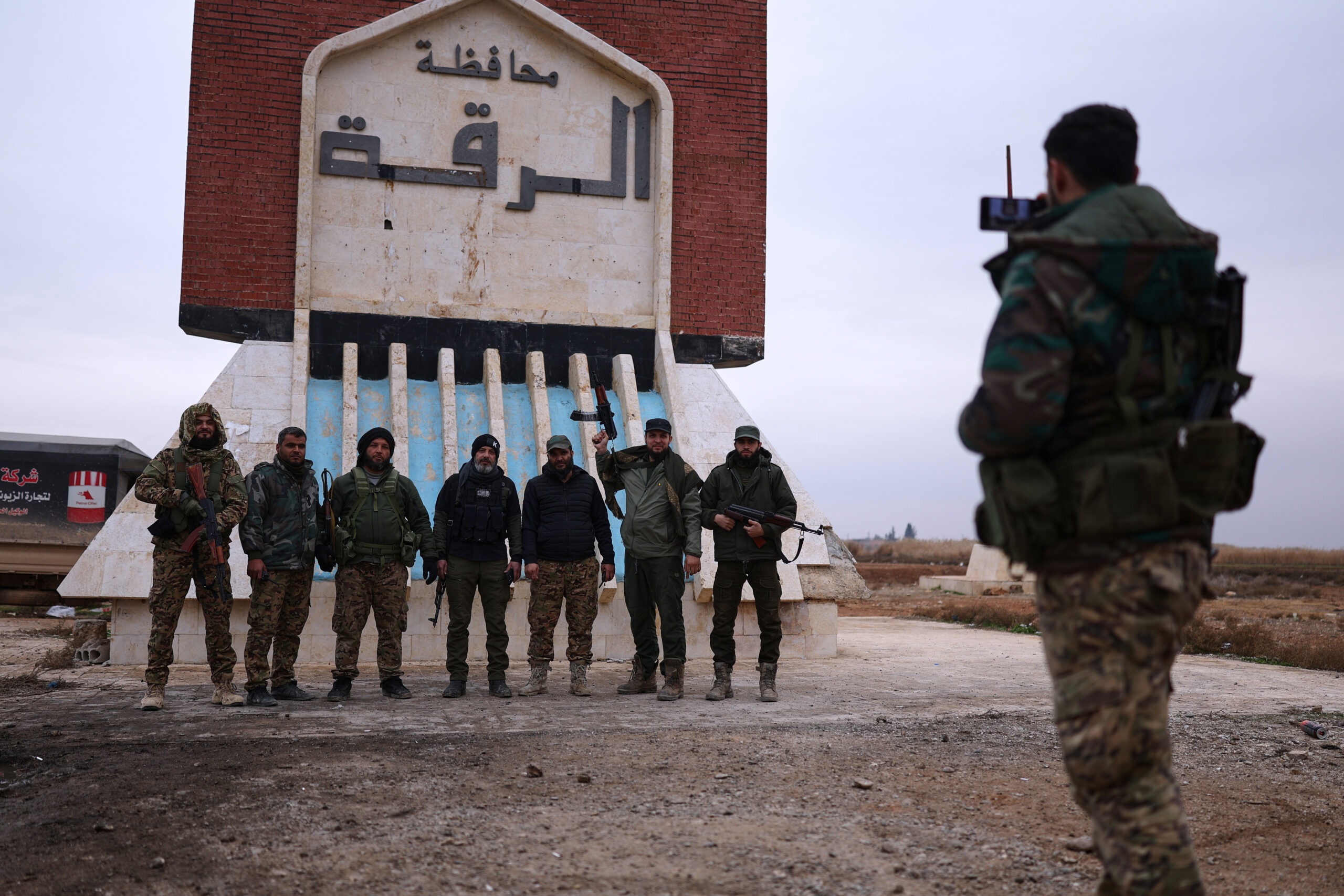
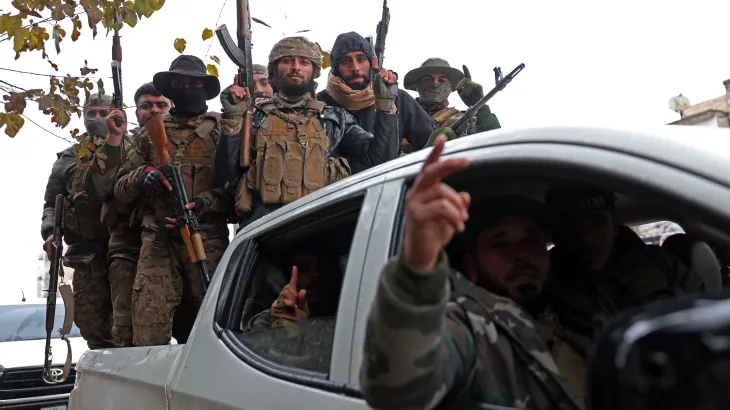
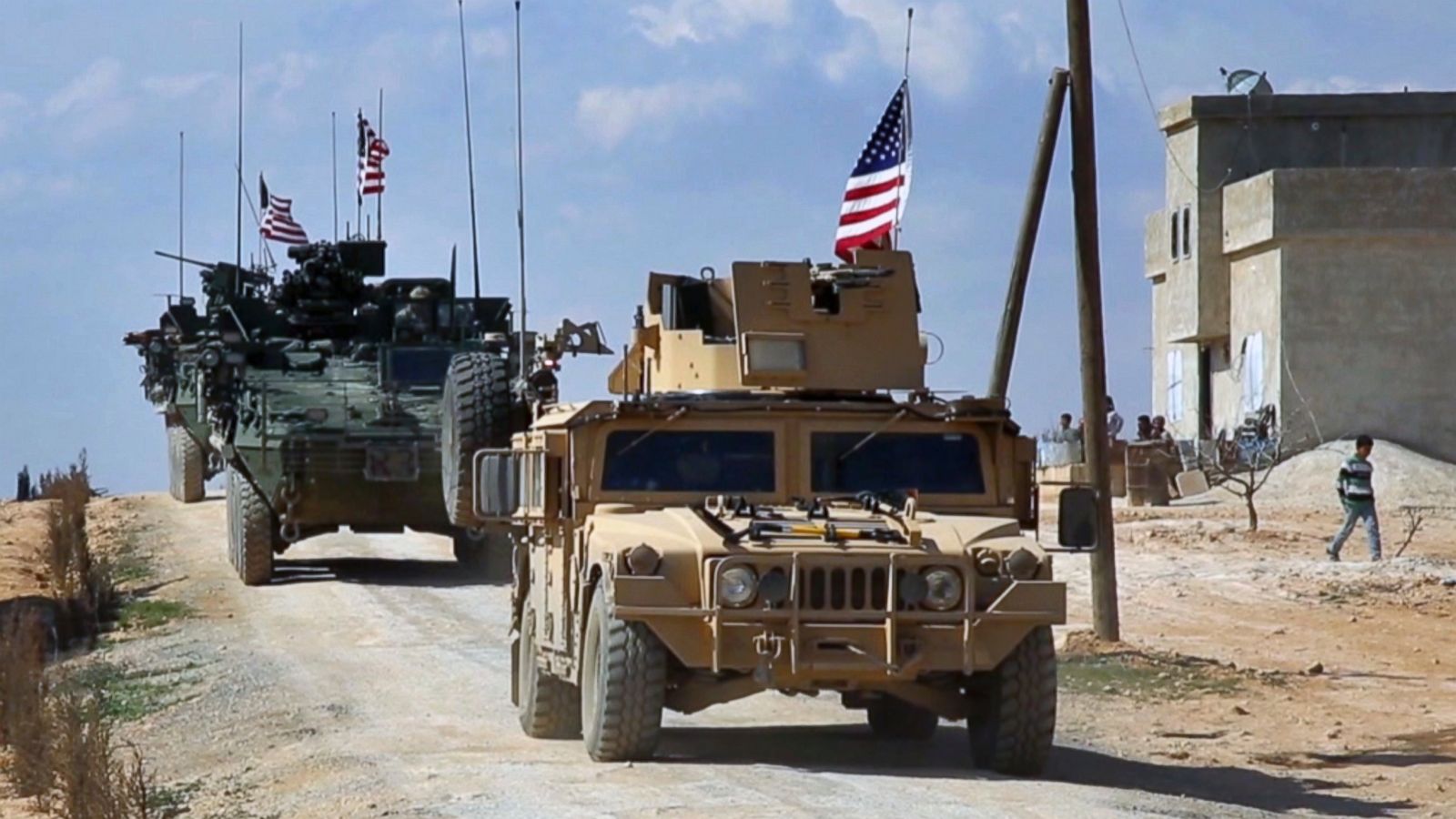
In recent months, residents have observed increased military convoys, checkpoints, and patrols across northern Syria. These movements have been largely methodical, avoiding sudden offensives or dramatic clashes.
Analysts say these deployments illustrate the Syria security shift in practice. By reinforcing presence without provoking confrontation, armed actors aim to deter threats while minimizing the risk of escalation.
Local sources report that coordination mechanisms, both formal and informal, have accompanied these deployments, reducing the likelihood of misunderstandings between rival forces.
Impact on Civilian Life
For civilians, changes in security posture bring both reassurance and uncertainty. Increased checkpoints and patrols can reduce crime and instability but may also disrupt daily routines.
Humanitarian organizations note that the Syria security shift has produced mixed reactions among residents. Some welcome greater predictability, while others remain wary of any military buildup due to past experiences.
Aid workers stress that protecting civilians and maintaining access to services must remain central as security arrangements evolve.
Coordination as a Cornerstone of Stability
One of the defining features of recent developments has been a renewed emphasis on coordination and deconfliction. In areas where multiple armed actors operate nearby, communication is critical.
Observers say the Syria security shift includes efforts to strengthen these channels, preventing incidents that could spiral into wider clashes. While such mechanisms are fragile, they have played a role in containing tensions.
Maintaining coordination is seen as essential to sustaining relative calm in contested regions.
Regional Attention and Strategic Calculations
Developments in northern Syria are closely monitored by regional actors concerned about border security, refugee flows, and trade routes. Stability in areas like Tabqa has implications that extend beyond Syria’s borders.
Diplomatic sources indicate that the Syria security shift has prompted renewed regional consultations. While interests differ, there is shared concern about preventing escalation and protecting critical infrastructure.
This external scrutiny adds pressure on local actors to manage tensions carefully.
Economic Realities Shape Security Choices
Economic hardship across Syria continues to influence security strategies. Limited resources and widespread poverty have reduced tolerance for prolonged instability.
Analysts argue that the Syria security shift reflects pragmatic decision-making driven by economic constraints. Stabilizing key areas can facilitate trade, aid delivery, and limited reconstruction, easing pressure on authorities and communities alike.
Business groups have cautiously welcomed signs of increased predictability.
Infrastructure Protection Takes Priority
Infrastructure has emerged as a central concern in security planning. Facilities such as dams, power stations, and highways are critical to civilian survival and economic activity.
Aid organizations emphasize that the Syria security shift prioritizes safeguarding these assets to prevent cascading humanitarian consequences. Even minor damage to infrastructure can have far-reaching effects in a country already strained by years of conflict.
Protecting such sites is now widely seen as a shared interest across rival actors.
One View From the Field
A regional security analyst monitoring developments summarized the moment by saying:
“What we are seeing now is about managing risk, not chasing victory.”
The remark reflects a broader consensus that stability depends on restraint and coordination rather than military dominance.
Risks That Persist Beneath the Surface
Despite efforts to manage tensions, risks remain. The presence of multiple armed actors with differing objectives means that miscalculation is always possible.
Critics warn that the Syria security shift could unravel if coordination mechanisms fail or political signals are misinterpreted. Localized incidents can quickly escalate in such a complex environment.
Observers stress the need for transparency and clear communication to reduce these risks.
Humanitarian Access and Security Measures
Humanitarian organizations continue to assess how evolving security arrangements affect access to vulnerable communities. Checkpoints and administrative changes can either facilitate or hinder aid delivery.
So far, aid workers say the Syria security shift has allowed continued access in most areas, though vigilance remains necessary. Ensuring that security measures do not obstruct humanitarian corridors is a key concern.
Coordination between security actors and aid agencies remains critical.
Political Dimensions of Security Changes
Security adjustments intersect with broader political dynamics, including governance arrangements and regional diplomacy. Stabilizing certain areas can influence negotiations by shaping realities on the ground.
Analysts note that the Syria security shift may affect future political dialogue by creating conditions more conducive to talks. However, stability achieved through security measures alone is unlikely to resolve deeper political disputes.
Understanding these linkages is essential to assessing long-term prospects.
Lessons Drawn From Past Phases
Past attempts to impose stability through force often proved unsustainable. Heavy-handed approaches tended to generate resistance and renewed conflict.
Proponents argue that the Syria security shift differs by emphasizing management over domination. Incremental adjustments, combined with coordination, are viewed as more likely to endure.
Learning from earlier failures has become a guiding principle for current strategies.
Public Sentiment and Expectations
Public expectations remain cautious. Years of conflict have fostered skepticism toward promises of stability.
Community leaders say hopes surrounding the Syria security shift are modest. Residents seek fewer clashes and more predictable conditions rather than sweeping transformation.
Managing expectations will be crucial to maintaining trust between communities and security actors.
Monitoring Developments in 2027
As deployments settle, attention is turning to whether calm can be sustained into the coming year. Early signs suggest relative stability, though underlying tensions persist.
The durability of the Syria security shift will depend on continued coordination, economic support, and responsiveness to civilian concerns. Analysts say the next phase will test whether current arrangements can withstand political and security shocks.
When Balance Becomes the Objective
The evolving security landscape underscores the importance of balance in managing conflict. Excessive pressure risks escalation, while insufficient presence can invite instability.
The current Syria security shift represents an attempt to navigate this balance through measured adjustments. Whether this approach succeeds remains uncertain, but it reflects a growing consensus that containment is preferable to renewed confrontation.
An Ongoing Adjustment, Not a Final Outcome
Developments across northern Syria mark a period of adjustment rather than resolution. Deep political, social, and economic challenges remain unresolved.
Still, the persistence of the Syria security shift suggests a cautious effort to reduce volatility and manage risk. For civilians exhausted by years of uncertainty, even incremental improvement can offer meaningful relief.
A Chapter Still Being Written
As 2026 draws to a close, Syria’s security landscape remains fluid. New alignments may solidify, or fresh tensions may emerge.
The Syria security shift unfolding today will shape conditions in the months ahead. Whether it becomes a foundation for broader stability or another temporary phase will depend on choices yet to be made.
For now, northern Syria stands at a delicate moment defined not by decisive victory or peace, but by careful recalibration in the search for a more manageable future.