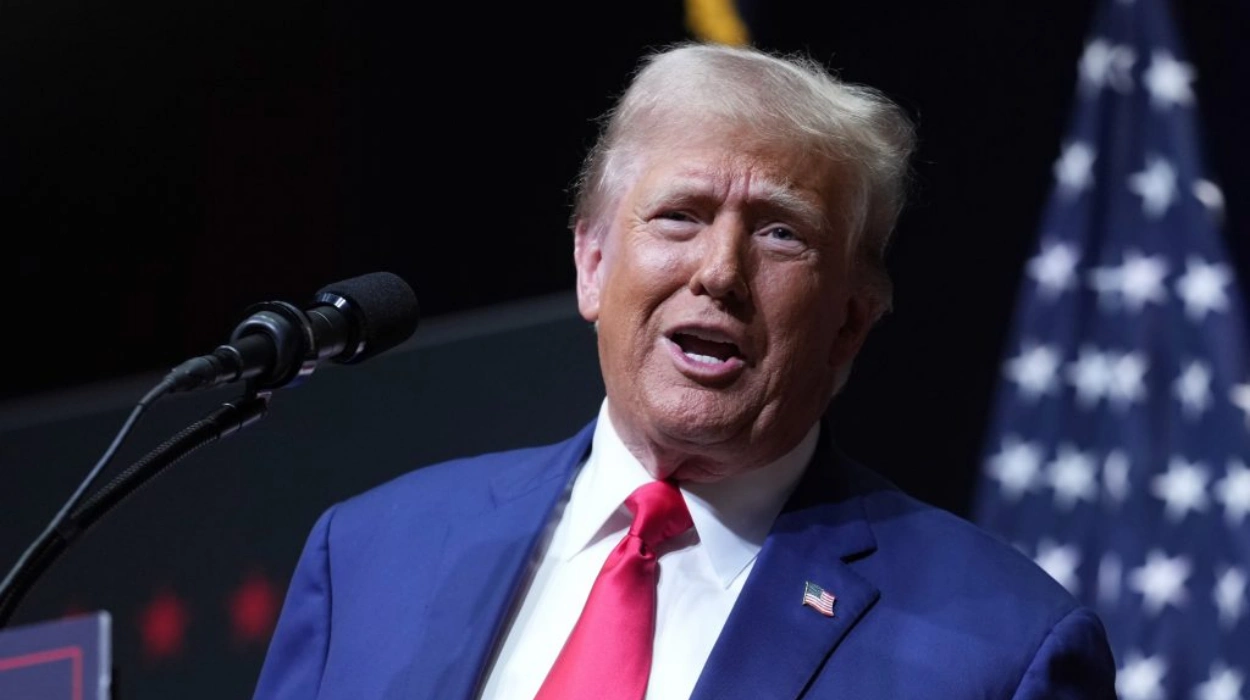
Washington, D.C. (Parliament Politics Magazine) January 18, 2026 – President Donald Trump pledged to “take out” Indiana Senate Majority Leader Rod Bray after the Republican-led chamber rejected a Trump-backed congressional redistricting map. Trump partnered with former congressman David McIntosh to unseat Bray, labelling him a “total RINO” who betrayed the party. The move forms part of Trump’s nationwide push to redraw maps ahead of the 2026 midterm elections.
Trump’s announcement came via Truth Social on Saturday, intensifying pressure on GOP lawmakers resisting his redistricting agenda. The Indiana Senate voted 31-19 against the map last month, with 21 Republicans joining Democrats in opposition despite House approval.
Trump Declares War on Indiana Senate Majority Leader
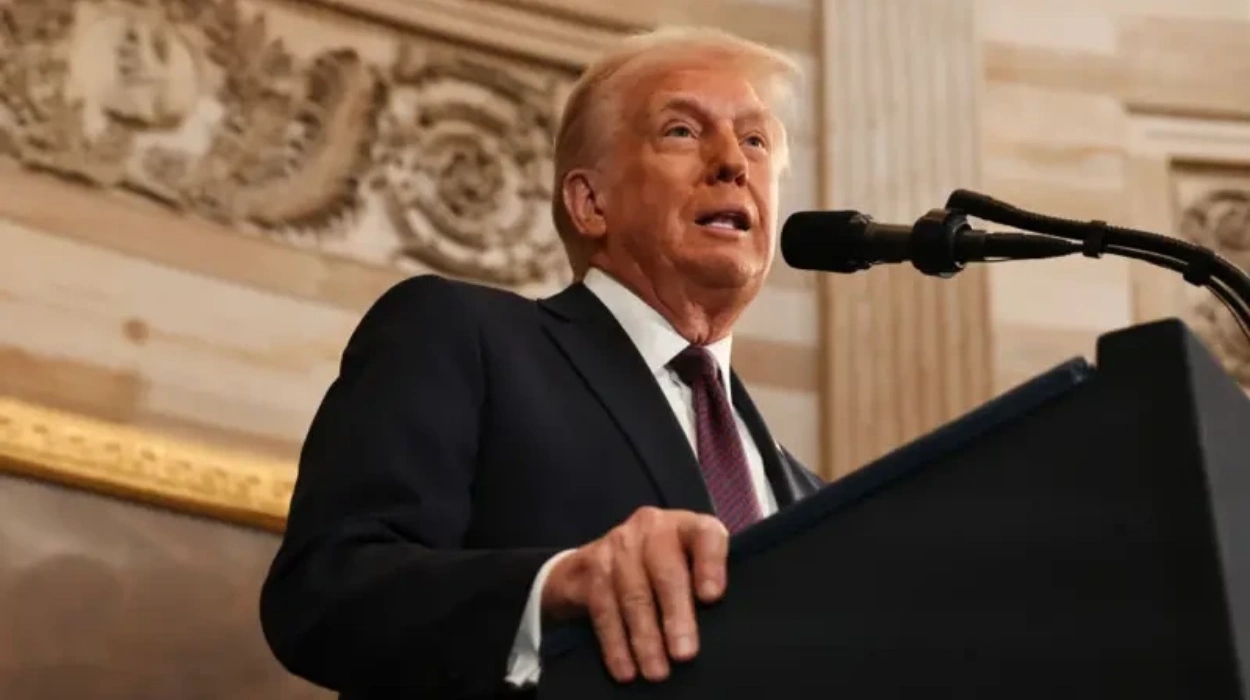
President Donald Trump targeted Indiana Senate Majority Leader Rod Bray directly in a Truth Social post on Saturday. As reported by Michael Sinkewicz of Fox News, Trump wrote,
“I was with David McIntosh of the Club for Growth, and we agreed that we will both work tirelessly together to take out Indiana Senate Majority Leader Rod Bray, a total RINO, who betrayed the Republican Party, the President of the United States, and everyone else who wants to, MAKE AMERICA GREAT AGAIN!”
Trump continued,
“We’re after you Bray, like no one has ever come after you before!”
The post followed the Indiana Senate’s 31-19 rejection of a new congressional map last month, a measure Trump championed to create two additional right-leaning districts.
David McIntosh, former Indiana congressman and co-founder of the Federalist Society and Club for Growth, endorsed the effort. McIntosh wrote on X,
“President Trump and I are aligned. Rod Bray is going down.”
Fox News Digital contacted Bray’s office for comment.
Conservative commentator Eric Daugherty amplified Trump’s declaration online. Eric Daugherty said in an X post,
“🚨 BREAKING: President Trump DECLARES WAR on RINO Indiana Senate President Rod Bray for blocking GOP redistricting in the midterms FAFO! ‘We will both work tirelessly together to take out Indiana Senate Majority Leader Rod Bray, a total RINO, who betrayed the Republican Party, the President of the United States, and everyone else who wants to, MAKE AMERICA GREAT AGAIN! We’re after you Bray, like no one has ever come after you before!’ The betrayal is NEVER BEING FORGOTTEN.”
🚨 BREAKING: President Trump DECLARES WAR on RINO Indiana Senate President Rod Bray for blocking GOP redistricting in the midterms
FAFO!
“We will both work tirelessly together to take out Indiana Senate Majority Leader Rod Bray, a total RINO, who betrayed the Republican Party,… pic.twitter.com/HxrJXps4A3
— Eric Daugherty (@EricLDaugh) January 18, 2026
Indiana Senate Rejects Trump-Backed Redistricting Map
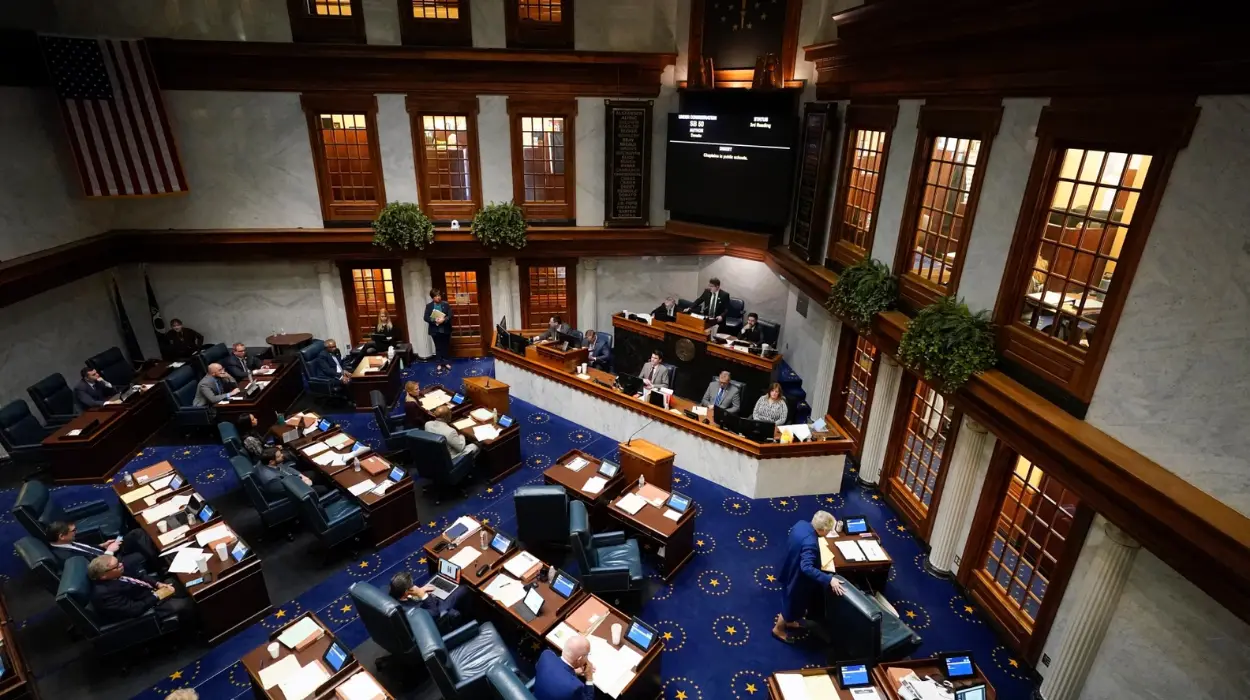
The Indiana Senate vote saw 21 Republicans align with 10 Democrats against the redistricting bill, despite 57-41 House approval where 12 GOP members also opposed. The map would have eliminated districts held by two Democratic representatives, potentially shifting Indiana’s congressional delegation from 7-2 Republican to 9-0.
Senate Majority Leader Rod Bray repeatedly stated insufficient chamber support existed to advance redistricting. Trump applied sustained pressure, including phone calls to lawmakers and Vice President JD Vance’s two fall visits to Indiana.
On the eve of the Senate vote, Trump warned of primary challenges against opponents. Michael Sinkewicz of Fox News noted Republican Senate leaders had resisted Trump’s efforts, declining December meetings. Bray spoke to media at the Indiana Statehouse on 8 December 2025 amid the heated debate.
Background Traces to Post-Census Redistricting Cycle
Post-2020 census redistricting began in 2021, with Indiana initially drawing maps through 2024. Republicans controlled both legislative chambers and the governor’s office, producing maps courts upheld as competitive yet favourable.
Trump’s 2026 intervention seeks mid-decade adjustments, citing partisan advantage needs ahead of midterms. Legal precedent allows such changes where legislatures hold authority, though Democrats nationwide challenge GOP efforts through courts.
The Indiana dispute emerged after House passage, with Senate Republicans citing insufficient votes and legal risks. Democrats uniformly opposed, arguing maps constituted unconstitutional gerrymandering targeting their incumbents.
Nationwide Redistricting Push Gains Momentum
Trump’s campaign extends beyond Indiana, with Texas, Missouri, North Carolina, and Ohio adopting new maps aligned with his midterm strategy. The president seeks to bolster Republican House seats ahead of 2026 contests, where historical trends favour the opposition party.
Virginia Democrats advanced a constitutional amendment Friday, granting their legislature authority to redraw U.S. House maps. Vice President JD Vance criticised Bray, saying
“I’d like to thank @bray_rodric for not even trying to fight back against this extraordinary Democrat abuse of power. Now the votes of Indiana Republicans will matter far less than the votes of Virginia Democrats. We told you it would happen, and you did nothing.”
Grassroots mobilisation followed in Indiana. Gunther Eagleman reported activist efforts, noting Scott Presler said in an X post,
“🚨 INDIANA RINOs GETTING SMOKED! Scott Presler just MOBILIZED HUNDREDS of fired-up Republicans in Lake County, IN. Presler: ‘We are going to repeal and replace any Republican lawmakers that did NOT support redrawing congressional maps.'”
🚨 INDIANA RINOs GETTING SMOKED!
Scott Presler just MOBILIZED HUNDREDS of fired-up Republicans in Lake County, IN.
Presler: “We are going to repeal and replace any Republican lawmakers that did NOT support redrawing congressional maps.”pic.twitter.com/OTdm7ZguBj
— Gunther Eagleman™ (@GuntherEagleman) January 10, 2026
Democratic Stance Emphasises Fair Maps and Legal Concerns
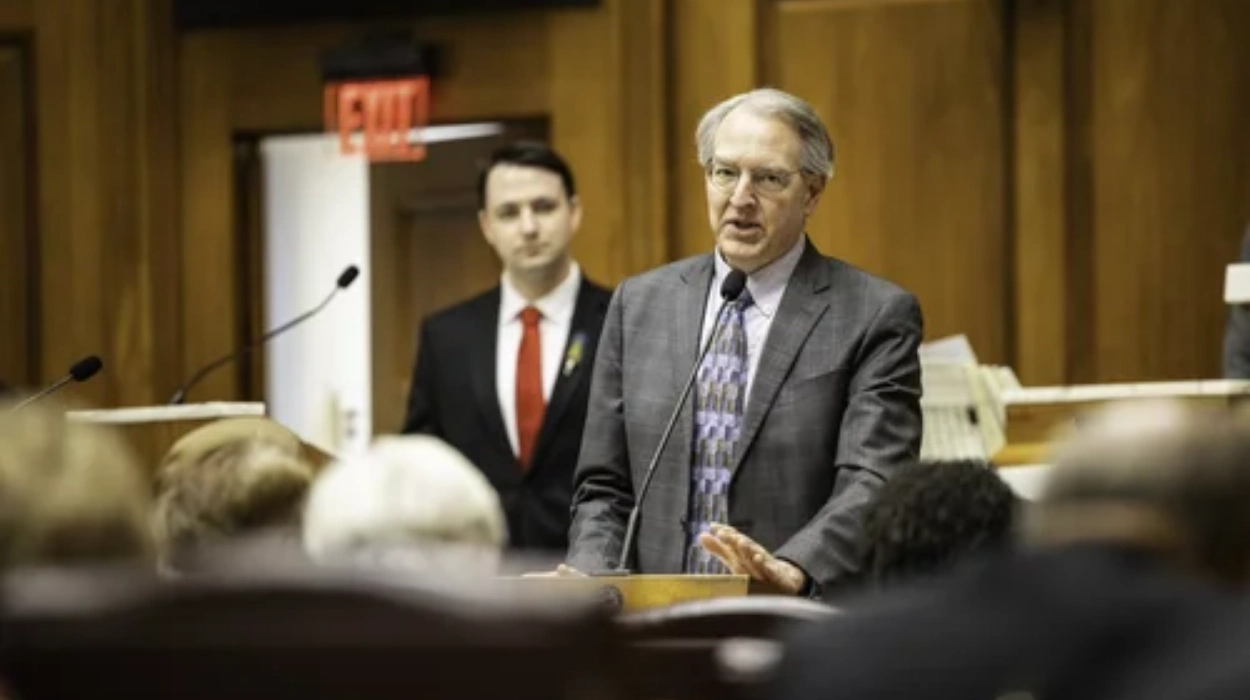
Indiana House Democratic Leader Matt Pierce stated the rejected map represented extreme gerrymandering that courts would strike down. Democrats argued mid-decade redistricting violated state constitutional standards requiring decennial processes.
Nationally, Democratic leaders hailed Indiana Senate resistance as principled defence against power grabs. DNC chair Ken Martin referenced Virginia’s Democratic success, predicting court victories nationwide against Trump-backed maps.
Pierce told reporters post-vote,
“Hoosier voters deserve competitive districts, not engineered Republican supermajorities.”
Democrats maintained their two seats while acknowledging Republican dominance under current lines.
Bray Faces Primary Challenge Coordinated by Trump Allies
Trump positioned his alliance with McIntosh as central to Bray’s ouster. McIntosh’s conservative credentials include founding organisations instrumental in judicial appointments and tax policy during the 1990s.
Indiana GOP primary calendar places Senate District 37 on 2026 ballots. Trump’s direct intervention tests party unity, with base activists echoing calls for purity tests on redistricting loyalty.
Bray, elected leader in November 2025, emphasised consensus governance. His public appearances stressed chamber independence from White House directives.
Broader Context of 2026 Midterm Preparations
Redistricting battles unfold as both parties position for midterm gains. Trump’s aggressive stance contrasts with Democratic court strategies and state-level amendments.
Paul Steinhauser and Jasmine Baehr of Fox News contributed reporting. The White House views Indiana as test case for national map realignments targeting vulnerable Democratic seats.
House GOP leadership quietly supported Trump’s pressure campaign, coordinating with state allies. Senate resistance highlighted federal-state tensions within the party.
Other States Advance Trump-Aligned Maps Successfully
Texas Republicans passed new lines eliminating two Democratic districts. Missouri consolidated urban areas, favouring rural conservatives. North Carolina’s maps gained two GOP seats after court approval.
Ohio followed similar path, with state Supreme Court rejecting initial Democratic challenges. These successes emboldened Trump’s Indiana push, where Senate proved obstacle.
GOP Internal Tensions Surface Over Midterm Strategy
Republican divisions mirror broader party tensions ahead of midterms. Trump’s primary threats energise base but risk alienating moderates in swing districts.
National Republican Senatorial Committee expressed concerns over open-seat chaos from leadership battles. Indiana Governor Mike Braun remained neutral publicly while hosting Vance visits.
Democratic National Committee Responds to GOP Moves
DNC redistricting counsel Kelly Bramhill announced litigation readiness against new maps.
“Trump’s map-burning tour threatens democracy,”
she stated in a January memo.
Democrats secured Virginia amendment, positioning for four additional left-leaning seats. National strategy emphasises court wins and ballot initiatives where legislatures resist.
Legal Timeline Looms for Redistricting Challenges
Federal courts established 2026 deadlines for map submissions. Indiana’s rejection avoided immediate litigation but delayed Republican gains.
State constitutional claims proceed through Indiana Supreme Court. Precedents from North Carolina favour challengers contesting partisan intent.
Implications for Indiana Congressional Balance
Current 7-2 Republican delegation faces no changes absent legislative action. Targeted Democratic districts include South Bend and Bloomington areas.
Midterm dynamics favour challengers regardless of lines. Trump’s focus elevates Indiana as 2026 battleground.