
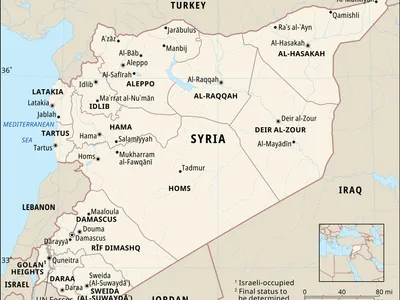
Brussels, January 2026 — According to parliament news, officials in Damascus have outlined a broad governance initiative focused on expanding state administration and public services across Syria’s eastern and northeastern governorates, positioning the move as a central pillar for national recovery and regional stability. The announcement, delivered amid renewed diplomatic engagement on the country’s future, underscores a deliberate effort to translate policy planning into visible institutional presence on the ground.
The initiative arrives at a time when regional observers are closely watching Syria’s internal dynamics and their wider implications. With eastern territories historically shaped by administrative gaps and uneven service delivery, the strategy reflects an attempt to reshape governance in a way that reinforces predictability, social cohesion, and confidence among local communities.
Strategic Background and National Direction
Eastern and northeastern Syria occupy a critical place in the country’s political and economic geography. The regions link internal trade routes, border crossings, and energy resources, making them essential to national planning. Analysts note that prolonged instability in these areas has complicated coordination with neighboring states and undermined broader efforts toward regional stability .
Officials describe the current initiative as part of a longer policy trajectory rather than a sudden shift. Over recent years, planning teams have assessed administrative capacity, demographic needs, and infrastructure conditions. The resulting framework seeks to integrate local governance into a standardized national system while preserving community level engagement.
Administrative Expansion and Institutional Design
A cornerstone of the strategy involves rebuilding and expanding civil administration. Government departments responsible for municipal services, civil registration, and economic licensing are set to increase their footprint. By restoring routine administrative functions, authorities aim to replace informal mechanisms with transparent processes that support regional stability .
Training programs for civil servants are expected to accompany this expansion. According to officials, emphasis will be placed on technical competence and local knowledge, ensuring that governance structures are both effective and socially grounded.
Security Architecture and Civil Protection
Security considerations remain inseparable from governance planning. The eastern strategy emphasizes coordination between civilian authorities and security institutions, with a focus on protecting infrastructure and population centers. Rather than relying on temporary measures, the framework seeks institutional balance as a pathway to regional stability .
Authorities stress that law enforcement efforts will be guided by judicial oversight and community engagement. This approach is intended to foster trust while maintaining order, a balance that officials describe as essential for sustainable outcomes.
Economic Framework and Development Priorities
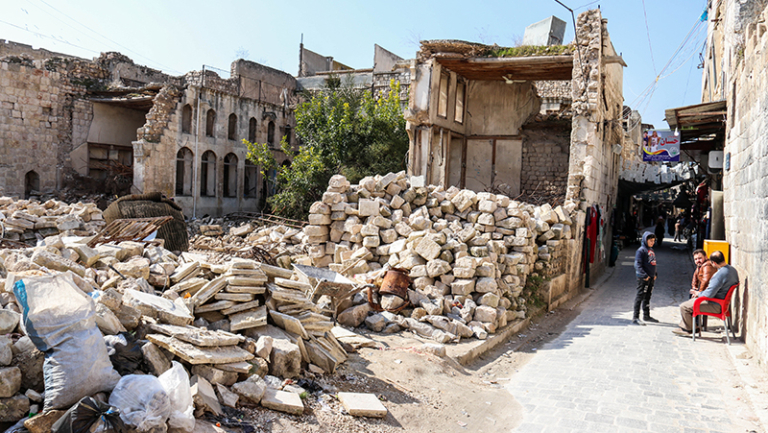
Economic revitalization features prominently in the plan. Eastern Syria’s agricultural lands and energy assets represent long-term growth potential. By establishing clear regulatory oversight and investment guidelines, officials expect to stimulate activity that contributes to regional stability .
Infrastructure rehabilitation, including roads and irrigation networks, is identified as a priority. Economists suggest that improved connectivity can lower transaction costs, encourage private sector participation, and strengthen local markets.
Public Services and Human Development
Access to public services remains uneven across many eastern districts. The strategy outlines phased rehabilitation of healthcare facilities and schools, alongside programs to deploy medical and educational staff. These measures are framed as investments in human capital that indirectly reinforce regional stability (6).
Health authorities are prioritizing primary care access, while education planners emphasize standardized curricula and teacher training. Mobile service units are also under review to reach remote communities.
Humanitarian Coordination and Civil Society
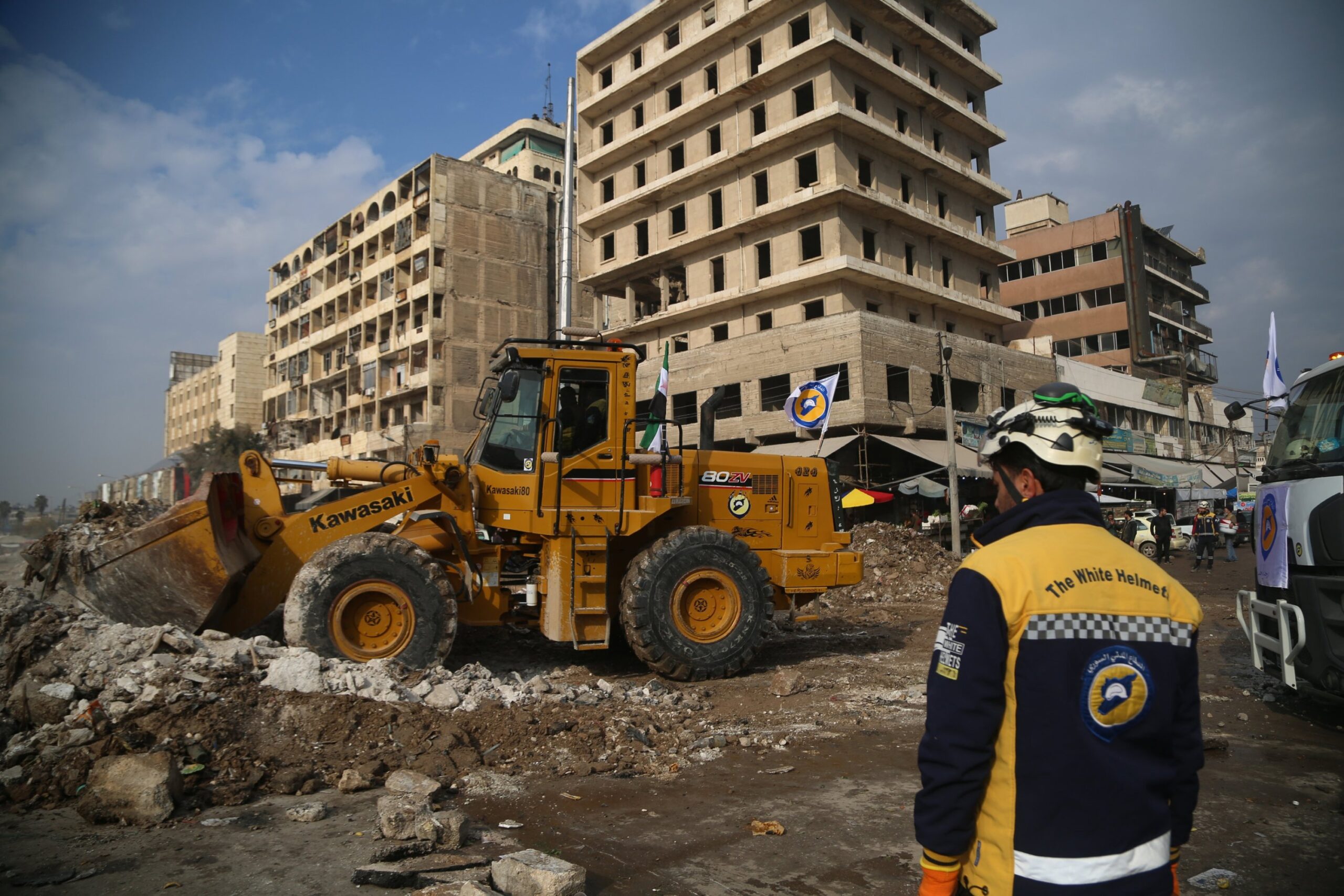
Humanitarian actors continue to play a role in eastern Syria. Government representatives say coordination mechanisms will be strengthened to align aid delivery with state planning. This alignment is presented as a way to maximize efficiency while reinforcing regional stability .
Civil society groups have cautiously welcomed the emphasis on coordination, noting that predictable frameworks can improve outcomes for vulnerable populations. Observers say implementation will be closely watched in the coming months.
Border Dynamics and External Dimensions
The eastern governorates’ proximity to multiple borders gives the strategy broader significance. Improved administration is expected to enhance oversight of trade routes and reduce illicit activities. In this context, officials argue that governance expansion contributes not only to domestic order but also to regional stability beyond Syria’s borders.
Regional analysts note that consistent state presence in border areas often reduces spillover risks. While challenges remain, the focus on institutions is seen as a step toward greater predictability.

Political Messaging and Public Communication
The announcement itself carries symbolic weight. By publicly outlining the plan, authorities send a signal of intent to domestic audiences and international stakeholders. One senior official stated, “Lasting peace depends on institutions that serve people consistently and fairly.” The remark reflects leadership messaging that links governance reform directly to regional stability .
Public communication efforts are expected to continue as implementation progresses, with regular updates intended to maintain transparency.
Implementation Phases and Oversight
Implementation will proceed in stages, beginning with priority districts and expanding as capacity allows. Oversight committees are expected to monitor progress through benchmarks tied to service delivery, security, and economic activity. Officials argue that gradual expansion, supported by monitoring, is essential to sustaining regional stability.
Resource constraints and logistical challenges remain acknowledged risks. Authorities emphasize that flexibility and adaptation will be critical as conditions evolve.
Social Cohesion and Community Engagement
Beyond institutions, the strategy places emphasis on social cohesion. Community consultations and feedback mechanisms are designed to give residents a voice in local planning. Sociologists note that participation can strengthen trust and reduce tensions, reinforcing the broader objective of national unity.
Youth engagement and vocational training programs are also under consideration, aimed at addressing unemployment and discouraging migration from rural areas.
Environmental and Infrastructure Considerations
Environmental factors, including water scarcity, are increasingly shaping policy discussions. Improved governance is expected to support better resource management and planning. Infrastructure projects will incorporate resilience measures to address climate related risks.
Planners argue that sustainable infrastructure underpins long-term development and reduces vulnerability to shocks.
Institutional Reform as a Pillar of Long-Term Governance
Strengthening institutional capacity has emerged as a central theme in Syria’s eastern governance strategy, with officials emphasizing that durable progress depends on coordination, accountability, and public confidence. The approach focuses on rebuilding administrative structures while ensuring that security and service delivery move forward in parallel, reinforcing regional stability across diverse communities. Policymakers argue that phased implementation allows authorities to adapt to local conditions without overwhelming existing systems. As one senior policy official noted,
“Strengthening institutions at the local level is essential for long-term stability, and progress will depend on consistent governance rather than short-term measures.”
This perspective reflects a broader effort to link reform with sustainable national cohesion.
International Observation and Diplomatic Context
International observers continue to assess Syria’s internal developments through the lens of regional security. While external factors remain complex, consistent governance in eastern regions is viewed as a variable that can influence broader diplomatic calculations.
Officials maintain that the strategy is domestically driven, though they acknowledge its external implications.
Measuring Impact and Public Expectations
As implementation unfolds, public expectations will be shaped by tangible outcomes. Service improvements, security conditions, and economic opportunities will serve as indicators of progress. Authorities stress that managing expectations is part of responsible governance.
Analysts suggest that incremental gains, communicated clearly, can build momentum over time.