


Madrid (Parliament Politics Magazine) January 19, 2026 – The death toll from a catastrophic collision between two high-speed trains near Adamuz in Cordoba province has climbed to 39, with 152 people injured, state broadcaster RTVE reported citing police sources. The accident struck at 7.45 p.m. local time on Sunday when an Iryo train from Malaga to Madrid derailed into the path of a Renfe service travelling from Madrid to Huelva. Over 200 trains on the vital Madrid-Andalucia route face cancellation on Monday as Prime Minister Pedro Sanchez cleared his schedule and international leaders expressed condolences.
A high-speed passenger train derailed on a straight stretch of track near the town of Adamuz in southern Spain on Sunday evening, smashing head-on into an oncoming service and forcing both off the rails in a scene rescuers described as horrific.
The collision occurred at 7.45 p.m. local time (1845 GMT), approximately 360 km south of Madrid in Cordoba province. As reported by Victoria Waldersee of Reuters, the Iryo 6189 train from Malaga to Madrid derailed first, encroaching onto the adjacent track where it struck the Renfe Alvia train bound for Huelva.
Sequence of Events Leading to the Derailment

Adif, Spain’s state-owned rail infrastructure administrator, confirmed via social media that the Iryo train derailed at Adamuz and crashed onto the neighbouring track. The Renfe train, travelling in the opposite direction, then derailed upon impact, with its front carriages plunging down a railway embankment.
The Iryo service had departed Cordoba station just 10 minutes earlier, carrying more than 300 passengers. The Renfe train held around 100 people, mostly Spaniards returning from weekend trips to Andalucia cities like Seville and Granada. As detailed by Namita Singh, Alex Croft, and Maira Butt of The Independent, the crash unfolded rapidly on parallel high-speed lines designed for safe separation.
Video footage circulating on social media captured the immediate aftermath: twisted metal carriages lying sideways under floodlights, rescuers pulling survivors from wreckage, passengers climbing through smashed windows, and medics wheeling injured individuals on stretchers through darkness.
Casualty Figures and Medical Response
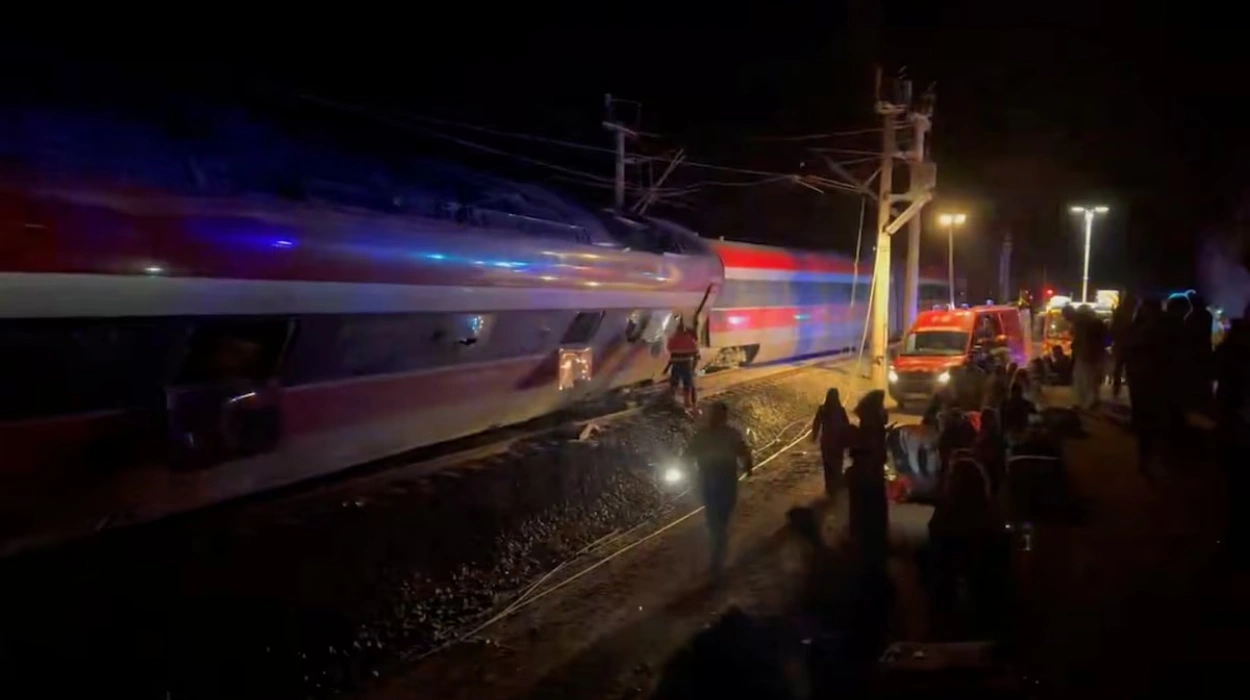
State broadcaster RTVE updated the death toll to 39 on Monday morning, citing police sources, marking a significant rise from initial reports of 21 fatalities. Reuters corroborated the injury count at 152, with Andalucian emergency services providing further breakdown.
Of those treated, 122 people received medical attention overall. Seventy-four have been discharged from hospitals, while 75 remain admitted. Among hospitalised patients, 15 are in serious condition, including five children. Eleven adults and one child occupy intensive care units, according to the latest from Maira Butt of The Independent.
The driver of the Renfe Madrid-Huelva train perished in the crash. Most deaths and severe injuries concentrated in that train’s first two carriages, which held 37 and 16 passengers respectively. Spanish Transport Minister Oscar Puente confirmed this distribution during Sunday’s press conference at Madrid’s Atocha station.
Cordoba area hospitals activated mass casualty protocols, preparing for influxes from the remote rural site. Local fire chief Paco Carmona told TVE that evacuation proceeded steadily, though some passengers remained trapped initially in the most damaged sections.
Rail Operators Respond to Crisis
Iryo, the private high-speed operator majority-owned by Italy’s Ferrovie dello Stato, issued a statement expressing deep regret. The company activated all emergency protocols and pledged full cooperation with authorities. A spokesperson identified the derailed train as a Freccia 1000 model, last inspected four days prior, as relayed to Sky News.
Renfe, Spain’s state railway, attributed its train’s derailment directly to the Iryo service crossing into its path. The operator dispatched its president to the crash site and committed resources to support affected passengers and families. Renfe emphasised ongoing recovery efforts amid the chaos.
Adif suspended all high-speed services between Madrid and Andalucia indefinitely. Over 200 trains to Cordoba, Seville, Granada, and other southern destinations stand cancelled for Monday, stranding thousands of commuters and travellers.
Government Leaders Take Immediate Action
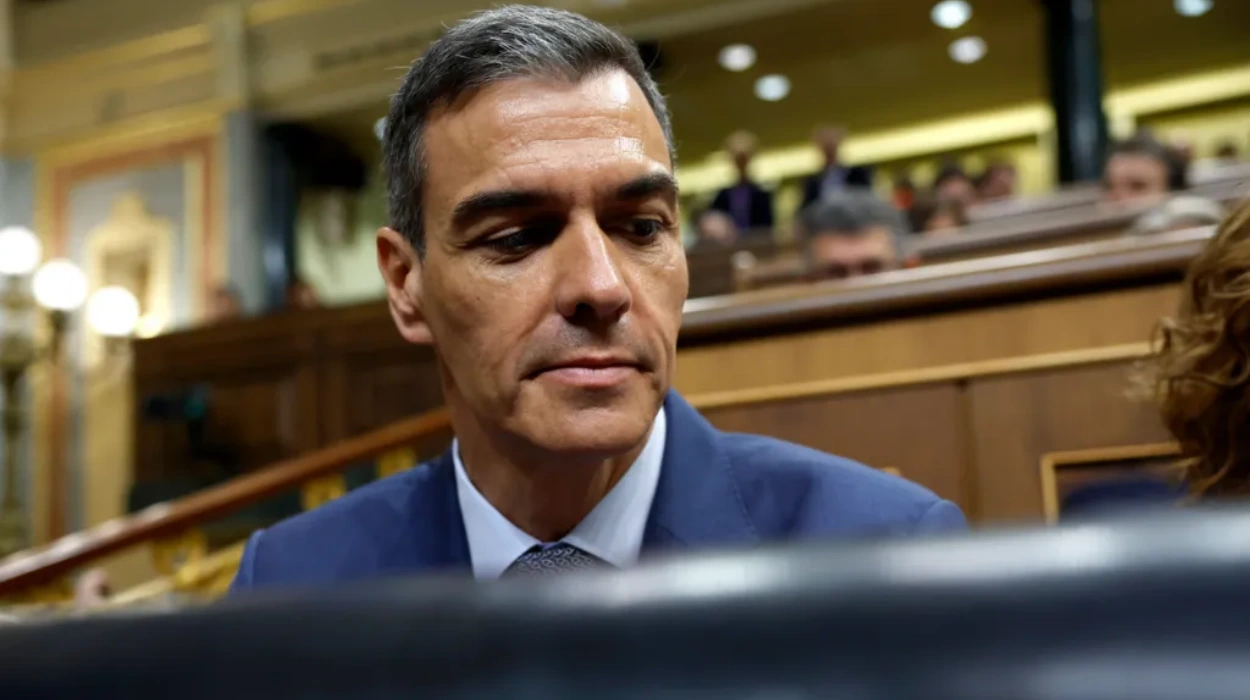
Prime Minister Pedro Sanchez cancelled his entire Monday agenda, his office announced, prioritising response coordination. The King and Queen of Spain monitored developments closely, a palace spokesperson stated, expressing profound concern for victims.
Transport Minister Oscar Puente labelled the incident “very serious” on Sunday evening, noting the “terrible” impact that hurled Renfe’s front units off the tracks. Puente addressed reporters from Atocha, Spain’s busiest station, underscoring national rail safety implications.
Prosecutors from Spain’s Interior Ministry await a formal police report before initiating a criminal investigation, sources informed Sky News. Puente cautioned that the cause remains undetermined pending technical analysis.
Eyewitness and Survivor Testimonies
Salvador Jimenez, a TVE journalist aboard the Iryo train, provided firsthand accounts to his network. Jimenez shared photographs of the rear carriage’s nose upturned, with passengers seated atop it post-evacuation. He described fellow travellers using emergency hammers to shatter windows for escape, witnessing at least two individuals carried away on stretchers from crumpled sections.
Adamuz Mayor Rafael Moreno arrived among initial responders alongside local police. Speaking to El Pais, Moreno recounted a “horrific” scene, including what appeared a severely lacerated body metres from the main wreckage. He noted area mayors and residents rallied to assist passengers despite uncertainty over the derailment’s precise dynamics.
In the town of 5,000, locals established a reception centre at Caseta Municipal. Television footage showed residents delivering food and blankets as nighttime temperatures dipped to 6C. Tearful survivors gave brief statements to press before receiving care.
International Condolences Pour In
Rail infrastructure organisations expressed solidarity early Monday.
Rail Baltica (@RailBaltica) said in X post,
“Rail Baltica is deeply saddened by the tragic train accident in Spain. We extend our sincere condolences to the victims, their families and loved ones, and our thoughts are with everyone affected by this tragedy.”
Rail Baltica is deeply saddened by the tragic train accident in Spain.
We extend our sincere condolences to the victims, their families and loved ones, and our thoughts are with everyone affected by this tragedy.
— RailBalticaOfficial (@RailBaltica) January 19, 2026
Hungarian Prime Minister Viktor Orbán offered official sympathies.
Viktor Orbán (@PM_ViktorOrban) said in X post,
“Our thoughts and prayers are with the victims and their families following the tragic train accident in Spain. Hungary stands in solidarity with the Spanish people during this difficult time.”
Our thoughts and prayers are with the victims and their families following the tragic train accident in Spain. Hungary stands in solidarity with the Spanish people during this difficult time.
— Orbán Viktor (@PM_ViktorOrban) January 19, 2026
Norway’s Minister of Foreign Affairs also conveyed condolences.
Espen Barth Eide (@EspenBarthEide), Norway’s Minister of Foreign Affairs, said in X post,
“I am deeply saddened by the news of the terrible train accident near Córdoba, Spain, last night. I express my condolences to the families and loved ones of the victims, and wish for a swift and full recovery for those injured.”
I am deeply saddened by the news of the terrible train accident near Córdoba, Spain, last night.
I express my condolences to the families and loved ones of the victims, and wish for a swift and full recovery for those injured.
— Espen Barth Eide (@EspenBarthEide) January 19, 2026
EU Council President Antonio Costa stated he was “deeply shocked”. Foreign embassies contacted staff to verify safety amid confusion over nationalities aboard.
Emergency Services and On-Site Operations
Rescue teams worked through the night beside derailed coaches, illuminated by floodlights. Reuters photographer Susana Vera documented emergency personnel at the site, capturing a mangled coach amid debris.
Cordoba fire services reported steady progress in passenger recovery. Ambulances ferried the injured to facilities, while helicopters stood ready for critical cases. Adif coordinated logistics despite rural access challenges.
Local support in Adamuz proved vital, with community members sustaining responders and survivors overnight.
Geographic and Operational Context
The crash site lies on Spain’s high-speed AVE network, engineered for speeds exceeding 300 km/h on straight alignments. The Iryo-Madrid service and Renfe-Huelva route operate parallel corridors linking the capital to economic hubs.
Authorities clarified the incident unfolded not during peak holiday travel but regular weekend returns. Passenger manifests remain under review for international representation.
Investigation Priorities and Safety Questions
Technical experts examine black box data, track conditions, signalling systems, and train maintenance records. The Freccia 1000’s recent inspection offers initial focus, alongside potential signal failures or human factors.
Renfe and Iryo maintain flawless safety records on these lines prior to Sunday. Spain’s rail system, among Europe’s most advanced, now faces scrutiny following this rare double derailment.
Travel Disruptions and Economic Ripple Effects
Madrid-Andalucia connectivity halted abruptly, impacting business travellers, families, and tourists. Replacement buses face delays over distance and terrain. Airlines report heightened bookings as alternatives.
Renfe explores partial resumption pending clearance. Adif promises updates as recovery advances.
Historical Precedents in Spanish Rail Incidents
Spain’s AVE network boasts low accident rates since 1992 inauguration. Notable prior events pale against Sunday’s toll, highlighting this crash’s anomaly on modern infrastructure.
Ongoing operations prioritise victim identification, family notification, and wreckage stabilisation. Authorities vow transparency in forthcoming inquiries.
