

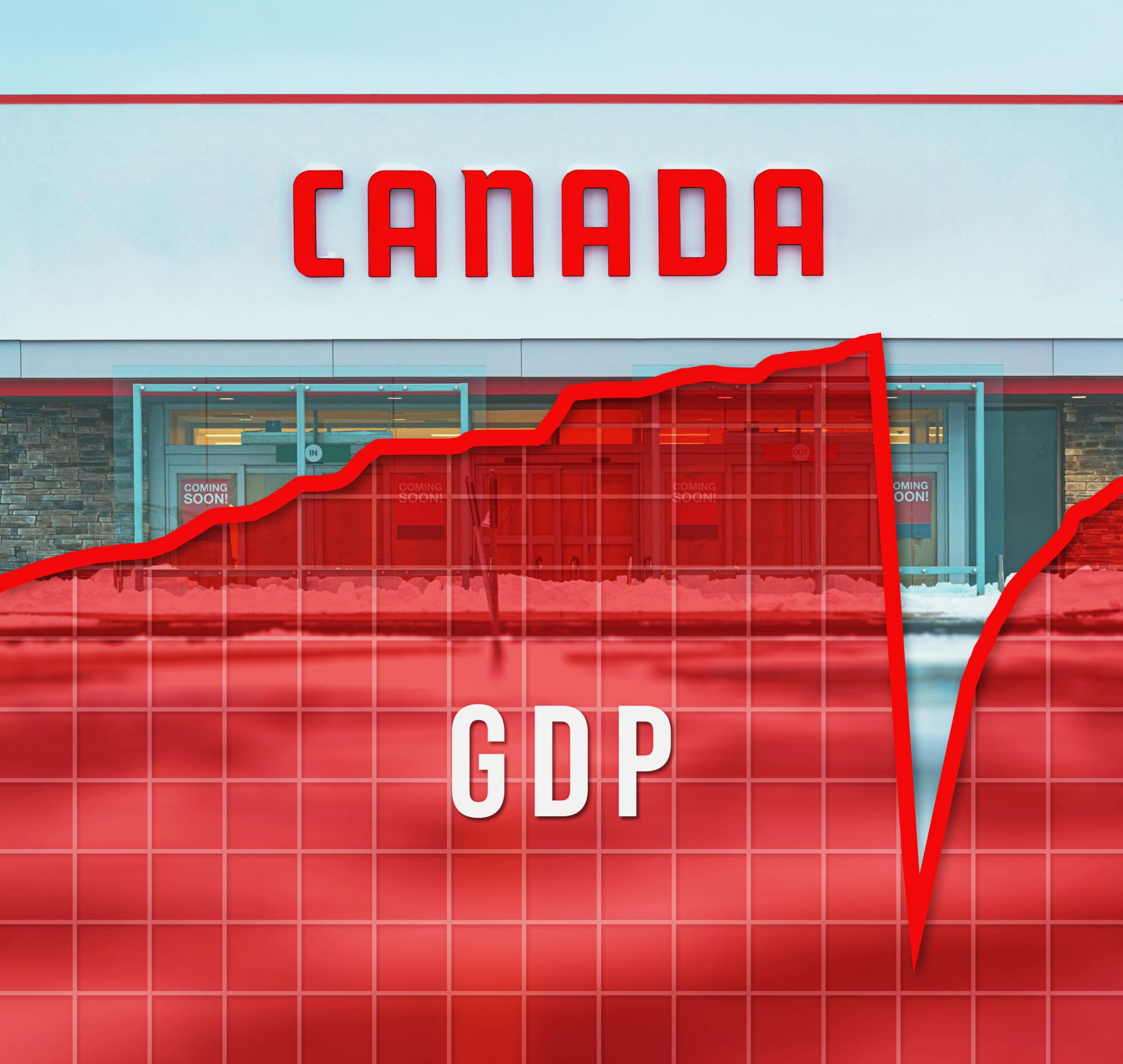
Ottawa, February 5, 2026, According to Parliament News, that The Canada growth forecast has become a central reference point for policymakers, economists, and investors as the country navigates a period of structural economic transition. Growth expectations no longer revolve around rapid rebounds or short-term stimulus-driven acceleration. Instead, the outlook increasingly reflects long-term challenges tied to productivity, demographics, global trade realignment, and shifting investment patterns.
Economic analysts note that Canada’s outlook mirrors broader trends across advanced economies where structural constraints now weigh more heavily than cyclical fluctuations. As inflation pressures ease and monetary policy stabilizes, attention has shifted toward the deeper foundations of growth potential.
Economic Environment Shaping the Outlook
Canada enters this period amid a global economy marked by uncertainty. Slower growth in key trading partners, geopolitical tensions, and tighter financial conditions have reshaped expectations. Domestically, higher borrowing costs and cautious consumer behavior have moderated economic momentum.
Within this environment, the Canada growth forecast reflects a measured pace of expansion rather than contraction. Analysts emphasize that while the economy is not facing recession, it is unlikely to return quickly to the growth rates seen in earlier decades.
Structural Forces Driving Growth Expectations
Several structural forces underpin the current outlook. Productivity growth has lagged for years, limiting wage gains and overall output. At the same time, an aging population has begun to constrain labor supply, placing additional pressure on businesses and public finances.
The Canada growth forecast incorporates these realities, suggesting that economic performance will depend less on short-term demand and more on long-term reforms that enhance efficiency, innovation, and workforce participation.
Monetary Policy and Its Limits
Monetary policy has played a significant role in restoring price stability, but central bankers have repeatedly stressed that interest rates cannot solve structural economic weaknesses. Once inflation is under control, further gains must come from outside the realm of monetary tools.
The Canada growth forecast reflects this limitation, highlighting that sustainable expansion requires improvements in productivity, investment, and labor market flexibility rather than continued reliance on policy tightening or easing cycles.

Productivity as a Central Challenge
Productivity remains one of the most persistent challenges facing Canada’s economy. Output per worker has grown slowly compared with peer economies, affecting competitiveness and income growth.
Economists argue that the Canada growth forecast cannot materially improve without a renewed focus on capital investment, technology adoption, and regulatory efficiency. Without progress in these areas, growth potential is likely to remain constrained.
Labor Market Pressures and Demographic Shifts
Canada’s labor market continues to experience tight conditions driven by demographic aging and skills mismatches. While immigration has helped expand the workforce, integration and training remain uneven across sectors.
The Canada growth forecast assumes gradual labor market adjustment rather than rapid improvement. Workforce development, retraining, and mobility are expected to play critical roles in sustaining economic momentum.
Business Investment and Corporate Caution
Business investment has shown mixed performance, with firms increasingly cautious about committing capital amid global uncertainty. Higher interest rates and volatile demand have encouraged balance-sheet preservation over expansion.
Analysts say the Canada growth forecast reflects subdued investment appetite, particularly in sectors requiring long-term commitments. This cautious stance reinforces the view that growth will remain moderate in the near to medium term.
Trade Exposure and External Demand
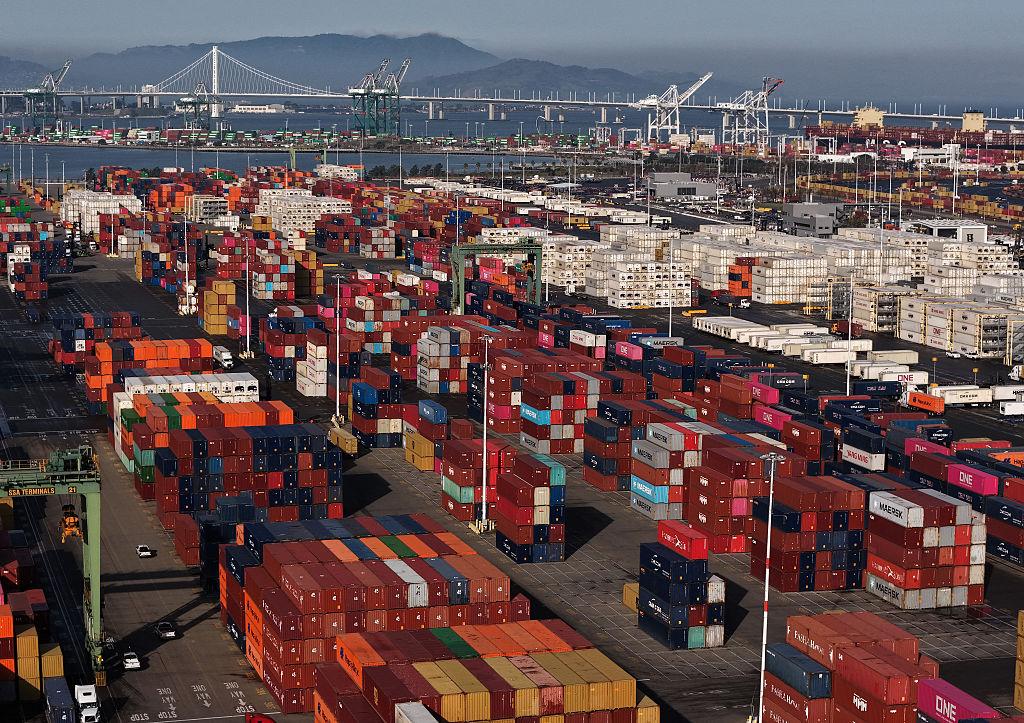
Canada’s economy remains deeply integrated into global trade networks. Shifts in supply chains, evolving trade policies, and slower global growth have influenced export performance.
Within this context, the Canada growth forecast points to limited external demand as a driver of expansion. Trade is expected to support growth, but not at levels sufficient to offset domestic structural constraints.
One Economist’s View
A senior economist observing Canada’s outlook remarked,
“The current projections reflect an economy adjusting to new limits, where patience and reform matter more than stimulus.”
The observation aligns with the broader interpretation of the Canada growth forecast as a realistic assessment rather than a pessimistic one.

Fiscal Policy and Public Investment
Fiscal policy remains an important complement to structural reform. Governments at various levels are expected to prioritize infrastructure, housing supply, and innovation incentives.
The Canada growth forecast assumes targeted fiscal support rather than expansive stimulus, reflecting concerns about debt sustainability and long-term fiscal capacity.
Housing Market Dynamics
Housing affordability has emerged as a major economic constraint. High prices and limited supply have affected labor mobility, household spending, and investment decisions.
Economists note that the Canada growth forecast implicitly depends on progress in addressing housing constraints, which influence productivity and demographic outcomes.
Financial Stability Considerations
High household debt levels continue to pose risks, particularly in a higher-rate environment. Financial stability concerns remain closely tied to consumer spending behavior.
The Canada growth forecast factors in cautious households, limiting the pace at which consumption can drive overall growth.
International Comparisons
Compared with other advanced economies, Canada’s projected growth sits in the middle range. While not among the fastest-growing economies, it is also not facing severe contraction.
From an international perspective, the Canada growth forecast reflects challenges common to mature economies struggling to reignite productivity-led expansion.
History of Canada’s Growth Cycles
The Canada growth forecast has evolved significantly over time, reflecting shifts in global integration, domestic policy frameworks, and demographic trends. In earlier decades, growth was supported by strong productivity gains, expanding labor supply, and favorable trade conditions.
As the economy matured, growth drivers gradually shifted. Resource cycles, technological change, and globalization shaped outcomes, while recent years have highlighted the limits of demand-driven expansion. The current outlook represents a continuation of this long-term transition rather than a sudden break from historical patterns.
Innovation and Technology Adoption
Innovation is widely viewed as a key lever for improving long-term growth prospects. Digital transformation, automation, and clean technology investment offer potential productivity gains.
The Canada growth forecast assumes gradual adoption of new technologies, with benefits accruing over time rather than delivering immediate acceleration.
Regional Economic Divergence
Economic performance varies widely across regions. Resource-rich provinces experience different cycles than manufacturing or service-based economies.
Analysts caution that the Canada growth forecast represents a national average that masks significant regional disparities, underscoring the need for tailored policy responses.
Education and Skills Alignment
Skills mismatches continue to affect labor productivity. Employers report difficulty finding workers with relevant training, while some sectors face oversupply.
The Canada growth forecast depends in part on improving alignment between education systems and labor market needs, particularly in high-productivity industries.
Environmental Transition and Growth
Canada’s economic transition also includes environmental considerations. Investments in clean energy and emissions reduction are reshaping capital allocation decisions.
Economists note that the Canada growth forecast incorporates both costs and opportunities associated with the transition to a lower-carbon economy.
Risks to the Outlook
Downside risks include weaker global demand, financial market volatility, and delayed structural reform. Upside potential depends on faster productivity gains and stronger investment response.
The Canada growth forecast balances these risks, presenting a cautious but stable outlook rather than a sharply directional one.
What Policymakers Are Watching
Policymakers are focused on productivity metrics, labor participation, and investment trends as key indicators of progress.
The Canada growth forecast serves as a benchmark for evaluating whether reforms and policy initiatives are translating into improved economic fundamentals.
Public Expectations and Economic Narrative
Public perception of economic performance often differs from macroeconomic indicators. Cost-of-living pressures and housing affordability influence sentiment.
The Canada growth forecast highlights the importance of managing expectations alongside economic policy, as adjustment periods can test public confidence.
Long-Term Implications for Living Standards
Sustained moderate growth has implications for income growth, public services, and fiscal capacity. Without productivity improvement, living standards may rise more slowly.
Analysts emphasize that the Canada growth forecast underscores the urgency of reforms aimed at enhancing long-term prosperity.
Why the Adjustment Will Take Time
Structural change unfolds over years rather than quarters. Productivity improvements, demographic shifts, and investment cycles require sustained effort.
The Canada growth forecast reflects this reality, emphasizing persistence over quick fixes.
A Defining Period for Economic Policy
Canada stands at a point where policy choices will shape growth outcomes for the next decade. Structural reform, investment strategy, and workforce development will determine success.
In that context, the Canada growth forecast functions not only as an economic projection but as a strategic guide for long-term decision-making.
Beyond the Numbers
Ultimately, growth forecasts represent more than statistics. They reflect assumptions about society, institutions, and adaptability.
As the economy adjusts, the Canada growth forecast offers a framework for understanding both constraints and opportunities in a changing global landscape.
Why This Outlook Matters
The current outlook matters because it sets expectations for governments, businesses, and households alike. Moderate growth requires patience, planning, and resilience.
The Canada growth forecast thus stands as a defining narrative of economic adjustment rather than decline.
A Unique Moment of Economic Recalibration
Canada’s economy is recalibrating to new realities shaped by structural forces rather than temporary shocks. Growth remains achievable, but only through sustained effort.
In this unique moment, the Canada growth forecast captures the balance between caution and opportunity that defines the country’s economic path forward.