


New Delhi, February 1 2026 , According to Parliament News, that Indian stock market regulation entered a decisive phase as the government unveiled budget measures aimed at tightening oversight of derivatives trading and strengthening financial stability. Presented in the national capital of India, the budget reflects growing concern among policymakers over the scale, speed, and risk profile of modern trading activity. Officials described the reforms as part of a broader strategy to align market growth with investor protection and long-term economic resilience, placing Indian stock market regulation at the heart of national financial policy.
The announcement immediately resonated across trading floors, regulatory offices, and policy circles, with investors seeking to understand how the new framework would affect liquidity, participation, and confidence in one of the world’s fastest-growing capital markets.
Budget Measures and the Focus on Derivatives
The most closely watched element of the budget is the increase in transaction taxes on derivatives trading, particularly in futures and options. Authorities argue that derivatives volumes have expanded at a pace far exceeding that of the underlying cash market, raising concerns about excessive leverage and speculative behavior.
By adjusting transaction costs, policymakers aim to moderate high-frequency activity while preserving the role of derivatives as legitimate risk-management tools. Finance ministry officials emphasized that Indian stock market regulation must adapt to evolving trading practices rather than rely on outdated assumptions.
Policy Logic Behind the Regulatory Push
The rationale behind the reforms combines fiscal responsibility with systemic risk management. From a revenue standpoint, transaction-based levies offer a predictable source of income linked directly to market activity. From a stability perspective, stronger Indian stock market regulation is seen as a safeguard against sudden market shocks that could undermine broader economic confidence.
Officials involved in drafting the budget noted that recent global financial volatility reinforced the need for proactive oversight. India’s approach seeks to avoid abrupt interventions by implementing calibrated changes that guide market behavior gradually.
Role of Market Institutions and Exchanges
India’s financial ecosystem is anchored by institutions such as the National Stock Exchange of India and the Bombay Stock Exchange, which together handle the bulk of equity and derivatives trading. These exchanges have invested heavily in technology, enabling rapid execution and complex strategies.
Regulators work closely with exchanges to ensure that policy changes are implemented smoothly. Surveillance systems, margin frameworks, and disclosure requirements are all part of the broader architecture supporting Indian stock market regulation.

Immediate Market Response and Early Indicators
Market reaction to the budget announcement was mixed. Shares of brokerage firms came under pressure as investors assessed the impact of higher trading costs on volumes. At the same time, some institutional participants welcomed the emphasis on stability, arguing that predictable rules ultimately support deeper participation.
Trading data in the days following the announcement suggested a cautious recalibration rather than a dramatic withdrawal. Analysts said such adjustments are typical when Indian stock market regulation undergoes significant change.
Impact on Traders and Intermediaries
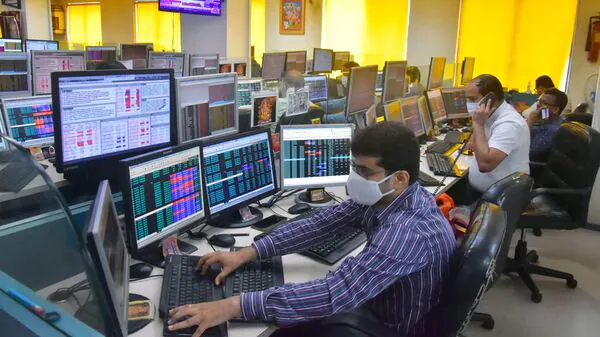
For active derivatives traders, the increase in transaction taxes translates into higher operating costs. Strategies reliant on frequent turnover may become less attractive, prompting a shift toward longer holding periods or alternative instruments.
Brokerage firms, meanwhile, face the challenge of adapting business models to a changing environment. Some firms are investing more in advisory services and research, anticipating that stronger Indian stock market regulation will favor informed decision-making over pure volume.
Retail Investors and Risk Awareness
Retail participation in derivatives has surged in recent years, driven by digital platforms and aggressive marketing. While broader access has democratized markets, it has also raised concerns about financial literacy and exposure to risk.
Policymakers argue that tighter Indian stock market regulation can help protect inexperienced investors by discouraging excessive churning and speculative excess. Educational initiatives and clearer disclosures are expected to complement fiscal measures.
SEBI and Regulatory Coordination
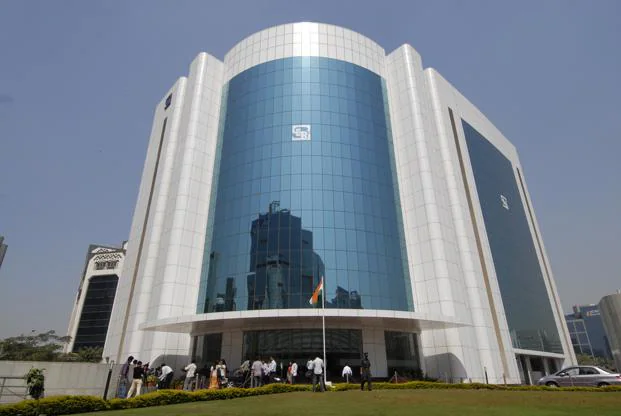
The Securities and Exchange Board of India plays a central role in translating budget announcements into enforceable rules. Coordination between the finance ministry and the regulator ensures that tax measures align with margin requirements, reporting standards, and enforcement mechanisms.
Officials stressed that effective Indian stock market regulation depends on coherence across institutions. Fragmented policy, they warned, could create loopholes and undermine objectives.
International Context and Comparative Practices
Globally, many markets employ transaction taxes or levies to manage trading behavior and raise revenue. European debates over financial transaction taxes and Asian market reforms provide useful reference points.
India’s challenge lies in tailoring Indian stock market regulation to its unique circumstances: a rapidly expanding retail base, high growth expectations, and increasing integration with global capital flows.
Fiscal Strategy and Economic Priorities
Beyond market mechanics, the budget reflects broader economic priorities. Infrastructure investment, social spending, and climate initiatives require sustained funding. Transaction taxes allow the government to tap into financial activity without raising consumption taxes.
Officials framed Indian stock market regulation as a tool for inclusive growth, ensuring that financial markets contribute fairly to national development while remaining competitive.
Technology and Market Surveillance
Advances in trading technology have transformed Indian markets, enabling millisecond execution and algorithmic strategies. Regulators are responding by investing in data analytics, artificial intelligence, and cross-market surveillance.
As technology evolves, Indian stock market regulation must remain dynamic. Authorities say continuous upgrades are essential to detect manipulation, manage risk, and enforce rules effectively.
Balancing Innovation and Control
One of the central challenges facing policymakers is balancing innovation with oversight. Financial innovation can enhance efficiency and access, but unchecked experimentation carries risks.
By refining Indian stock market regulation, authorities aim to create an environment where innovation thrives within clear boundaries. This approach seeks to encourage responsible experimentation rather than speculative excess.
Long-Term Implications for Market Confidence
Economists emphasize that confidence is built over time through consistent policy. Sudden reversals or unclear signals can deter long-term investors.
If implemented effectively, the latest reforms could strengthen confidence in Indian stock market regulation, attracting pension funds, insurers, and overseas institutions seeking stable returns.
Political and Public Dimensions of Reform
Budget decisions inevitably carry political implications. By focusing on derivatives trading rather than everyday consumption, the government signals sensitivity to public concerns about inflation and household finances.
At the same time, stronger Indian stock market regulation resonates with public calls for accountability and fairness in financial markets.
One Expert Perspective
A senior market analyst closely following regulatory developments said,
“Clear and predictable rules create trust, and trust is what allows markets to grow sustainably.”
This observation captures the underlying philosophy of the reform effort.
Monitoring and Future Adjustments
Authorities have indicated that they will monitor market behavior closely and remain open to fine-tuning measures if unintended consequences emerge. Flexibility, they say, is essential in a fast-changing environment.
Future phases of Indian stock market regulation may address emerging products, cross-border trading, and digital assets as markets continue to evolve.
Global Investors and Capital Flows
Foreign investors play a significant role in Indian markets, and regulatory clarity is a key factor influencing capital flows. Transparent rules and consistent enforcement enhance India’s appeal as an investment destination.
Officials argue that disciplined Indian stock market regulation supports integration with global markets while preserving domestic stability.
Education and Market Culture
Beyond rules and taxes, authorities recognize the importance of market culture. Investor education campaigns, improved disclosures, and ethical standards all contribute to healthier participation.
Over time, Indian stock market regulation aims to foster a culture where informed decision-making outweighs speculative impulse.
Structural Reform Versus Short-Term Impact
While some short-term adjustment is inevitable, policymakers stress that the reforms are structural rather than punitive. The objective is not to suppress activity but to guide it toward sustainable paths.
As markets adjust, the effectiveness of Indian stock market regulation will be judged by its ability to support growth without sacrificing stability.
Looking Ahead in a Changing Global Economy
The 2026 budget arrives amid shifting global economic conditions, including tighter financial conditions and geopolitical uncertainty. In this context, resilient domestic markets are a strategic asset.
India’s approach underscores the belief that strong institutions and clear rules are essential foundations for long-term prosperity.
Regulation as a Marker of Maturity
The latest reforms mark a moment of transition for India’s financial markets. As participation deepens and complexity increases, regulation becomes less about restriction and more about structure. The 2026 budget suggests that India views disciplined oversight not as a brake on ambition but as evidence of a market confident enough to govern itself responsibly, signaling maturity in an increasingly interconnected global financial system.