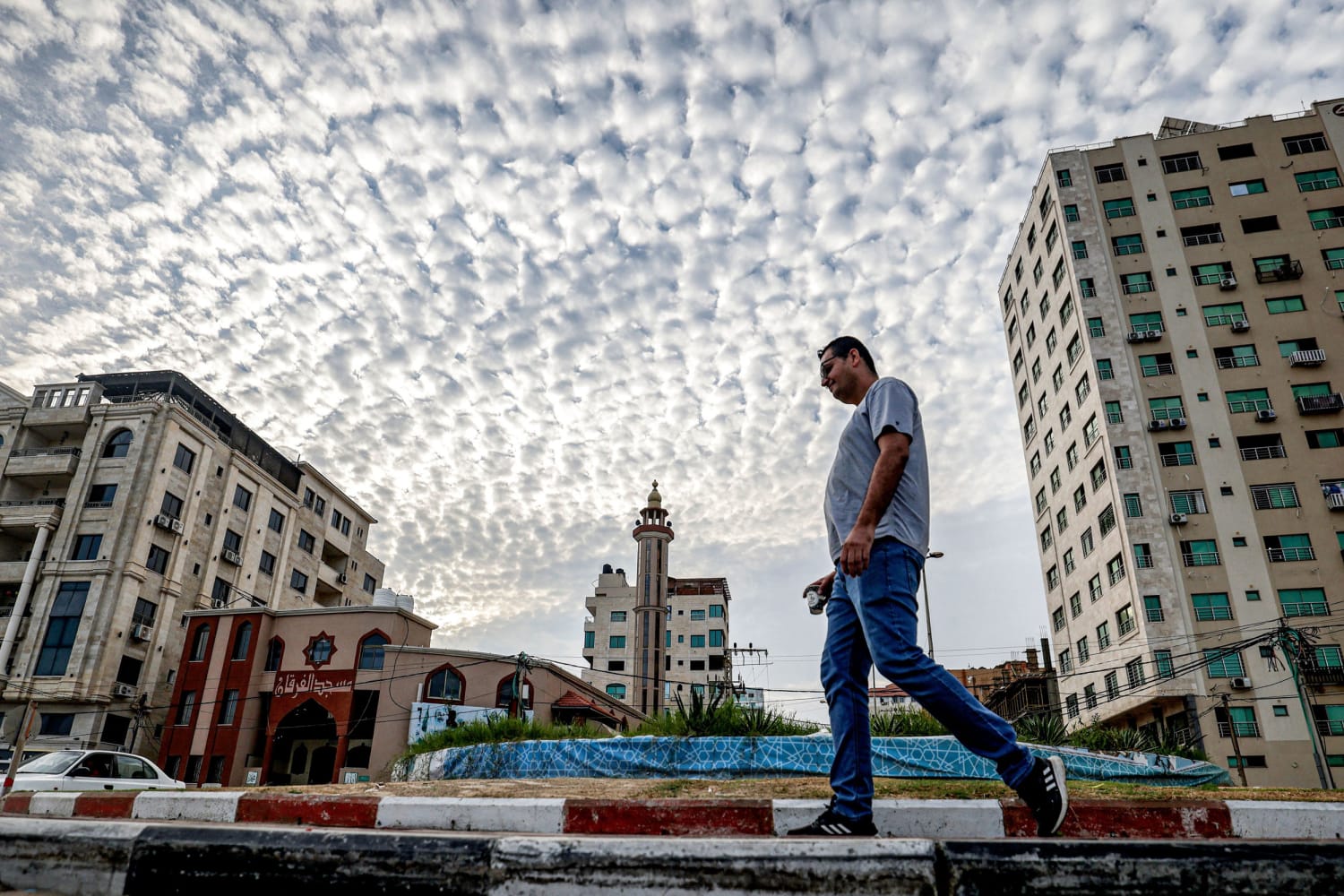
Gaza Strip, January 2026 — According to parliament news, that political observers, regional analysts, and civil society figures are increasingly focused on how the Gaza political structure is managing prolonged division, economic exhaustion, and institutional fatigue. Nearly two decades after internal Palestinian rifts reshaped governance in the territory, Gaza’s system of authority remains centralized, rigid, and increasingly detached from public participation, even as humanitarian, demographic, and social pressures deepen.
The current moment reflects the cumulative weight of unresolved political arrangements rather than a sudden breakdown, leaving governance mechanisms strained at a time when adaptability is most needed.
Foundations of Gaza’s Governing Reality
The modern governance framework in Gaza emerged after the 2006 Palestinian legislative elections and the violent political rupture that followed. Emergency administrative measures introduced during that period were initially framed as temporary, intended to stabilize conditions until reconciliation could be achieved.
Over time, however, those arrangements hardened into a permanent governing reality. Parallel institutions developed, separating Gaza’s administration from governing structures operating in the West Bank and embedding political division into daily governance.
This historical process remains central to understanding the Gaza political structure, which evolved under isolation, without electoral renewal or integration into broader Palestinian decision-making systems.
Centralized Authority and Narrow Institutional Space
A defining feature of Gaza’s governance model is the concentration of authority within a limited institutional framework. Decision-making power is tightly held, while avenues for political participation, opposition, and policy debate remain restricted.
Governance specialists argue that such centralization may provide short-term stability, but it reduces institutional resilience over time. Without feedback mechanisms or leadership renewal, systems struggle to respond to social change, economic stress, or shifting public expectations.
Within the Gaza political structure, continuity has often been prioritized over adaptation, reinforcing rigidity rather than reform.
Factional Power and Political Control
Political authority in Gaza remains inseparable from factional dynamics. Hamas exercises de facto administrative and security control within the territory, overseeing governance, internal order, and public administration.
Meanwhile, Fatah continues to dominate Palestinian national institutions based in the West Bank, maintaining influence over international diplomacy and external political engagement.
This division continues to define the Gaza political structure, reinforcing faction-based governance rather than inclusive political representation.
Electoral Absence and Frozen Leadership
One of the most persistent challenges facing Gaza’s governance environment is the absence of regular elections. Without electoral processes, leadership renewal remains frozen, and public accountability mechanisms are severely weakened.
For much of Gaza’s population, particularly younger residents, political participation has become an abstract concept rather than a lived experience. Many have never voted in a national election, contributing to disengagement and skepticism toward formal political institutions.
The prolonged absence of electoral legitimacy continues to undermine confidence in the Gaza political structure.
Governance Under Continuous Emergency Conditions
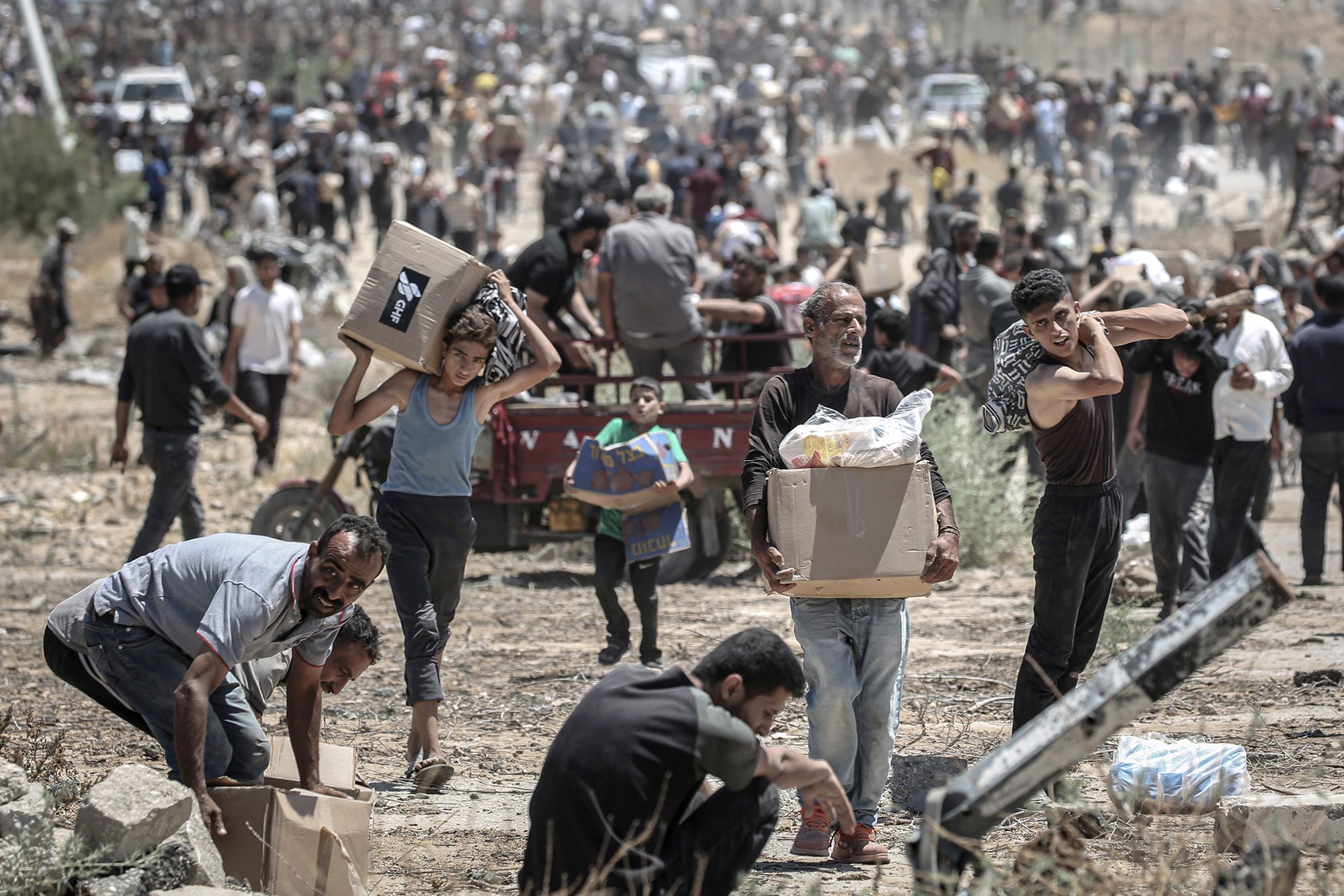
Years of blockade, repeated military conflict, and infrastructure damage have forced governing bodies into a state of permanent emergency management. Policy decisions focus on immediate crisis containment, service continuity, and security maintenance rather than long-term institutional development.
As a result, governance operates reactively, addressing shortages and disruptions as they arise while lacking the space or capacity for strategic planning.
This crisis-driven posture has become a defining characteristic of the Gaza political structure, limiting its ability to evolve.
Analyst Perspective on Institutional Stagnation
One regional governance analyst stated,
“When authority remains fixed while society changes, governance slowly loses legitimacy.”
The observation reflects growing concern among experts that Gaza’s institutions have become structurally incapable of renewal.
Such assessments underscore why the Gaza political structure is increasingly viewed as stagnant, struggling to adapt to shifting demographic, economic, and social realities.
Public Trust and Civic Disengagement
Public confidence in political institutions has eroded steadily. Many residents perceive governing authorities as distant, inaccessible, or disconnected from daily hardship. Complaints about limited transparency and responsiveness are widespread.
This erosion of trust further weakens the Gaza political structure, as authority increasingly relies on enforcement and continuity rather than public consent or participation.
Civic engagement has declined, with informal networks often replacing formal political channels in addressing community needs.
Humanitarian Administration Filling Governance Gaps
In the absence of effective political mechanisms, humanitarian organizations have taken on expanded roles across Gaza. International agencies and local non-governmental groups increasingly manage healthcare delivery, food security, housing assistance, and infrastructure repair.
While these efforts are essential for survival, analysts warn that this dynamic sidelines the Gaza political structure, reducing its role in policy development and long-term planning.
Humanitarian governance has become a substitute for political authority rather than a complement to it.
External Constraints Shaping Internal Governance
Gaza’s governance environment is heavily shaped by external forces. Border controls, security restrictions, and international policy decisions limit economic activity, political engagement, and institutional reform.
These constraints restrict the ability of governing bodies to implement meaningful change, even when internal recognition of systemic problems exists.
Such pressures continue to narrow the operational space of the Gaza political structure, reinforcing dependence on external actors.
Economic Decline and Political Feedback Loops
Economic stagnation reinforces political paralysis. High unemployment, limited private-sector activity, and reliance on external aid undermine fiscal independence and administrative flexibility.
This creates a feedback loop in which weak governance accelerates economic decline, further eroding institutional effectiveness and public confidence.
Within this cycle, the Gaza political structure faces mounting difficulty sustaining legitimacy or functionality.
Demographic Pressure and Youth Exclusion
Gaza has one of the youngest populations in the region, yet youth participation in formal political life remains minimal. Many young residents express frustration at the lack of avenues for representation or influence.
Observers warn that prolonged exclusion risks alienating an entire generation from the Gaza political structure, with long-term implications for stability and social cohesion.
Diplomatic Isolation and Representation Challenges
International engagement with Gaza remains constrained by political fragmentation. External actors often struggle to identify legitimate interlocutors for sustained political dialogue or development planning.
This leaves governance bodies largely reactive, responding to decisions made elsewhere rather than shaping outcomes through proactive diplomacy.
The Gaza political structure remains limited in its ability to influence regional or international agendas.
Incremental Reform and Its Limits
Some analysts argue that limited progress may be possible through administrative transparency, professionalization of civil services, and modest civic engagement initiatives. These steps could improve service delivery and rebuild partial trust.
However, without broader political reconciliation and electoral renewal, such measures are unlikely to transform the Gaza political structure in a meaningful way.