

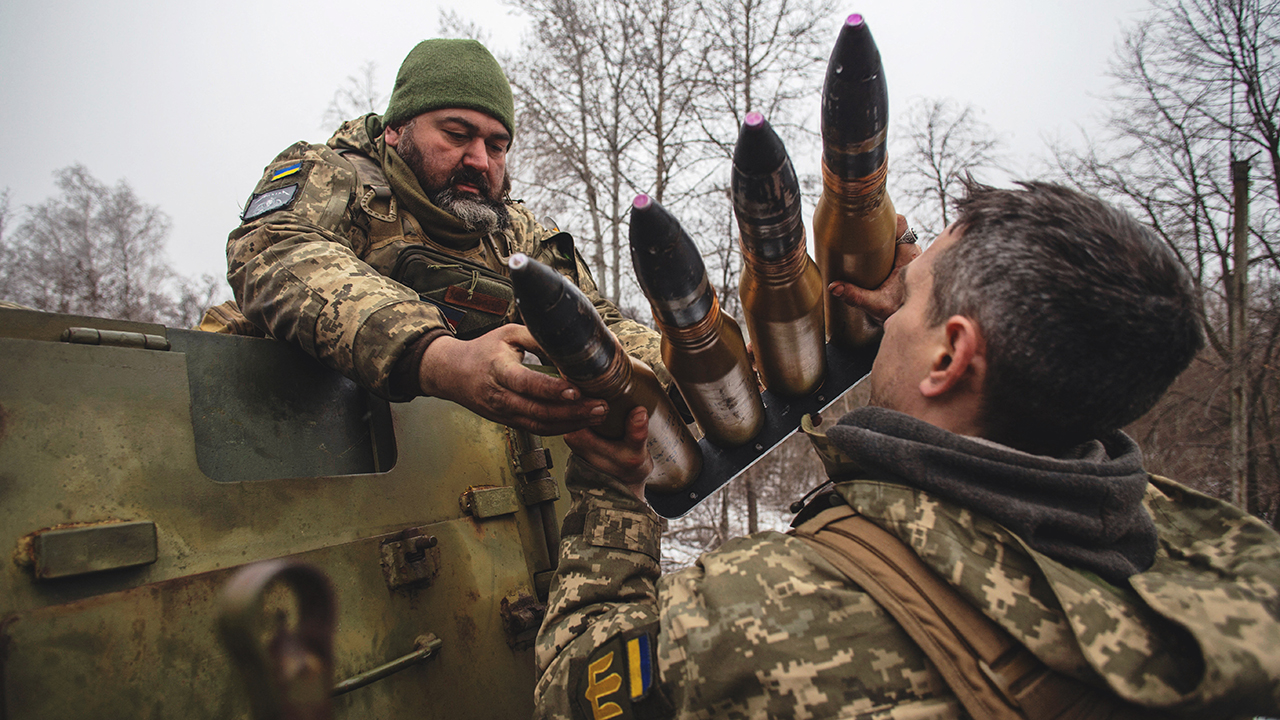
Brussels, January 2026, According to parliament news, Ukraine’s daily military briefings continue to underline the persistence and scale of the war that has reshaped Europe’s security landscape. Ukrainian defense officials confirmed another day of heavy front-line activity across multiple operational directions, reflecting a conflict that has moved beyond shock and surprise into a prolonged test of endurance. The Russian Ukrainian conflict remains the central geopolitical issue confronting Europe, influencing diplomacy, defense budgets, humanitarian planning, and public opinion.
From fortified trenches in the east to contested rural areas in the north, the front line stretches across hundreds of kilometers. Each day’s report represents not a single battle but dozens of interconnected engagements involving infantry, artillery, drones, and electronic warfare. As the Russian Ukrainian conflict enters its fourth full year, the war’s character has shifted toward attrition, resilience, and strategic patience.
The Military Situation on the Ground
Ukraine’s armed forces describe a battlefield defined by constant pressure rather than dramatic advances. Front-line clashes occur in cycles, with periods of intensified shelling followed by tactical pauses. These rhythms reflect logistical realities, weather conditions, and the rotation of units on both sides.
Military planners say the current phase of the Russian Ukrainian conflict emphasizes holding ground, preventing breakthroughs, and inflicting incremental losses. Defensive fortifications, minefields, and layered artillery coverage have become defining features of the landscape. Unlike earlier phases marked by rapid maneuvers, today’s fighting often unfolds over days or weeks for control of limited terrain.
Eastern Ukraine: The Core of the Fighting
The eastern regions continue to experience the most sustained combat. Industrial zones, supply routes, and elevated terrain remain fiercely contested. Ukrainian forces report repeated assaults supported by artillery and armored vehicles, while defenders rely on prepared positions and counter-battery fire.
Analysts argue that the Russian Ukrainian conflict has become increasingly localized in its objectives. Rather than sweeping territorial ambitions, operations often focus on securing tactical advantages that improve defensive depth or logistical access. This approach reflects lessons learned from earlier offensives that proved costly and difficult to sustain.
Northern and Northeastern Axes
Beyond the east, northern and northeastern sectors remain active. Areas near major cities are subject to intermittent shelling and reconnaissance activity. Ukrainian commanders describe these operations as pressure tactics designed to stretch defensive resources.
The geographic breadth of the Russian Ukrainian conflict complicates planning for both sides. Maintaining readiness across multiple fronts requires extensive coordination, reliable communications, and steady supply lines. Any lapse risks creating vulnerabilities that can be exploited.
Evolution of Tactics and Technology
Modern warfare defines this stage of the war. Drones are omnipresent, providing surveillance, targeting, and strike capabilities. Electronic warfare disrupts communications and navigation, while precision-guided munitions increase the impact of limited engagements.
The technological dimension of the Russian Ukrainian conflict has altered battlefield dynamics. Units must assume constant observation, reducing opportunities for surprise. Adaptation, camouflage, and rapid movement are essential for survival.
Artillery and Firepower
Artillery remains the dominant force on the battlefield. Daily exchanges shape the tempo of fighting, with counter-battery duels aimed at suppressing enemy guns. Ammunition supply has become a critical factor influencing operational decisions.
Defense experts note that in the Russian Ukrainian conflict, firepower alone is insufficient without accurate intelligence and coordination. The integration of drones with artillery units has significantly increased effectiveness while raising the stakes for logistical resilience.
Human Cost and Soldier Endurance
Behind every military update lies a human story. Soldiers endure long deployments in challenging conditions, facing fatigue, stress, and constant danger. Rotation schedules aim to preserve morale, but manpower pressures remain acute.
The Russian Ukrainian conflict has imposed a generational burden on Ukraine’s society. Families across the country have been directly affected, shaping public attitudes toward the war and reinforcing national resolve.
Civilian Life Near the Front
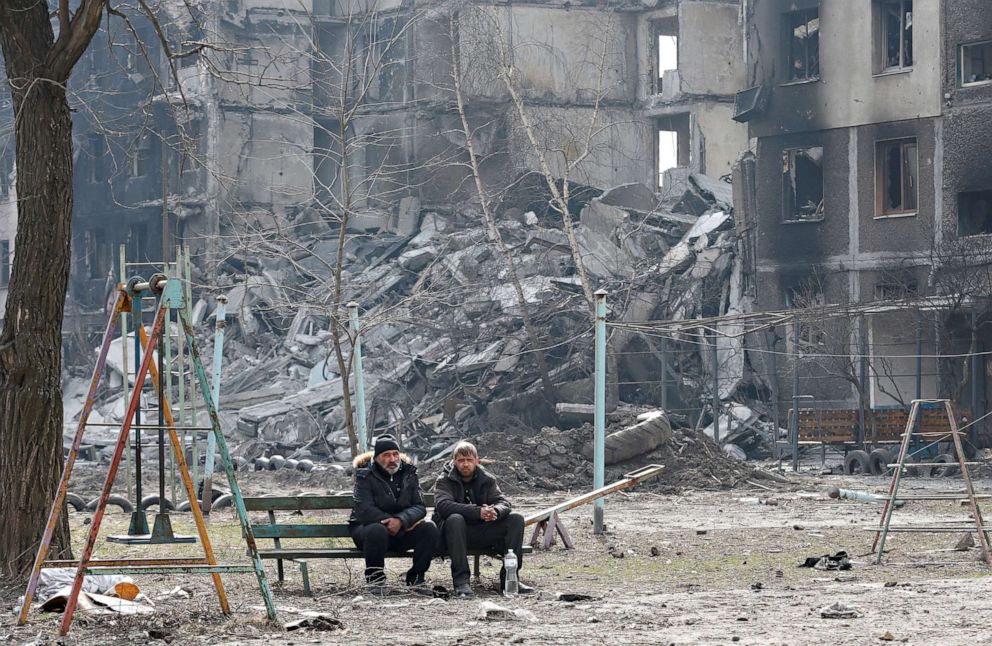
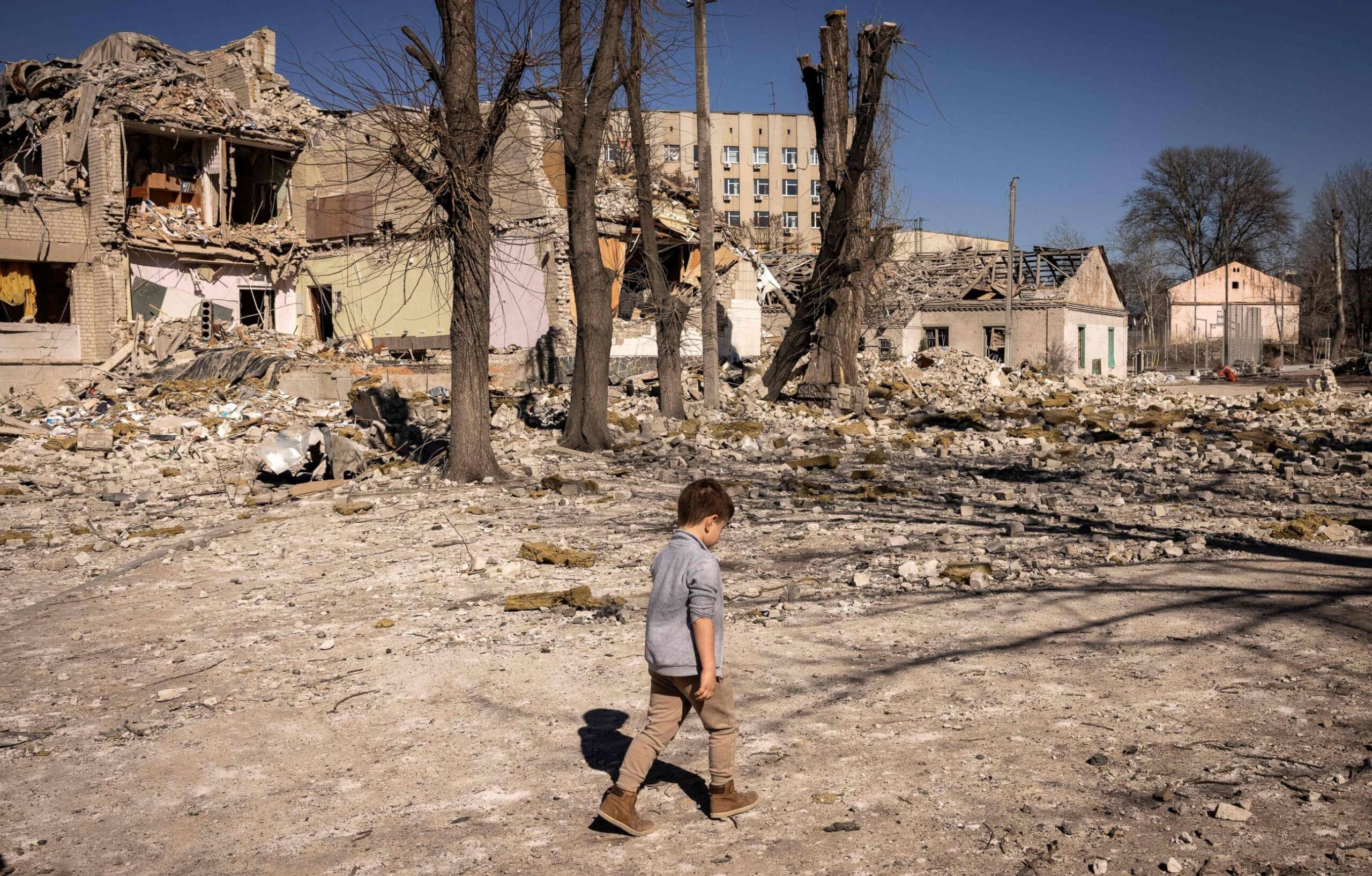
Civilians living near active combat zones face daily uncertainty. Shelling damages homes, schools, and infrastructure, while power and water supplies are frequently disrupted. Local authorities coordinate evacuations when security deteriorates.
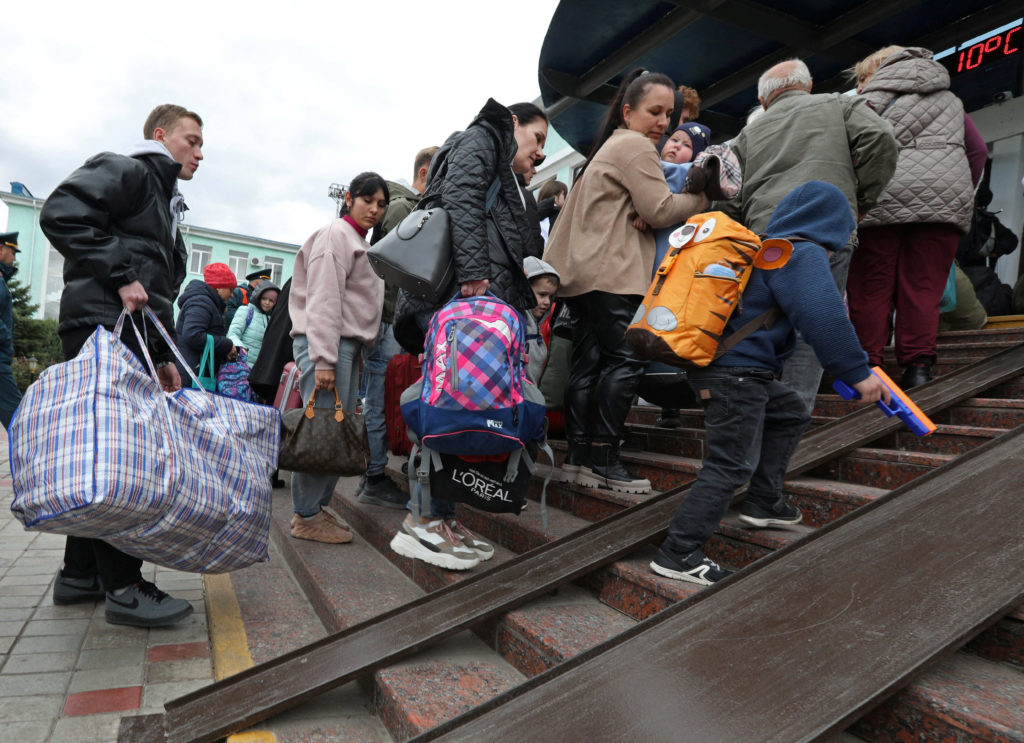
Humanitarian organizations report that the Russian Ukrainian conflict continues to displace populations, placing strain on host communities and social services. Despite these challenges, many residents choose to remain, reflecting deep ties to their land.
Infrastructure Under Strain
Transport networks, energy facilities, and industrial sites are frequent targets or collateral casualties of fighting. Repair crews work under difficult conditions to restore essential services.
Economists observing the Russian Ukrainian conflict emphasize that infrastructure resilience is as important as military capability. Maintaining electricity, rail links, and communications supports both civilian life and defense logistics.
Economic Pressures and Adaptation
War has reshaped Ukraine’s economy. Defense spending consumes a significant share of resources, while exports and investment face disruption. At the same time, wartime innovation has driven growth in defense manufacturing and technology sectors.
The Russian Ukrainian conflict has accelerated structural changes, pushing Ukraine toward greater self-reliance in critical industries while deepening ties with international partners.
International Military Support
Foreign military assistance remains a cornerstone of Ukraine’s defense. Training programs, equipment deliveries, and intelligence sharing influence battlefield outcomes. Donor countries monitor daily developments to assess needs and effectiveness.
Diplomatic observers say the Russian Ukrainian conflict has redefined alliance politics, reinforcing commitments among partners while testing political consensus in donor states.
Diplomatic Landscape in 2026
Despite ongoing fighting, diplomatic channels remain active. Negotiations focus on humanitarian access, prisoner exchanges, and risk reduction rather than comprehensive settlements.
The persistence of the Russian Ukrainian conflict underscores the gap between battlefield realities and diplomatic aspirations. Any durable resolution appears contingent on shifts in military balance and political will.
Information and Narrative Warfare
Control of information shapes domestic and international perceptions. Daily briefings, satellite imagery, and independent reporting contribute to a contested information environment.
In the Russian Ukrainian conflict, narratives influence morale, aid decisions, and public support. Transparency and credibility have become strategic assets alongside conventional capabilities.
One Official Quote
A Ukrainian defense official stated,
“Our priority remains protecting our people and holding our positions while adapting to the realities of a long war.”
The comment reflects the broader approach shaping Ukraine’s conduct in the Russian Ukrainian conflict.
Strategic Implications for Europe
The war’s impact extends beyond Ukraine’s borders. Defense policies across Europe have shifted toward increased spending, force modernization, and renewed focus on territorial defense.
Security analysts argue that the Russian Ukrainian conflict has ended assumptions about long-term stability on the continent, prompting reassessments of risk and preparedness.
Energy and Global Markets
Energy markets remain sensitive to developments in the region. Infrastructure risks and geopolitical uncertainty contribute to volatility, affecting consumers far beyond Eastern Europe.
The Russian Ukrainian conflict continues to influence global commodity flows, reinforcing the link between security and economic stability.
Legal and Accountability Questions
International legal bodies monitor alleged violations of humanitarian law. Documentation efforts aim to preserve evidence for future proceedings.
In the context of the Russian Ukrainian conflict, accountability is viewed by many as essential for long-term reconciliation and rule-based international order.
Public Opinion and National Resolve
Public support within Ukraine remains resilient despite fatigue. Opinion surveys indicate strong backing for continued defense, even as calls grow for international solidarity.
The Russian Ukrainian conflict has become a defining element of national identity, shaping how Ukrainians view sovereignty, security, and Europe.
Military Planning for the Months Ahead
Commanders anticipate continued front-line activity through the coming seasons. Weather, equipment availability, and troop rotations will influence operational tempo.
As the Russian Ukrainian conflict persists, flexibility and adaptation remain central to planning on both sides.
The Role of Training and Professionalization
Ongoing training programs emphasize small-unit leadership, combined-arms coordination, and survivability. Lessons learned on the battlefield are rapidly incorporated into doctrine.
Observers say the Russian Ukrainian conflict has accelerated the professional development of Ukraine’s armed forces under the most demanding conditions.
Psychological Dimension of Prolonged War
Extended conflict places psychological strain on soldiers and civilians alike. Support services, counseling, and community initiatives play a growing role in resilience.
The human dimension of the Russian Ukrainian conflict highlights that endurance depends not only on weapons but also on mental health and social cohesion.
Media Coverage and Global Attention
International media coverage fluctuates with major developments, but sustained reporting continues to document daily realities. Accurate reporting counters misinformation and maintains awareness.
In the Russian Ukrainian conflict, visibility influences diplomatic engagement and humanitarian response.
Environmental Impact
Fighting has damaged ecosystems, polluted soil and water, and increased fire risks. Environmental assessments warn of long-term consequences that will require extensive remediation.
The Russian Ukrainian conflict thus carries ecological costs that extend well beyond the battlefield.
Preparing for Post-War Recovery
Even amid active fighting, planning for recovery has begun. Infrastructure rebuilding, economic reform, and social reconciliation feature in long-term strategies.
Experts emphasize that addressing the legacies of the Russian Ukrainian conflict will require sustained international cooperation and domestic reform.
How This Phase May Define the War’s Meaning
As 2026 unfolds, the war remains unresolved, complex, and deeply consequential. Daily front-line reports illustrate a conflict defined by persistence rather than dramatic change. Military adaptation, civilian resilience, and international engagement continue to shape outcomes.
The Russian Ukrainian conflict, now firmly entrenched in its current phase, stands as one of the most significant security challenges of the modern era. Its resolution will not only determine Ukraine’s future but also influence the broader architecture of European and global security for decades to come.