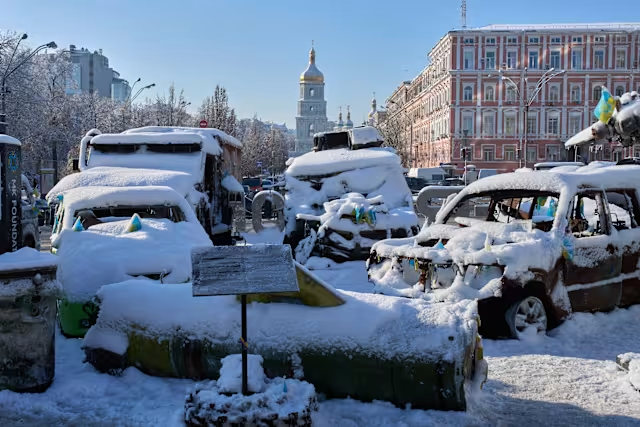
Kyiv, Ukraine, January 2026, According to parliament news from a capital facing one of the most severe civilian challenges of the war. Damage to Ukraine energy infrastructure following renewed Russian strikes has left thousands of buildings without consistent heating, exposing the fragile backbone that supports daily life in the country’s largest urban center. As temperatures fall, the struggle to keep homes warm has become inseparable from broader questions of resilience, security, and survival.
This winter crisis is not an isolated incident. It reflects years of sustained pressure on essential systems and the cumulative impact of attacks that increasingly target the foundations of civilian life rather than frontline positions.
How the Latest Strikes Unfolded
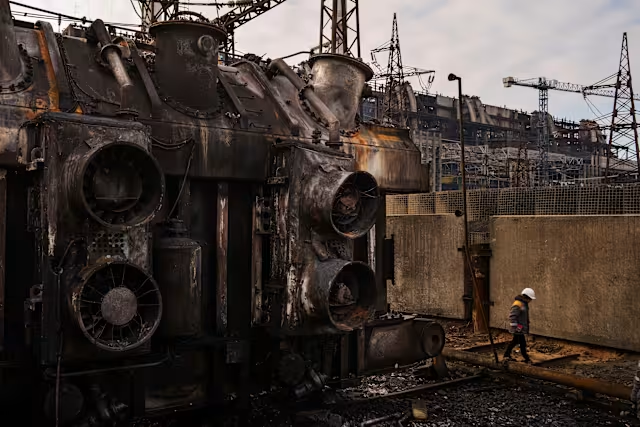
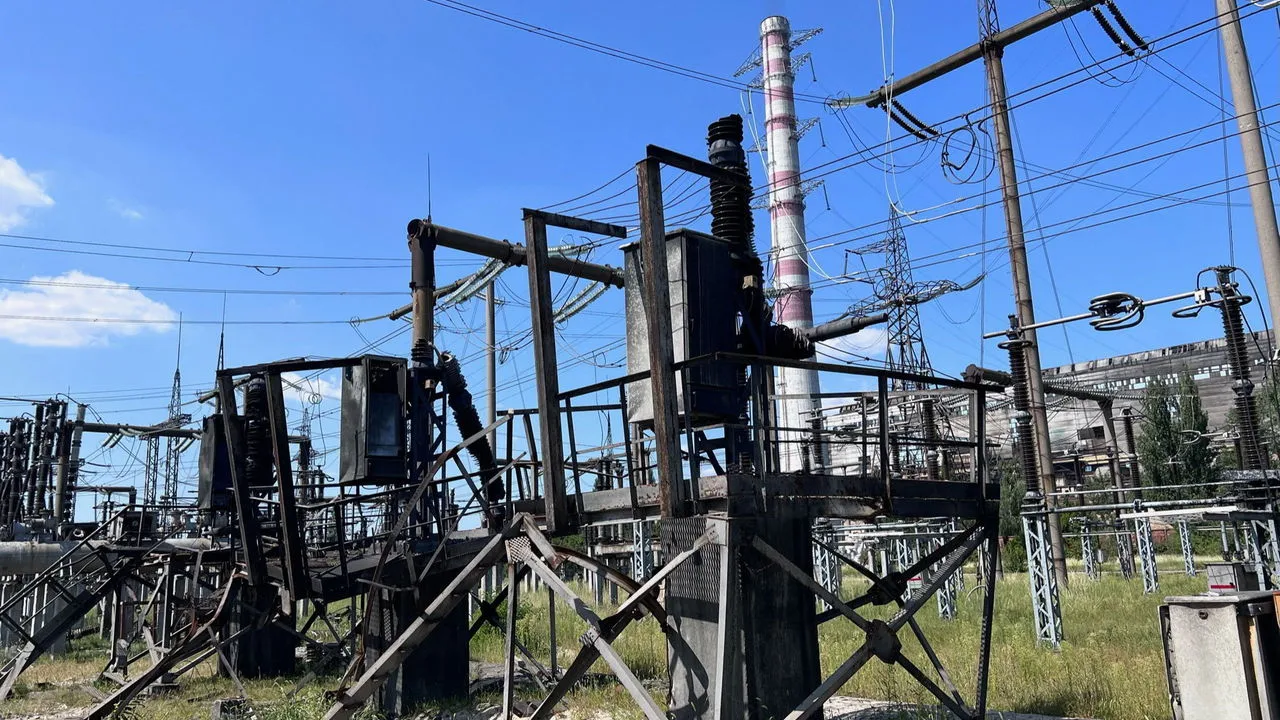
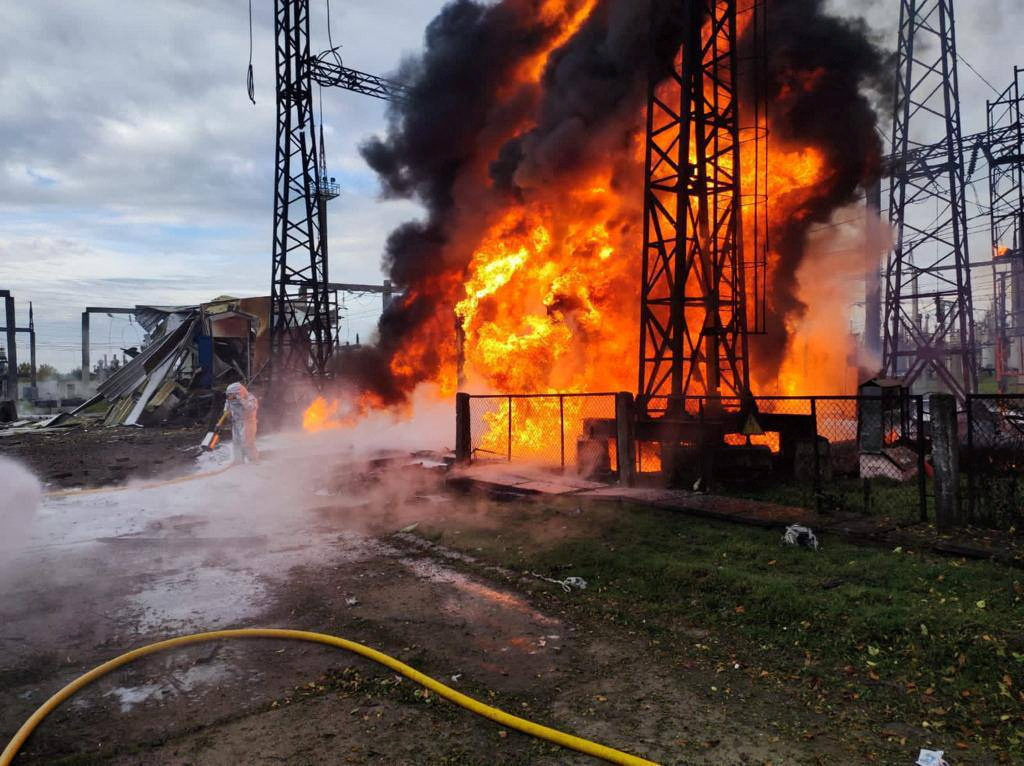
The most recent wave of strikes hit key nodes supplying heat and electricity across multiple districts of Kyiv. Officials described damage to pipelines, substations, and control systems that manage the flow of energy throughout the city. Within hours, entire neighborhoods experienced outages, forcing emergency shutdowns to prevent secondary failures.
The impact on Ukraine energy infrastructure was immediate and visible. Apartment blocks went cold, schools suspended in person classes, and hospitals activated backup power systems. Authorities stressed that the attacks appeared calibrated to cause maximum disruption rather than total destruction, complicating repair efforts.
Understanding the Central Heating System
Kyiv relies heavily on centralized heating, a legacy of Soviet era urban planning designed to efficiently serve dense residential areas. This system depends on an intricate network of boilers, pipelines, and pressure controls. When even a single component is damaged, cascading effects can spread rapidly.
The vulnerability of Ukraine energy infrastructure lies in this interconnectedness. While centralized systems are efficient in peacetime, they are particularly exposed during conflict, where targeted damage can disable services for thousands at once.
Life Inside a City Without Reliable Heat
For residents, the loss of heating transforms daily routines. Families cluster in the warmest rooms, using electric heaters sparingly to avoid overloading circuits. Elderly residents and young children are especially vulnerable, prompting neighbors and volunteers to check on those living alone.
The strain on Ukraine energy infrastructure also increases electricity demand, as households substitute electric heating for central systems. This shift places additional pressure on grids already weakened by repeated attacks, raising the risk of further outages.
Municipal Response and Emergency Planning
City authorities activated emergency response plans within hours of the strikes. Mobile boiler units were dispatched to critical facilities, and temporary warming centers opened in community buildings. Repair crews worked in shifts, pausing during air raid alerts and resuming as soon as conditions allowed.
Kyiv Mayor Vitali Klitschko addressed the public during a briefing, emphasizing both urgency and resolve. He said,
“Our services are restoring heating wherever possible, even as repairs take place under constant threat.”
His remarks highlighted how deeply Ukraine energy infrastructure is tied to public morale as well as physical survival.
The Human Cost of Prolonged Outages
Extended heating disruptions carry serious health risks. Cold indoor temperatures can exacerbate respiratory and cardiovascular conditions, particularly among older adults. Hospitals remain operational thanks to generators, but medical staff warn that sustained strain increases vulnerability.
Humanitarian organizations working in Kyiv report rising demand for blankets, heaters, and insulation materials. The condition of Ukraine energy infrastructure thus becomes a humanitarian issue as much as a technical one, shaping the well being of millions.
A Nationwide Challenge
While the capital draws the most attention, similar issues affect cities and towns across the country. Power generation facilities, transmission lines, and regional heating plants have all been targeted at various points, stretching repair capacity thin.
In many regions, Ukraine energy infrastructure operates in a constant cycle of damage and repair. Crews restore functionality only to see it disrupted again days or weeks later. This pattern erodes reserves and complicates long term planning.
Energy Workers on the Front Line
Utility workers have become unsung frontline figures. They operate in dangerous conditions, often repairing systems exposed to open areas or damaged structures. Protective equipment and safety protocols are essential, yet the risks remain high.
Their efforts keep Ukraine energy infrastructure functioning against the odds. Engineers describe a race against time, balancing speed with precision to prevent further failures. Each repair represents not just restored heat but a reaffirmation of civilian resilience.
International Assistance and Technical Support
International partners have stepped up support, supplying generators, transformers, and specialized equipment. Technical experts advise on rapid repair techniques and ways to reinforce vulnerable components.
This assistance plays a crucial role in stabilizing Ukraine energy infrastructure, but officials caution that external support cannot fully offset sustained attacks. Long term resilience will require structural changes and continued investment.
Energy as a Strategic Target
Analysts note that attacks on heating and power systems serve strategic objectives. By disrupting daily life, they aim to sap morale and strain governance capacity. Energy systems become leverage points rather than collateral damage.
The focus on Ukraine energy infrastructure reflects this strategy. Targeting civilian systems shifts the battlefield into homes and hospitals, blurring the line between military and humanitarian domains.
The Legal and Ethical Debate
International law prohibits attacks on civilian infrastructure essential to survival. Each incident renews debate over accountability and enforcement. Documentation efforts by Ukrainian authorities and international bodies aim to preserve evidence for future legal proceedings.
The condition of Ukraine energy infrastructure thus carries implications beyond immediate repairs. It feeds into broader discussions about war crimes, norms, and the protection of civilians in modern conflicts.
Winter Amplifies Every Weakness
Cold weather magnifies the consequences of infrastructure damage. Pipes freeze, materials become brittle, and repair windows narrow. What might be manageable in warmer months becomes critical during winter.
For Ukraine energy infrastructure, winter represents both a test and a catalyst. It exposes vulnerabilities while accelerating innovation, as engineers adapt systems to withstand extreme conditions.
Decentralization as a Long Term Solution
Policy discussions increasingly focus on decentralization. Smaller, localized heating and power units reduce the risk of widespread outages from single points of failure. Renewable energy and microgrids feature prominently in these debates.
Strengthening Ukraine energy infrastructure through decentralization could reshape the country’s energy landscape, making it more resilient not only to conflict but also to future climate challenges.
Public Trust and Institutional Credibility
How authorities manage the crisis influences public trust. Transparent communication, visible repair efforts, and equitable distribution of resources help maintain confidence.
The performance of Ukraine energy infrastructure becomes a measure of institutional credibility. Each restored building signals competence and care, reinforcing social cohesion under pressure.
Economic Consequences of Energy Disruption
Energy outages ripple through the economy. Businesses reduce operations, supply chains slow, and productivity declines. Small enterprises, already strained by conflict, face additional losses.
The stability of Ukraine energy infrastructure is therefore linked to economic survival. Keeping systems running supports employment and preserves the foundations for eventual recovery.
Environmental Considerations Amid the Crisis
Emergency solutions often rely on diesel generators and other temporary measures with environmental costs. While necessary, they complicate longer term sustainability goals.
Balancing immediate needs with future planning remains a challenge for Ukraine energy infrastructure, as policymakers weigh short term survival against long term environmental impact.
Information Management and Public Awareness
Clear information helps residents make informed decisions. Authorities use multiple channels to update the public on repair timelines, safety measures, and available assistance.
Managing expectations around Ukraine energy infrastructure is critical. Overpromising risks disappointment, while transparency builds resilience even amid hardship.
Comparisons With Past Winters
Each winter since the escalation of the conflict has tested energy systems differently. This season stands out for the scale and coordination of attacks.
Lessons learned from previous years inform current strategies to protect Ukraine energy infrastructure, from stockpiling spare parts to training rapid response teams.
The Psychological Dimension of Cold
Cold affects not only physical health but also mental well being. Prolonged discomfort, uncertainty, and disruption contribute to stress and fatigue.
Addressing the psychological impact linked to Ukraine energy infrastructure disruptions requires community support, mental health services, and a sense of shared purpose.
Preparing for What Comes Next
Authorities acknowledge that intermittent disruptions may continue. Contingency planning focuses on redundancy, rapid repair, and public preparedness.
The future of Ukraine energy infrastructure will depend on adaptive strategies that assume ongoing risk rather than temporary relief.
A Winter That Will Shape the Future
As 2026 unfolds, the struggle to keep Kyiv warm encapsulates broader themes of endurance and adaptation. Ukraine energy infrastructure has become more than pipes and wires; it represents the determination to sustain civilian life amid conflict.
How this winter is weathered will influence policy, planning, and public memory long after the immediate crisis fades. It is a season that may redefine how the country builds, protects, and values the systems that keep its people alive.