

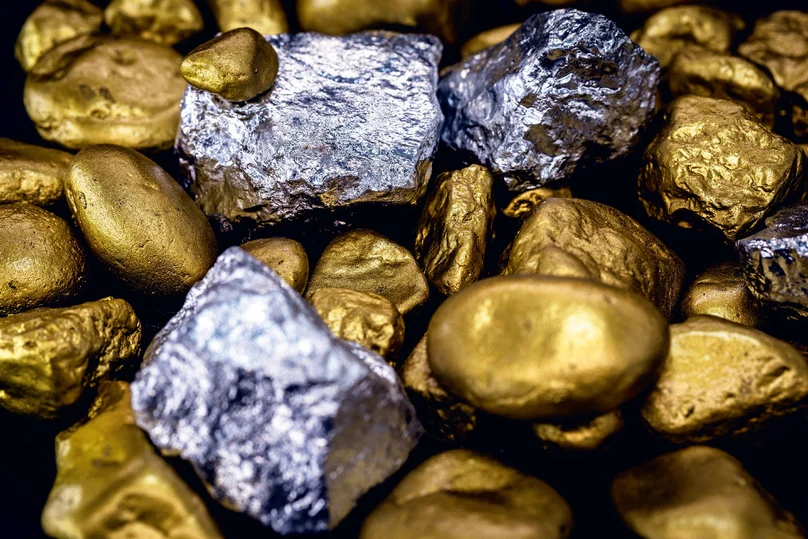
Brussels, January 2026 — the Gold and platinum markets are once again at the center of global financial attention, reflecting deeper shifts in monetary policy, industrial demand, and investor psychology. As governments, central banks, and institutional investors navigate a complex economic landscape, precious metals are emerging not as speculative assets, but as structural pillars of financial stability.
Across trading floors from Europe to Asia, analysts describe the current phase as a transition from volatility toward balance, where metals prices reflect long-term fundamentals rather than short-term sentiment.
A New Chapter for Precious Metals
The global commodities landscape has evolved rapidly in recent years. After sharp swings driven by inflation fears, interest rate hikes, and geopolitical disruptions, precious metals have entered a phase of recalibration.
Gold continues to anchor portfolios as a hedge against uncertainty, while platinum’s role has expanded beyond traditional automotive demand into clean energy and advanced manufacturing. Together, these dynamics have elevated the importance of the Gold and platinum markets within global asset allocation strategies.
Investor Behavior Shifts Toward Tangible Assets
In an environment marked by elevated debt levels and fragile growth, investors are increasingly favoring tangible assets with intrinsic value. Precious metals offer insulation from currency debasement and geopolitical risk.
Fund managers note that capital flows into metals backed instruments have stabilized, signaling confidence rather than fear. This supports the view that the Gold and platinum markets are benefiting from structural demand rather than speculative trading.
Central Banks and Strategic Gold Holdings
Central banks have played a pivotal role in reshaping metals demand. In recent years, official gold purchases have increased as monetary authorities diversify reserves away from traditional currencies.
Gold’s neutrality and liquidity make it attractive during periods of geopolitical fragmentation. This reinforces the long-term foundation of the Gold and platinum markets, particularly as reserve strategies evolve in emerging and developed economies alike.
Interest Rates and Inflation Expectations
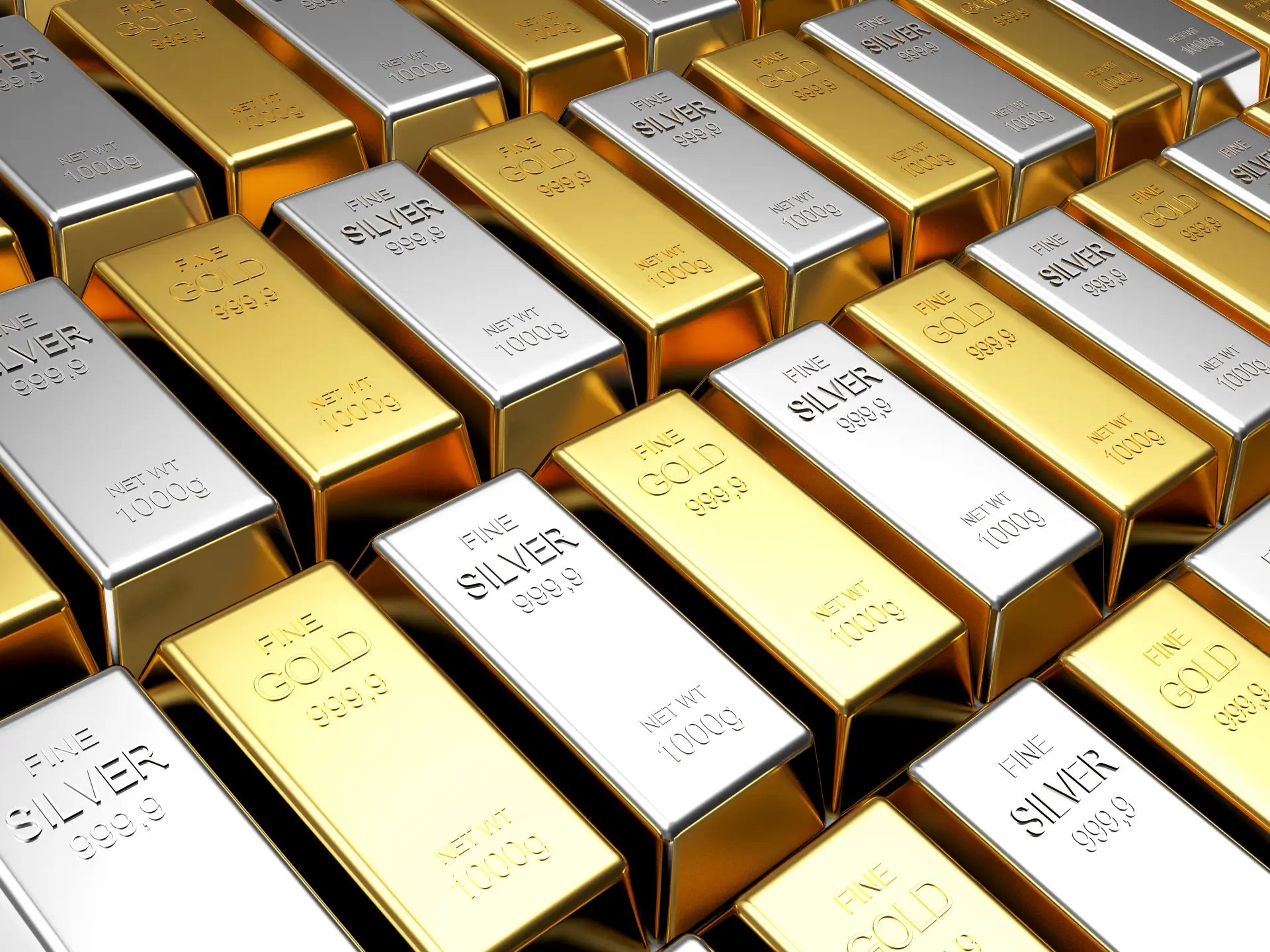
Monetary policy remains a critical influence on precious metals pricing. Lower real interest rates tend to support gold, while tighter conditions can create temporary headwinds.
Despite shifting expectations, metals have shown resilience, indicating that investors are positioning beyond near-term policy moves. Analysts argue this resilience highlights the maturity of the Gold and platinum markets in absorbing macroeconomic shocks.
Industrial Demand Expands Platinum’s Role
Platinum’s industrial relevance has expanded significantly. Beyond catalytic converters, the metal is now increasingly linked to hydrogen fuel technologies, renewable energy systems, and industrial catalysts.
This diversification has added depth to platinum demand, strengthening its role alongside gold. As a result, the Gold and platinum markets now reflect both financial security and technological progress.
South Africa and the Global Supply Chain
South Africa remains central to platinum supply, making mining output a key variable in global pricing. Labor issues, infrastructure constraints, and environmental regulations have influenced production levels.
These supply challenges have contributed to tighter market conditions, adding support to the Gold and platinum markets amid steady demand.
Mining Costs and Environmental Pressures
Rising energy costs and sustainability requirements have reshaped mining economics. Producers are investing heavily in efficiency, emissions reduction, and automation.
While these changes increase upfront costs, they also reinforce long-term supply discipline, which analysts believe could stabilize the Gold and platinum markets over time.
Currency Markets and Precious Metals
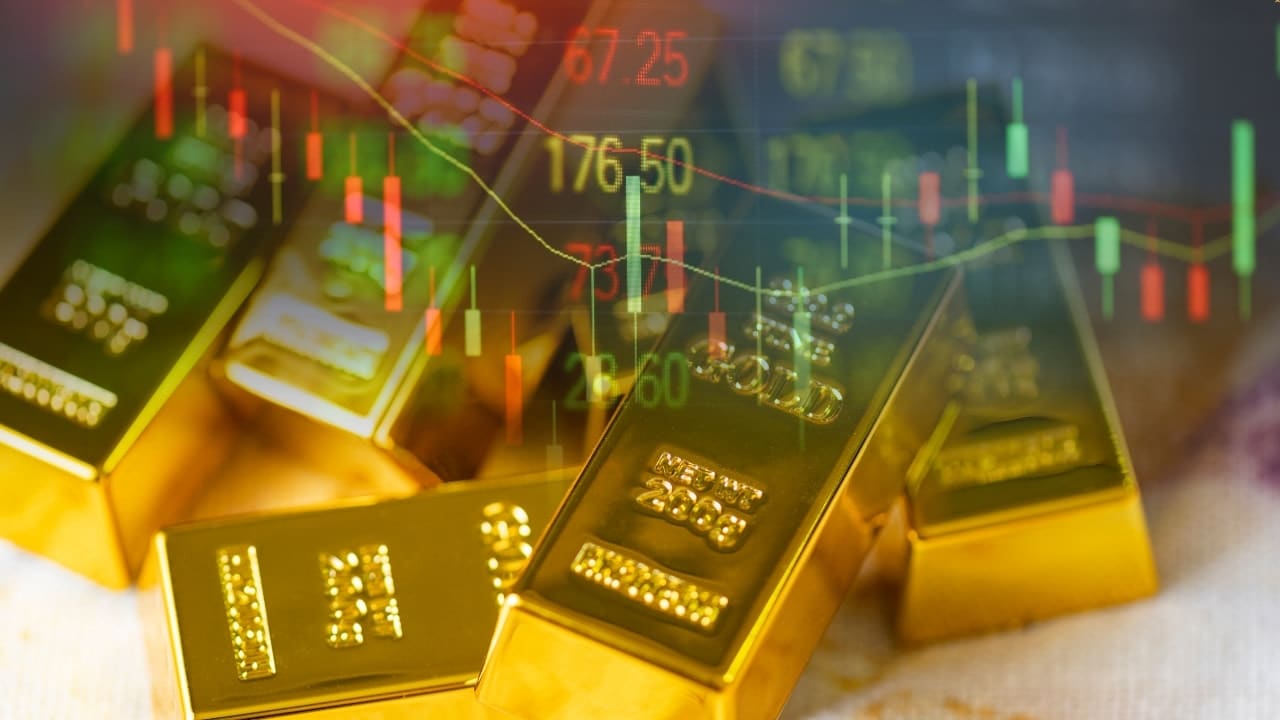
Commodity linked currencies often move in tandem with metals prices. Stronger precious metals support export revenues, improve trade balances, and boost investor confidence in resource rich economies.
This relationship highlights the systemic influence of the Gold and platinum markets beyond commodity exchanges alone.
Global Demand Patterns Across Regions
Demand dynamics differ widely by region. Asian markets continue to drive jewelry consumption, while Western investors emphasize gold as a hedge and store of value.
Meanwhile, industrial users in Europe and North America are increasingly focused on platinum’s role in clean technology. These diverse forces ensure the Gold and platinum markets remain globally interconnected.
Safe Haven Appeal in Uncertain Times
Periods of geopolitical tension often revive demand for safe haven assets. Gold’s historical role in preserving wealth during crises continues to resonate with investors.
This enduring appeal reinforces the relevance of the Gold and platinum markets during times of uncertainty and strategic realignment.
Technology and Market Transparency
Digital trading platforms, real-time data, and improved market access have increased transparency across precious metals trading. Retail and institutional investors alike benefit from better price discovery.
These developments have contributed to healthier price formation within the Gold and platinum markets, reducing distortions caused by information asymmetry.
Volatility Remains a Structural Feature
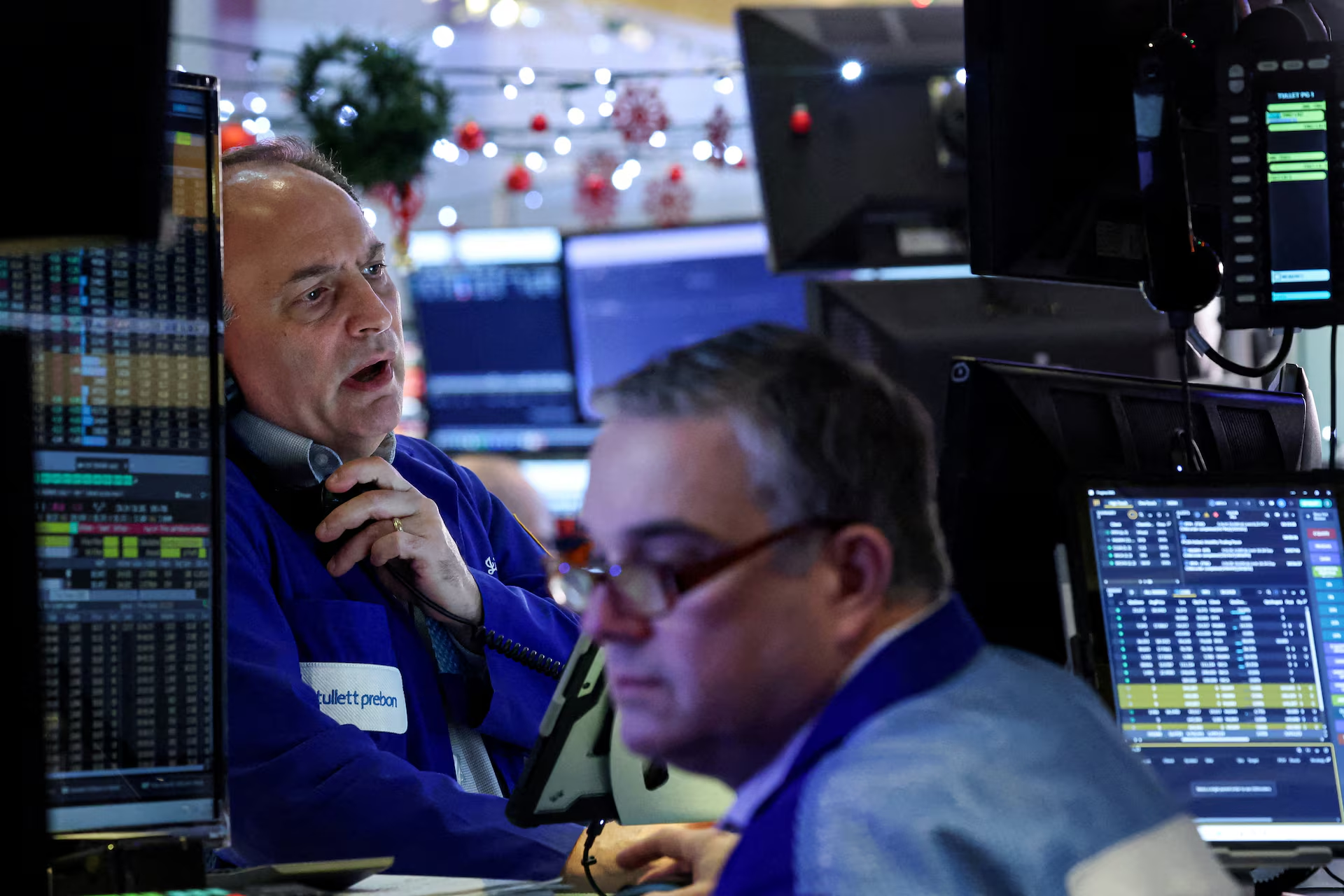
Despite recent stability, precious metals are not immune to volatility. Profit taking, shifts in monetary expectations, and geopolitical events can trigger short-term corrections.
One senior commodities analyst said,
“Precious metals are no longer reacting emotionally but responding structurally to economic signals.”
Risk Management and Portfolio Construction
Modern portfolio theory increasingly incorporates precious metals as stabilizing components. Gold’s low correlation with equities and bonds enhances diversification benefits.
This approach has strengthened long-term demand for the Gold and platinum markets, particularly among pension funds and sovereign wealth managers.
The Role of ETFs and Investment Vehicles
Exchange traded funds have transformed access to precious metals, allowing investors to gain exposure without physical ownership.
ETF flows provide insight into sentiment trends and continue to influence liquidity within the Gold and platinum markets.
Geopolitical Fragmentation and Trade Realignment
Global trade patterns are evolving amid strategic competition and supply chain reshoring. Precious metals play a role in safeguarding economic autonomy.
This geopolitical backdrop adds another layer of relevance to the Gold and platinum markets, especially as nations reassess resource security.
Sustainability and Ethical Sourcing
Environmental and social governance standards are increasingly shaping investment decisions. Ethical sourcing and responsible mining practices are becoming prerequisites for institutional capital.
These expectations are driving reforms that support the long-term credibility of the Gold and platinum markets.
Outlook for the Second Half of 2026
Looking ahead, analysts expect steady rather than explosive growth. Inflation trends, industrial adoption, and central bank policy will remain key drivers.
Most forecasts suggest the Gold and platinum markets will maintain their strategic role rather than deliver dramatic price spikes.
A Structural Pillar of Global Finance
Beyond daily price movements, precious metals remain embedded within global financial systems. Their relevance spans wealth preservation, industrial innovation, and economic resilience.
As markets continue to adapt, the Gold and platinum markets are expected to remain foundational elements of global financial architecture.
A Sector Defined by Balance Not Excess
The current cycle marks a period of normalization rather than decline. Precious metals are transitioning from crisis driven demand toward sustainable long-term relevance.
In 2026, the Gold and platinum markets stand not as speculative instruments, but as stabilizing forces in an increasingly complex global economy.