

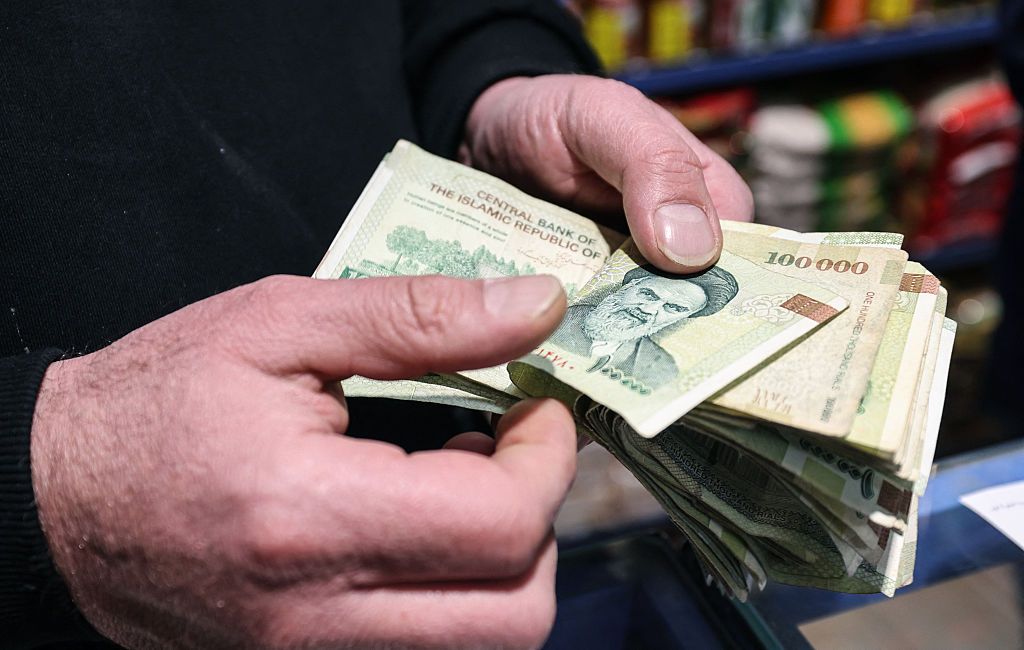
Tehran, Iran | January, 2026: The Iran currency crisis has become one of the most powerful forces shaping economic behavior and social stability across the country in 2026. From the capital to smaller provincial towns, the weakening of the national currency has altered how families shop, how businesses price goods, and how workers plan for the future. Inflation is no longer an abstract indicator discussed by economists; it is a daily reality measured in grocery bills, rent payments, and transportation costs.
What was once considered a temporary economic challenge has evolved into a prolonged period of adjustment, forcing households and institutions alike to rethink priorities and expectations.
Currency Instability Alters the Economic Foundation
The decline in the value of the national currency has affected nearly every layer of the economy. Imports have grown more expensive, increasing costs for food, medicine, industrial materials, and consumer goods. Even domestically produced items reflect rising prices as transportation and energy expenses climb.
Economists say the Iran currency crisis has exposed structural weaknesses that were previously manageable, including dependence on imported inputs and limited flexibility in monetary policy. These vulnerabilities have become more visible as volatility persists.
Inflation Moves From Statistics to the Kitchen Table
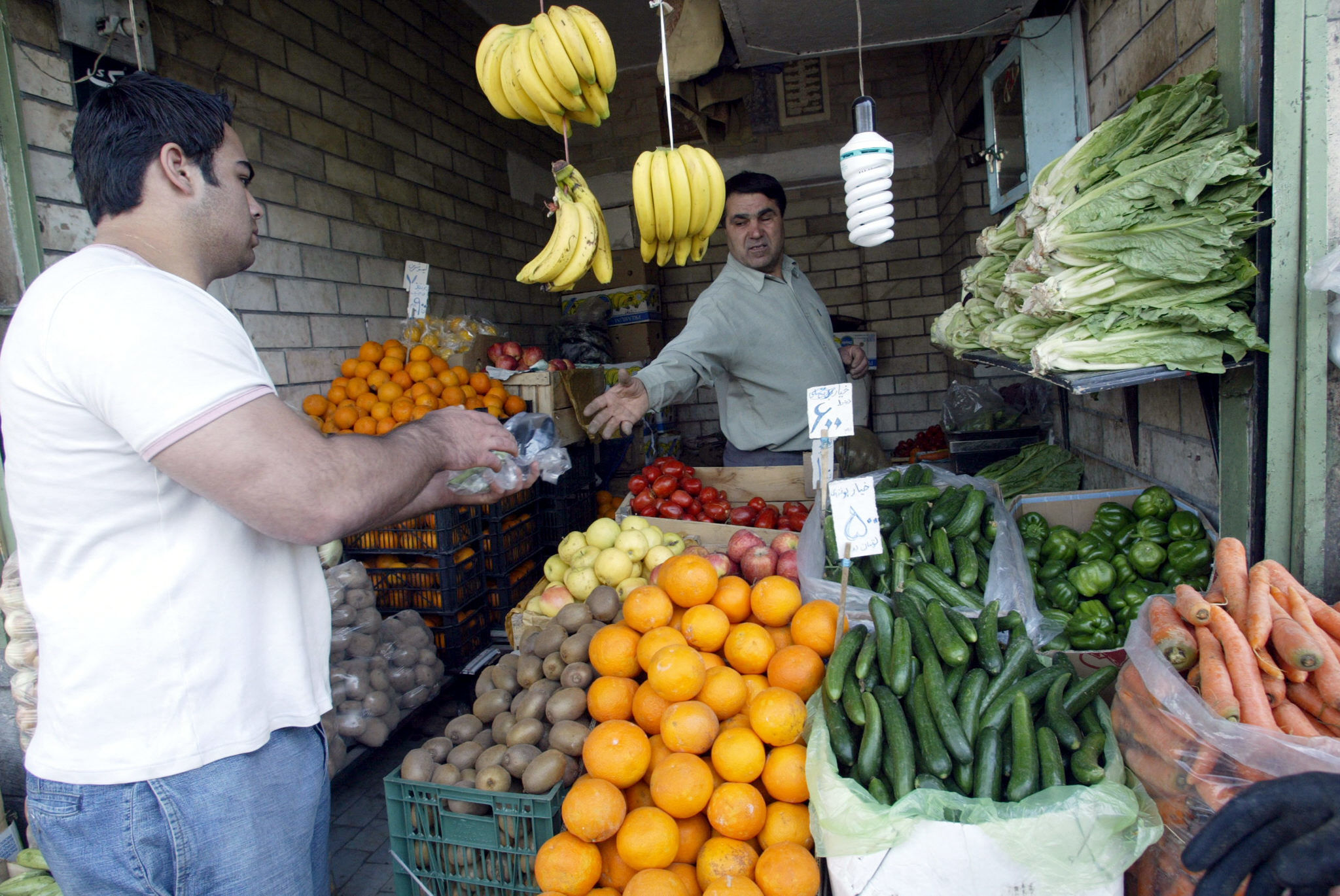
For ordinary households, inflation is most apparent in daily purchases. Grocery shopping now requires careful calculation, with families comparing prices more frequently and buying smaller quantities. Items once considered basic have become harder to afford consistently.
As the Iran currency crisis continues, many families have adjusted by reducing nonessential spending, postponing major purchases, and shifting consumption toward lower-cost alternatives. These changes are reshaping lifestyle patterns across income groups.
Marketplaces Reflect Caution and Uncertainty
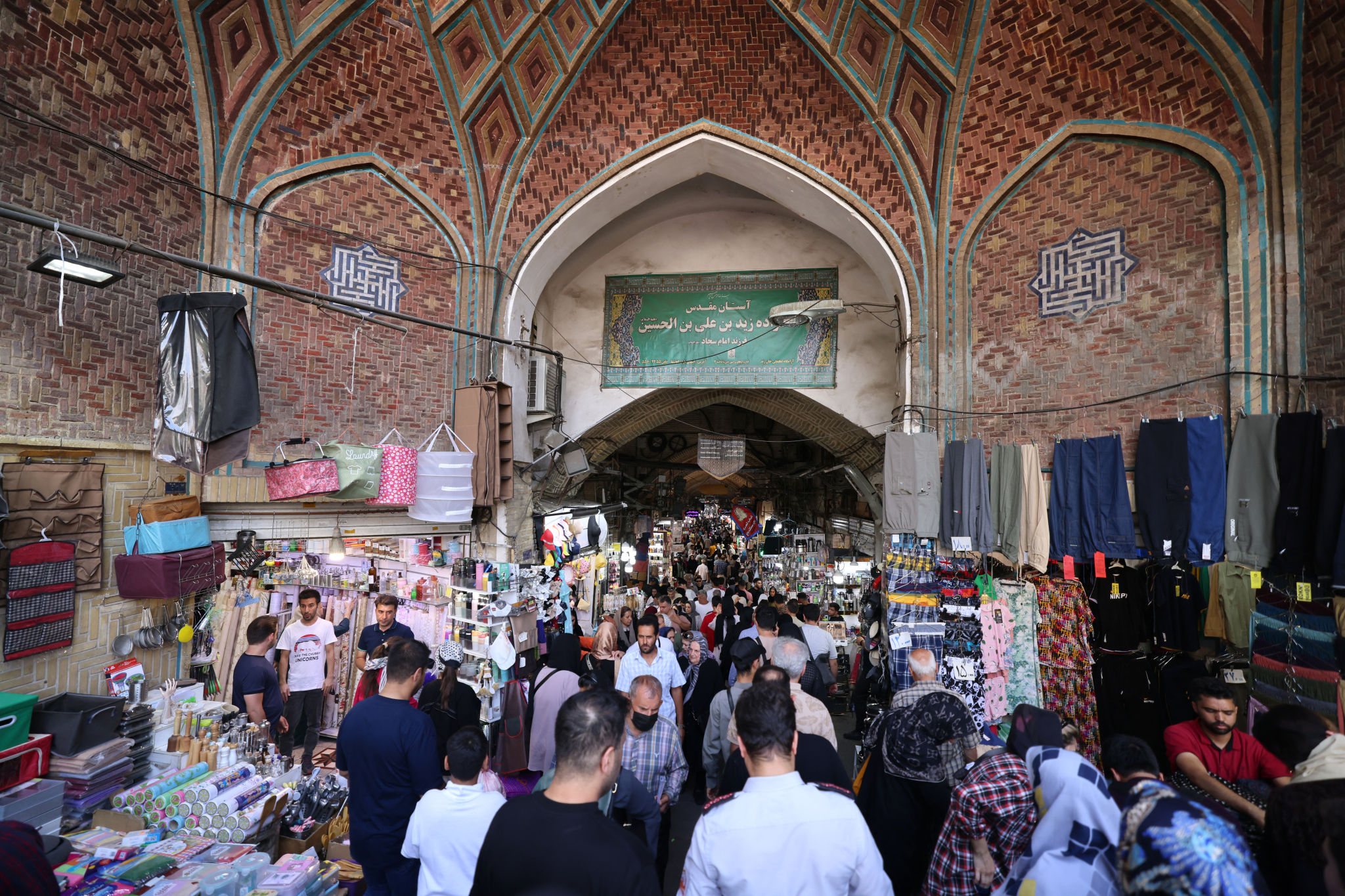
Traditional markets and retail districts have become informal indicators of economic sentiment. Vendors hesitate to commit to large inventories, wary of sudden cost increases. Customers delay purchases, uncertain whether prices will stabilize or rise further.
Market analysts note that the Iran currency crisis has weakened confidence, slowing transaction volumes and reinforcing a cycle of hesitation that affects wholesalers, retailers, and consumers alike.
Savings Erosion and Financial Insecurity
Savings held in local currency have lost significant real value, undermining a key source of financial security for many households. Families that once relied on modest reserves to manage emergencies now find those funds insufficient.
Financial advisors warn that the Iran currency crisis discourages long-term saving and encourages short-term coping strategies, which may increase vulnerability over time.
Small Businesses Shift Toward Survival
Small and medium-sized enterprises face growing pressure as costs rise and consumer demand weakens. Imported raw materials, spare parts, and equipment are more expensive, while customers are more cautious with spending.
For business owners, the Iran currency crisis has meant shifting focus from growth and expansion to cost control and survival. Hiring plans are delayed, investments postponed, and risk tolerance reduced.
Employment Stability Masks Declining Living Standards
While employment levels have not collapsed, real income tells a different story. Wage increases lag behind inflation, leaving many workers with diminished purchasing power despite remaining employed.
Labor economists say the Iran currency crisis has widened the gap between nominal wages and real living costs, changing how workers assess their financial security and future prospects.
Social Stress Extends Beyond Economics
Economic strain increasingly affects social well-being. Families delay decisions related to marriage, housing, and education. Financial uncertainty has become a source of stress that influences personal relationships and mental health.
Sociologists note that prolonged financial pressure reshapes behavior, encouraging caution and reducing optimism about upward mobility and long-term planning.
Healthcare and Education Feel the Pressure
Rising costs have also affected access to healthcare and education. Some households postpone nonurgent medical treatment due to expense, while education-related costs strain family budgets.
Experts warn that prolonged financial stress can have lasting consequences for human development if access to essential services continues to narrow.
Policy Constraints Limit Economic Options
Authorities face difficult policy choices. Measures designed to stabilize prices risk slowing economic activity, while expansionary policies could worsen inflation.
Balancing these trade-offs has become increasingly complex as domestic challenges interact with global economic uncertainty.
External Forces Shape Domestic Outcomes
Global commodity prices, regional currency movements, and international market volatility influence domestic inflation and import costs. These external factors complicate efforts to restore stability.
Analysts emphasize that the Iran currency crisis cannot be separated from broader global economic dynamics that continue to shape local conditions.
Community Adaptation and Informal Coping Strategies
Communities across the country have responded with pragmatic adaptations. Families share resources, businesses renegotiate payment terms, and consumers seek locally produced alternatives when possible.
These strategies highlight resilience, but they also illustrate how deeply economic conditions have altered daily routines and expectations.
Media Coverage Mirrors Public Anxiety
Economic hardship dominates public discourse. News coverage increasingly focuses on price trends, household coping strategies, and market uncertainty, reflecting widespread concern.
This focus underscores how central economic conditions have become to national conversation and collective awareness.
Confidence Emerges as a Critical Factor
Economists consistently emphasize the importance of confidence in economic recovery. Without trust in future stability, households delay spending and businesses avoid investment.
One regional economist said,
“Economic recovery begins when people believe tomorrow will be more predictable than today.”
Youth Face a Narrower Horizon
Young people entering the workforce encounter limited purchasing power and cautious employers. Career planning has become more conservative, with fewer opportunities for advancement.
These conditions influence long-term expectations, migration decisions, and attitudes toward economic participation.
Cultural and Creative Life Under Financial Strain
As households reduce discretionary spending, cultural and creative sectors feel the impact. Artists, venues, and independent creators face declining demand, even as creative expression remains vital.
Economic pressure narrows cultural participation and reshapes how creative work is valued and supported.
Long-Term Implications for Society
Extended economic strain affects education outcomes, workforce participation, and social mobility. Decisions made under pressure today may shape opportunities for years to come.
The Iran currency crisis continues to influence not only financial indicators but also the broader social fabric that defines everyday life across the country.
As economic constraints persist, the Iran currency crisis continues to reshape everyday decision making across the country. Households increasingly prioritize necessity over ambition, adjusting spending habits to cope with rising uncertainty.
Businesses focus on survival and stability rather than expansion, while communities lean on resilience to endure ongoing pressure. In this climate, long-term planning gives way to short-term adaptation. The Iran currency crisis has transformed uncertainty into a constant factor of daily life.