
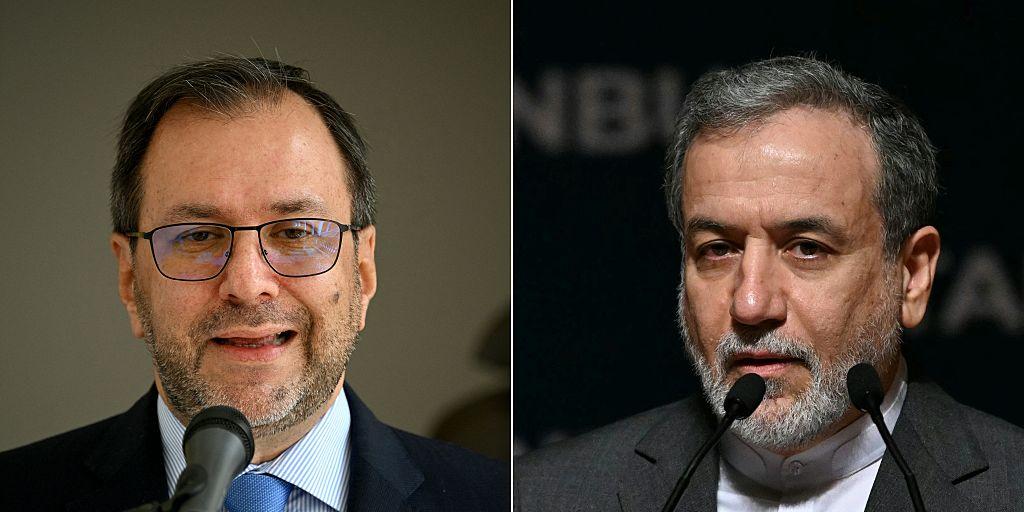
Washington, January 30 2026 — According to parliament news that Diplomatic engagement between the United States and Iran continues under mounting pressure as US Iran negotiations once again highlight the deep and persistent divisions shaping relations between the two governments. Despite sustained diplomatic contact through formal and indirect channels, officials familiar with the process say expectations for a decisive breakthrough remain limited, reflecting long-standing mistrust and competing strategic priorities.
The talks are unfolding amid a volatile regional environment, global economic uncertainty, and heightened concern among international partners that prolonged diplomatic stalemate could further destabilize the Middle East.
A Diplomatic History Shaped by Suspicion
Relations between Washington and Tehran have long been defined by cycles of confrontation, cautious engagement, and unresolved grievances. Decades of sanctions, regional rivalry, and political mistrust have created a diplomatic environment where even limited progress is difficult to sustain.
In this context, US Iran negotiations reflect a broader pattern in which dialogue exists but is constrained by deeply embedded skepticism on both sides. Analysts note that past agreements and diplomatic initiatives have often faltered due to disagreements over implementation and enforcement.
Sanctions Remain the Core Point of Tension
Economic sanctions continue to dominate diplomatic exchanges. Iranian officials argue that sanctions relief is essential to restoring trust and stabilizing the country’s economy, while US policymakers maintain that restrictions are necessary leverage to ensure compliance with international commitments.
This fundamental disagreement has hardened positions within US Iran negotiations, leaving little room for compromise and reinforcing doubts about near-term progress.
Nuclear Oversight and Verification Challenges
Another major obstacle centers on nuclear oversight and verification mechanisms. Washington insists on robust monitoring and transparency to prevent nuclear proliferation, while Tehran emphasizes national sovereignty and its right to pursue peaceful nuclear development.
The lack of consensus on verification standards has slowed momentum in US Iran negotiations, even as technical discussions continue behind closed doors.
Regional Security Adds Layers of Complexity
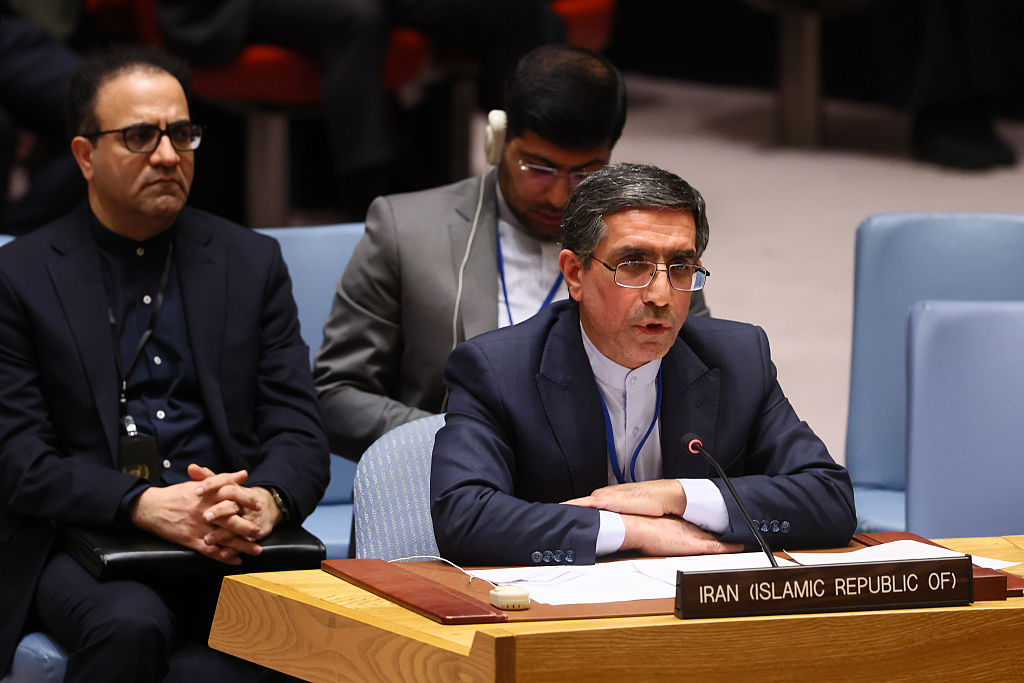
Broader regional dynamics significantly influence diplomatic efforts. Conflicts across the Middle East, shifting alliances, and proxy tensions complicate attempts to isolate bilateral issues from wider geopolitical realities.
Security analysts stress that US Iran negotiations cannot be separated from regional considerations, as both governments view diplomacy through the lens of broader strategic competition.
Carefully Calibrated Public Messaging
Public statements from both capitals have remained cautious and measured, reflecting an effort to preserve diplomatic space while signaling firmness. Officials have avoided inflammatory rhetoric, instead emphasizing readiness for dialogue alongside clear red lines.
One senior US official said,
“Diplomacy remains the preferred path, but progress depends on concrete steps that build trust and reduce long-term risk.”
This tone illustrates the delicate balance shaping US Iran negotiations, where engagement and deterrence coexist.
The Role of International Mediators
European governments and other international actors continue to encourage dialogue, warning that prolonged deadlock increases the risk of miscalculation. Several intermediaries remain involved in facilitating communication and clarifying positions between the two sides.
The international community widely views US Iran negotiations as essential to preventing escalation, even as optimism remains restrained.
Domestic Political Constraints in Washington
Internal political dynamics in the United States significantly influence diplomatic flexibility. Policymakers face scrutiny from lawmakers and the public, limiting room for concessions on sensitive issues such as sanctions and security guarantees.
These pressures complicate US Iran negotiations, reinforcing caution and incrementalism in Washington’s diplomatic approach.
Domestic Pressures Inside Iran
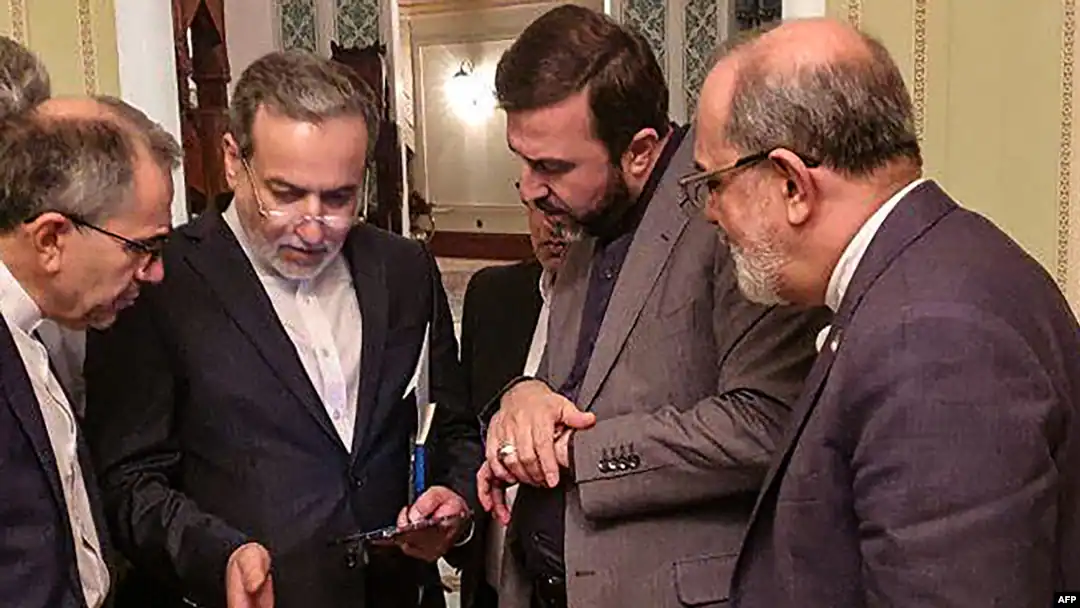
In Tehran, leaders must navigate public expectations shaped by economic hardship and national pride. Sanctions have placed sustained pressure on the Iranian economy, heightening sensitivity to diplomatic outcomes.
These domestic realities further constrain US Iran negotiations, reducing political space for compromise without tangible economic benefits.
Economic and Energy Market Implications
Global markets continue to closely monitor developments, particularly in the energy sector. Oil prices and investor sentiment remain sensitive to signals from Washington and Tehran, reflecting concerns over supply stability and regional risk.
The trajectory of US Iran negotiations remains a key variable shaping long-term market expectations.
Incremental Progress Over Comprehensive Deals
Diplomatic experts widely agree that any progress is likely to be gradual rather than transformative. Instead of sweeping agreements, discussions may focus on confidence-building measures designed to reduce tension and prevent escalation.
Within this framework, US Iran negotiations serve primarily as a mechanism for managing rivalry rather than resolving it outright.
Communication Channels as a Stabilizing Tool
Despite frustrations, both sides appear committed to maintaining diplomatic contact. Officials acknowledge that dialogue reduces the risk of misunderstanding during periods of heightened tension.
This persistence highlights the stabilizing role US Iran negotiations play even when tangible outcomes remain limited.
Strategic Patience Defines the Current Phase
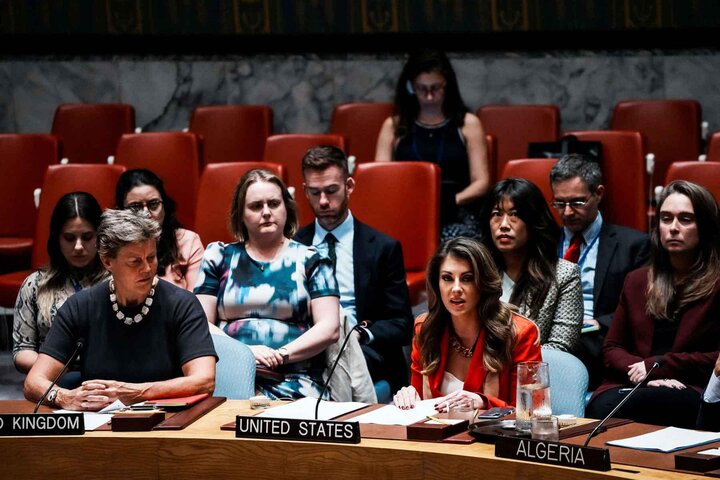
Both governments appear to be pursuing long-term strategies rather than seeking immediate breakthroughs. Strategic patience, rather than urgency, defines the current phase of engagement.
Analysts argue that US Iran negotiations are shaped as much by future calculations as by present demands.
Regional Allies Watch Developments Closely
Allies and partners across the Middle East and Europe are closely monitoring developments, aware that outcomes could reshape regional security dynamics. Stability in relations between Washington and Tehran carries implications far beyond bilateral ties.
The continuation of US Iran negotiations remains central to broader strategic assessments.
A Diplomatic Process Without Deadlines
Unlike previous rounds of engagement, the current talks lack a fixed timeline or deadline. This open-ended structure reflects caution on both sides and an awareness of the risks associated with rushed agreements.
While frustrating, this approach allows US Iran negotiations to continue without artificial pressure points.
Risk of Escalation Remains
Despite ongoing dialogue, the risk of escalation has not disappeared. Isolated incidents or miscalculations could quickly undermine diplomatic efforts and heighten tensions.
This reality underscores the importance of sustained US Iran negotiations as a buffer against crisis.
Looking Ahead Into an Uncertain Year
As 2026 continues, expectations remain restrained. Diplomacy persists, but deep divisions endure. Both sides appear committed to avoiding open conflict, even if agreement remains elusive.
The future of US Iran negotiations will depend on whether incremental steps can gradually rebuild trust eroded over decades.
When Diplomacy Becomes Risk Management
At this stage, negotiations are as much about preventing deterioration as achieving progress. Avoiding escalation has become a primary objective for both governments.
In this sense, US Iran negotiations function as a form of diplomatic risk management in an unstable geopolitical environment.
A Test of Endurance and Restraint
The ongoing talks represent a test of endurance for diplomats on both sides. Progress is measured slowly, through sustained engagement rather than dramatic announcements.
Ultimately, US Iran negotiations underscore how diplomacy often advances through persistence, restraint, and careful calculation rather than rapid resolution.