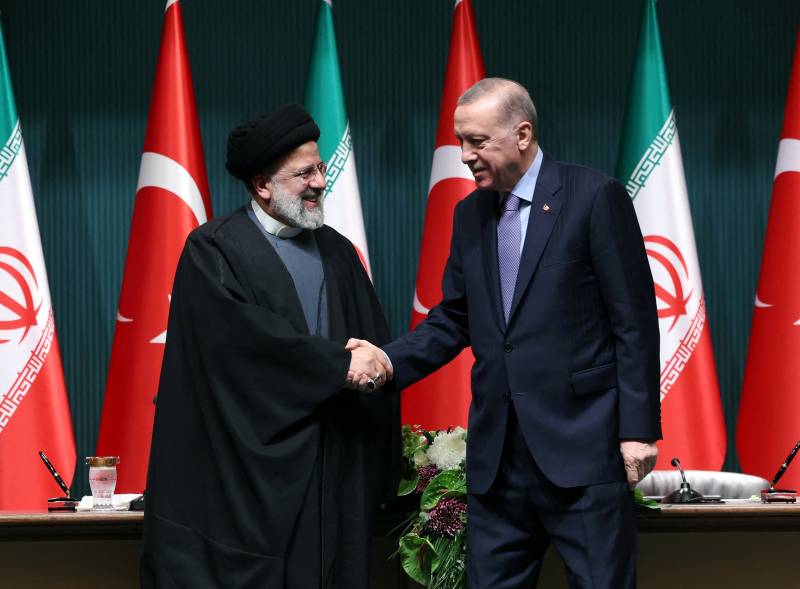
Middle East, January 31 2026, According to parliament news, that Middle East entered a decisive phase as conflict prevention talks emerge as the primary tool to manage escalating political and security tensions across the region. Following months of heightened rhetoric military signaling and diplomatic strain regional governments have shifted toward dialogue in an effort to avert broader instability. Officials involved say the move reflects growing recognition that continued escalation would pose unacceptable risks to economic stability civilian safety and regional order.
Meetings have taken place across multiple capitals with foreign ministers national security advisers and special envoys engaging in sustained consultations. While disagreements remain unresolved participants describe the current diplomatic push as one of the most coordinated in recent years.
Why Regional Tensions Reached a Critical Threshold
Several overlapping pressures have contributed to the current environment. Prolonged regional conflicts unresolved territorial disputes and shifting alliances have created an atmosphere of persistent uncertainty. At the same time economic pressures rising energy costs and domestic political constraints have limited governments’ tolerance for prolonged instability.
Against this backdrop conflict prevention talks are increasingly viewed as a necessity rather than an option. Analysts say leaders recognize that even a limited confrontation could rapidly expand given the region’s dense network of alliances and proxy relationships.
Diplomacy Replaces Escalatory Signaling
In previous periods of tension governments often relied on public warnings or displays of military readiness to assert their positions. In 2026 however diplomatic engagement has taken precedence over symbolic escalation.
Senior officials say conflict prevention talks are designed to reduce misunderstandings before they evolve into crises. By prioritizing communication channels governments aim to clarify intentions and establish limits on military behavior in sensitive areas.
Multiple Negotiation Tracks Take Shape
The current diplomatic effort is notable for its multi-track approach. Bilateral discussions are occurring alongside multilateral forums while mediation initiatives operate in parallel.
In several cases conflict prevention talks have focused on narrowly defined objectives such as restoring communication hotlines or agreeing on incident-prevention measures. Diplomats say this incremental strategy helps build trust while avoiding deadlock over broader political disputes.
The Role of Regional Mediators
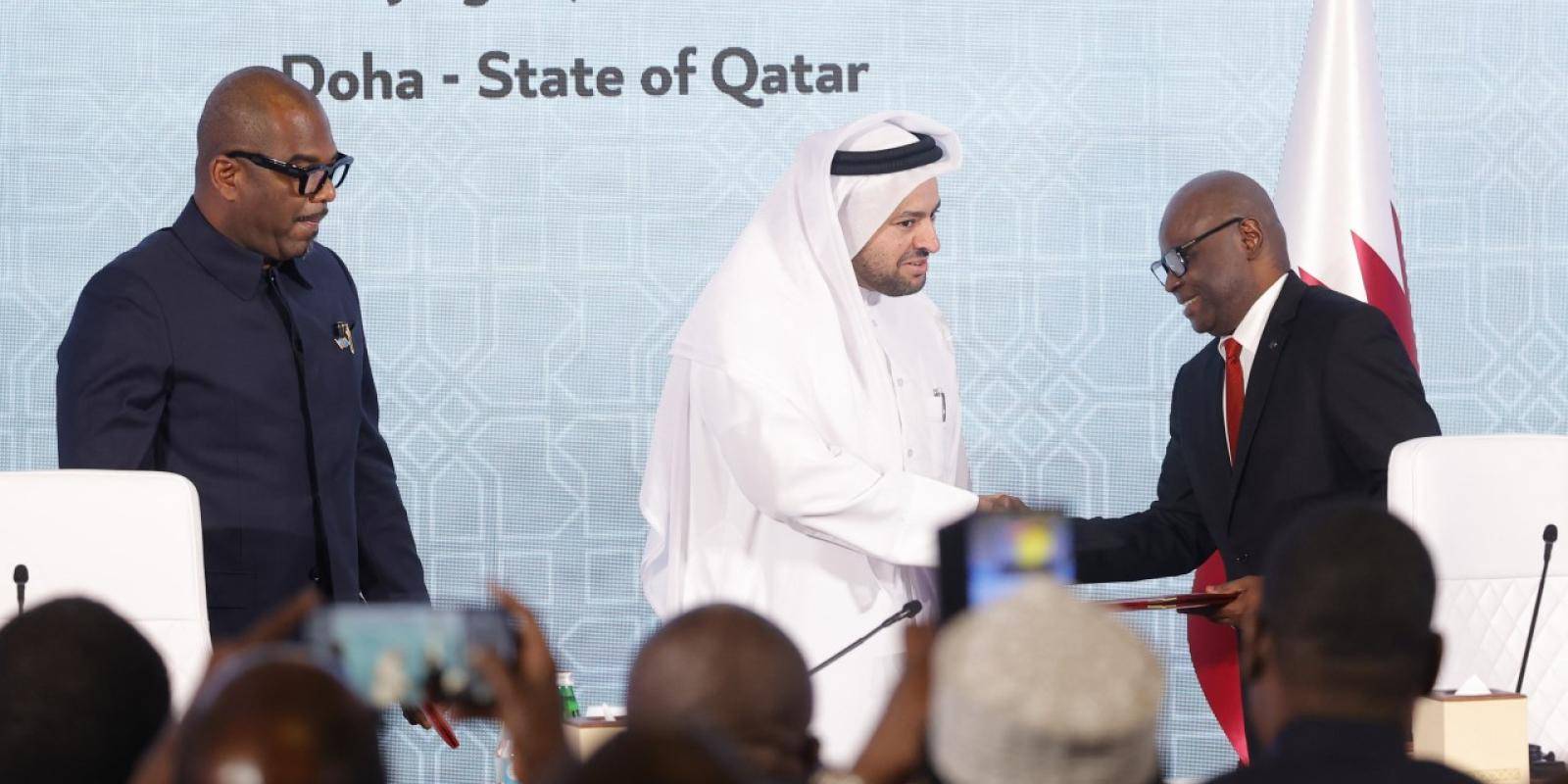
Regional states with longstanding ties across political divides have played a key role in facilitating dialogue. Their involvement has helped overcome reluctance among rival parties to engage directly.
Observers note that conflict prevention talks tend to progress more smoothly when intermediaries are viewed as credible and non-aligned. Mediation efforts have emphasized confidentiality and practicality rather than public announcements.
Security Coordination as a Confidence-Building Measure
Beyond political dialogue security coordination has become a central pillar of de-escalation efforts. Defense officials have explored mechanisms to manage military activity in crowded airspace and waterways.
According to experts conflict prevention talks increasingly address technical arrangements such as notification of exercises agreed communication procedures and limits on close military encounters. These steps are intended to prevent routine operations from being misinterpreted as hostile acts.
Economic Stability Drives Diplomatic Urgency
Economic considerations have reinforced political incentives for restraint. The Middle East remains deeply integrated into global energy markets trade routes and investment flows.
Leaders acknowledge that conflict prevention talks are essential to preserving economic confidence. Any escalation could disrupt exports increase insurance costs and deter foreign investment at a time when many economies are pursuing diversification and recovery strategies.
International Support Without Direct Control
While regional actors have led the initiative international partners have expressed support for diplomatic solutions. Statements from major global powers have encouraged restraint while avoiding overt intervention.
Analysts say conflict prevention talks benefit when regional ownership is preserved. External backing without domination helps ensure agreements are viewed as legitimate rather than imposed.
Domestic Pressures Shape Negotiating Positions
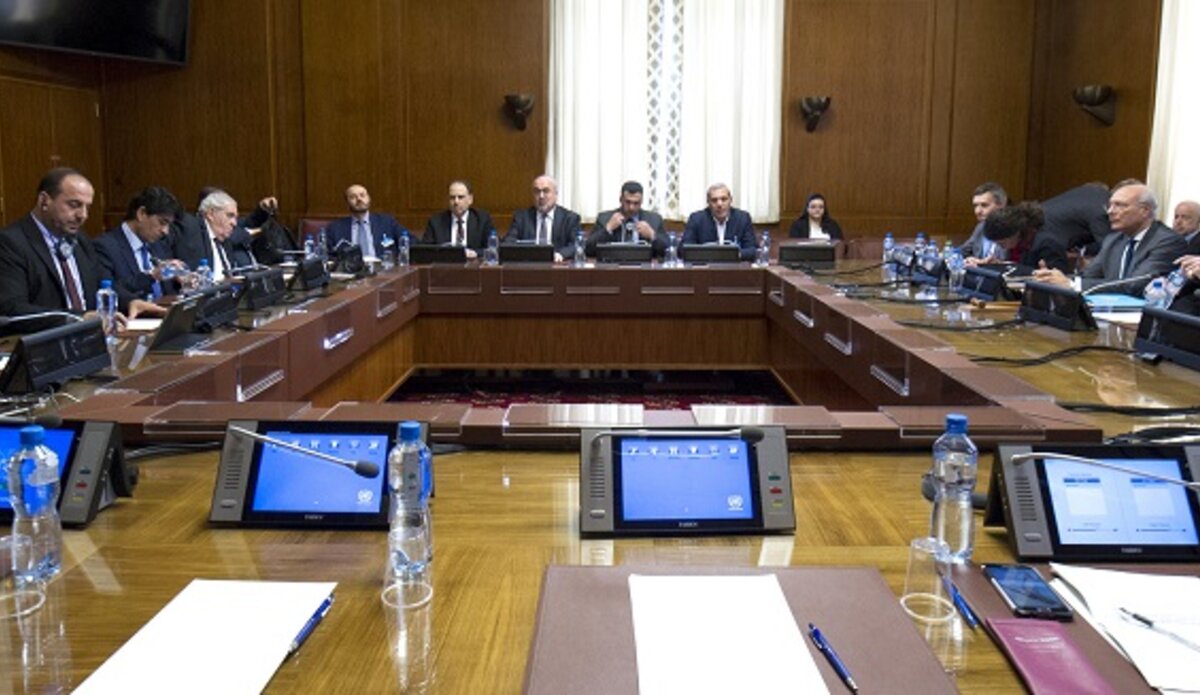
Negotiators face significant domestic constraints. Public opinion political rivalries and security concerns can limit flexibility at the table.
Even so officials involved in conflict prevention talks argue that sustained engagement provides political cover by demonstrating responsible leadership. Dialogue allows governments to manage risk without appearing to concede core interests.
One Expert Perspective
A regional security analyst closely following the negotiations said,
“Dialogue does not eliminate rivalry but it prevents rivalry from turning into catastrophe.”
The assessment reflects a widely shared belief that maintaining communication is critical during periods of heightened tension.
Challenges That Threaten Momentum
Despite progress obstacles remain substantial. Historical grievances unresolved conflicts and mutual suspicion continue to complicate negotiations.
Participants caution that conflict prevention talks are vulnerable to disruption by unexpected incidents or domestic political shifts. Maintaining momentum requires patience and consistent engagement even when progress appears limited.
Monitoring Compliance and Building Trust
To sustain dialogue officials are exploring monitoring and verification mechanisms. These include third-party observation and shared reporting procedures.
Such measures are seen as essential to ensuring conflict prevention talks translate into real behavioral change rather than symbolic commitments.
Media’s Role in Shaping Public Perception
Media coverage has amplified attention on diplomatic developments. Responsible reporting can support de-escalation by emphasizing dialogue rather than confrontation.
Officials stress that mischaracterization of conflict prevention talks as weakness could undermine public support. Accurate context is therefore considered crucial.
Youth and Civil Society Engagement
Some governments are exploring ways to involve civil society and academic institutions in long-term trust-building initiatives.
While not part of formal conflict prevention talks these efforts aim to create social foundations for stability by encouraging dialogue beyond official channels.
Comparisons With Past Diplomatic Efforts
Veteran diplomats note that earlier regional initiatives often faltered due to lack of follow-through. The current process differs in its emphasis on practical risk reduction.
By focusing on manageable goals conflict prevention talks seek to avoid the pitfalls of overly ambitious agreements that collapse under political pressure.
Energy Security and Strategic Calculations
Energy infrastructure remains a central concern. Pipelines ports and shipping routes are highly sensitive to instability.
Policymakers say conflict prevention talks help safeguard these assets by reducing incentives for disruptive actions that could trigger retaliation.
Military Restraint as a Parallel Track
While diplomacy advances military forces remain on alert. Officials emphasize that restraint does not imply vulnerability but calculated discipline.
Balancing deterrence with conflict prevention talks is seen as essential to maintaining credibility while avoiding provocation.
Looking Ahead Through the Rest of 2026
Diplomats expect negotiations to continue throughout 2026 with periodic reviews of progress. No comprehensive settlement is anticipated in the near term.
Instead conflict prevention talks are expected to function as an ongoing process aimed at managing risk rather than resolving all disputes.
Long-Term Implications for Regional Order
If sustained the current diplomatic momentum could gradually reshape regional norms. Regular communication and incident-management mechanisms may become standard practice.
Experts argue that institutionalizing conflict prevention talks could reduce reliance on crisis diplomacy and create more predictable security dynamics.
Beyond Crisis Management Toward Strategic Stability
The ultimate test of current efforts will be whether dialogue evolves into deeper cooperation. Confidence-building measures economic integration and cultural exchange are often cited as next steps.
By expanding the scope of conflict prevention talks regional leaders aim to move beyond crisis management toward durable stability.
A Defining Year for Regional Diplomacy
The developments of 2026 may be remembered as a turning point. Faced with rising risks regional governments chose dialogue over confrontation.
Whether this approach endures will depend on political will institutional support and continued engagement across multiple levels of diplomacy.
Where Diplomacy Meets Responsibility
The emphasis on dialogue reflects recognition that leadership involves restraint as much as resolve. Preventing war requires sustained effort not symbolic gestures.
In that sense the current diplomatic push represents more than negotiation—it reflects a shared responsibility for regional stability.
Beyond the Headlines Toward a Safer Future
As talks continue public attention may wane but the work of prevention remains ongoing. Quiet diplomacy often achieves what public confrontation cannot.
The success of current efforts will ultimately be measured not by agreements signed but by conflicts avoided.
Diplomacy as the Strongest Deterrent
The events of 2026 highlight a fundamental truth of modern geopolitics: the strongest deterrent is not force alone but sustained dialogue. In choosing negotiation over escalation regional leaders have signaled that stability remains possible even in the most complex environments.