

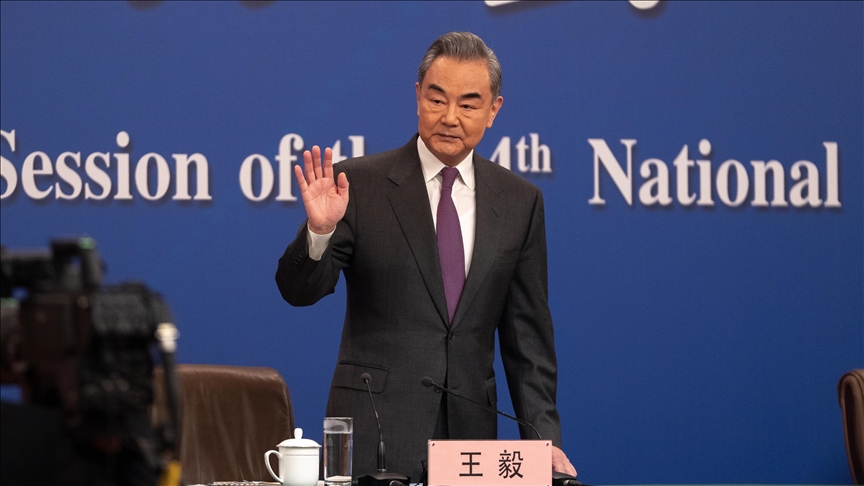
Moscow, February 1 2026, According to Parliament News, that Moscow emerged once again as a focal point of international attention as senior officials from Russia and China convened for high level talks on security cooperation. The meeting between Sergei Shoigu and Wang Yi underscored the growing importance of global security diplomacy at a time when geopolitical tensions continue to reshape international relations. Held in Russia’s capital, the discussions highlighted how Moscow and Beijing are coordinating responses to a rapidly evolving security environment.
Officials from Russia and China described the talks as part of an ongoing dialogue focused on stability, strategic balance, and multilateral engagement. The 2026 meeting comes amid persistent conflicts, strained alliances, and increasing competition among major powers, placing global security diplomacy firmly at the center of international policymaking.
Strategic Context Behind the Moscow Meeting
The Moscow talks did not take place in isolation. They followed months of heightened diplomatic activity as countries reassessed their security priorities in response to regional instability and shifting power dynamics. Analysts note that Russia and China share concerns over the expansion of military alliances, economic pressure, and the fragmentation of existing security frameworks.
Within this context, global security diplomacy has become a critical tool for managing competition without direct confrontation. By maintaining regular communication, Moscow and Beijing aim to reduce uncertainty and assert their perspectives on global governance. The 2026 meeting reflects a shared assessment that dialogue remains essential even as rivalries intensify.
Shoigu and Wang Yi as Key Architects of Dialogue
Sergei Shoigu’s participation signals the weight Moscow places on defense and strategic planning. With years of experience overseeing military and security institutions, Shoigu represents continuity in Russia’s approach to national and regional security. His engagement in the talks emphasizes preparedness and deterrence alongside diplomatic outreach.
Wang Yi brings a complementary dimension shaped by China’s emphasis on sovereignty, non interference, and long term stability. As a senior diplomat, he has been instrumental in articulating Beijing’s vision for international cooperation. Together, their interaction illustrates how global security diplomacy increasingly blends military awareness with diplomatic strategy.
Core Issues Discussed During the Talks
According to officials briefed on the agenda, the Moscow discussions covered a wide range of topics reflecting shared and overlapping concerns. Regional conflicts featured prominently, with exchanges on developments in Eastern Europe, Northeast Asia, and the broader Asia Pacific region.
Cybersecurity and information security were also key themes. Both sides have expressed alarm over what they see as the militarization of digital spaces and the absence of clear international norms. Addressing these challenges through dialogue is viewed as an essential component of global security diplomacy in the digital age.
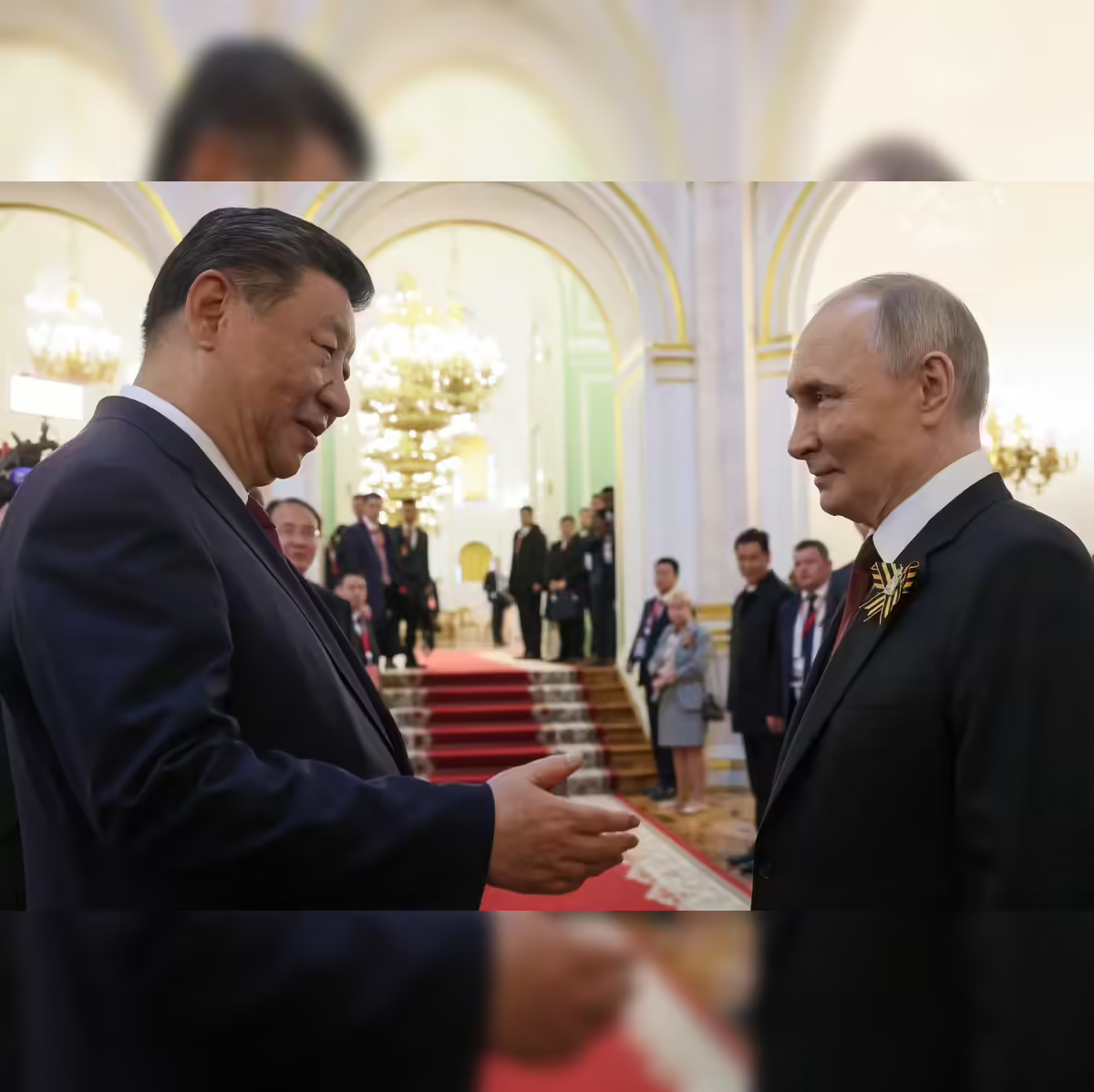
Regional Stability and Cooperative Approaches
Stability in neighboring regions remains a priority for both Moscow and Beijing. Central Asia, in particular, represents a zone of strategic interest where economic development and security are closely intertwined. Russia and China have invested heavily in infrastructure, energy projects, and trade routes that depend on a predictable security environment.
Through coordinated consultations, the two countries aim to align policies and prevent overlapping initiatives from generating friction. This cooperative approach enhances their influence and reinforces their role within global security diplomacy as advocates for regional solutions.
Arms Control and Strategic Balance
Another significant aspect of the talks involved discussions on arms control and military transparency. Both Russia and China have criticized the erosion of existing arms control agreements and warned of the destabilizing effects of unchecked weapons development.
While no formal agreements were announced, officials indicated that maintaining strategic balance remains a shared objective. In this sense, global security diplomacy functions as a mechanism for signaling restraint and managing competition among major powers.
Economic Dimensions of Security Dialogue
Security discussions increasingly recognize the role of economic factors in shaping stability. Sanctions, trade restrictions, and supply chain disruptions have blurred the line between economic and security policy. Moscow and Beijing have voiced concerns about what they describe as the politicization of economic tools.
By addressing these issues within their dialogue, Russia and China highlight a broader understanding of global security diplomacy that extends beyond traditional military considerations to include economic resilience and cooperation.
International Reactions and Diplomatic Signals
The Moscow meeting drew close scrutiny from governments and analysts worldwide. Some observers interpret the talks as evidence of deepening strategic alignment that could challenge existing power structures. Others view them as a pragmatic response to uncertainty rather than a formal alliance.
Regardless of interpretation, the public confirmation of the talks serves a signaling function. It demonstrates that Russia and China intend to remain active participants in shaping global security diplomacy rather than passive observers of external initiatives.
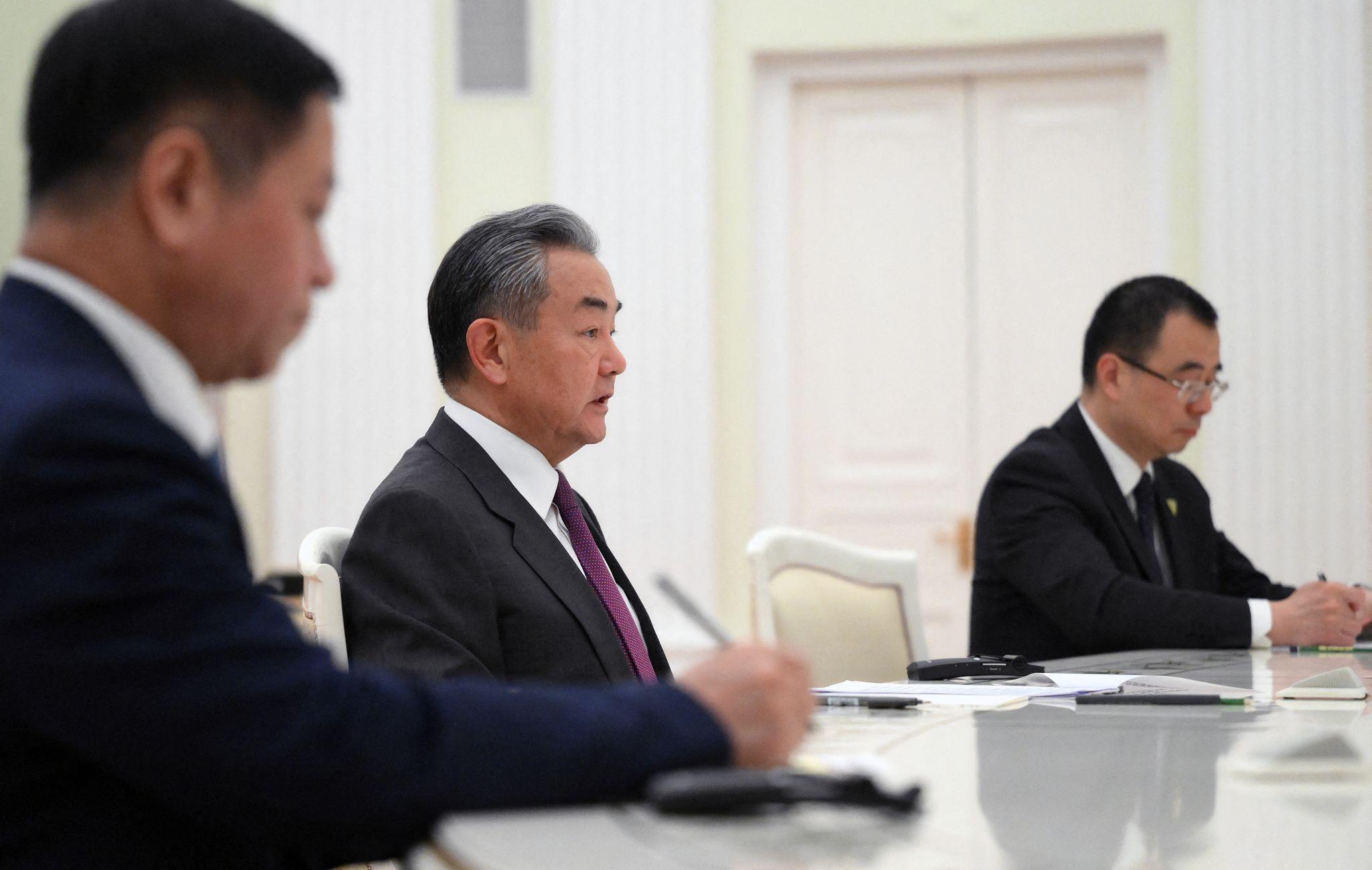
Media Coverage and Public Discourse
Coverage of the meeting across international media reflects heightened interest in major power relations. Headlines focused on the symbolism of the talks as much as their substance, highlighting the broader implications for global order.
This attention underscores how global security diplomacy has become a topic of public debate rather than a niche concern. Citizens and markets alike watch such meetings for clues about future stability and risk.
Historical Evolution of Russia China Security Engagement
The current dialogue builds on decades of gradually expanding cooperation. Following periods of mistrust during the Cold War, Russia and China have steadily increased diplomatic and military exchanges since the early 2000s.
Joint exercises, intelligence sharing, and regular consultations have laid the groundwork for today’s engagement. The 2026 Moscow talks represent a continuation of this trajectory, reinforcing the institutionalization of global security diplomacy between the two neighbors.
Managing Differences Within the Partnership
Despite growing cooperation, differences persist. Russia and China have distinct strategic cultures and regional priorities that require careful management. For example, their approaches to certain regional actors and conflicts do not always align perfectly.
Dialogue provides a forum for addressing these differences without undermining broader cooperation. In this way, global security diplomacy acts as a stabilizing force within the partnership itself.
Implications for International Institutions
Coordinated positions by Moscow and Beijing often resonate within international organizations. Whether at the United Nations or other multilateral forums, their joint statements can influence debates on peacekeeping, sanctions, and conflict resolution.
As institutions face pressure to adapt to changing power dynamics, global security diplomacy plays a role in shaping reforms and new norms. The Moscow talks contribute to this ongoing process.
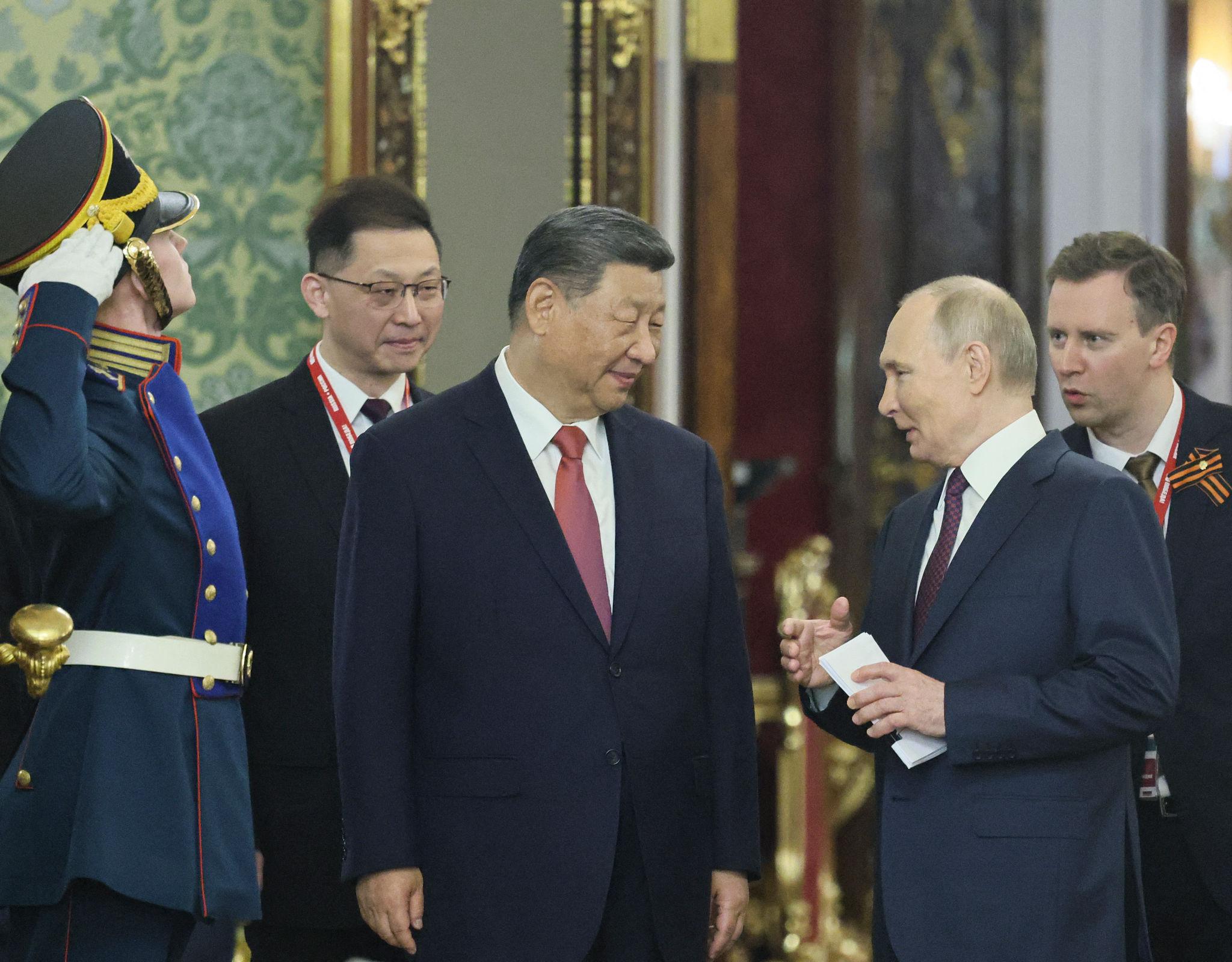
One Official View on the Talks
A senior official familiar with the discussions said,
“Dialogue remains the most reliable way to manage differences and avoid unintended escalation in an increasingly complex world.”
This single remark encapsulates the cautious yet determined tone surrounding the meeting.
Broader Impact on Global Power Dynamics
The significance of the Moscow talks extends beyond bilateral relations. They reflect a broader trend toward multipolar engagement where influence is distributed among several major actors rather than concentrated in one center.
Within this environment, global security diplomacy becomes essential for navigating competition while preserving stability. The Russia China dialogue illustrates how major powers seek to balance assertiveness with communication.
Looking Ahead After the Moscow Meeting
While immediate outcomes may be incremental, the value of the talks lies in their continuity. Regular engagement helps build trust and predictability even amid disagreement.
Future meetings are expected to further institutionalize dialogue channels, reinforcing the role of global security diplomacy as a long term strategy rather than a short term response.
Challenges Facing Global Security Efforts
Despite diplomatic efforts, challenges remain formidable. Ongoing conflicts, technological disruption, and climate related risks complicate the security landscape. No single dialogue can resolve these issues.
However, sustained engagement among major powers increases the chances of coordinated responses. In this respect, global security diplomacy serves as a foundation for broader cooperation.
Public Expectations and Strategic Patience
Public expectations for dramatic breakthroughs often contrast with the incremental nature of diplomacy. Experts caution that progress in security relations typically unfolds gradually through sustained dialogue.
The Moscow talks exemplify this reality. Their importance lies not in immediate announcements but in reinforcing habits of consultation central to global security diplomacy.
Long Term Outlook for Russia China Dialogue
As international competition intensifies, Moscow and Beijing are likely to maintain close consultation. Their dialogue reflects shared assessments of risk and opportunity in a changing world.
Whether this cooperation deepens further will depend on evolving circumstances. What remains clear is the central role of global security diplomacy in managing these relationships.
Stability Beyond Alignment
Beyond questions of alliance or rivalry, the 2026 Moscow talks highlight a deeper reality of contemporary international relations. Stability increasingly depends on the ability of major powers to communicate openly even when interests diverge. In a world shaped by uncertainty, global security diplomacy is less about uniformity and more about coexistence through dialogue.
