


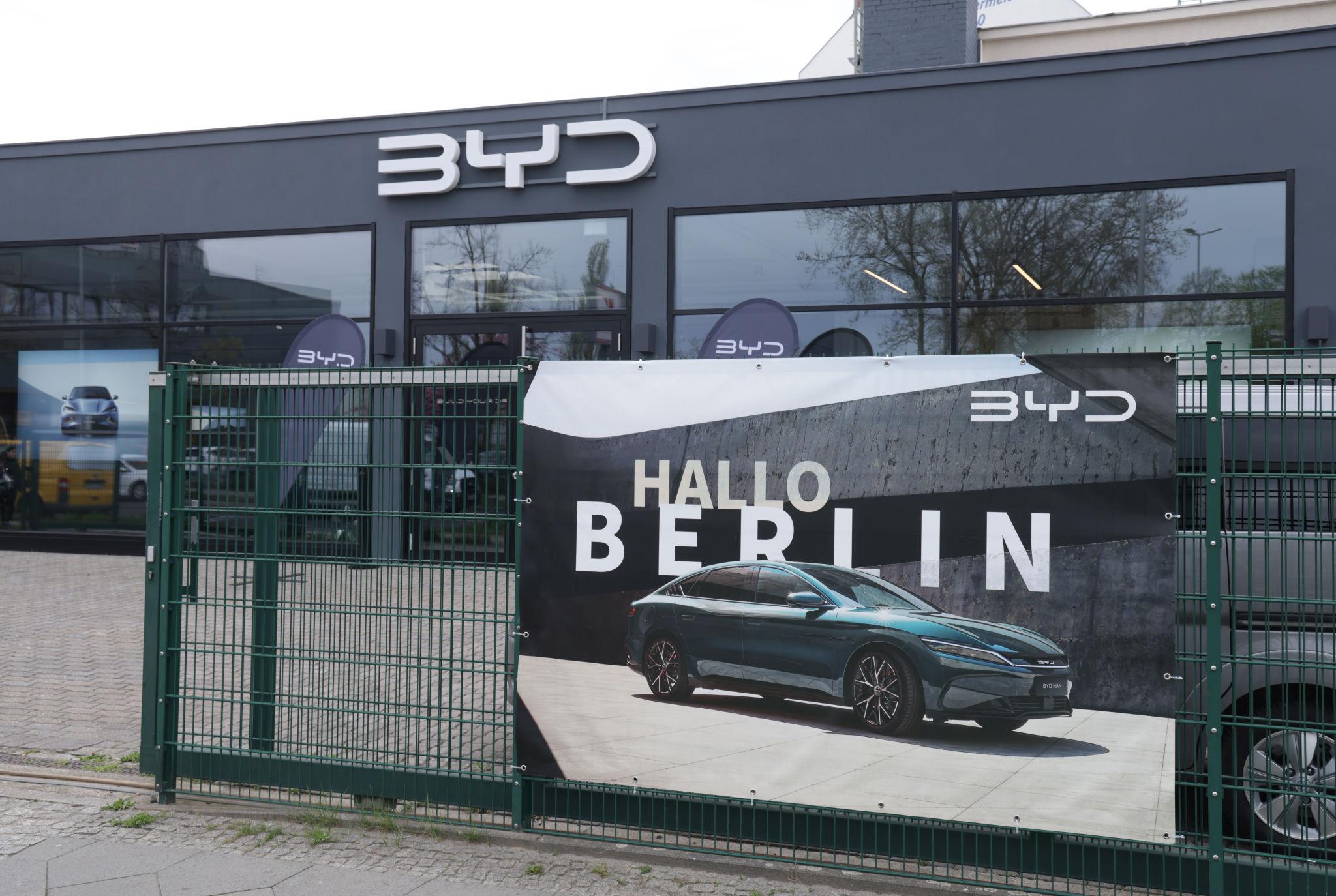
Rome, February 4, 2026 — According to Parliament News, that Italy’s intervention in a high-profile advertising dispute has drawn continental attention, placing electric vehicle marketing Europe under intensified regulatory and political scrutiny. The Italian competition authority’s decision to suspend a promotional campaign by BYD following a complaint from Stellantis highlights how advertising has become a central battleground in Europe’s rapidly evolving electric vehicle market.
The move reflects broader concerns among regulators that consumer messaging must keep pace with the complexity of new automotive technologies and heightened environmental expectations.
Italy’s Competition Authority Asserts Its Mandate
The Italian Competition Authority, formally known as AGCM, confirmed that its action was precautionary and aligned with consumer protection principles. Officials emphasized that advertising claims related to vehicle performance, emissions, and sustainability must be precise, verifiable, and clearly communicated.
Authorities said the review process is not punitive at this stage but signals a firm stance on standards governing electric vehicle marketing Europe, particularly as international manufacturers expand aggressively across national markets.
A Complaint That Reflects Industry Tensions
The formal complaint lodged by Stellantis underscores intensifying competition between long-established European manufacturers and newer entrants from Asia. As Chinese brands gain visibility through pricing and technology narratives, advertising has emerged as a critical strategic tool.
Analysts note that disputes surrounding electric vehicle marketing Europe are increasingly driven by how claims are framed rather than by the underlying technology itself, reflecting a maturing and more crowded market.
BYD’s Response and Compliance Strategy
BYD said it is cooperating fully with Italian regulators and remains confident that its promotional materials meet European advertising standards. The company has reiterated its commitment to transparency and regulatory compliance as it expands its footprint across the continent.
Executives familiar with the process suggest that the outcome may influence how electric vehicle marketing Europe campaigns are structured in future launches, particularly in markets with strong domestic automotive interests.

Consumer Protection Takes Center Stage
Regulators across Europe have heightened scrutiny of claims tied to sustainability, cost savings, and environmental impact. In the automotive sector, where consumer decisions involve high financial and long-term commitments, clarity is considered essential.
Italy’s intervention reinforces a broader regulatory view that electric vehicle marketing Europe must avoid ambiguity, particularly as governments encourage adoption through incentives and policy mandates.
Advertising Claims and Environmental Sensitivity
Environmental claims are among the most closely examined aspects of electric vehicle promotion. Authorities are increasingly wary of so-called greenwashing, where environmental benefits are overstated or insufficiently contextualized.
The AGCM’s action reflects concern that electric vehicle marketing Europe campaigns may influence consumer perception at a time when emissions reduction is both a policy objective and a political issue.
One Official Comment Encapsulates Regulatory Intent
One official familiar with the investigation said,
“When innovation accelerates, oversight must accelerate as well, especially where consumers rely on advertising to make informed decisions.”
European Union Frameworks and National Enforcement
While the European Union provides overarching consumer protection and competition rules, enforcement remains largely national. This structure allows authorities like Italy’s AGCM to act swiftly when concerns arise, even as cross-border implications are considered.
Legal experts suggest the Italian case could shape enforcement expectations for electric vehicle marketing Europe across other EU member states.
Market Growth and Messaging Complexity
Europe’s electric vehicle market has expanded rapidly, driven by climate targets, urban air quality goals, and technological advances. As offerings multiply, consumers face increasingly complex choices regarding range, charging infrastructure, and lifecycle emissions.
Regulators argue that responsible electric vehicle marketing Europe is critical to maintaining confidence and avoiding consumer backlash during this transition.

Industry Adjustments and Strategic Recalibration
Automakers and marketing agencies are reportedly reassessing how they communicate product advantages. Legal review processes are becoming more central to campaign development, particularly for pan-European launches.
Executives acknowledge that electric vehicle marketing Europe now requires closer alignment between engineering, legal, and communications teams than in previous automotive cycles.
Competitive Balance and Fair Market Access
Beyond consumer protection, the dispute touches on broader competition policy concerns. European manufacturers have urged regulators to ensure a level playing field as global competitors enter domestic markets.
The handling of electric vehicle marketing Europe cases is increasingly viewed as part of a wider effort to balance openness with fairness in the automotive sector.
Historical Perspective on Automotive Advertising in Europe
Automotive advertising in Europe has long been subject to regulatory oversight, particularly regarding safety and environmental claims. In the late twentieth century, regulations focused primarily on fuel efficiency and emissions disclosures.
As electric vehicles emerged in the early 2000s, advertising standards evolved slowly, often lagging behind technological change. The current focus on electric vehicle marketing Europe reflects a shift toward proactive regulation as electric mobility moves from niche to mainstream.
Public Awareness and Consumer Education
Authorities increasingly emphasize that regulation alone cannot ensure informed decision-making. Public education campaigns and standardized labeling are seen as complementary tools.
Clear rules governing electric vehicle marketing Europe are intended not only to prevent misleading claims but also to support broader understanding of electric mobility.
Economic Stakes for the Automotive Sector
Electric vehicles represent one of the largest industrial transformations in Europe in decades. Advertising plays a crucial role in shaping demand, influencing investment, and guiding consumer behavior.
From an economic perspective, electric vehicle marketing Europe intersects with industrial policy, trade relations, and employment considerations across the continent.
Regulatory Risk and Investor Attention
Investors closely monitor regulatory developments affecting automotive companies, particularly as compliance costs rise. Advertising disputes can signal broader regulatory risk that affects valuation and expansion strategies.
The Italian case highlights how electric vehicle marketing Europe is increasingly intertwined with financial and strategic planning.
Future Campaigns Under Greater Scrutiny
Even if BYD’s campaign is ultimately cleared, industry observers expect more cautious messaging across the sector. Companies may prioritize factual, comparative data over aspirational claims.
This shift suggests that electric vehicle marketing Europe is entering a more disciplined and legally conscious phase.
Italy’s Role as a Regulatory Bellwether
Italy’s strong automotive heritage and active competition authority position it as an influential voice in shaping standards. Decisions taken in Rome often resonate beyond national borders.
The current case reinforces Italy’s growing role in defining expectations for electric vehicle marketing Europe.
Balancing Innovation and Accountability
Regulators face the challenge of supporting innovation while enforcing accountability. Overly restrictive rules could slow adoption, while lax oversight could undermine trust.
The debate surrounding electric vehicle marketing Europe reflects this delicate balance at a critical moment for the industry.
Cross-Border Implications for Manufacturers
Pan-European campaigns must navigate varying enforcement cultures and legal interpretations. What is acceptable in one country may attract scrutiny in another.
This reality adds complexity to electric vehicle marketing Europe, encouraging more conservative and harmonized messaging strategies.
Consumer Confidence as a Strategic Asset
Ultimately, the success of electric mobility depends on sustained consumer confidence. Advertising plays a powerful role in shaping perceptions, expectations, and satisfaction.
Strengthening standards for electric vehicle marketing Europe is increasingly seen as an investment in long-term market stability rather than a constraint on competition.
The Road Ahead for Regulatory Enforcement
The AGCM is expected to conclude its review in the coming weeks. Regardless of the outcome, the case has already influenced industry behavior and regulatory dialogue.
As electric mobility accelerates, electric vehicle marketing Europe will remain a focal point for regulators, manufacturers, and consumers alike.
A Defining Phase for Europe’s Electric Transition
Europe’s transition to electric mobility is entering a decisive phase where credibility, transparency, and competition intersect. Advertising disputes such as the Italian case illustrate how regulatory oversight is adapting to new realities.
The evolving framework governing electric vehicle marketing Europe will play a crucial role in shaping how consumers engage with electric vehicles and how manufacturers compete in an increasingly globalized market.