

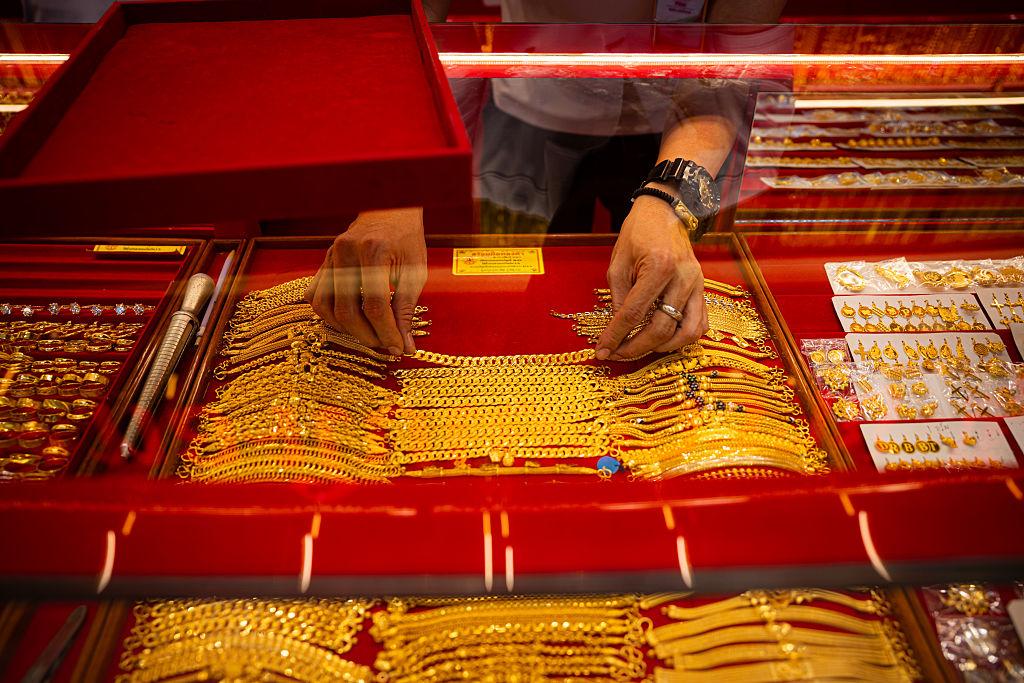
Asia, February 6, 2026, According to Parliament News, that The bullion trade across Asia is entering a period of adjustment as regional demand patterns diverge sharply, driven by price sensitivity, seasonal buying, and broader economic conditions. Dealers say Asian gold markets are being shaped less by uniform global pricing and more by localized consumer behavior, particularly in major consuming nations. While gold remains culturally and financially significant across the region, the pace and composition of buying have shifted in recent months.
This uneven demand reflects deeper structural forces at work, including income growth disparities, currency movements, and evolving investment preferences. For traders and refiners, adapting to these dynamics has become essential as traditional demand cycles no longer move in lockstep across borders.
India Experiences Softer Consumer Participation
In India, gold buying has slowed noticeably as domestic prices remain elevated. Jewelers report that foot traffic has declined in several urban centers, with many consumers postponing purchases in hopes of more favorable pricing. This slowdown has weighed on Asian gold markets, given India’s long-standing role as one of the world’s largest sources of physical demand.
Market participants say wedding-related buying, typically a stabilizing factor, has become more selective, with customers opting for lighter jewelry or delaying purchases altogether.
Price Sensitivity Alters Buying Behavior
High gold prices have amplified price sensitivity among retail buyers. Analysts note that even modest price increases can have an outsized impact on demand in price-conscious markets. As a result, Asian gold markets are seeing reduced volumes in regions where affordability has become a key constraint.
Import data suggests that wholesalers are responding by cutting back shipments, preferring to wait for clearer signals of sustained demand recovery.
China Shows Resilient Seasonal Demand
By contrast, China has recorded firmer buying interest, supported by seasonal consumption tied to festivals and gifting traditions. Retailers report steady sales of jewelry and small gold bars, helping stabilize Asian gold markets at a time when other regions are experiencing slower activity.
Gold’s cultural symbolism as a store of wealth and prosperity continues to underpin demand, particularly during periods of heightened economic uncertainty.
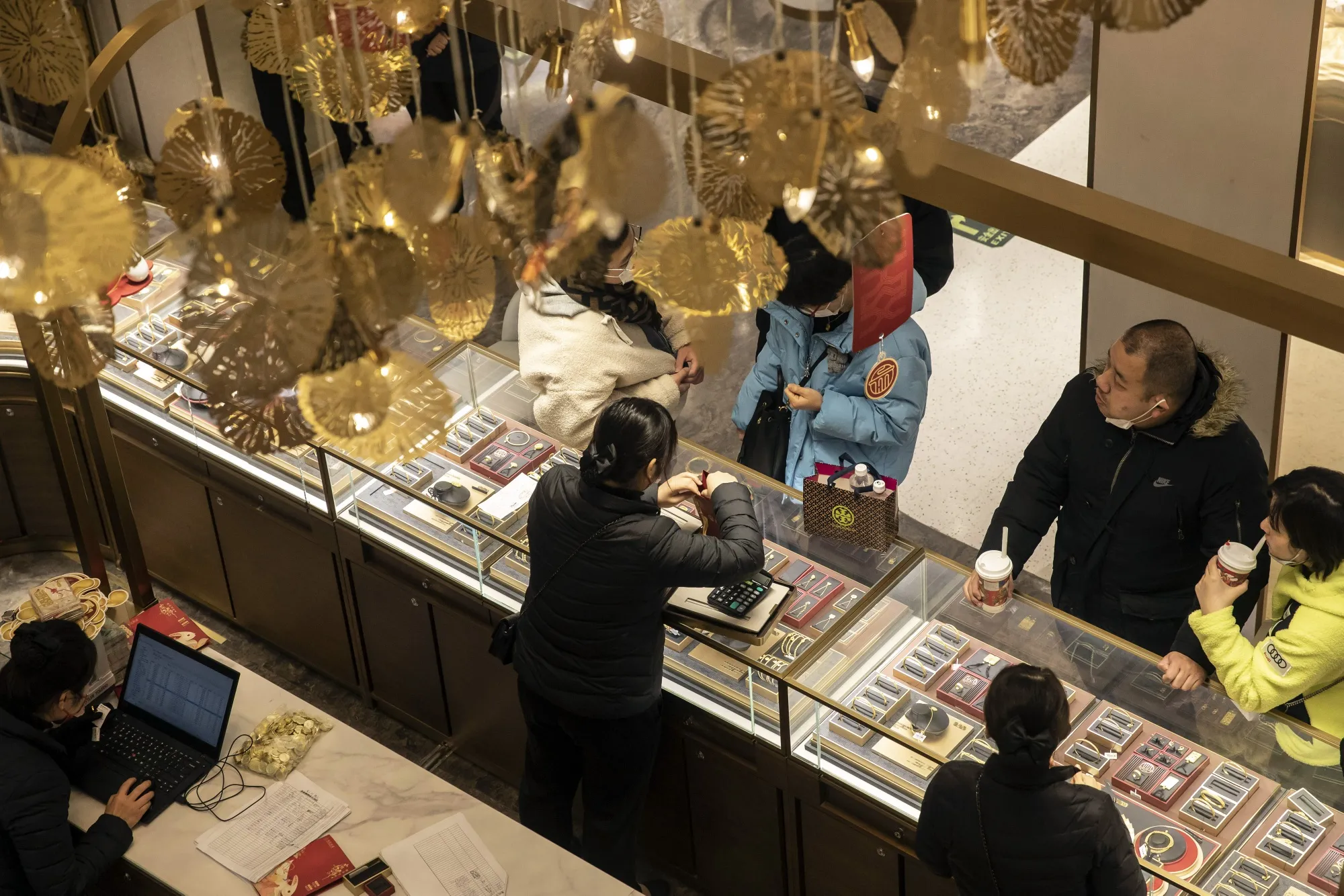
Investment Demand Adds Support in China
Beyond traditional jewelry purchases, investment buying has also increased in China. Dealers say individual investors are allocating more funds to physical gold as a hedge against market volatility. This trend has helped sustain momentum in Asian gold markets, even as speculative interest remains limited.
Banks offering gold-linked savings products have reported higher participation, reflecting broader investor caution.
Currency Movements Shape Regional Consumption
Currency fluctuations have played a critical role in shaping gold affordability. In India, exchange rate pressures have pushed local prices higher, dampening demand. Meanwhile, relative currency stability in China has made gold purchases more accessible, reinforcing demand trends that support Asian gold markets.
Analysts emphasize that currency dynamics are now as influential as global bullion prices in determining regional buying behavior.
Physical Premiums Reflect Uneven Conditions
Gold premiums across Asia have moved in response to localized supply and demand conditions. Lower premiums in South Asia contrast with firmer levels in parts of East Asia, underscoring the fragmented nature of Asian gold markets.
Dealers say premium movements are closely watched as indicators of underlying physical demand, often providing earlier signals than headline price changes.
One Market Participant’s View
“Regional demand has become more fragmented, and traders can no longer rely on traditional seasonal patterns alone,”
said a senior bullion dealer based in Asia, noting that pricing, currency, and consumer confidence now interact in more complex ways.

Supply Chains Adjust to Shifting Demand
Uneven consumption has prompted refiners and logistics firms to redirect shipments toward stronger markets. Gold flows have increasingly favored East Asia, where demand remains resilient. These adjustments are helping rebalance Asian gold markets, though they require flexibility and rapid response from suppliers.
Established trading hubs continue to play a central role in facilitating these shifts, ensuring liquidity even during periods of regional imbalance.
Dealer Strategies Become More Conservative
Gold dealers across Asia report a more cautious approach to inventory management. With demand uncertain and prices volatile, many are reducing stock levels and focusing on made-to-order sales. This defensive posture reflects broader uncertainty within Asian gold markets, as participants seek to limit exposure to sudden price swings.
Some retailers are also emphasizing recycling and buy-back programs to manage supply without increasing imports.
Macroeconomic Factors Influence Sentiment
Broader economic conditions continue to influence gold demand. Inflation concerns, interest rate expectations, and equity market volatility have reinforced gold’s appeal as a defensive asset. These forces have provided underlying support to Asian gold markets, even when retail demand weakens in specific countries.
Central bank policies remain a key variable shaping investor sentiment across the region.
Regional Differences Become More Pronounced
What stands out in the current environment is the growing divergence between markets. India and China, long viewed as complementary pillars of demand, are now moving in different directions. This divergence is redefining how Asian gold markets are analyzed and forecast.
Analysts caution against assuming that strength in one market will automatically offset weakness in another, as local conditions increasingly dominate.

Historical Perspective on Asian Gold Demand
Gold demand in Asia has historically moved through cycles influenced by income growth, cultural practices, and global price trends. Earlier periods of high prices often led to temporary slowdowns, followed by strong recoveries once affordability improved. The current phase in Asian gold markets reflects a similar pattern, though with greater regional divergence driven by currency and economic differences.
History suggests that while demand may fluctuate, gold’s long-term role in Asian economies remains intact.
Long-Term Outlook for Regional Bullion Trade
Looking ahead, analysts expect demand to remain uneven but resilient. Any price consolidation could revive buying in more price-sensitive markets, while ongoing investment interest may continue to support stronger regions. Overall, Asian gold markets are likely to remain active, though characterized by sharper contrasts between countries.
Traders are preparing for a landscape where agility and local insight are increasingly critical.
When Tradition Meets Modern Economics
Gold demand in Asia is rooted in centuries-old traditions, yet it now operates within a modern economic framework shaped by currency markets, digital investment products, and global financial flows. The current environment highlights how cultural affinity and economic pragmatism intersect to define purchasing behavior.
As regional economies evolve, these forces will continue to shape the character and direction of the bullion trade.