

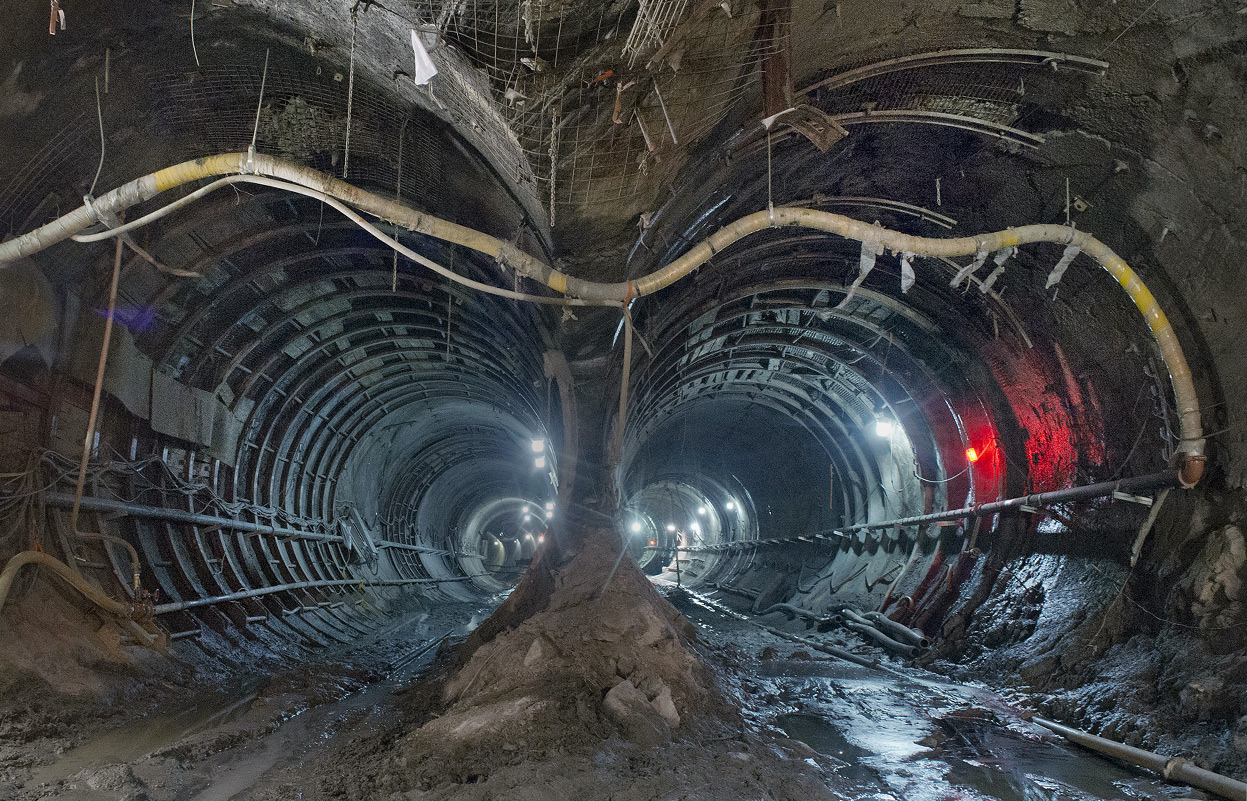
New York City, February 6, 2026 — According to Parliament News, that A widening tunnel construction delay has brought work to a standstill on a $16 billion underground infrastructure project in New York City, freezing one of the most ambitious public works initiatives in the United States and intensifying debate over safety, costs, and long-term planning. City officials confirmed that all construction activity was suspended Friday as engineers, contractors, and regulators begin a comprehensive reassessment of technical conditions beneath the city.
The project, intended to modernize aging underground transit and utility corridors, has been years in the making. Its sudden pause highlights the growing complexity of building large-scale infrastructure in dense urban environments where historical structures, active transit lines, and environmental constraints intersect.
What Triggered the Construction Suspension
City officials emphasized that the decision was not the result of a single engineering failure but rather the accumulation of multiple risk indicators. The tunnel construction delay stems from revised geological findings, scheduling conflicts among contractors, and updated safety compliance requirements introduced earlier in 2026.
According to internal planning documents, project managers concluded that continuing excavation without additional review could expose the city to greater financial and structural risks later in the build cycle.
Scale and Strategic Importance of the Project
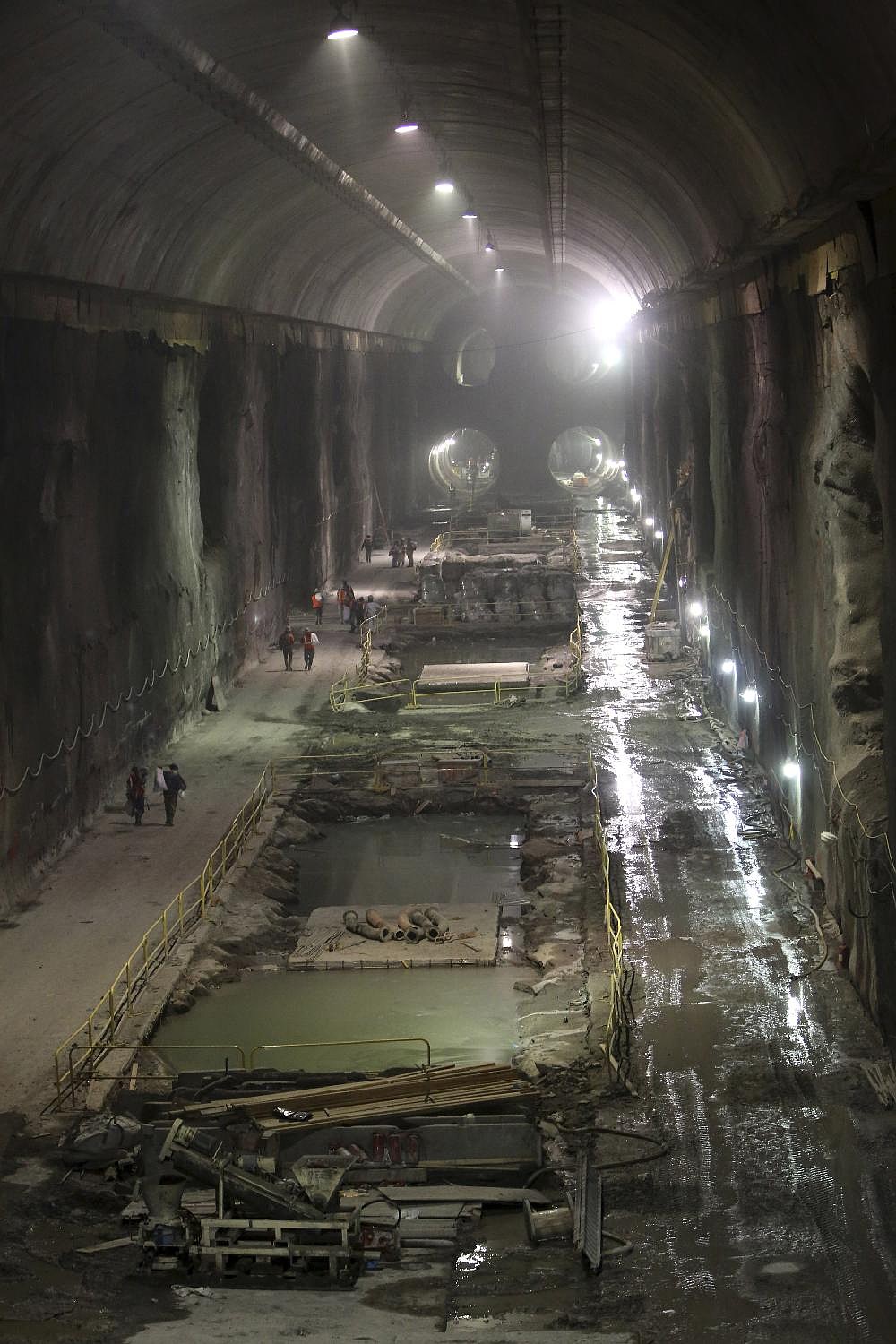
The halted tunnel is a central component of New York City’s long-term infrastructure strategy. Designed to strengthen transportation flow, utility resilience, and emergency response capacity, the tunnel is expected to serve millions of residents and commuters once completed.
Infrastructure analysts warn that a prolonged tunnel construction delay could ripple across interconnected projects, including transit upgrades, flood-resilience systems, and power distribution improvements tied to the tunnel’s completion.
Engineering Challenges Beneath a Dense City
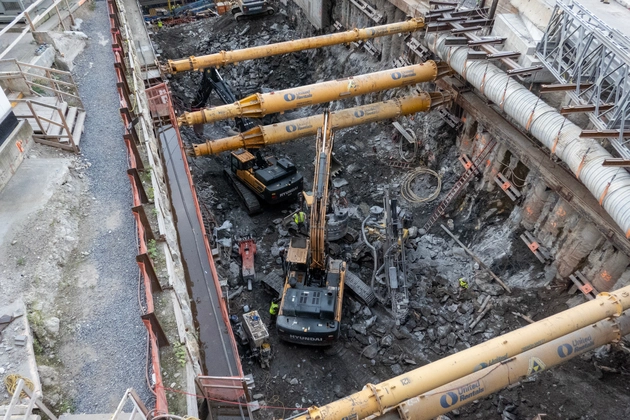
Constructing tunnels beneath New York requires navigating layered bedrock, groundwater movement, and proximity to century-old foundations. Engineers must balance excavation speed with structural stability while minimizing vibration and disruption above ground.
The current tunnel construction delay gives technical teams time to reassess modeling data, tunnel boring machine calibration, and reinforcement strategies needed to meet evolving safety thresholds.
Safety Reviews and Risk Management
City regulators confirmed that safety remains the primary driver of the suspension. Updated assessments will focus on worker safety, structural integrity, and environmental impact, particularly in areas where the tunnel passes close to existing infrastructure.
Officials argue that addressing these issues during the tunnel construction delay phase reduces the likelihood of emergency shutdowns or costly redesigns later.
Impact on Workers and Labor Planning
Hundreds of workers assigned to the project have been temporarily stood down as construction sites are secured. While city officials stated that labor contracts include provisions for such pauses, uncertainty remains regarding revised work schedules.
Labor specialists note that extended tunnel construction delay periods can disrupt skilled workforce availability, especially for specialized tunneling crews in high demand nationwide.
Budget Pressure and Cost Exposure
With a projected cost of $16 billion, the project has faced intense financial scrutiny. Equipment leasing fees, contractor standby costs, and inflationary pressures mean that even short pauses can inflate budgets.
Fiscal analysts caution that a prolonged tunnel construction delay could push final costs beyond initial estimates, placing additional pressure on municipal and state funding sources.
Transportation System Implications
Transportation officials confirmed that the suspension will not immediately affect subway or commuter rail services. However, the tunnel was intended to support long-term congestion relief and system redundancy.
Planners acknowledge that a sustained tunnel construction delay could postpone these benefits, affecting future capital investment schedules across the transit network.
Official City Statement
During a briefing on Friday, a senior infrastructure official addressed public concerns:
“This pause reflects responsible oversight. We are taking the necessary time to ensure the project meets the highest standards for safety, engineering integrity, and fiscal discipline.”
This remains the only official statement issued since the tunnel construction delay was formally announced.
Political Oversight and Governance Concerns
The suspension has drawn attention from city lawmakers and state oversight committees. Several officials called for clearer reporting on project milestones, contractor accountability, and risk forecasting.
Governance experts say a tunnel construction delay of this scale often becomes a benchmark case for evaluating public infrastructure management practices.
Contractor Coordination and Supply Chain Effects
Large tunnel projects depend on tightly synchronized supply chains. The pause requires contractors to renegotiate delivery schedules, storage arrangements, and equipment maintenance plans.
Industry observers warn that extended tunnel construction delay scenarios can strain relationships between public agencies and private contractors, complicating future collaboration.
Environmental Review and Compliance
Environmental regulators confirmed that updated reviews will examine air quality, groundwater displacement, and noise impact on surrounding neighborhoods. These assessments are critical in densely populated areas where construction effects are magnified.
The tunnel construction delay provides an opportunity to align construction methods with newer environmental standards introduced at the state and federal levels.
Community Reaction and Public Sentiment
Community response has been mixed. Some residents welcomed the pause as a precautionary measure, while others expressed frustration over prolonged disruption and uncertainty.
Public advocates stressed the importance of transparent communication throughout the tunnel construction delay review process.
History of Major Tunnel Projects in New York
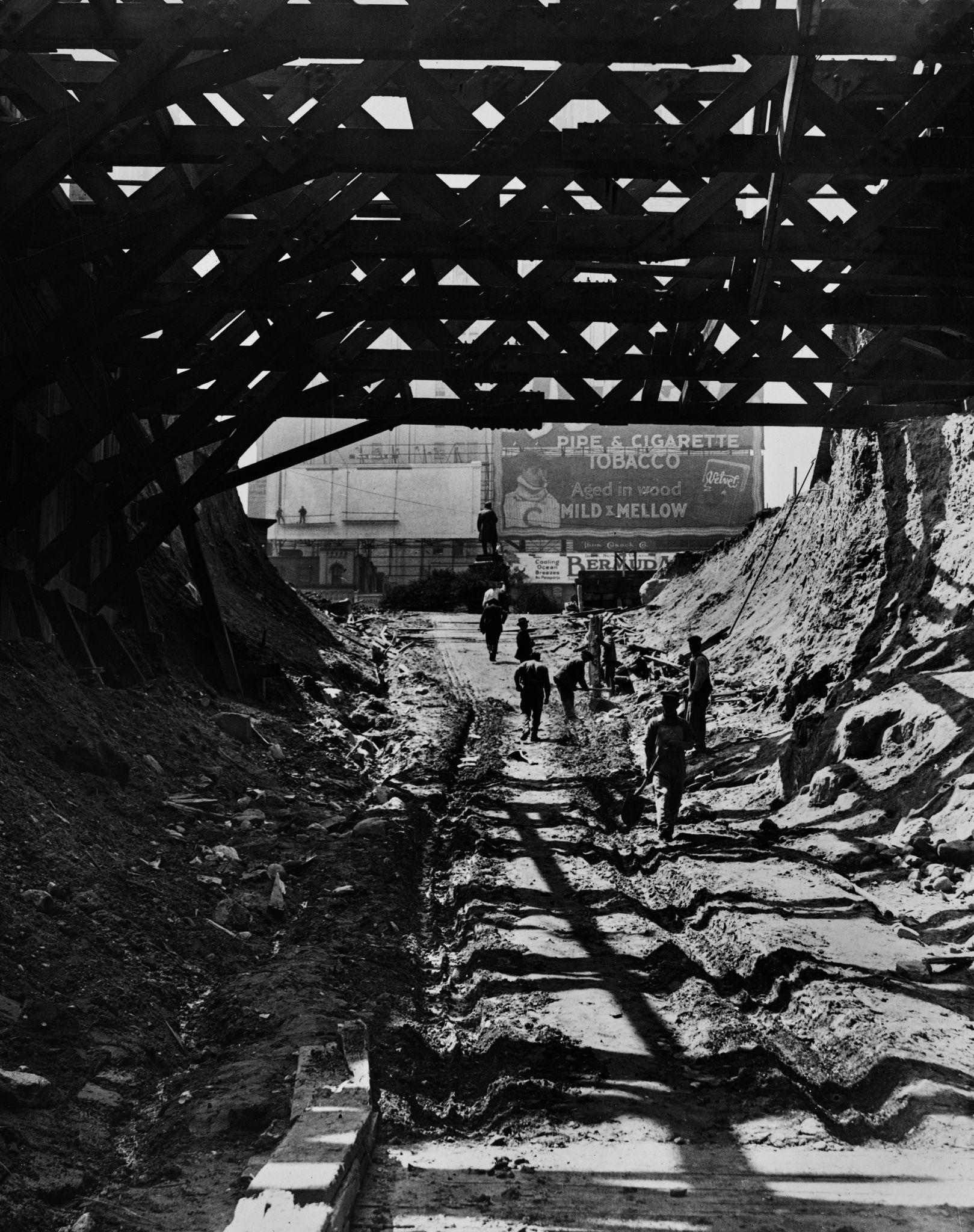
New York City has a long history of underground construction, dating back to early subway expansion and utility corridors built more than a century ago. Many of these projects experienced pauses due to technical reassessments, funding gaps, or safety concerns.
Experts note that the current tunnel construction delay follows a familiar pattern seen in earlier initiatives where evolving standards required mid-project adjustments.
Revised Timeline and Restart Conditions
Officials have not announced a restart date, stating that construction will resume only after all engineering reviews are complete and regulatory approvals reaffirmed.
Project leaders emphasized that while the tunnel construction delay introduces uncertainty, it does not alter the project’s long-term objectives or strategic value.
National Implications for US Infrastructure
Urban infrastructure projects across the United States face similar pressures as cities modernize aging systems under stricter oversight. Planners in other metropolitan areas are closely watching developments in New York.
Analysts suggest lessons from this tunnel construction delay could influence how future federally funded megaprojects are structured and monitored.
Economic Ripple Effects
Beyond construction costs, the pause affects local businesses tied to the project, including suppliers, service providers, and nearby commercial districts.
Economists warn that extended tunnel construction delay periods can dampen short-term economic activity even as they aim to safeguard long-term value.
Risk Mitigation and Long Term Planning
City officials maintain that proactive pauses reduce overall risk. By addressing structural and logistical concerns now, the city hopes to avoid emergency interventions later.
From a planning perspective, the tunnel construction delay is being framed as a recalibration rather than a retreat.
Future Outlook for the Project
Despite the halt, officials remain confident that the tunnel will eventually be completed. They argue that patience and precision are essential when building beneath one of the world’s most complex urban landscapes.
For New York City, the outcome of this review process may reshape how major infrastructure projects are delivered in the future.
The suspension of this landmark project underscores the realities of modern infrastructure development. Balancing speed, safety, environmental responsibility, and fiscal oversight is increasingly challenging in dense cities.
As New York navigates this tunnel construction delay, the decisions made in the coming months will carry implications far beyond a single tunnel, influencing urban development strategies for years to come.