

United States, February 6, 2026 — Parliament News, notes that iPhone production costs have emerged as one of the most closely watched metrics in the global technology industry as rising component prices, supply chain realignments, and manufacturing pressures converge. For a company whose flagship product defines premium smartphone pricing worldwide, the evolving cost structure behind the iPhone is no longer a background concern but a central strategic challenge.
As inflationary pressures persist and global manufacturing dynamics shift, Apple’s ability to manage rising expenses without undermining profitability or consumer demand has become a focal point for investors, suppliers, and competitors alike.
A Changing Economic Environment for Smartphone Manufacturing
The global economic backdrop in 2026 has created a more complex operating environment for hardware manufacturers. Higher energy prices, increased labor costs, and geopolitical uncertainty have all contributed to elevated production expenses across industries.
Within this context, iPhone production costs reflect not just internal efficiencies but also external forces beyond Apple’s direct control. The smartphone market, once characterized by rapid cost declines through scale, now faces structural headwinds that complicate traditional pricing models.
Components Drive the Largest Share of Costs
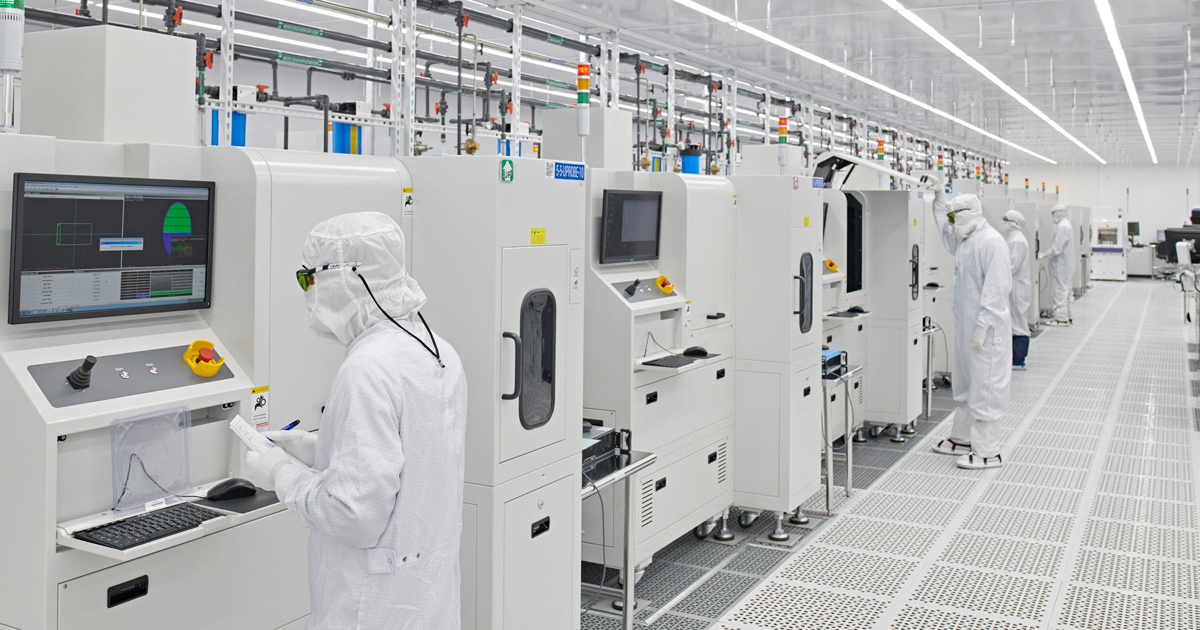
At the heart of cost pressures are core components such as processors, memory chips, display panels, and camera modules. Each generation of iPhone integrates more advanced technology, pushing performance boundaries while increasing component complexity.
Industry analysts note that iPhone production costs are particularly sensitive to semiconductor pricing, where cutting-edge fabrication processes require massive capital investment and long development timelines. Even incremental improvements in performance can result in disproportionately higher costs.
Semiconductor Constraints Remain Persistent
Despite expanded investment in chip manufacturing globally, supply remains tight for advanced nodes used in premium consumer electronics. Competition from artificial intelligence infrastructure, automotive electronics, and data centers has intensified demand.
As a result, iPhone production costs continue to reflect pricing power held by chipmakers rather than device manufacturers. Long-term contracts provide some stability, but sustained shortages limit Apple’s leverage.
Manufacturing Complexity Adds Financial Pressure
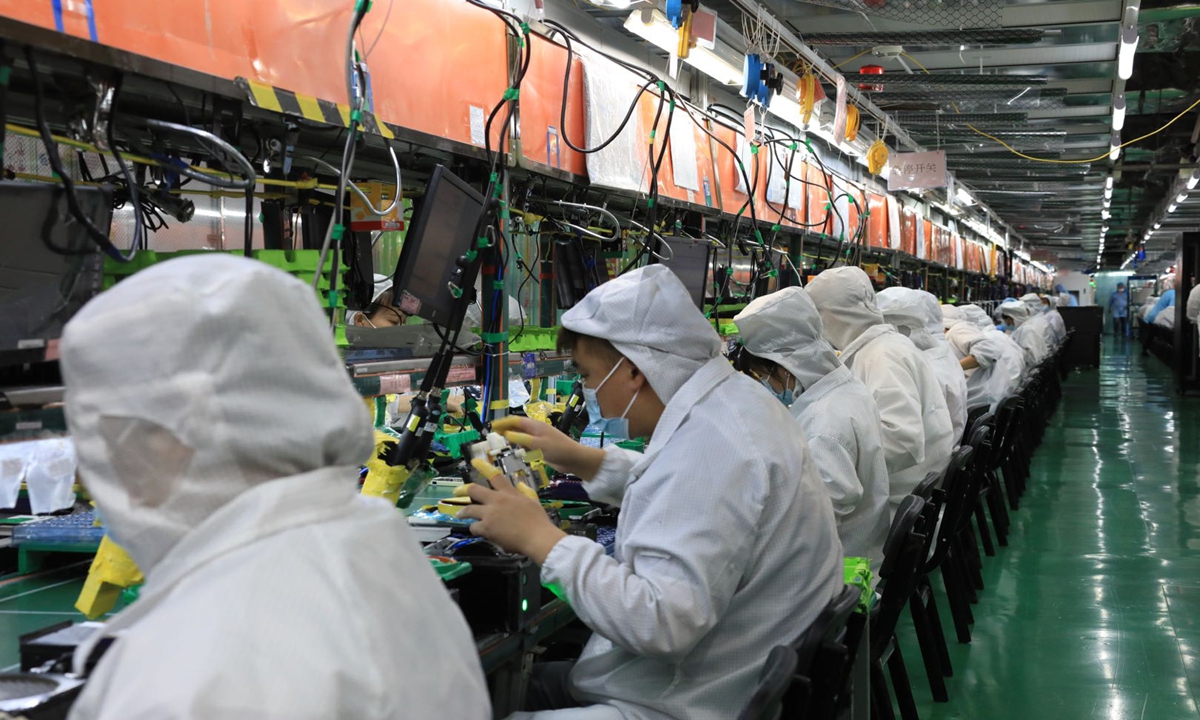
Beyond components, assembling millions of high-precision devices requires intricate coordination across multiple suppliers and regions. Each shift in manufacturing geography introduces transitional inefficiencies.
Efforts to diversify production locations have enhanced resilience but also added layers of logistical complexity. These changes contribute directly to iPhone production costs, particularly during periods of ramp-up and workforce training.
Labor and Compliance Expenses Increase
Labor costs have risen steadily in many manufacturing hubs due to wage growth, regulatory standards, and competition for skilled workers. Compliance requirements related to safety, environmental standards, and reporting further increase baseline expenses.
Together, these factors push iPhone production costs higher, reducing Apple’s ability to rely solely on operational efficiency to offset rising inputs.
Apple’s Pricing Model Under Scrutiny
Apple has long relied on premium pricing to protect margins while delivering high perceived value. However, persistent cost increases test how far this model can stretch.
Market observers suggest that iPhone production costs may increasingly influence retail pricing decisions, especially for high-end models with expanded storage and advanced imaging capabilities.
Consumer Sensitivity Varies by Market
While demand for iPhones remains strong in mature markets, price sensitivity differs globally. In emerging economies, even modest price increases can influence purchasing decisions.
Analysts warn that if iPhone production costs continue rising, Apple may need to balance global pricing strategies more carefully to maintain market share across regions.

Competitive Pressure Limits Flexibility
Apple operates in a competitive landscape where rivals offer feature-rich devices at lower price points. While brand loyalty remains strong, sustained price gaps can erode competitiveness over time.
If iPhone production costs rise faster than those of competitors, Apple faces difficult trade-offs between margin preservation and feature differentiation.
One Industry Perspective Summarizes the Challenge
A senior supply-chain analyst described the situation succinctly:
“The pressure on iPhone production costs is structural, not cyclical, and managing it will define how Apple innovates over the next decade.”
This view reflects growing consensus that cost discipline is now inseparable from product strategy.
Supply Chain Investments Aim for Stability
Apple continues to invest heavily in long-term supplier relationships, manufacturing automation, and geographic diversification. These initiatives aim to reduce vulnerability to single-source disruptions.
Over time, such investments may help moderate iPhone production costs, though short-term relief remains limited due to the scale and complexity of global supply chains.
Transportation and Logistics Add to Expenses
Global shipping costs, warehousing, and inventory management have become more expensive in recent years. Even small inefficiencies multiply when applied across millions of units.
These logistical realities further elevate iPhone production costs, particularly during product launches that require rapid global distribution.

Currency Fluctuations Create Additional Risk
Exchange-rate volatility affects component sourcing and manufacturing expenses across borders. Currency movements can quickly alter cost projections and supplier pricing.
As a result, iPhone production costs are influenced not only by physical inputs but also by financial variables that require constant monitoring.
The Role of Technology in Cost Management
Automation, artificial intelligence, and advanced manufacturing techniques play an increasing role in cost control. Precision robotics and predictive analytics help reduce waste and improve yields.
Apple’s ability to apply technology effectively will influence how iPhone production costs evolve in the coming years, particularly as devices grow more complex.
Historical Context of iPhone Cost Evolution
When the first iPhone launched, production costs were relatively high compared to competitors, reflecting pioneering design and limited scale. Over time, economies of scale and supplier competition drove costs down even as features expanded.
However, the transition to advanced processors, high-resolution displays, and sophisticated camera systems reversed that trend. In recent years, iPhone production costs have risen steadily as innovation demanded more specialized components and tighter tolerances.
History shows that each major technological leap reshapes cost structures rather than eliminating them.
Innovation Versus Affordability Tension
Innovation remains central to Apple’s identity, but each new capability carries financial implications. Features such as enhanced AI processing, satellite connectivity, and advanced sensors increase both development and production expenses.
Balancing innovation with affordability has become increasingly complex as iPhone production costs rise alongside consumer expectations.
Environmental and Sustainability Commitments
Apple’s sustainability goals influence supplier selection, materials sourcing, and manufacturing processes. While environmentally responsible practices align with corporate values, they can increase short-term costs.
These commitments are now embedded in iPhone production costs, reflecting a broader shift toward responsible manufacturing across the technology sector.
Investor Focus Intensifies
Investors closely track margins as a key indicator of Apple’s operational health. Rising costs without corresponding revenue growth can pressure valuations.
As such, iPhone production costs are scrutinized not just as an operational metric but as a signal of long-term profitability and strategic execution.
Broader Implications for the Smartphone Industry
Apple’s challenges mirror trends affecting the entire smartphone market. Component shortages, rising labor costs, and supply chain complexity impact all manufacturers.
If iPhone production costs continue climbing, industry-wide price normalization at higher levels may follow, reshaping consumer expectations globally.
Potential Paths Forward
Looking ahead, Apple may pursue several strategies: deeper vertical integration, increased automation, redesigned product tiers, or longer upgrade cycles.
Each option carries trade-offs, but all are influenced by how effectively iPhone production costs can be managed in a structurally higher-cost environment.
When Cost Discipline Shapes the Future
The evolution of iPhone manufacturing economics highlights a broader truth of modern technology markets. Innovation no longer guarantees declining costs, and scale alone cannot offset every pressure.
How Apple navigates rising iPhone production costs will shape not only pricing decisions but also the pace and direction of innovation for years to come.
A Defining Test for Apple’s Operational Model
As 2026 unfolds, Apple stands at a crossroads where operational discipline and technological ambition must align more closely than ever.
The trajectory of iPhone production costs will remain a defining factor in how the world’s most influential smartphone brand balances growth, innovation, and accessibility in an increasingly complex global economy.