

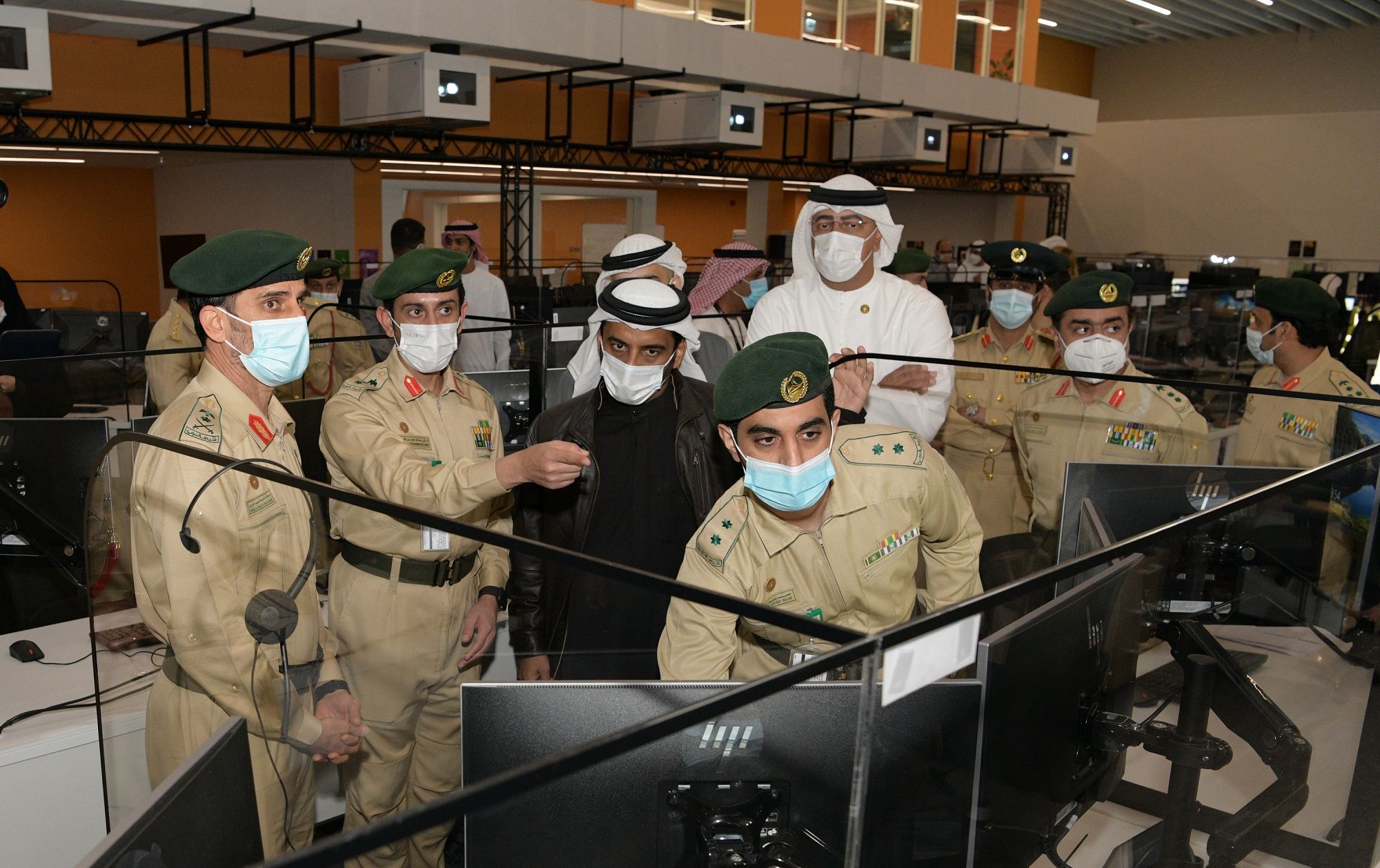
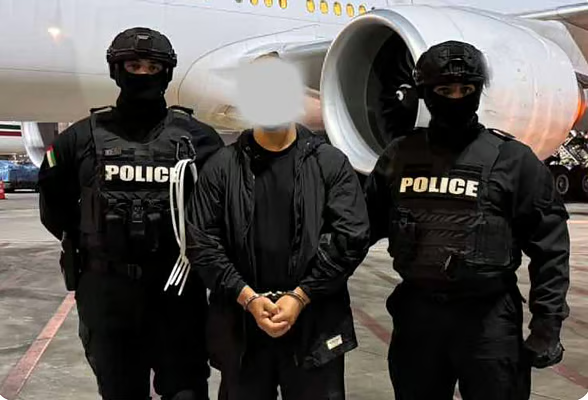
Dubai, United Arab Emirates, February 8, 2026 — According to Parliament News, that The Russian general attack has become a defining international security story after authorities confirmed the detention of a suspect in Dubai, bringing renewed focus on the safety of senior military leadership and the role of cross-border cooperation in high-profile investigations. Officials described the development as a significant step in an inquiry that spans multiple jurisdictions and involves sensitive national security considerations linked to the Russian general attack.
The incident has drawn sustained attention from governments, analysts, and defense institutions worldwide, largely because of the senior rank involved and the rare nature of such cases.
Overview of the Incident and Initial Assessments
Preliminary information indicates that the Russian general attack unfolded under circumstances that immediately elevated it to a matter of national importance. Attacks involving high-ranking military officials are uncommon and often treated as exceptional cases due to their potential implications for institutional stability and morale.
Early assessments by investigators suggested that the incident was targeted rather than accidental, prompting a wide-ranging inquiry into motive, planning, and possible external connections.
Investigation Progress and Evidence Review
Security agencies involved in the case say the investigation into the Russian general attack advanced rapidly once international partners were notified. Analysts familiar with the process note that early intelligence sharing likely played a key role in identifying the suspect’s movements outside Russia.
Investigators are reviewing travel records, financial transactions, and communication data as part of efforts to establish a detailed timeline of events and determine whether additional individuals were involved.
Dubai’s Role in the Detention
Dubai’s involvement in detaining the suspect has placed the city at the center of the investigation linked to the Russian general attack. Authorities confirmed that the detention followed formal coordination requests and intelligence exchanges with foreign counterparts.
The city’s established legal framework allows for provisional detention in cases involving international cooperation, while judicial authorities assess documentation and procedural requirements.

Response From Russian Authorities
Officials in Moscow characterized the detention as a breakthrough in addressing the Russian general attack, emphasizing that crimes targeting senior state representatives receive the highest level of attention from security agencies.
A government spokesperson said,
“The detention underscores the effectiveness of international cooperation in responding to serious crimes against senior officials.”
Security Implications for Military Leadership
The Russian general attack has prompted renewed evaluation of protective measures for senior military figures. Defense analysts say incidents of this nature often lead to reviews of personal security arrangements, travel protocols, and residential safeguards for high-ranking officials.
While authorities have not disclosed specific changes, officials confirmed that internal assessments are underway.
Legal Procedures and Extradition Considerations
Handling a suspect detained abroad involves complex legal processes. In the context of the Russian general attack, legal experts note that any extradition request would require careful judicial review to ensure compliance with domestic and international law.
Dubai’s courts are expected to evaluate evidence and procedural documentation before any transfer of custody is considered.
International Reaction and Strategic Context
Governments and security analysts worldwide have closely monitored developments related to the Russian general attack. Incidents involving senior military officials are often examined for broader geopolitical implications, particularly during periods of heightened international tension.
Experts caution against speculation, emphasizing that conclusions should be based on verified findings rather than preliminary assumptions.
Impact on Global Security Cooperation
One notable outcome of the Russian general attack has been increased visibility of international security cooperation mechanisms. Intelligence sharing and coordinated law enforcement actions have become essential in addressing threats that extend beyond national borders.
Such collaboration is viewed as increasingly important in an era of rapid global mobility.
Information Control and Media Handling
Authorities have maintained a measured approach to public communication regarding the Russian general attack, releasing limited information to protect the integrity of the investigation. Media coverage has largely relied on official statements and verified sources.
This approach reflects standard practice in cases involving national security and senior officials.
Historic Comparison
From a historical perspective, the Russian general attack can be compared with a small number of past incidents involving senior military figures. Historically, such cases have often led to significant changes in security doctrine, interagency coordination, and protective strategies.
Modern investigations differ from earlier eras due to advances in surveillance technology, digital tracking, and international legal frameworks, enabling faster and more coordinated responses.
Lessons for Defense Institutions
The Russian general attack has highlighted the evolving threat landscape facing defense institutions. Analysts argue that traditional security models must adapt to address risks associated with increased connectivity and technological sophistication.
Defense planners worldwide are expected to review existing protocols in light of the case.
Ongoing Investigation and Judicial Review
Authorities stress that the investigation connected to the Russian general attack remains active. Additional findings may emerge as judicial proceedings advance and further evidence is assessed.
Officials have declined to outline timelines, citing the complexity of cross-border legal coordination.
Diplomatic Sensitivities and International Law
Cases involving senior officials often require careful diplomatic handling. The Russian general attack has reinforced the importance of balancing transparency with legal and security considerations.
Diplomatic channels remain engaged to ensure that all procedures follow established international norms.
Why the Case Resonates Beyond 2026
The Russian general attack is expected to influence security planning and policy discussions well beyond the immediate timeframe. Policymakers and defense experts are likely to draw long-term lessons from the incident.
Its implications extend beyond a single investigation.
Expanded Context on Regional Security Dynamics
Security analysts note that incidents involving senior military figures rarely occur in isolation. Such events often intersect with broader regional security dynamics, intelligence rivalries, and geopolitical tensions. In recent years, governments have increased coordination to address emerging threats that do not conform to traditional state-based conflict models.
The growing complexity of global security environments has forced defense institutions to reassess long-standing assumptions about risk exposure. Analysts emphasize that high-ranking officials are increasingly vulnerable due to expanded travel schedules, public visibility, and digital footprints.
Intelligence Sharing in Modern Investigations
Modern investigations rely heavily on intelligence-sharing frameworks that extend across continents. Law enforcement agencies now operate within networks that allow real-time exchange of data, surveillance insights, and legal documentation. This approach has become especially important in cases involving international movement and multiple jurisdictions.
Experts say these frameworks have significantly reduced response times compared to earlier decades, when coordination was slower and often constrained by bureaucratic barriers.
Legal Safeguards and Judicial Oversight
Judicial oversight remains a cornerstone of international cooperation. Courts play a central role in reviewing evidence, validating detention procedures, and ensuring that all actions comply with domestic and international law. Legal experts stress that transparency in these processes is essential to maintaining public trust.
While security concerns often justify limited disclosure, judicial review helps balance enforcement needs with civil liberties and procedural fairness.
Media Responsibility in High-Sensitivity Cases
Media organizations covering sensitive security cases face unique challenges. Editors must balance the public’s right to know with the risk of compromising ongoing investigations. Responsible reporting typically prioritizes verified information and avoids speculation that could interfere with legal proceedings.
This cautious approach is particularly important when cases involve senior officials or cross-border law enforcement actions.
Implications for Defense Policy Planning
Defense planners are increasingly factoring asymmetric threats into policy development. Traditional battlefield risks are now complemented by concerns related to targeted violence, cyber vulnerabilities, and intelligence leaks. Analysts suggest that future defense strategies will place greater emphasis on preventive intelligence and protective coordination.
Training programs for security personnel are also evolving to address these changing threat environments.
International Precedents and Policy Evolution
Past incidents involving senior officials have often served as catalysts for policy reform. Governments have responded by revising security protocols, enhancing interagency coordination, and investing in advanced surveillance technologies. These precedents demonstrate how individual cases can influence long-term institutional change.
Policy evolution in this area is typically incremental but sustained, reflecting the seriousness with which such threats are viewed.
Strategic Stability and Public Confidence
Maintaining public confidence is a critical aspect of managing high-profile security cases. Clear communication, lawful procedures, and visible cooperation between authorities contribute to perceptions of institutional stability. Analysts note that uncertainty can be as damaging as the incident itself if left unaddressed.
Governments therefore place significant emphasis on demonstrating control and competence throughout investigative processes.
The Road Ahead for International Cooperation
Looking forward, international cooperation is expected to deepen as security challenges become more transnational. Agreements on data sharing, extradition, and joint operations continue to expand, reflecting shared recognition that no single country can address complex threats alone.
Experts believe this trend will shape global security practices for years to come.