

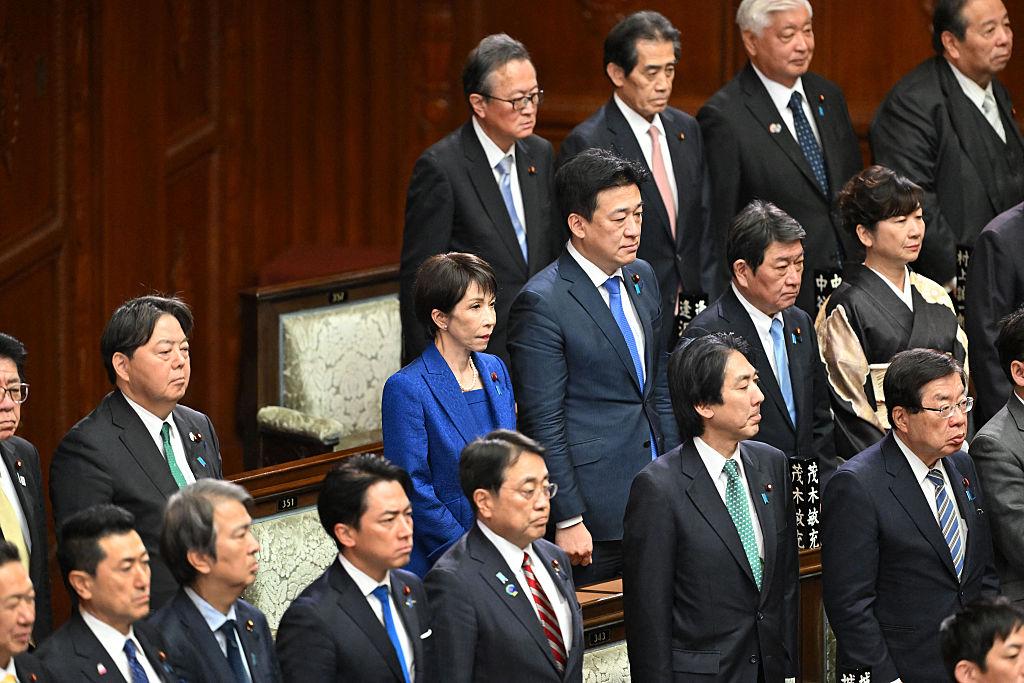
Tokyo, February 8,2026, According to Parliament News, that recent national political developments have brought renewed attention to the Japan ruling alliance, as electoral outcomes and parliamentary dynamics confirmed voter preference for continuity during a period of economic uncertainty and regional security tension. The developments clarified power structures within the legislature and reinforced confidence in established governance at a time when many democracies face fragmentation.
The process unfolded with minimal disruption. Financial markets remained steady, public institutions functioned smoothly, and political transitions occurred within expected constitutional frameworks. Together, these elements underscored the resilience of Japan’s political system.
Political Context Leading to Consolidation
The consolidation of authority followed months of debate over economic direction, demographic pressures, and defense policy. While public discourse reflected differing views on reform pace, there was broad agreement on the importance of institutional stability.
Against this backdrop, the Japan ruling alliance presented itself as an anchor of predictability, emphasizing administrative experience and coordinated policymaking rather than abrupt change.
Electoral Mechanics and Parliamentary Outcomes
Electoral data showed disciplined coordination among governing partners. Candidate placement, vote distribution, and proportional representation strategies minimized internal competition and maximized efficiency.
These mechanics proved decisive in strengthening the Japan ruling alliance, allowing it to translate voter support into legislative influence without significant internal friction.
Leadership and Coalition Management
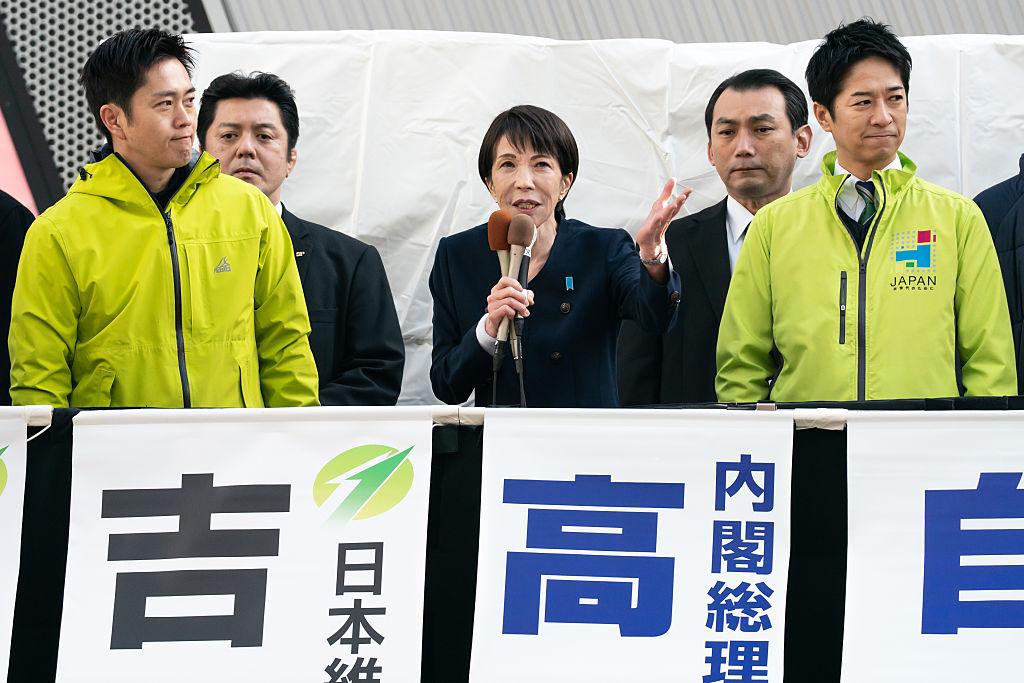
Prime Minister Sanae Takaichi emerged with reinforced authority inside the governing bloc. Her approach to coalition management, marked by consultation and message consistency, reduced policy divergence among partners.
In a single post-vote address delivered in Tokyo, she said:
“This outcome reflects the public’s trust in steady leadership and responsible governance.”
The statement captured the leadership’s interpretation of the mandate and stood as the only official quotation following the political developments.
Public Sentiment and Voter Motivation
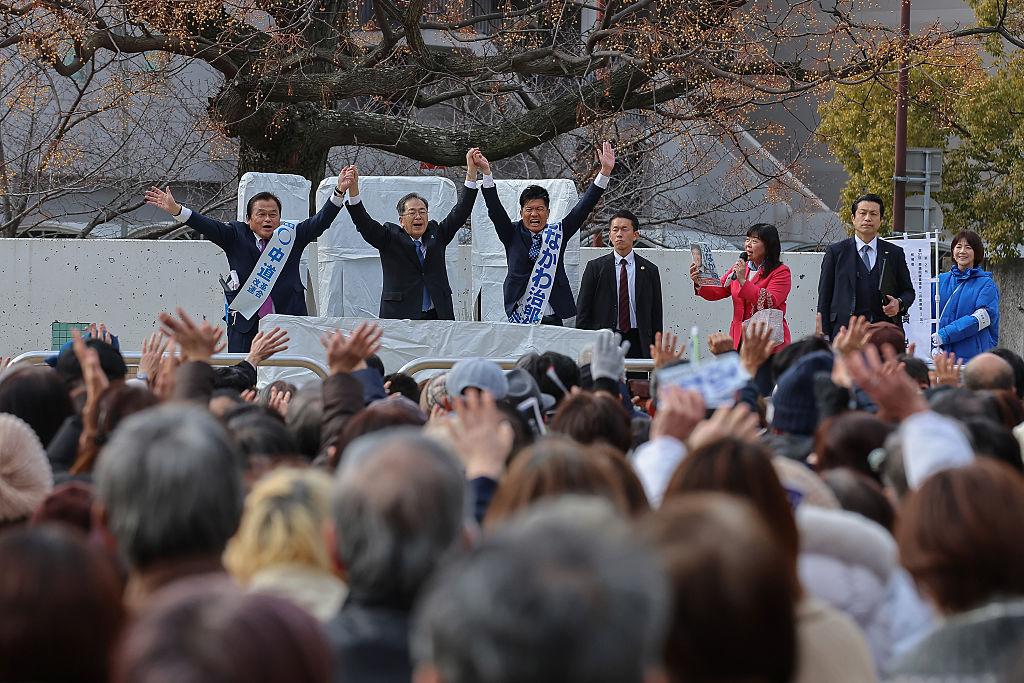
Post-event surveys suggest voters were motivated less by enthusiasm and more by caution. Rising costs of living, global market volatility, and regional security concerns shaped electoral behavior.
For many citizens, the Japan ruling alliance represented continuity in administration and a safeguard against uncertainty rather than a vehicle for rapid transformation.
Opposition Constraints and Strategic Gaps
Opposition groups struggled to articulate a unified alternative. Divergent economic proposals and leadership rivalries weakened their ability to challenge the stability narrative.
Political analysts observed that the opposition’s fragmentation indirectly reinforced the appeal of the Japan ruling alliance, particularly among undecided voters.
Economic Policy as a Stability Signal
Economic management remained central to voter calculations. The governing bloc emphasized fiscal caution, targeted investment, and coordination with monetary authorities.
Business organizations largely welcomed continuity, noting that predictable governance under the Japan ruling alliance supports long-term planning and reduces policy risk.
Market Response and Financial Confidence
Financial markets reacted calmly to the consolidation of power. Bond yields and equity indices reflected confidence in institutional continuity rather than speculation over abrupt policy shifts.
Economists noted that sustained confidence depends on credible long-term planning, a challenge that continues to frame discussion around the Japan ruling alliance.
Administrative Capacity and Governance
Public administration played a key role in reinforcing confidence. Electoral logistics, vote counting, and institutional communication proceeded without disruption.
This performance strengthened perceptions that the Japan ruling alliance governs within a robust administrative framework capable of managing political change smoothly.
Regional Patterns of Support
Support for the governing bloc remained strongest in rural districts, where continuity in agricultural policy and regional development funding resonated with voters. Urban areas displayed more diverse political preferences but did not significantly erode overall parliamentary strength.
These regional dynamics continue to shape the operational foundation of the Japan ruling alliance.
International Reactions and Diplomatic Implications
Foreign governments responded cautiously but positively. Continuity in Tokyo was widely interpreted as supportive of predictable diplomacy and sustained regional engagement.
From an international perspective, the Japan ruling alliance was viewed as a stabilizing factor in an increasingly uncertain geopolitical environment.
Media Interpretation and Narrative Framing
Domestic media framed the developments as a mandate for steadiness rather than transformation. Editorials emphasized voter restraint and institutional trust.
International coverage echoed these themes, highlighting the role of the Japan ruling alliance in maintaining political predictability.
Policy Agenda Following Consolidation
With parliamentary positioning clarified, attention has shifted toward policy execution. Priority areas include budget planning, defense readiness, administrative efficiency, and demographic adaptation.
Coalition leaders have stressed caution, acknowledging that authority must be exercised carefully to maintain trust in the Japan ruling alliance.
Social Expectations and Accountability
Public expectations are measured but firm. Surveys indicate that voters expect tangible outcomes in wages, public services, and cost-of-living relief.
Meeting these expectations will be critical to sustaining confidence in the Japan ruling alliance beyond the current political cycle.
Institutional Integrity and Democratic Norms
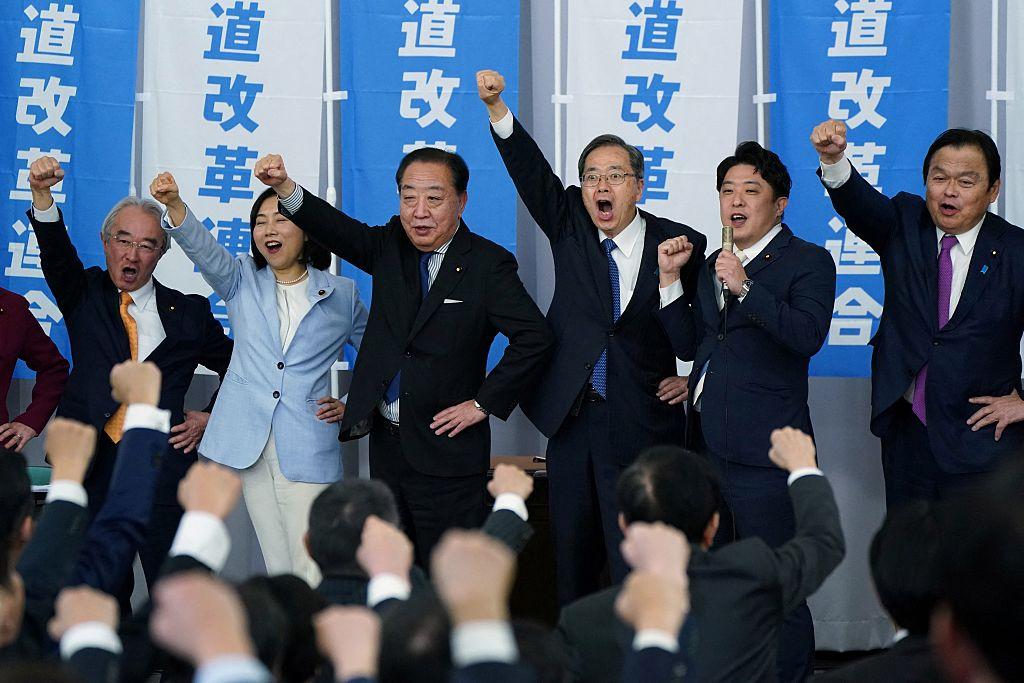
Observers praised the orderly conduct of political processes, noting transparency and adherence to democratic norms.
Such institutional performance further reinforced confidence associated with governance by the Japan ruling alliance.
Historic Comparison
Historically, Japan has experienced periods of political volatility during moments of economic or security stress, particularly in the late twentieth century. Those eras were often marked by rapid leadership turnover and policy inconsistency.
By contrast, the current position of the Japan ruling alliance reflects an evolution toward institutional continuity, where stability itself has become a central electoral value rather than a byproduct of circumstance.
Long-Term Structural Challenges
Despite consolidated authority, unresolved challenges remain. These include demographic decline, labor market transformation, technological competition, and debt sustainability.
Addressing these issues without undermining confidence in the Japan ruling alliance will require careful sequencing and transparent communication.
Parliamentary Responsibility and Restraint
Stronger parliamentary positioning brings increased accountability. Lawmakers face heightened expectations to deliver results without eroding public trust.
Maintaining cohesion within the Japan ruling alliance will depend on disciplined leadership and inclusive decision-making.
Public Trust as a Governing Asset
Trust has emerged as the governing bloc’s most valuable political asset. Surveys suggest that voters distinguish between stability and stagnation, rewarding continuity only when paired with responsiveness.
This balance remains central to public perceptions of the Japan ruling alliance.
External Economic Environment
Global economic conditions continue to influence domestic policy choices. Trade shifts, energy markets, and currency movements remain external constraints.
Within this context, the Japan ruling alliance benefits from the perception that stability enhances national resilience.
Looking Ahead Toward Policy Delivery
As 2026 progresses, political attention will increasingly focus on outcomes rather than positioning. Legislative success will be measured by effectiveness rather than speed.
The durability of the Japan ruling alliance will depend on its ability to translate authority into practical governance.
A Mandate Defined by Caution
The consolidation of power reflects a cautious electorate prioritizing predictability over experimentation. Rather than demanding dramatic change, voters reaffirmed confidence in established leadership structures.
The Japan ruling alliance now governs under a mandate shaped as much by restraint as by authority.
Continuity as a Strategic Choice
Ultimately, the developments of 2026 highlight a strategic choice by voters. Stability, institutional confidence, and measured governance were valued over uncertainty.
How the Japan ruling alliance responds to this mandate will shape Japan’s political trajectory well beyond the current cycle.