

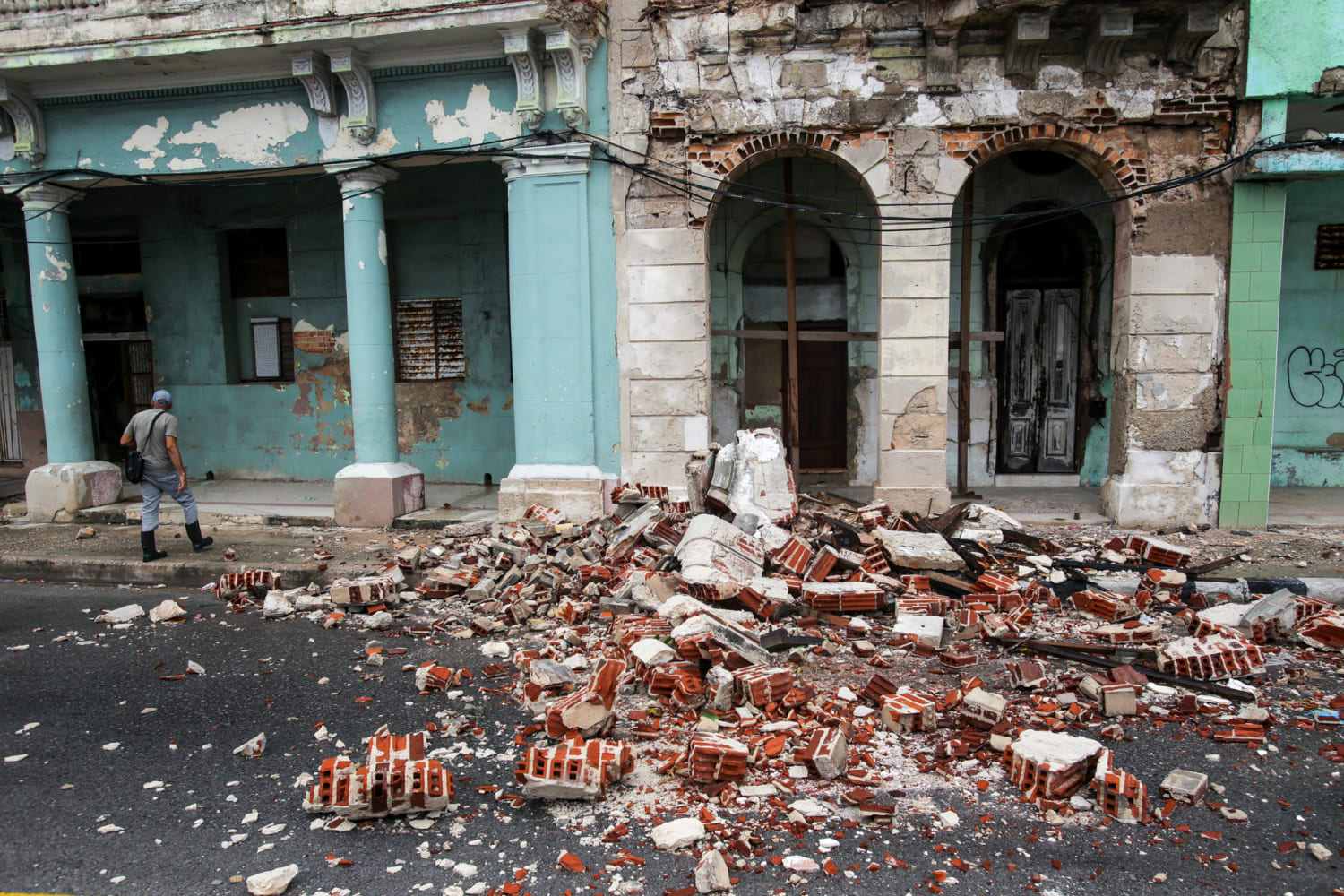
Eastern Cuba, February 8, 2026: According to Parliament News, that experienced sudden ground movement after the Cuba earthquake today was detected by regional and international monitoring agencies. The tremor was felt across several provinces, prompting residents to pause daily activities and briefly move outdoors as a precaution. Although initial reports did not indicate widespread destruction, the event triggered immediate safety assessments and heightened alert levels across the affected region.
Authorities said the shaking lasted only seconds but was strong enough to be felt in both coastal towns and inland communities. Emergency coordination centers were activated to gather information and ensure public safety.
Seismic measurements clarify the event
According to data released by the European Mediterranean Seismological Centre, the quake registered a moderate magnitude and occurred at a depth that limited surface damage. Seismologists explained that depth plays a crucial role in how strongly an earthquake is felt at ground level.
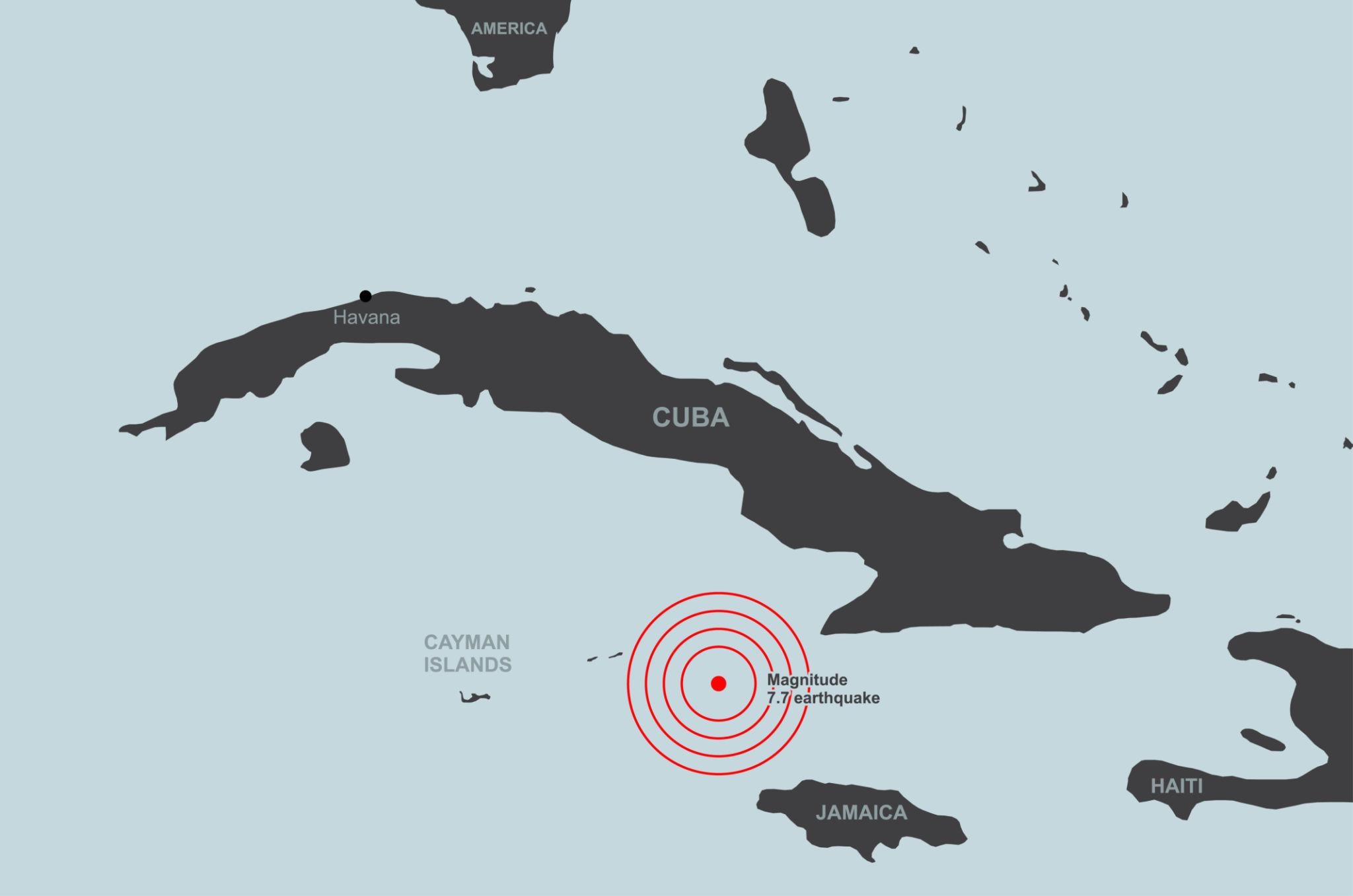
The Cuba earthquake today was centered in the eastern portion of the island, an area more susceptible to seismic activity due to its proximity to tectonic boundaries within the Caribbean region.
Residents describe sudden but brief shaking
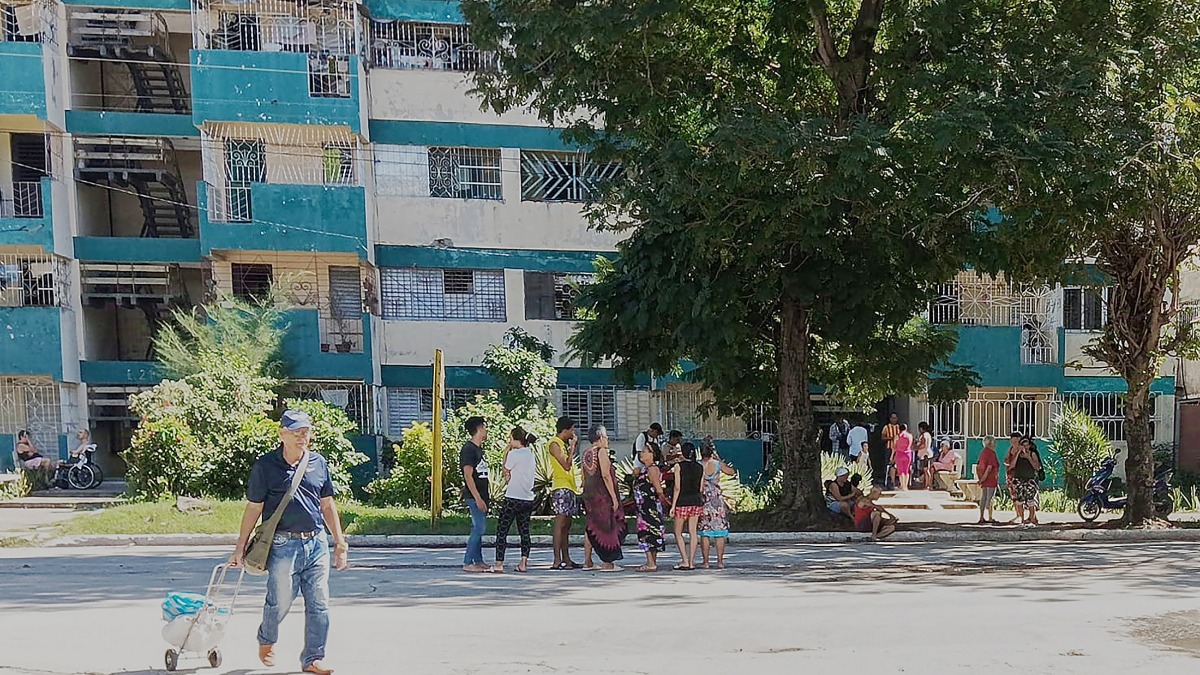
Across towns and villages, residents reported rattling windows, swaying furniture, and momentary disruptions to daily routines. Many followed established safety guidance by stepping outside or standing in open areas away from buildings.
Local community leaders said communication systems functioned normally after the Cuba earthquake today, allowing authorities to circulate safety updates quickly and prevent misinformation.
Emergency services shift into assessment mode
Civil defense teams were dispatched to inspect hospitals, schools, and government buildings. Engineers focused on identifying cracks, weakened structures, or other signs of stress, particularly in older buildings.
Officials emphasized that preparedness protocols helped limit confusion following the Cuba earthquake today, highlighting the value of routine disaster response training across the island.
Understanding eastern Cuba’s seismic setting
Cuba’s eastern region lies near the boundary between the North American and Caribbean tectonic plates. While the island is far less earthquake-prone than some neighboring areas, this geological setting makes eastern provinces more vulnerable to tremors.
Geologists noted that the Cuba earthquake today aligns with known fault activity and does not suggest an unusual shift in regional seismic behavior.
Light effects reported beyond the island
In addition to Cuba, light shaking was reported in nearby Caribbean areas. Regional monitoring networks confirmed that the event did not meet criteria for tsunami warnings, as there was no significant displacement of the seafloor.
Experts explained that the Cuba earthquake today demonstrates how seismic energy can travel across island chains even when damage remains limited.
Infrastructure resilience put to the test
Authorities prioritized inspections of older residential structures and critical infrastructure, including bridges, power facilities, and water systems. Engineers said Cuba’s long-standing focus on hurricane-resistant construction may have contributed to reduced structural damage.
Officials reported no widespread failures linked to the Cuba earthquake today, but inspections continued as a precaution.
Scientific monitoring continues after the tremor
Seismic stations across the Caribbean remained active following the event, tracking possible aftershocks and refining models of fault movement. While aftershocks are common, experts noted they are typically smaller and less disruptive.
The Cuba earthquake today has been added to regional seismic databases, contributing to ongoing research into Caribbean tectonics.
Public safety guidance reiterated
Civil defense authorities reminded residents to review earthquake safety measures, including identifying safe indoor areas, securing heavy objects, and maintaining emergency supplies.
Officials stressed that the Cuba earthquake today should be treated as a reminder of natural risk rather than a cause for panic.

Historic comparison: earthquakes in Cuba’s past
Although hurricanes dominate disaster planning in Cuba, earthquakes have played a role in shaping safety policies over the decades. Past seismic events in the eastern provinces prompted updates to building standards and improvements in emergency coordination.
Compared with earlier incidents, the response to the Cuba earthquake today reflected faster communication, improved monitoring, and greater public awareness, according to experts who study disaster management on the island.
One official voice offers reassurance
“There are no reports of serious damage or injuries, and inspections are continuing as a precautionary measure,”
a civil defense official said during a briefing in the hours following the quake.
Economic activity resumes cautiously
Transportation services, local markets, and public offices resumed normal operations shortly after inspections began. Tourism operators in eastern provinces reported minimal disruption, noting that hotels and resorts followed established safety checks.
Authorities said the Cuba earthquake today did not affect major economic infrastructure, allowing business activity to continue with limited interruption.
Community response reflects preparedness
Residents in affected areas returned to daily routines while remaining alert to official updates. Community leaders praised calm public behavior and adherence to safety guidance.
The reaction to the Cuba earthquake today highlighted how public education and preparedness can reduce fear and confusion during sudden natural events.
Regional cooperation strengthens monitoring
Cuba participates in regional seismic data-sharing networks, allowing faster analysis and communication after earthquakes. This cooperation improves response coordination across the Caribbean.
Scientists said collaboration enhances understanding of events like the Cuba earthquake today, benefiting neighboring countries as well.
Aftershocks remain a possibility
Seismologists cautioned that smaller aftershocks could occur in the days following the initial tremor. While most aftershocks are harmless, authorities advised residents to remain attentive to official guidance.
Preparedness plans activated after the Cuba earthquake today will remain in place until monitoring agencies confirm reduced seismic activity.
Broader lessons for island resilience
Natural events such as earthquakes underscore the importance of resilience for island nations. Infrastructure quality, public awareness, and coordinated response all influence outcomes when sudden hazards strike.
The experience of the Cuba earthquake today reinforces the need for continued investment in disaster readiness alongside other national priorities.
Media coverage and public communication
National media outlets provided continuous updates, focusing on verified information and official statements. Authorities used multiple channels to communicate safety advice and inspection results.
Clear communication following the Cuba earthquake today helped prevent rumors and maintain public confidence, according to emergency management specialists.
Scientific interest in Caribbean tectonics
Researchers continue to study Caribbean plate dynamics to better understand seismic risks. Each recorded event adds valuable data for refining hazard assessments and preparedness strategies.
The Cuba earthquake today contributes to this growing body of knowledge, supporting long-term planning across the region.
Preparedness beyond earthquakes
While earthquakes are less frequent than hurricanes in Cuba, officials emphasize that all hazards require readiness. Integrated disaster planning allows resources and training to be shared across different risk scenarios.
Lessons from the Cuba earthquake today may inform broader emergency preparedness efforts nationwide.
A calm return to normal life
As inspections concluded and monitoring continued, daily life across eastern Cuba largely returned to normal. Schools reopened, businesses resumed operations, and transportation networks functioned as usual.
The measured response to the Cuba earthquake today demonstrated how preparation and public cooperation can limit disruption even during unexpected events.
When vigilance becomes routine
Natural hazards are an unavoidable reality for island nations. By maintaining vigilance and investing in preparedness, communities can reduce the impact of sudden events.
The experience of the Cuba earthquake today serves as a reminder that readiness, communication, and resilience remain essential tools in facing the unpredictable forces of nature.