

Los Angeles, February 9, 2026: According to Parliament News — A closely watched legal case opened this week in a California federal court as a lawsuit involving AI filmmaking placed one of the world’s most influential technology companies under intense legal and public examination, marking a pivotal moment for the future of artificial intelligence in the creative industries.
A Legal Dispute with Global Implications
The case, brought forward by professional software developer Autodesk, challenges how creative automation tools are developed and deployed by large technology firms, including Google. While the courtroom proceedings are taking place in Los Angeles, the consequences are expected to reach far beyond the United States.
Legal experts describe the lawsuit as one of the most consequential technology disputes of the decade, as it examines whether intellectual property protections remain effective in an era dominated by machine-driven creativity and large-scale data systems.
What the Lawsuit Is About
Autodesk alleges that Google unlawfully incorporated proprietary workflows, design logic, and creative automation frameworks into its own advanced production tools. According to filings, these elements were originally developed to support high-end animation, rendering, and cinematic workflows used by studios worldwide.
At the heart of the dispute is whether Google’s development process crossed legal boundaries while expanding its role in AI filmmaking, a field that increasingly blends software engineering with artistic production.
Why the Timing Matters
The lawsuit arrives at a moment when artificial intelligence tools are rapidly reshaping how films, advertisements, and digital media are produced. Automated systems now assist with storyboarding, scene assembly, lighting simulation, and editing-tasks that once required large production teams.
Industry analysts say the case highlights a growing tension between innovation speed and legal oversight, particularly as AI filmmaking tools transition from experimental projects into mainstream commercial use.
Autodesk’s Position and Industry Reaction
Autodesk maintains that protecting intellectual property is essential to sustaining innovation across creative industries. The company argues that without enforceable boundaries, smaller developers risk being overshadowed by technology giants capable of scaling ideas globally.
One Autodesk spokesperson told the court,
“Creative technology only thrives when innovation is respected and protected.”
The statement resonated with many independent developers who fear consolidation could reduce competition in professional creative software markets tied to AI filmmaking.
Google’s Defense and Public Stance
Google has strongly denied the allegations, stating that its creative systems were developed independently and are based on publicly available research, open scientific principles, and original engineering efforts.
Company representatives argue that overlapping ideas are inevitable in advanced computing fields and that competition ultimately benefits creators by expanding access to powerful tools, including those used in AI filmmaking environments.
The Technical Evidence Under Review
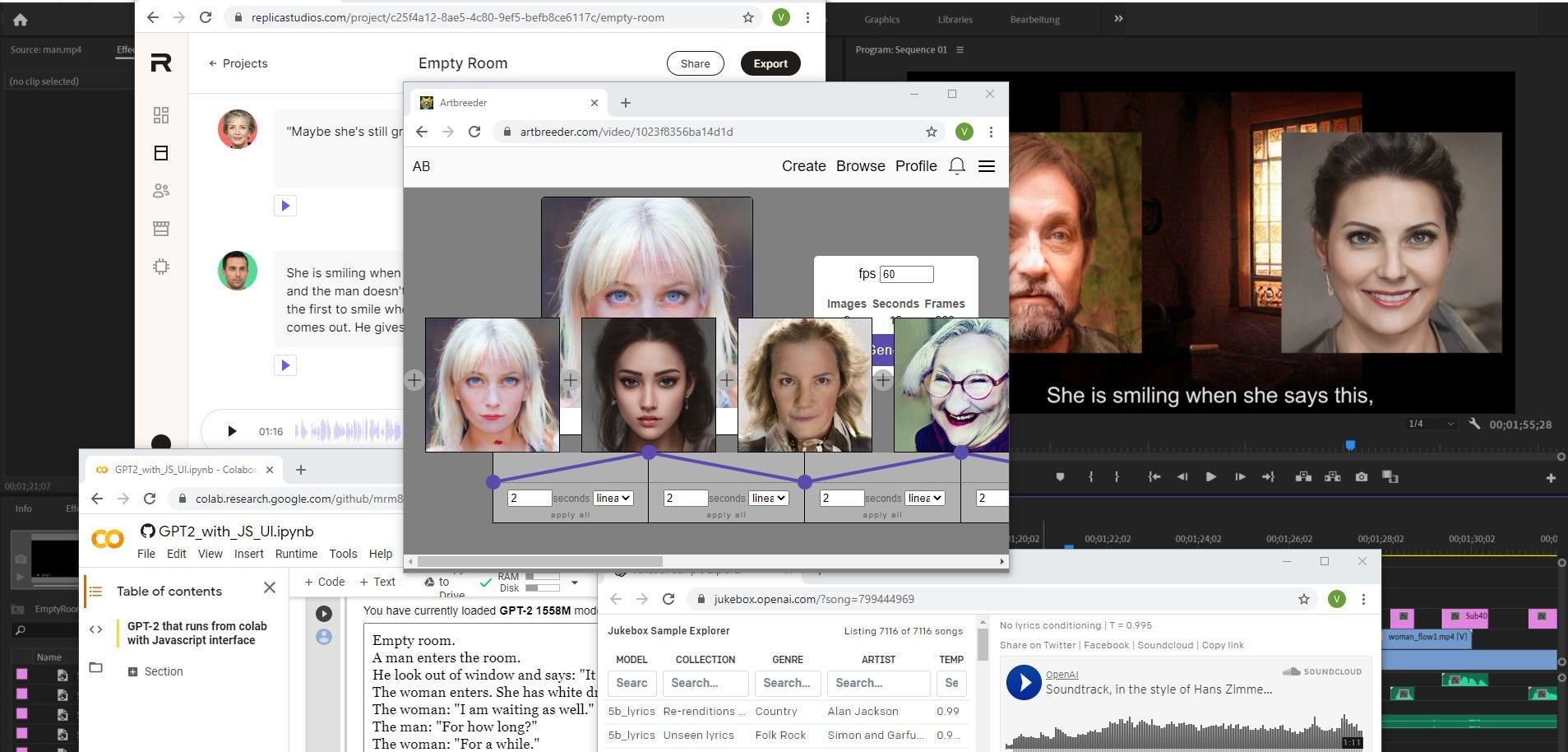
Much of the trial centers on complex technical documentation, including software architecture diagrams, development timelines, and internal research records. Expert witnesses from both sides are expected to testify on how creative automation systems are built and how originality is determined within layered technological frameworks.
Legal specialists note that disputes involving AI filmmaking often hinge on nuanced distinctions invisible to non-specialists, making expert interpretation crucial to the court’s decision.
Film Industry Watches Closely
Major film studios, production houses, and independent creators are closely monitoring the proceedings. Many rely on tools developed by both companies and worry that prolonged litigation could disrupt workflows or alter licensing structures.
Some filmmakers have welcomed the efficiency of automation, while others caution that excessive reliance on AI filmmaking could dilute artistic identity and creative authorship.
Economic and Market Considerations
The lawsuit has already sparked discussions among investors and analysts about potential financial consequences. A ruling against Google could lead to damages, injunctions, or changes to product offerings, potentially slowing innovation in automated creative platforms.
At the same time, Autodesk’s case is being viewed as a test of whether specialized software firms can defend their contributions in a rapidly expanding AI filmmaking market dominated by global technology players.
Regulatory Attention Builds
Lawmakers in the United States and Europe have shown interest in the case, seeing it as a real-world example of the challenges involved in regulating artificial intelligence. Policy discussions increasingly focus on transparency, accountability, and fair competition within creative technology sectors.
Observers suggest the outcome could influence future regulations governing AI filmmaking, particularly regarding training data usage and proprietary system design.
International Response from Creative Communities
Creative professionals across Europe and Asia have expressed concern about the implications of the lawsuit. Digital artists, animators, and editors emphasize the importance of maintaining diverse tool ecosystems that allow innovation without eroding original development.
Industry associations have called for clearer global standards to guide the ethical growth of AI filmmaking tools.
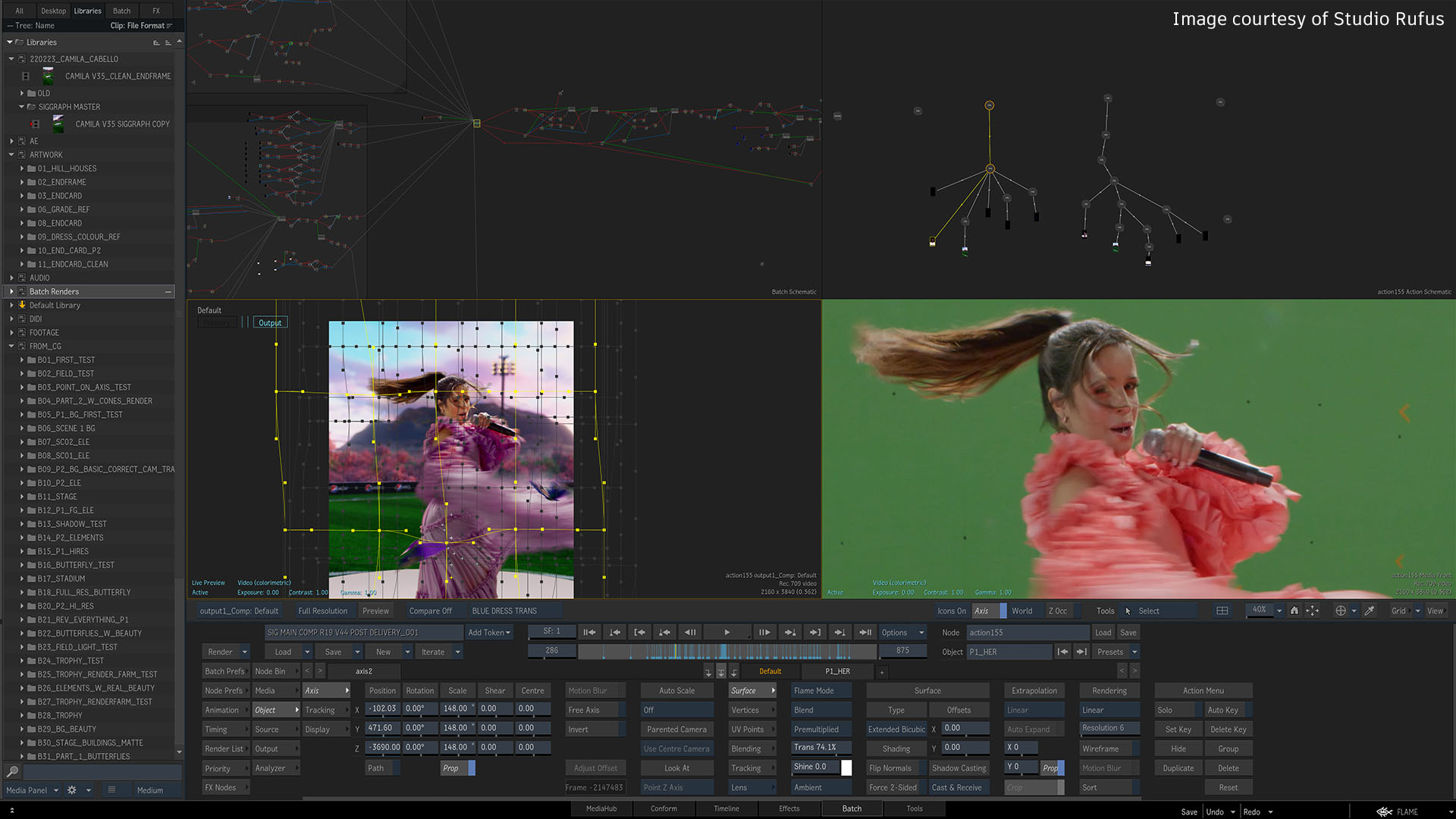
The roots of automated creative tools date back several decades. Early digital filmmaking relied on computer-generated imagery to enhance visual effects and streamline rendering processes. Over time, advancements in machine learning enabled systems to analyze footage, automate editing, and simulate complex visual environments.
This evolution laid the groundwork for today’s AI filmmaking, where algorithms assist creative professionals rather than merely supporting technical tasks.
Cultural Debate Over Creativity and Automation
The lawsuit reflects a broader cultural debate about the role of machines in creative expression. Supporters argue that automation enhances productivity and lowers barriers to entry, while critics worry about the erosion of human creativity.
As AI filmmaking becomes more prevalent, questions surrounding authorship, originality, and artistic ownership continue to gain urgency.
Legal Questions Before the Court
Judges must determine whether Autodesk’s proprietary concepts were unlawfully incorporated and whether current intellectual property laws adequately address machine-assisted creativity.
Legal scholars suggest the ruling could establish precedent for future disputes involving AI filmmaking and other generative technologies across music, design, and gaming.
What Comes Next in the Proceedings
The case is expected to continue through detailed technical discovery and expert testimony. While a final ruling may take months, interim decisions could already influence how companies approach creative automation development.
Observers agree that regardless of the outcome, the case has significantly elevated public awareness around AI filmmaking and intellectual property protections.
A Turning Point for Creative Technology
As the lawsuit unfolds in Los Angeles, it stands as a defining test for how innovation and law intersect in the digital age. The proceedings underscore the growing need for updated legal frameworks that reflect the realities of intelligent creative systems.
The debate over AI filmmaking has now firmly entered the legal arena, signaling a transformative chapter for the future of visual storytelling.