

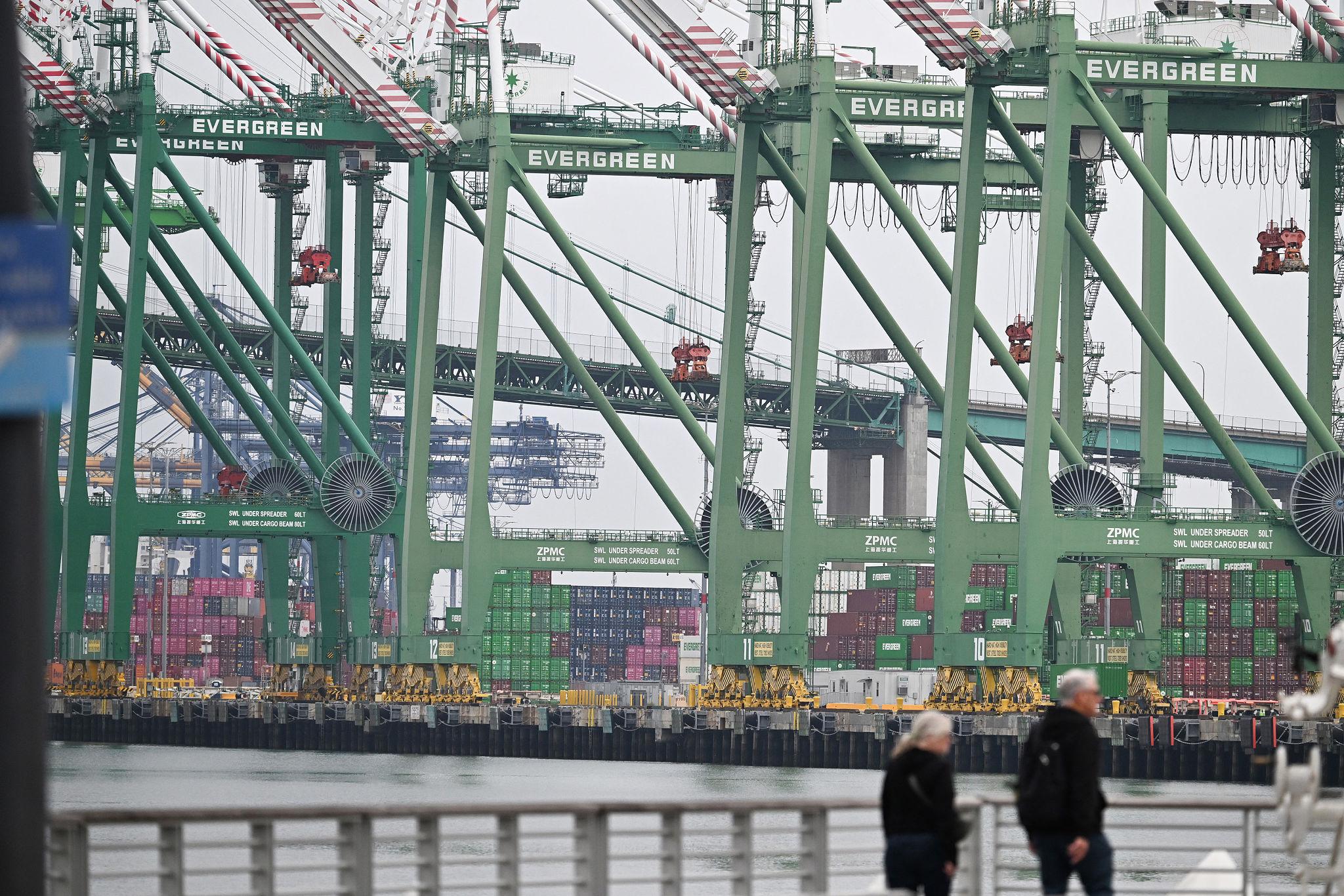
United States, February 10, 2026, According to Parliament News, that US import prices showed no year-on-year change, offering a clear signal that global cost pressures feeding into the American economy have stabilized. The latest federal data indicates that the prices paid for goods entering the United States remained flat compared with the same period last year, reinforcing expectations that imported inflation is no longer a dominant force shaping domestic price trends.
This development arrives as policymakers, businesses, and consumers continue to assess whether the post-pandemic economic normalization phase has fully taken hold across global trade networks.
December Trade Data Shows Cost Stability
The December reading confirms that US import prices have entered a period of relative calm after several years marked by sharp volatility. Monthly movements across product categories varied, but gains in some areas were balanced by declines in others, resulting in a neutral annual outcome.
Economists note that this balance reflects smoother global supply operations, steadier energy markets, and improved shipping reliability compared with previous years.
Energy Imports Anchor the Overall Index
Energy costs remain a critical driver of US import prices, and December’s data underscores their stabilizing influence. Oil prices traded within a narrow range during the month, avoiding the sharp spikes that previously amplified import inflation.
Fuel imports neither surged nor collapsed, helping anchor the overall index and preventing broader upward pressure across traded goods.
Non Fuel Imports Show Offset Movements
Beyond energy, non-fuel imports presented a mixed pattern. Industrial machinery, electronics, and select raw materials posted modest increases, while apparel, consumer goods, and some manufactured products declined slightly.
These opposing trends effectively neutralized each other, keeping US import prices unchanged on an annual basis.
Supply Chain Normalization Continues
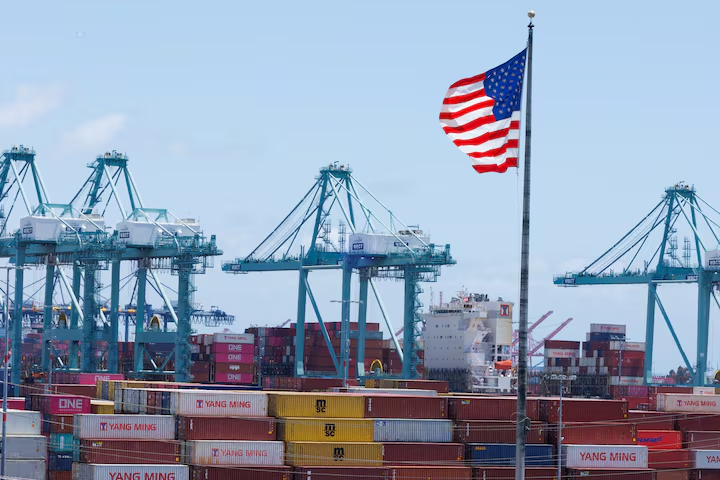
One of the clearest drivers behind the stable outcome has been ongoing supply chain normalization. Port congestion has eased, freight capacity has expanded, and shipping routes have adjusted to post-disruption realities.
Lower transportation costs embedded within US import prices have offset production cost pressures in exporting countries.
Manufacturing and Business Cost Planning
For US manufacturers, the December data provides a more predictable cost environment. Stable US import prices allow firms to manage procurement strategies, negotiate long-term supplier agreements, and stabilize inventory planning.
This predictability is particularly important for industries dependent on imported components and capital equipment.
Consumer Price Implications
Import prices indirectly influence what consumers pay at the checkout counter. When US import prices rise, retailers often face pressure to raise prices on imported goods.
December’s flat annual reading reduces the likelihood of trade-driven retail inflation, even as other domestic cost pressures persist.
Financial Markets Assess the Signal
Market participants largely viewed the December data as confirmation that external inflation risks are contained. Stable US import prices suggest fewer surprises from global trade channels, contributing to calmer investor sentiment.
Bond yields and currency markets showed minimal reaction, reflecting confidence in the broader trend.
Policy Considerations Moving Forward
From a policy perspective, stable US import prices provide breathing room. With trade costs no longer accelerating, attention can shift toward domestic inflation drivers such as wages, housing, and services.
The data is compiled and released by the US Bureau of Labor Statistics, whose import price index is widely used to assess global inflation transmission.
A Measured Expert View
“Flat import pricing suggests the global supply side is no longer overheating,” said one senior economist, adding that the December figures point to “
a more sustainable balance between global production and demand.
Corporate Strategy Adjustments
Many large US retailers and manufacturers have adjusted sourcing strategies over the past two years. Stable US import prices validate those changes, including supplier diversification and regional manufacturing shifts.
Companies now face fewer cost shocks when planning pricing strategies and promotional campaigns.
Trade Partner Dynamics
The stability in US import prices also reflects more consistent pricing behavior among major trading partners. Currency movements have been less extreme, and exporters have absorbed some cost pressures to remain competitive in the US market.
Transportation Costs and Freight Trends
Shipping rates play a significant role in shaping US import prices, and freight costs in December remained well below pandemic-era peaks. Increased vessel availability and better route optimization contributed to this decline.
Lower freight costs continue to cushion import prices even when factory gate prices rise modestly abroad.
Inflation Outlook Into 2026
Economists emphasize that while US import prices are stable now, they remain sensitive to global risks. Energy supply disruptions, geopolitical tensions, or renewed shipping constraints could still alter the trajectory.
However, December’s data establishes a calm baseline entering the new year.
Historic Comparison With Previous Trade Shocks
During earlier periods of global disruption, US import prices rose sharply as supply chains fractured and energy markets tightened. In contrast, the December 2026 reading highlights a marked departure from those conditions.
The comparison underscores how structural adjustments in logistics, inventory management, and supplier diversification have reduced vulnerability to external shocks.
Sector Specific Observations
Certain sectors benefited more directly from stable trade costs. Automotive manufacturing, electronics assembly, and construction materials all saw steadier input pricing linked to US import prices.
This stability supports broader industrial output planning and capital investment decisions.
Labor Market Interaction
Although US import prices influence inflation, labor costs remain a separate and powerful factor. Wage growth continues to shape overall price dynamics even as import costs stabilize.
Policymakers will assess both elements when evaluating inflation persistence.
Retail Pricing Strategies
Retailers often adjust pricing with a lag. Stable US import prices in December may translate into fewer price adjustments in early 2027, particularly for imported discretionary goods.
This could support consumer spending confidence.
Small Business Perspective
Smaller import-reliant businesses benefit disproportionately from predictable costs. Stable US import prices reduce financial strain and lower the risk of sudden margin compression.
For many small firms, this stability can determine whether expansion plans proceed.
Global Trade Environment
The broader global trade environment remains fragile but functional. Stable US import prices suggest that international trade lanes are operating with fewer disruptions than in recent years.
This environment supports smoother cross-border commerce.
Data Interpretation and Methodology
The import price index reflects transaction prices for goods entering the US. By tracking US import prices across categories and partners, analysts gain insight into inflation transmission from abroad.
December’s data confirms that this transmission is currently muted.
Long Term Structural Shifts
Beyond short-term trends, stable US import prices reflect longer-term structural shifts in global trade. These include nearshoring, digital logistics management, and diversified sourcing.
Such changes reduce exposure to single-region shocks.
Risks That Could Alter the Trend
Despite current stability, analysts warn that US import prices could still respond quickly to unexpected events. Energy supply disruptions or shipping bottlenecks remain potential risk factors.
Ongoing monitoring remains essential.
Strategic Outlook for Policymakers
With US import prices no longer rising, policymakers can focus on demand-side measures rather than external cost containment.
This shift simplifies economic decision-making in the near term.
What the December Data Ultimately Signals
The December 2026 data signals that global trade costs have entered a more balanced phase. Stable US import prices suggest that the worst of imported inflation pressures may be behind the economy.
A Broader Perspective on Trade Stability
The December reading reflects a global system adjusting after years of stress. While challenges remain, the pause in import price growth offers reassurance that international trade is operating with renewed balance and resilience.