

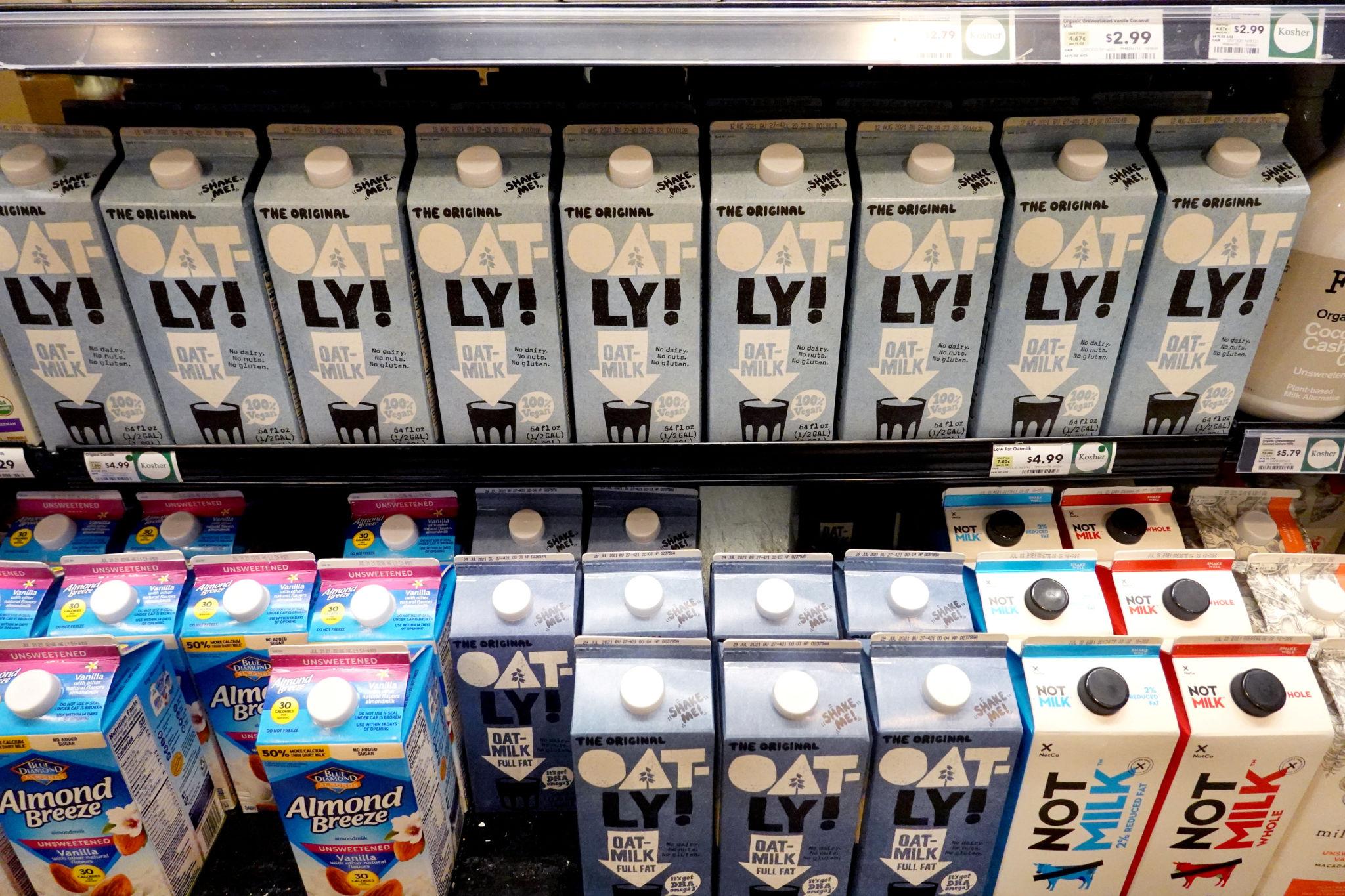
LONDON, February 11, 2026, According to Parliament News, that The Oatly UK ruling announced in London in 2026 marks a defining moment for the plant based beverage sector and the wider food retail industry. Regulators confirmed that the word milk remains legally reserved for products derived from animal lactation, reinforcing existing food standards legislation. The decision has ignited nationwide debate among consumers, farmers, policymakers, and sustainability advocates.
At the heart of the discussion lies a fundamental question about language, tradition, and innovation. While plant based alternatives have become mainstream in supermarkets and coffee shops, regulatory definitions have not shifted at the same pace. The result is a high profile case that extends beyond one brand and into the broader future of food labeling.
Regulatory Foundations Behind the Decision
The Oatly UK ruling is grounded in statutory definitions embedded within long standing agricultural and food marketing laws. These rules define milk as a product obtained from the milking of animals, a description historically linked to dairy farming traditions. Authorities clarified that their decision represents enforcement rather than the creation of new regulation.
Legal analysts emphasize that protected food terminology exists to ensure clarity and consistency in commercial trade. Similar protections apply to products such as butter, cheese, and yogurt. By maintaining defined categories, regulators argue they prevent ambiguity in labeling and safeguard consumer trust.
The case gained attention due to the rapid growth of plant based beverages over the past decade. Oat based drinks, in particular, have gained strong market share due to their creamy texture and perceived sustainability advantages.
Industry Reaction and Corporate Strategy
The Oatly UK ruling has prompted swift responses from both the dairy sector and plant based producers. Dairy representatives welcomed the reinforcement of terminology standards, stating that preserving traditional definitions supports fair competition and protects agricultural heritage.
Plant based advocates expressed disappointment, arguing that consumer understanding has evolved. They contend that shoppers recognize oat based beverages as alternatives and are unlikely to confuse them with dairy products.
From a corporate perspective, the decision requires packaging updates and marketing adjustments. Branding experts suggest that while terminology matters, long term customer loyalty often depends on product quality and environmental positioning.
Market Dynamics and Consumer Behavior
The beverage aisle has transformed significantly in recent years. Supermarkets now dedicate substantial shelf space to alternatives derived from oats, almonds, soy, and other plant sources. The Oatly UK ruling arrives at a time when plant based drinks are no longer niche products but integral components of mainstream retail.
Consumer surveys indicate that motivations for choosing oat based beverages include lactose intolerance, environmental awareness, and taste preferences. Analysts believe that these drivers will continue influencing demand regardless of specific terminology adjustments.
Retail chains have already begun updating digital listings and in store displays to align with compliance requirements. Most industry observers expect minimal disruption to overall sales trends.
Economic Impact Across the Sector
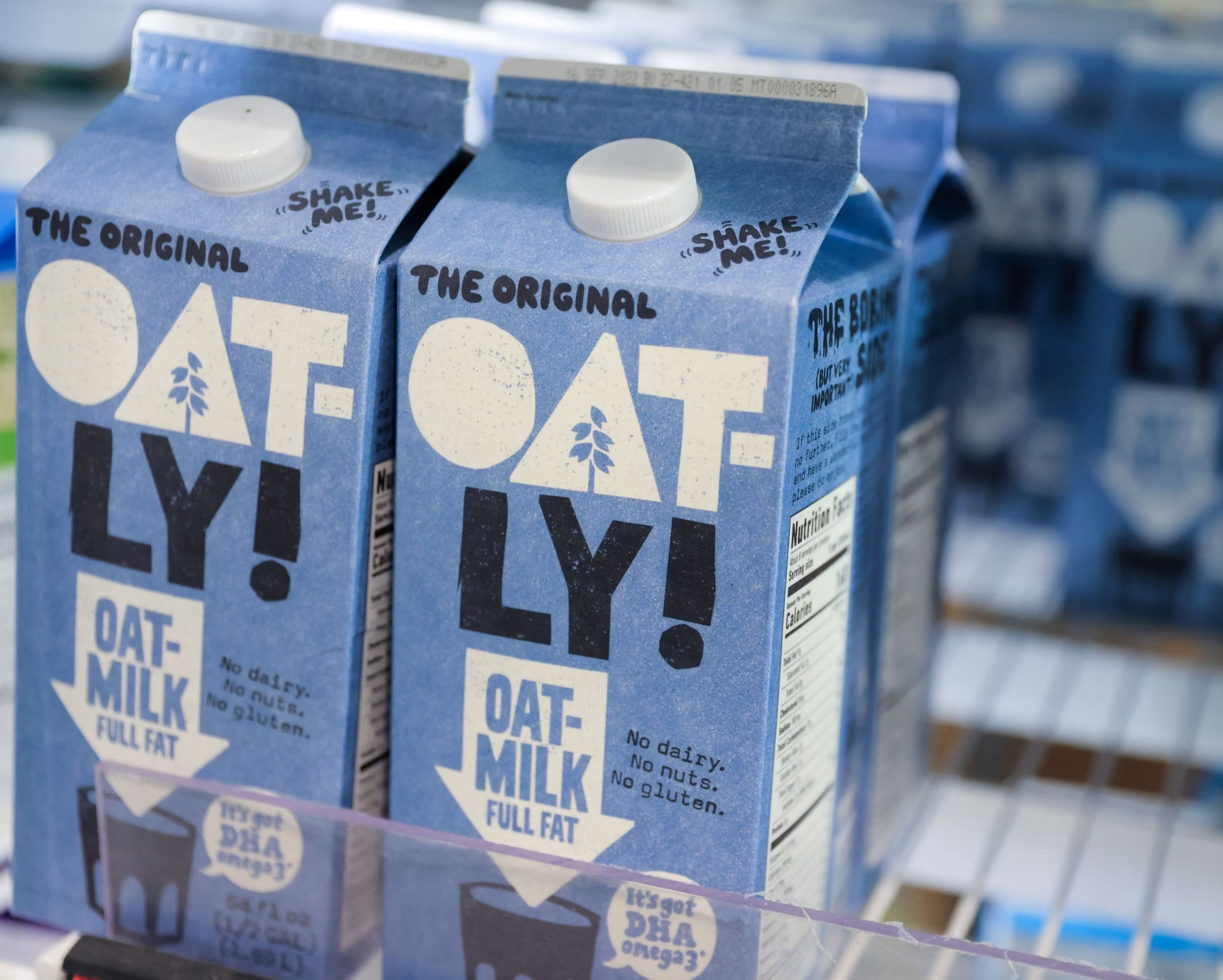
The Oatly UK ruling introduces operational costs linked to packaging redesign, inventory replacement, and revised promotional materials. However, financial analysts suggest these expenses are manageable within the broader scale of the market.
Plant based beverage growth has been fueled by innovation, café culture integration, and sustainability messaging. Oat based drinks have become staples in urban coffee shops and household refrigerators alike. This established consumer base provides resilience during regulatory transitions.
The dairy industry, meanwhile, views the decision as reinforcement of market fairness. Farmers argue that maintaining protected terminology prevents dilution of traditional product categories.
Environmental Considerations
Although the Oatly UK ruling focuses strictly on labeling language, environmental concerns remain central to the broader conversation. Plant based beverages are often promoted as lower emission alternatives compared with dairy production.
Sustainability researchers highlight reduced land usage and water consumption associated with oat cultivation. These factors continue to shape consumer perceptions and purchasing patterns.
The regulatory decision does not alter environmental metrics, but it underscores how language can influence public narratives around sustainability.
Legal Perspectives and Policy Debate
The Oatly UK ruling aligns with statutory frameworks that have defined dairy terminology for decades. Legal scholars note that changing these definitions would require legislative amendments rather than administrative reinterpretation.
Policy debates have emerged regarding whether language protections should evolve alongside consumer habits. Advocates for reform argue that clear qualifiers such as oat or plant based reduce the likelihood of confusion.
Opponents maintain that established terminology preserves clarity and respects agricultural history. The ongoing dialogue reflects deeper tensions between innovation and tradition within the food system.
Retail Response and Compliance Measures
Retailers have responded promptly to the Oatly UK ruling, conducting compliance reviews across supply chains. Updated labeling standards have been communicated to distributors and marketing teams to ensure uniform implementation.
Supermarket representatives report that consumer inquiries have remained limited. Most shoppers appear to focus on product taste, nutritional content, and price rather than the presence or absence of specific words.
Clear communication during the transition period has been prioritized to maintain customer confidence.
Public Sentiment and Cultural Shifts
The Oatly UK ruling has sparked discussion across social media platforms and industry forums. For some, the decision symbolizes resistance to modern dietary trends. For others, it represents necessary regulatory consistency.
One London resident remarked,
“We understand what oat drinks are, so changing a word does not change our habits.”
This perspective highlights the cultural normalization of plant based alternatives within urban communities.
Demographic data show younger consumers are more likely to embrace plant based options, suggesting long term growth remains likely despite regulatory adjustments.
International Comparisons
Similar disputes over dairy terminology have surfaced in various jurisdictions. The Oatly UK ruling mirrors broader global conversations about labeling standards and market fairness.
In some regions, courts have ruled firmly in favor of protecting dairy terminology. In others, regulatory bodies have permitted conditional use when clear qualifiers are present.
Multinational brands must navigate these varying frameworks carefully, often adapting packaging to meet local compliance requirements.
Historic Comparison
The Oatly UK ruling can be compared to earlier food labeling controversies that reshaped market definitions. In previous decades, disputes arose over terms such as margarine and butter, as well as plant based meat substitutes adopting traditional descriptors.
History demonstrates that language in food marketing has frequently evolved alongside innovation. Regulatory frameworks sometimes lag behind consumer habits, leading to periods of tension before equilibrium is restored.
Past cases show that while terminology debates generate headlines, consumer demand ultimately determines market trajectories.
Branding Adaptation and Communication Strategy
The Oatly UK ruling presents an opportunity for refreshed messaging. Marketing strategists suggest emphasizing product identity, sustainability, and taste rather than relying on direct dairy comparisons.
Transparent communication can strengthen brand trust. Companies that clearly explain packaging changes may reinforce loyalty among environmentally conscious customers.
Adaptability remains central to long term resilience in competitive markets.
Broader Agricultural Context
Agricultural economists note that the Oatly UK ruling also reflects broader economic concerns within traditional dairy farming communities. Maintaining protected terminology can be viewed as symbolic recognition of industry heritage.
At the same time, diversification within agriculture continues expanding. Some farmers are exploring plant based crop cultivation as part of evolving market demand.
The intersection of tradition and innovation defines much of today’s food economy.
Long Term Market Outlook
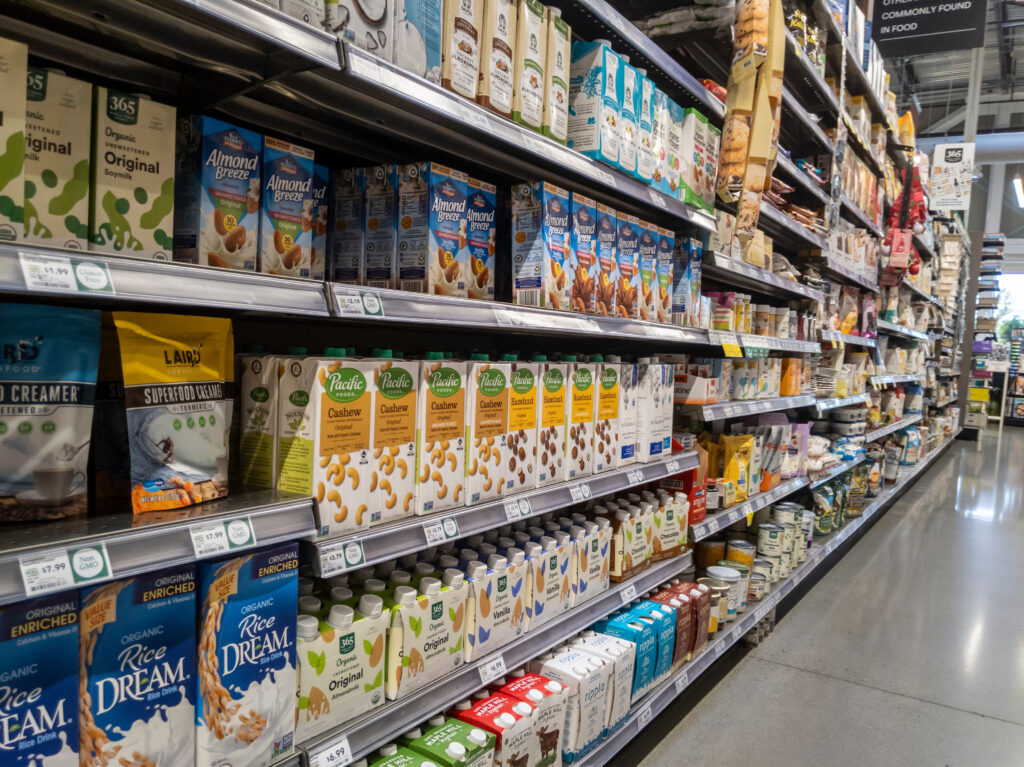
Despite regulatory headlines, analysts predict continued expansion of the plant based beverage sector. The Oatly UK ruling may influence marketing language, but underlying demand drivers remain intact.
Health awareness, climate considerations, and shifting dietary preferences continue shaping consumer decisions. Market resilience suggests that adaptation rather than contraction will characterize the next phase.
Investment in product innovation and sustainable supply chains remains strong across the industry.
The Future of Food Terminology Debate
As 2026 progresses, the Oatly UK ruling stands as a pivotal moment in the evolving relationship between food law and consumer culture. Language carries economic, cultural, and symbolic weight within society.
Whether policymakers revisit terminology protections in coming years remains uncertain. What is clear is that plant based beverages have secured a permanent place within modern diets.
The decision underscores the complexity of balancing clarity, fairness, and innovation in an increasingly diverse marketplace. As brands adapt and consumers continue shaping trends, the dialogue surrounding food terminology is likely to persist well beyond this headline moment.