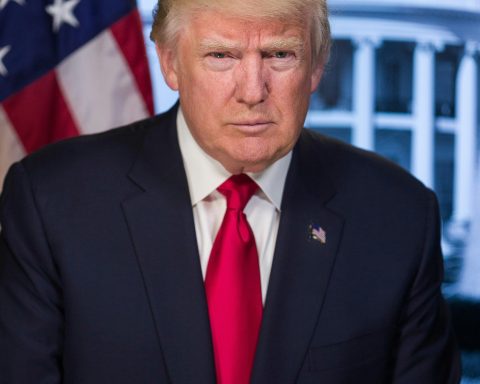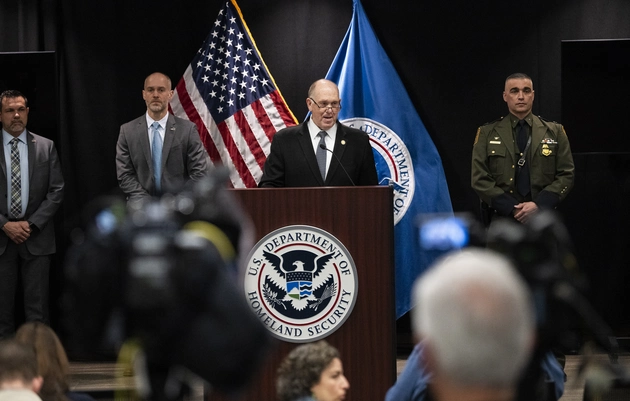
Minneapolis, Minnesota — February 13, 2026 — Parliament News — Minnesota deportation surge ends after months of intensified federal immigration enforcement across the Twin Cities region, marking a pivotal shift in interior immigration strategy under President Donald Trump’s second administration. Federal officials confirmed the drawdown during a press conference in downtown Minneapolis, signaling that the temporary deployment of additional immigration personnel has concluded.
The announcement represents one of the most significant immigration enforcement developments in the Midwest this year. While federal authorities maintain that standard operations will continue, Minnesota deportation surge ends as a concentrated operation that brought thousands of additional officers into the state over the past several months.
Federal Officials Confirm Strategic Drawdown
White House border adviser Tom Homan addressed reporters in Minneapolis, outlining the administration’s reasoning for concluding the operation.
“Our mission here was targeted and focused,”
Homan said.
“We addressed priority cases, and now we transition back to standard enforcement levels.”
The confirmation that Minnesota deportation surge ends follows weeks of speculation that federal staffing levels would soon return to pre-surge numbers. According to officials, approximately 3,000 supplemental personnel were temporarily assigned to Minnesota at the height of the operation.
Federal agencies emphasized that enforcement authority remains unchanged. However, Minnesota deportation surge ends as a visible, high-intensity deployment rather than an ongoing large-scale presence.
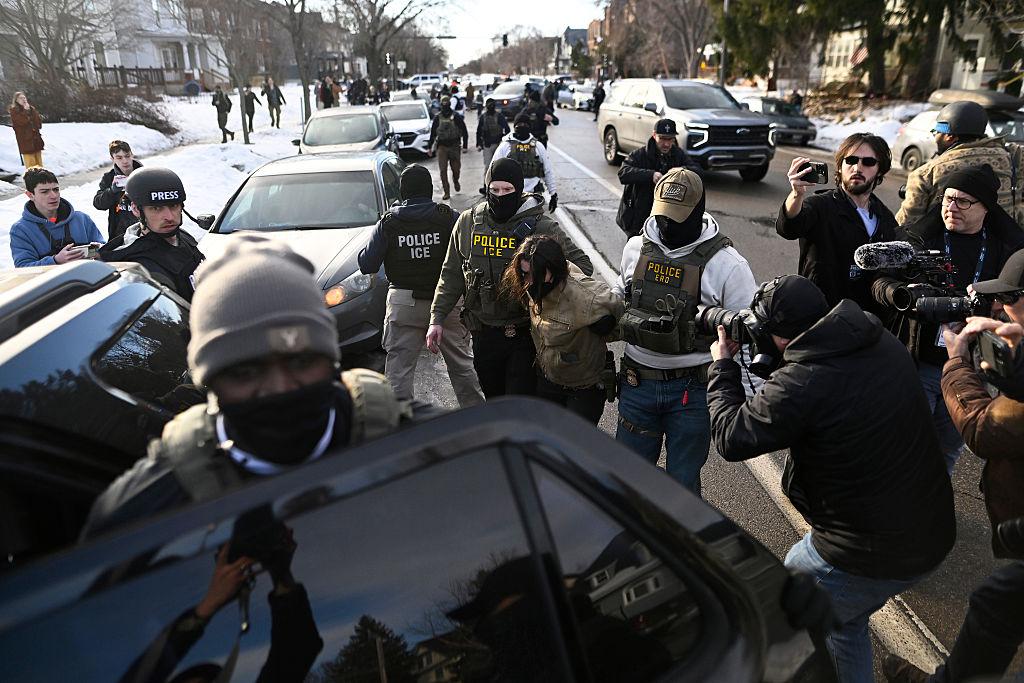
Scope of the Enforcement Operation
The surge primarily affected Minneapolis and St. Paul, though operations extended into surrounding counties. Federal officers conducted targeted apprehensions based on existing removal orders, criminal warrants, and immigration violations.
Authorities state that thousands of individuals were screened during the operation. A smaller percentage were detained or processed through immigration courts. Officials argue that Minnesota deportation surge ends after meeting its operational benchmarks.
The Department of Homeland Security has not released comprehensive statistics but described the effort as focused on individuals posing public safety risks.
Response from Minnesota Leadership
Minnesota Governor Tim Walz acknowledged the drawdown while calling for continued communication between federal and state authorities.
“We welcome the de-escalation and remain committed to maintaining stability for all Minnesota residents,” Walz said in a statement following the federal announcement.
State lawmakers remain divided. Some Republican representatives praised the federal initiative as necessary enforcement of immigration law. Democratic officials expressed concern over community disruption and called for transparency moving forward.
As Minnesota deportation surge ends, bipartisan discussions continue regarding the balance between enforcement and community trust.
Community Impact Across Minneapolis and St. Paul
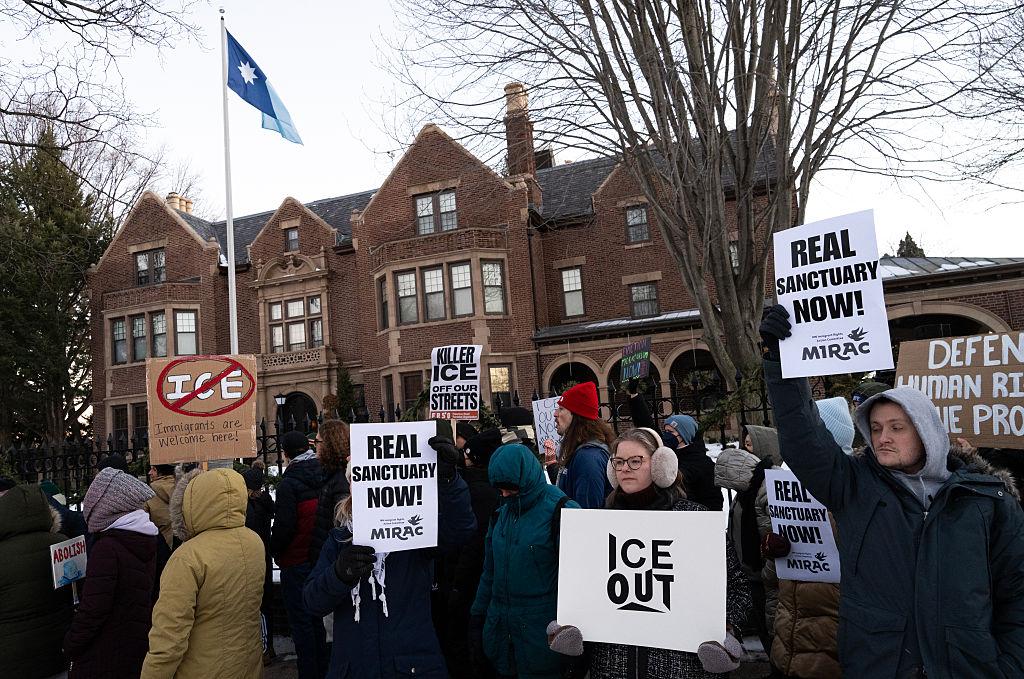
During the enforcement period, protests were held across both major cities. Faith leaders organized prayer gatherings and community forums. Advocacy groups provided legal consultations and emergency planning sessions for immigrant families.
Small businesses in immigrant-heavy neighborhoods reported slower activity during peak enforcement weeks. School administrators noted temporary attendance fluctuations.
Community organizer Maria Hernandez described the emotional toll during the surge.
“Families lived with uncertainty every day,”
Hernandez said.
“The reduction in visible enforcement brings relief, but rebuilding trust will take time.”
With Minnesota deportation surge ends, civic organizations are shifting focus toward healing and economic recovery.
Economic Considerations and Workforce Concerns
Local chambers of commerce reported concerns about labor shortages during the operation. Service industries, including hospitality and construction, experienced disruptions when workers faced legal uncertainty.
Economists say interior enforcement surges can create short-term economic instability in regions with significant immigrant labor participation. Minnesota deportation surge ends as policymakers evaluate how to stabilize affected sectors.
Business leaders are urging clear federal guidance to prevent future uncertainty.
Legal Challenges and Court Oversight
Several civil rights groups filed legal challenges during the surge period. Attorneys questioned detention procedures and access to counsel in specific cases.
Federal officials maintain that all operations complied with constitutional standards and federal guidelines.
Minnesota deportation surge ends while individual cases initiated during the operation continue moving through immigration courts. Legal experts expect rulings in coming months that may clarify enforcement boundaries.
National Immigration Debate in 2026
Immigration policy remains central to political discourse nationwide. Minnesota became a high-profile example of large-scale interior enforcement.
Political analysts suggest that Minnesota deportation surge ends at a time when national attention is increasingly focused on refining enforcement models rather than expanding them indiscriminately.
Supporters argue that the operation demonstrated federal resolve. Critics say it highlighted the social costs of aggressive enforcement tactics.
The White House has indicated that intelligence-driven targeting will guide future operations rather than broad personnel surges.
Historical Context of Interior Immigration Enforcement in Minnesota
Large-scale federal immigration deployments are not unprecedented in U.S. history, but Minnesota has rarely experienced operations of this magnitude.
In prior decades, interior enforcement actions typically focused on specific investigations or employer audits rather than state-wide personnel expansions. Minnesota deportation surge ends within that broader historical framework of evolving federal-state coordination.
Legal scholars note that immigration enforcement authority has expanded significantly since the early 2000s. The balance between federal supremacy and local autonomy has remained a recurring constitutional question.
The 2026 operation will likely be referenced in future academic and legal discussions regarding interior enforcement precedent.
Public Opinion and Civic Dialogue
Recent polling indicates divided public opinion. Some residents support strict enforcement policies, citing border control and rule-of-law principles. Others argue that visible surges strain community relationships and deter cooperation with local police.
Minnesota deportation surge ends amid calls for comprehensive immigration reform at the federal level. Advocacy groups are organizing town halls to facilitate dialogue between residents and policymakers.
Faith coalitions and nonprofit organizations are emphasizing unity as communities transition beyond the enforcement phase.
Media Coverage and National Attention
The operation drew widespread coverage from national and international outlets. Minnesota’s experience became symbolic in broader immigration debates.
As Minnesota deportation surge ends, analysts say the episode underscores how interior enforcement can rapidly become a flashpoint in national politics.
Brussels Morning Newspaper has followed developments closely as part of its ongoing coverage of U.S. immigration policy shifts in 2026.

What Happens Next for Federal Enforcement
Federal officials confirmed that while Minnesota deportation surge ends, standard enforcement efforts will remain active. Officers assigned permanently to Minnesota will continue processing cases through established channels.
The administration has emphasized prioritizing individuals with criminal convictions or prior removal orders.
Policy advisers suggest that Minnesota deportation surge ends as a discrete initiative rather than a retreat from enforcement commitments.
Long-Term Implications for Minnesota
Local leaders are focusing on restoring economic momentum and strengthening public trust. Business associations are encouraging consumer engagement in neighborhoods impacted by enforcement visibility.
Educational institutions and research centers are conducting impact assessments. Findings may influence future policymaking decisions.
Minnesota deportation surge ends, but its legacy may shape both state and federal discussions on immigration for years to come.
A Defining Moment in 2026 Immigration Policy
Minnesota deportation surge ends in February 2026 after months of concentrated federal action. The conclusion represents both a strategic shift and a political milestone.
For residents, it signals a transition back toward routine governance. For policymakers, it serves as a case study in balancing enforcement authority with community stability.
Immigration remains one of the most debated issues in the United States. Minnesota’s experience offers insight into how enforcement strategies resonate locally and nationally.
As 2026 continues, leaders across party lines will monitor outcomes closely. Whether viewed as necessary enforcement or excessive escalation, Minnesota deportation surge ends as one of the year’s most consequential immigration developments.