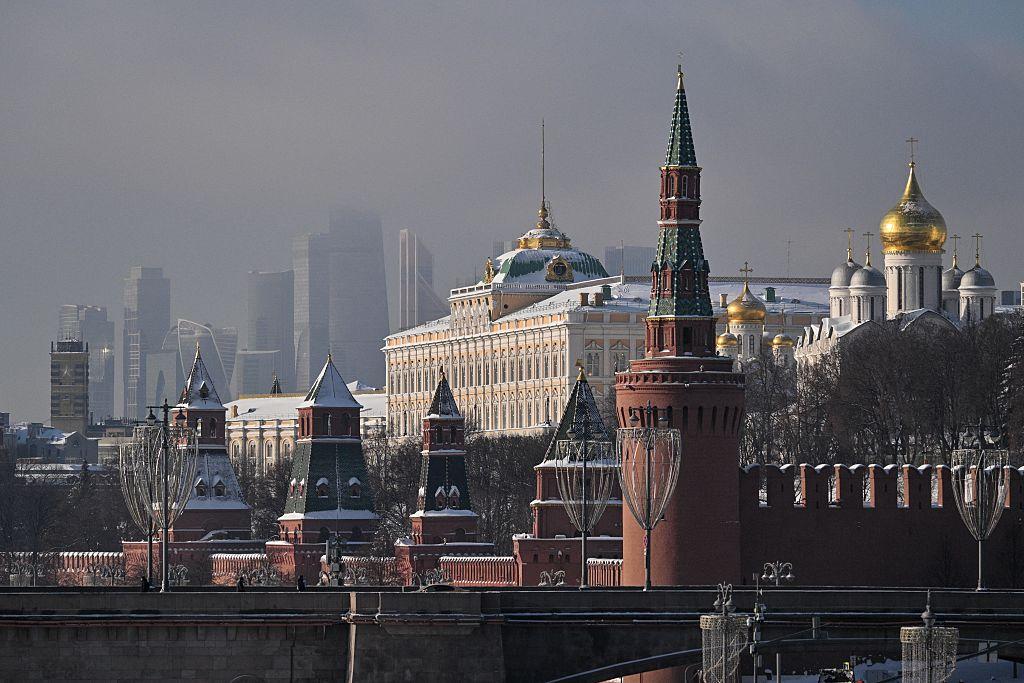
MOSCOW, Russia, February 14, 2026 — According to Parliament News, that Political repression categ has become a central theme in domestic and international discourse in 2026 Moscow, as opposition figures face legal proceedings, independent media outlets encounter restrictions, and global observers renew scrutiny of the country’s internal policies. The debate over political repression Russia now shapes diplomatic discussions, public demonstrations, and legislative decisions across the capital.
Government officials maintain that national security and legal order guide enforcement actions. Critics argue that the pattern of detentions, media regulations, and court rulings reflects broader structural constraints on dissent.
Opposition Trials and Legal Proceedings
Courtrooms in Moscow have recently hosted high-profile cases involving opposition politicians and activists. Authorities describe these proceedings as lawful responses to alleged violations of public order statutes.
Observers monitoring political repression Russia contend that repeated charges against prominent critics create a chilling effect on civic engagement. Legal analysts note that administrative detentions and financial penalties have become common features of politically sensitive cases.
Officials reject claims of systematic suppression, asserting that all defendants receive due process under Russian law.
Media Regulations and Information Control
Independent journalists and digital media outlets report increased oversight requirements. Regulatory agencies argue that such measures ensure compliance with national legislation regarding misinformation and public safety.
Advocacy groups tracking political repression Russia suggest that licensing challenges and labeling requirements limit editorial independence. Several outlets have relocated staff abroad while continuing to publish online content.
State representatives maintain that media policy aims to protect national stability rather than restrict legitimate reporting.
Civil Society and Public Demonstrations
Public gatherings remain tightly regulated under Russian law. Organizers must secure permits, and unauthorized assemblies may result in detentions.
Analysts studying political repression Russia observe that repeated restrictions on protests influence the broader civic environment. Supporters of stricter regulation argue that security considerations justify firm oversight.
Urban centers beyond Moscow have also witnessed similar patterns, reflecting nationwide enforcement consistency.
International Response and Sanctions
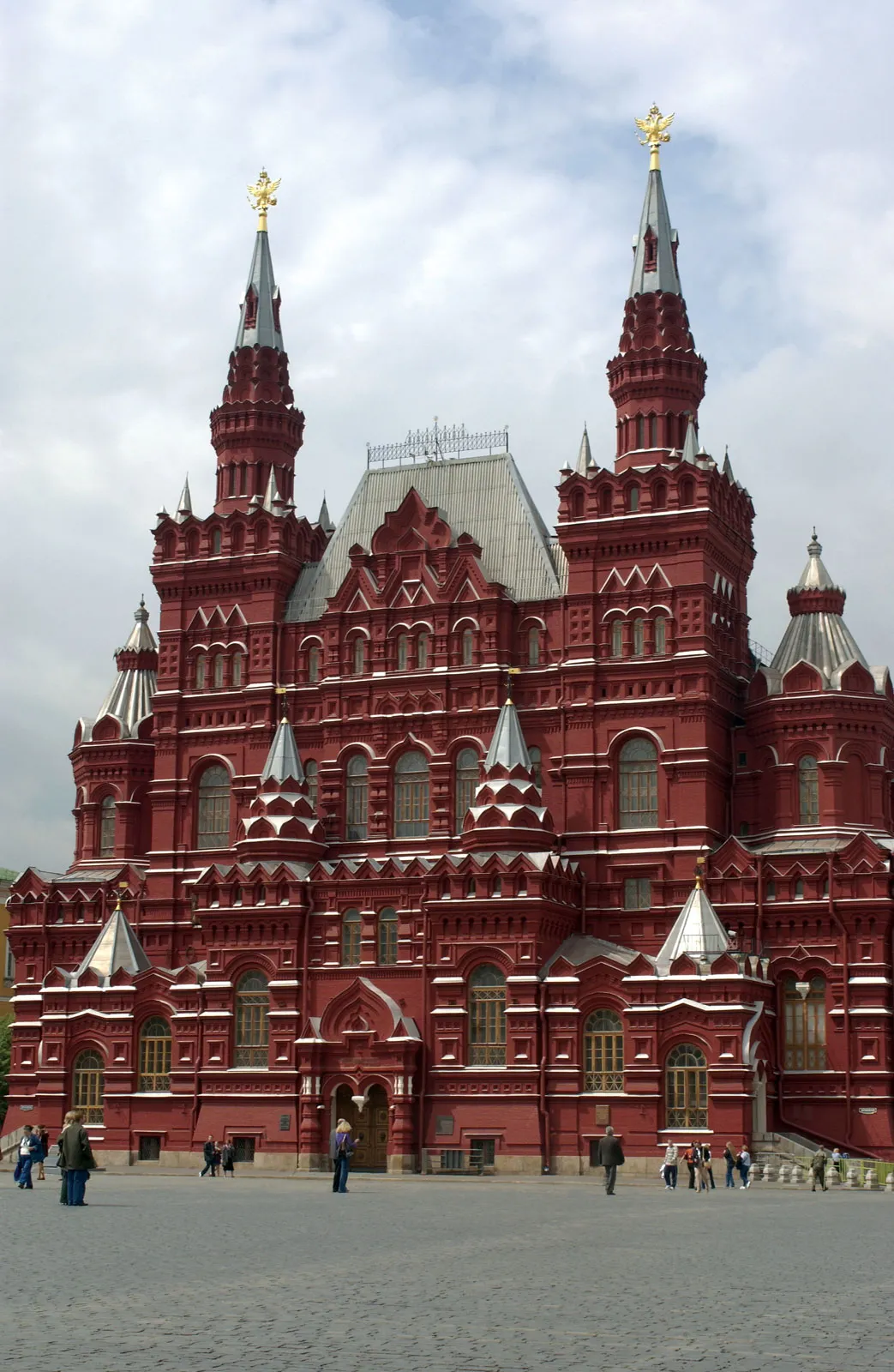
Western governments frequently reference political repression Russia when announcing sanctions or diplomatic measures. Officials in Europe and North America cite concerns over opposition rights and media freedom.
Moscow has consistently rejected foreign criticism, describing sanctions as politically motivated. Diplomatic tensions have escalated as mutual expulsions and trade restrictions follow each round of measures.
Global institutions continue to call for transparency and dialogue to reduce geopolitical strain.
Economic Impact of Political Uncertainty
Economic analysts suggest that perceptions of political repression Russia influence investor confidence. International corporations monitor regulatory stability when assessing long-term commitments.
While domestic markets have shown resilience, foreign direct investment trends remain sensitive to diplomatic developments. Government officials emphasize economic diversification and internal growth strategies to offset external pressure.
Public Opinion Inside Russia
Surveys conducted by domestic research centers reveal divided public opinion. Some citizens prioritize stability and national sovereignty over political liberalization.
Others express concern that political repression Russia may limit civic participation and innovation. Younger demographics in metropolitan areas often demonstrate higher interest in governance reform.
Public sentiment continues to evolve as economic conditions and global relations shift.
Legal Framework and Constitutional Debate
Russian constitutional provisions guarantee certain civil rights while also emphasizing state sovereignty and security. Legal scholars debate how enforcement practices align with constitutional language.
Experts discussing political repression Russia highlight tensions between broad security statutes and individual freedoms. Authorities counter that extraordinary circumstances justify decisive state action.
The interpretation of legal standards remains central to ongoing debates.
Digital Platforms and Information Flow
Online platforms have become primary arenas for political expression. Regulatory bodies have introduced compliance requirements affecting content distribution.
Researchers analyzing political repression Russia argue that digital oversight measures impact political organizing and independent commentary.
Officials defend these policies as necessary safeguards against foreign interference and destabilizing misinformation.
A Statement Reflecting Official Position
A senior government spokesperson recently stated,
“Our policies are designed to preserve national security and public stability, not to silence legitimate voices.”
This remark encapsulates the official perspective within the broader political repression Russia discourse, emphasizing security priorities over allegations of systemic suppression.
Regional Variations Across the Federation
Although Moscow often draws the most attention, enforcement patterns vary across regions. Some local administrations apply regulations more strictly than others.
Observers of political repression Russia note that regional political culture influences implementation. Urban centers typically experience higher levels of civic activism compared to rural areas.
Regional diversity complicates attempts to characterize the national picture uniformly.
Media Narratives and Global Perception
International media outlets frequently frame developments through a human rights lens. Russian state media emphasizes sovereignty and law enforcement narratives.
Political repression Russia thus occupies different positions within global information ecosystems. Competing narratives influence public perception abroad and domestically.
Information polarization remains a defining feature of the contemporary media environment.
Long Term Political Trajectory
Analysts question how current policies will shape Russia’s political trajectory over the coming decade. Institutional resilience, generational leadership changes, and economic performance will likely influence outcomes.
Political repression Russia remains a central factor in these projections, shaping diplomatic alignments and civic engagement patterns.
Government leaders maintain that stability and national interest will guide long-term strategy.
Security Concerns and Strategic Calculations
Russia’s geopolitical position continues to influence domestic decision-making. Officials argue that external pressures necessitate firm internal governance structures.
Critics maintain that political repression Russia risks isolating the country from global cooperation frameworks.
Balancing security considerations with civic openness remains a complex challenge for policymakers.
Academic and Policy Community Perspectives
Universities and policy institutes both inside and outside Russia continue to examine the broader implications of governance trends.
Scholars researching political repression Russia often compare current patterns with historical precedents from previous decades.
Such analysis contributes to evolving global understanding of Russia’s internal political environment.
A Crossroads for 2026 Moscow
The debate unfolding in 2026 Moscow illustrates the intersection of law, security, diplomacy, and civic participation.
Political repression Russia has become a defining phrase in global discussions about the country’s domestic direction. Whether future reforms emerge or enforcement patterns persist will shape both internal stability and international engagement.
As Moscow navigates these pressures, the balance between sovereignty, governance, and public voice remains central to the nation’s evolving political narrative.