The expansion marks one of the most notable strategic developments for Uber in 2026, positioning the company to compete more directly with regional and global delivery rivals. Uber Europe markets have long been central to the firm’s international growth roadmap, and this latest push reflects renewed confidence in European demand.
Strategic Expansion Across Seven Countries
The move into seven new territories demonstrates Uber’s focus on scaling beyond established capitals. While Uber Europe markets already include major cities such as Paris, Berlin, Madrid, and Rome, the newest additions are expected to include emerging metropolitan areas with growing demand for digital food services.
Industry analysts suggest the expansion strategy balances competitive intensity with untapped opportunity. Instead of concentrating solely on saturated urban hubs, Uber is targeting mid sized cities where adoption of food delivery apps is rising quickly.
The development reinforces the importance of Uber Europe markets within the company’s broader international strategy. Europe represents a diverse regulatory and economic landscape, requiring localized operations while maintaining global brand consistency.
Competitive Landscape in European Delivery
The European food delivery sector remains highly competitive. Established players operate across multiple countries, offering similar logistics networks and promotional pricing strategies. Uber Europe markets must therefore navigate a landscape shaped by strong consumer loyalty and regulatory complexity.
Market competition has intensified as consumers compare delivery times, service fees, and subscription benefits. Uber’s ability to leverage data analytics and routing technology could prove decisive in winning customers in newly entered countries.
The expansion also increases pressure on smaller regional delivery firms. Analysts note that the scale advantages within Uber Europe markets may allow for rapid onboarding of restaurant partners and efficient driver allocation.
Economic Implications for Local Restaurants
Restaurants remain central to the success of Uber Europe markets. For independent establishments, joining the platform provides access to a broader customer base without heavy investment in delivery infrastructure.
Many European restaurants continue adapting to hybrid service models combining dine in and digital ordering. Uber Europe markets provide tools for menu management, demand forecasting, and promotional campaigns that can help restaurants optimize revenue streams.
Local hospitality associations have expressed cautious optimism. While delivery platforms generate additional orders, commission structures and operational adjustments remain key considerations for restaurant owners.

Labor and Regulatory Considerations
Labor policy continues to shape the operational framework of Uber Europe markets. European governments have scrutinized gig economy practices, introducing new standards for worker classification and social protections.
Uber has responded in several jurisdictions by adjusting employment models and negotiating agreements with authorities. As the company enters additional countries, compliance will remain a central factor influencing expansion speed and profitability.
Regulatory clarity is often cited as critical to the long term sustainability of Uber Europe markets. Observers expect ongoing dialogue between policymakers and platform operators throughout 2026.
Consumer Trends Driving Growth
Consumer behavior remains one of the strongest tailwinds for Uber Europe markets. The shift toward mobile ordering accelerated during recent years and continues to reshape dining habits.
Urban professionals, students, and families increasingly rely on delivery apps for convenience. Subscription programs offering discounted delivery fees and exclusive promotions have contributed to higher order frequency.
Technology also plays a vital role. Real time tracking, contactless payment systems, and personalized recommendations enhance user engagement within Uber Europe markets.
Technology and Logistics Innovation
Uber’s technological backbone underpins the operational efficiency of Uber Europe markets. Advanced algorithms match drivers with orders, optimizing routes to reduce delivery times and costs.
Predictive analytics help forecast demand spikes during peak hours, sporting events, or seasonal holidays. This capability allows Uber Europe markets to allocate resources effectively and minimize service disruptions.
The company continues investing in artificial intelligence driven forecasting and customer experience improvements, aiming to maintain a competitive advantage across diverse European regions.
Investor and Market Reactions
Financial markets responded positively to the announcement, interpreting the expansion as a signal of sustained international growth momentum. Investors view Uber Europe markets as critical to diversifying revenue beyond North America.
One industry analyst commented,
“Europe remains one of the most strategically important regions for digital delivery platforms, and this expansion signals long term commitment rather than short term experimentation.”
The expansion into seven additional countries could contribute incremental revenue growth over the coming quarters, depending on adoption rates and operational efficiencies.
Broader Impact on European Cities
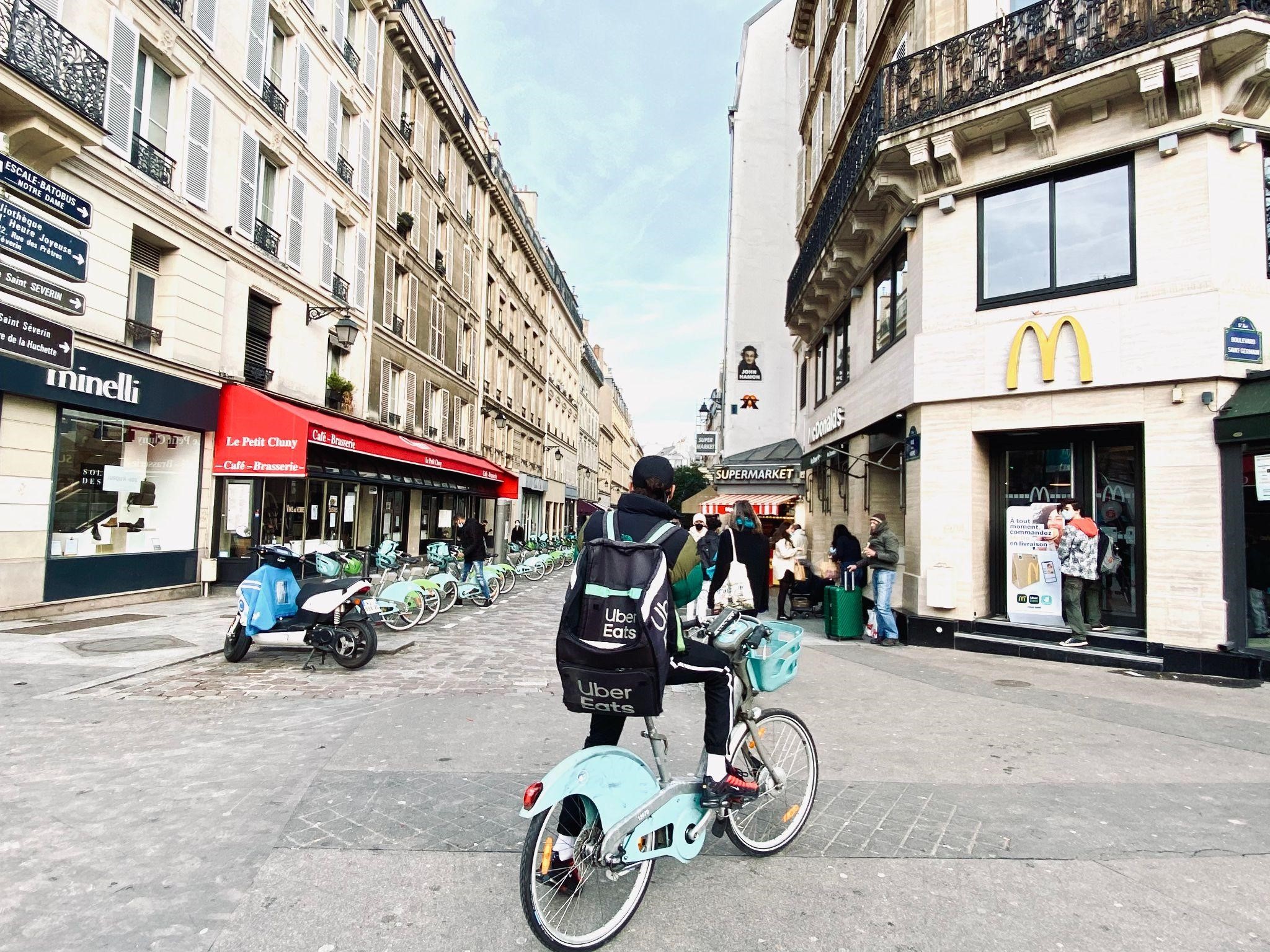
Beyond corporate metrics, Uber Europe markets influence urban mobility patterns and local economies. Delivery riders contribute to city traffic flows, while restaurant partnerships reshape commercial activity in residential neighborhoods.
City authorities often weigh economic benefits against congestion concerns. Sustainable logistics practices, including bicycle and electric vehicle deliveries, are becoming more prominent within Uber Europe markets.
The environmental dimension of last mile logistics is likely to gain attention as expansion continues.
Financial Sustainability and Profitability Questions
While geographic expansion captures headlines, profitability remains a key metric. Food delivery platforms historically operate on thin margins due to marketing expenses and competitive pricing.
Uber Europe markets will need to balance promotional incentives with sustainable fee structures. Analysts emphasize the importance of efficient driver utilization and consistent order volumes.
Operational discipline will determine whether the new territories contribute positively to overall earnings in 2026 and beyond.
Outlook for 2026 and Beyond
As 2026 unfolds, Uber Europe markets are positioned at the center of the company’s global ambitions. The successful rollout in seven additional countries may pave the way for further expansion or service diversification.
Observers expect integration of grocery delivery, retail partnerships, and subscription enhancements as part of the evolving strategy. Market conditions, regulatory developments, and consumer sentiment will ultimately shape the pace of growth.
The trajectory of Uber Europe markets illustrates the ongoing transformation of Europe’s digital economy.

A Defining Chapter in Europe’s Digital Commerce Evolution
The expansion into seven new countries represents more than geographic growth. It marks a defining chapter in the evolution of digital commerce across the continent. As Uber Europe markets continue to mature, their influence on employment, consumer behavior, and urban infrastructure will deepen.
With technology at its core and competition intensifying, the coming year will test whether this expansion delivers sustainable momentum. The European food delivery landscape stands at a pivotal moment, and Uber’s latest move ensures it remains central to the story.