

TEHRAN, February 15, 2026 — According to Parliament News, that Iran US aircraft deals have entered a new phase of diplomatic discussion as officials in Tehran confirmed that aviation modernization is being reviewed alongside broader economic talks with Washington. The development places civil aviation at the center of renewed engagement efforts between the two countries.
The renewed focus on Iran US aircraft deals comes amid discussions that also include energy and mining cooperation. However, aviation has emerged as one of the most commercially and politically significant components of the negotiations.
Diplomatic sources describe the talks as exploratory but structured, aimed at identifying areas where regulatory compliance and economic opportunity could align.
Aviation Modernization at the Core of Negotiations
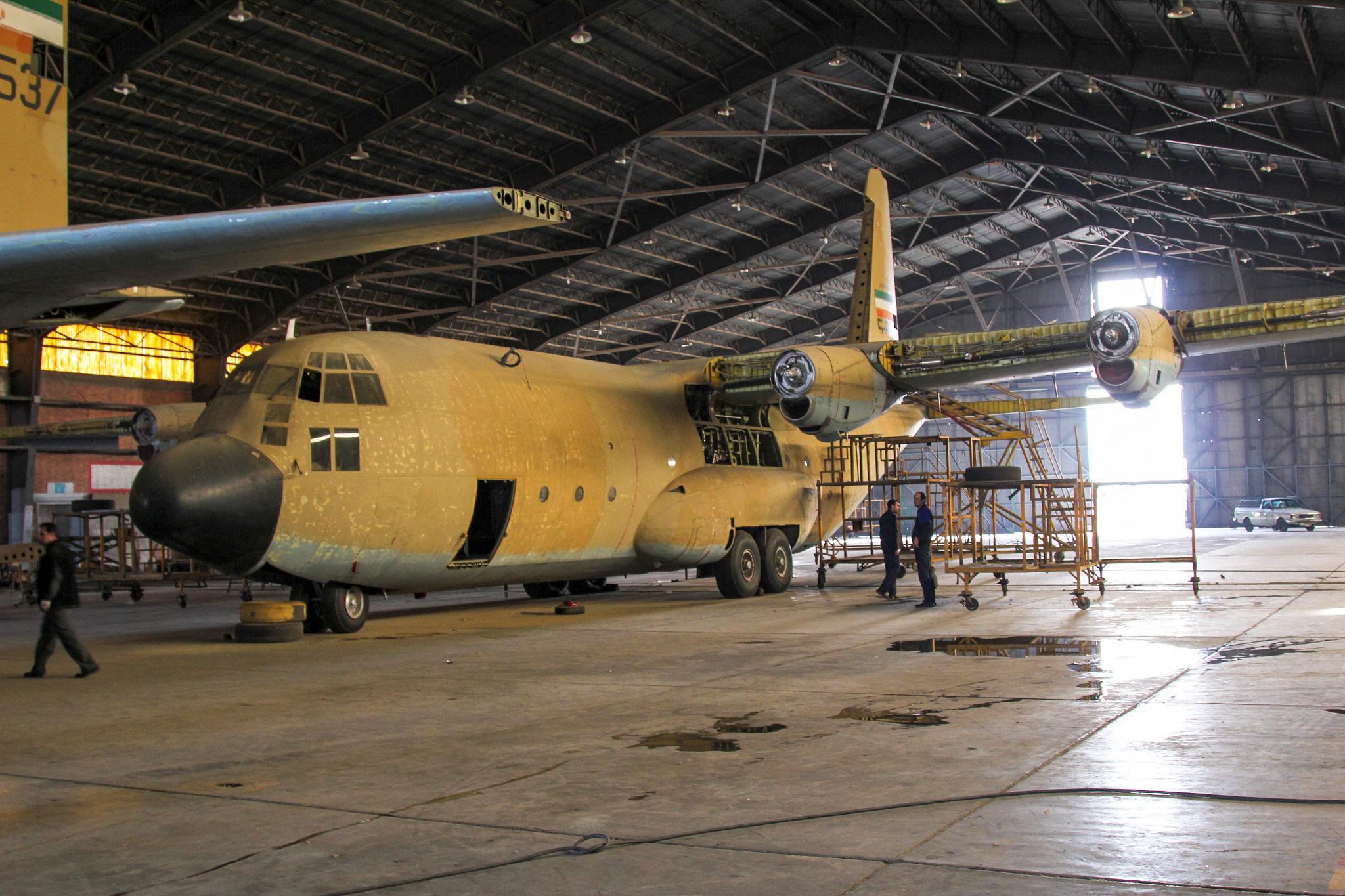
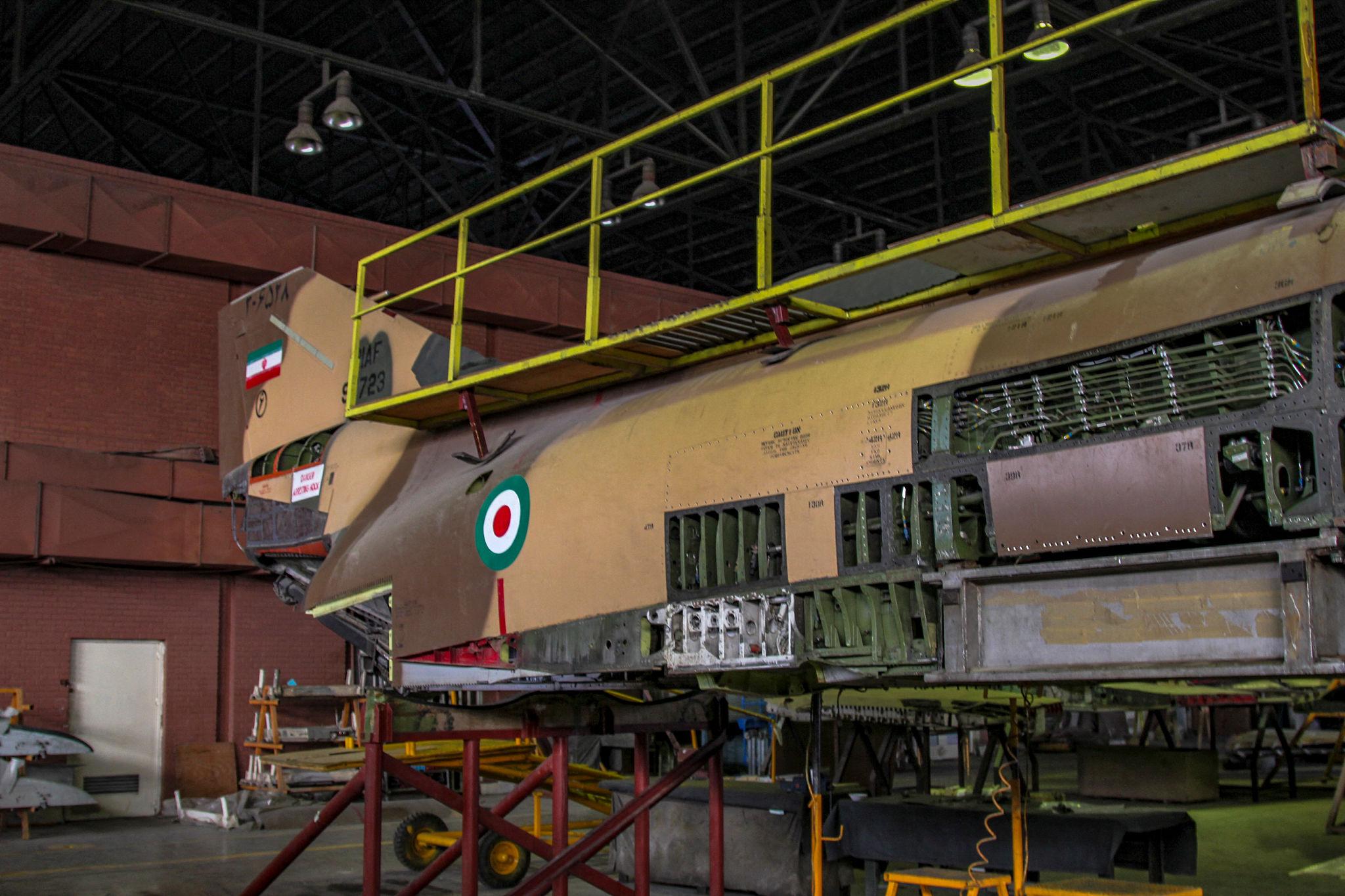
Iran’s commercial aviation sector has long faced operational strain due to aging fleets and limited access to Western manufactured aircraft. Iran US aircraft deals are therefore viewed as a potential breakthrough in restoring fleet reliability and improving passenger safety.
Industry analysts note that Iran’s national carriers and private operators would benefit from updated aircraft technology, improved fuel efficiency and expanded maintenance agreements. The discussions surrounding Iran US aircraft deals reportedly include fleet renewal strategies, spare parts supply chains and training programs for aviation personnel.
The aviation market in Iran represents a sizable opportunity due to its population size and geographic position connecting Europe, Asia and the Middle East.
Regulatory and Sanctions Considerations
Any progress on Iran US aircraft deals will depend heavily on regulatory approvals and compliance frameworks. Aviation transactions historically require export licensing, financial oversight and international verification mechanisms.
Negotiators are reportedly examining structured pathways that could allow civil aviation cooperation without undermining broader diplomatic commitments. Iran US aircraft deals would likely involve phased implementation tied to measurable benchmarks.
Legal experts caution that aviation agreements must comply with international aviation safety standards and export control regulations.
Economic Impact and Market Signals
Financial markets have responded cautiously to reports surrounding Iran US aircraft deals. Investors in aerospace manufacturing and leasing sectors are monitoring potential contract frameworks.
If agreements move forward, Iran US aircraft deals could create ripple effects across maintenance providers, insurance firms and regional airport authorities. Modernized fleets would increase passenger capacity and improve connectivity.
Beyond aviation, economic analysts believe that Iran US aircraft deals signal a willingness to reopen commercial channels under carefully managed diplomatic oversight.
Strategic Implications for Regional Aviation
The Middle East aviation market remains one of the most competitive in the world. Iran US aircraft deals could reposition Iran within regional air traffic networks.
Neighboring hubs such as Doha, Dubai and Istanbul have dominated transit routes for years. A revitalized Iranian fleet could gradually restore direct routes and increase competition in regional travel corridors.
The broader geopolitical implications of Iran US aircraft deals extend beyond commerce, potentially fostering confidence building measures in a historically tense relationship.
Infrastructure and Airport Development
Discussions tied to Iran US aircraft deals may also influence airport modernization plans. Fleet upgrades often require complementary investments in runway capacity, maintenance hangars and air traffic management systems.
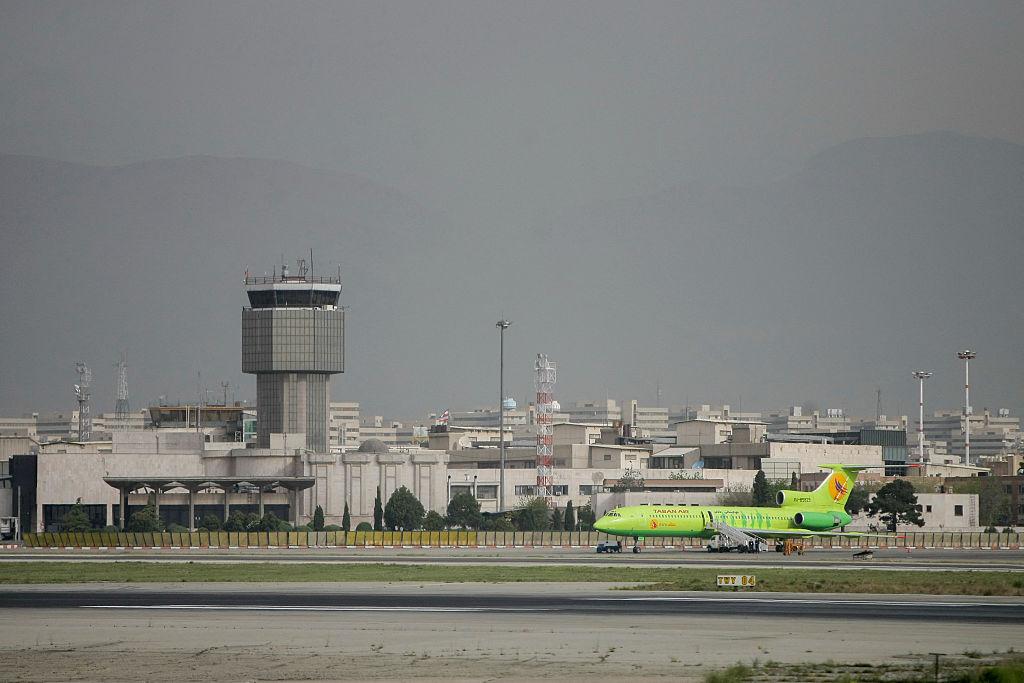
Tehran’s major international airport and regional hubs would need phased infrastructure improvements if aircraft acquisitions proceed. Iran US aircraft deals could therefore catalyze domestic investment in aviation infrastructure.
Economic planners argue that such upgrades would stimulate employment across engineering, logistics and tourism sectors.
One Voice from the Negotiations
A senior Iranian official involved in the talks stated,
“Civil aviation represents an area where mutual benefit is possible, and progress here can open doors to broader economic understanding.”
The statement underscores the diplomatic symbolism attached to Iran US aircraft deals and highlights aviation as a potential confidence building platform.
Energy and Mining Discussions Running Parallel
Although aviation headlines dominate coverage, parallel conversations continue regarding energy and mining cooperation. However, Iran US aircraft deals remain the most commercially visible element of the negotiations.
Energy analysts suggest that civil aviation agreements often act as early test cases before deeper sectoral cooperation unfolds.
Observers emphasize that while Iran US aircraft deals draw attention, the broader economic framework remains complex and conditional.
International Reactions and Industry Outlook
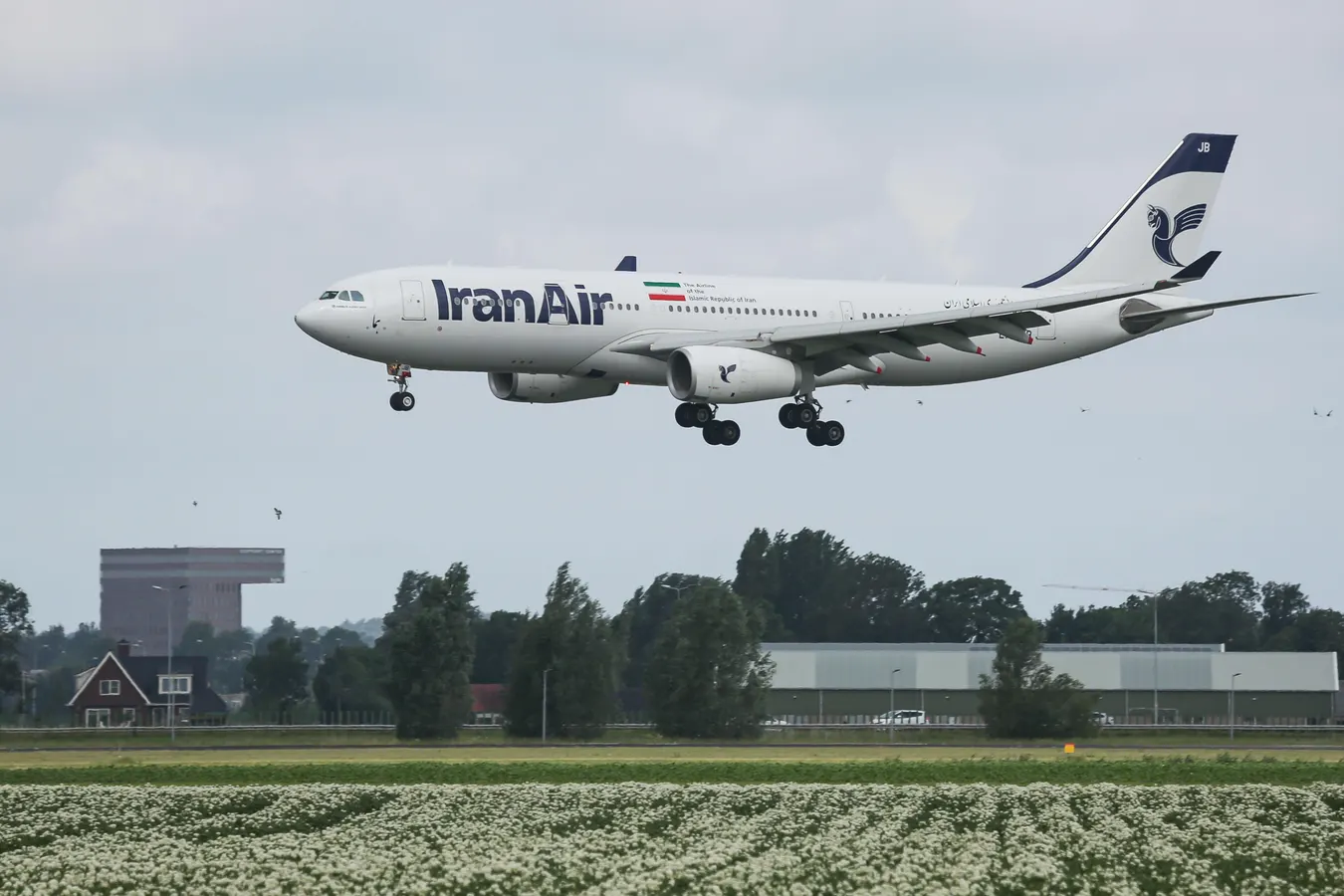
Major aerospace manufacturers have not formally confirmed contract negotiations, yet aviation executives acknowledge that Iran’s return to the global commercial aircraft market would mark a notable shift for the industry. Market re entry by Tehran would open opportunities for fleet renewal, parts supply and long term service agreements.
Any potential framework would likely include phased aircraft deliveries, structured maintenance arrangements and regulatory oversight to ensure compliance with export controls. Industry analysts point out that modern fleet integration typically spans several years, requiring training, infrastructure upgrades and financing coordination.
Passenger demand inside Iran continues to expand, driven by business travel, regional connectivity needs and diaspora movement. That steady growth reinforces the commercial rationale behind renewed aviation engagement discussions.
Political Sensitivities on Both Sides
Domestic political considerations in both capitals could influence how negotiations progress. Legislators are expected to examine compliance safeguards, financial transparency measures and national security implications before endorsing any large scale aviation arrangement.
Observers note that civil aviation cooperation often carries symbolic importance beyond its commercial value. Aircraft transactions can signal broader diplomatic thawing, which makes them particularly sensitive in politically divided environments.
Even with these pressures, technical level conversations and diplomatic coordination remain ongoing as both sides assess feasibility and risk.
What Comes Next
The next phase will depend on sustained dialogue, regulatory clarity and political authorization. Negotiators are anticipated to continue refining compliance benchmarks, export licensing procedures and implementation timelines.
Industry representatives emphasize that any finalized structure would require extensive due diligence, risk assessment and phased rollout planning. Financing mechanisms, insurance coverage and certification reviews would also play central roles.
Market participants are expected to watch closely for formal announcements as exploratory discussions potentially transition into structured agreements.
Beyond Aircraft: A Broader Economic Horizon
Although aviation has captured public attention, policymakers view these talks within a wider economic recalibration. Structured commercial engagement in one sector could create conditions for limited cooperation in other areas under clear regulatory frameworks.
Economic strategists suggest that successful implementation of aviation agreements could encourage dialogue in additional industries, provided compliance and transparency standards are upheld.
The broader objective remains stability, safety oversight and measurable accountability.
A Turning Point in Civil Aviation Diplomacy
The current discussions may represent a meaningful chapter in civil aviation diplomacy between two nations whose relations have been strained for decades. Air connectivity, by nature, supports economic exchange and people to people interaction.
Whether negotiations ultimately result in signed contracts remains uncertain. However, the level of detail and technical coordination underway reflects a more deliberate and structured approach than previous attempts.
If realized, a modernized aviation partnership could gradually influence regional air travel patterns and contribute to cautious diplomatic normalization over time.