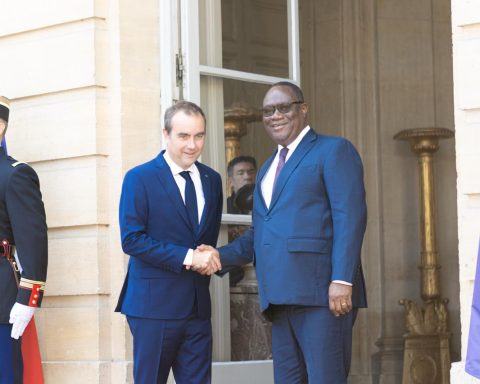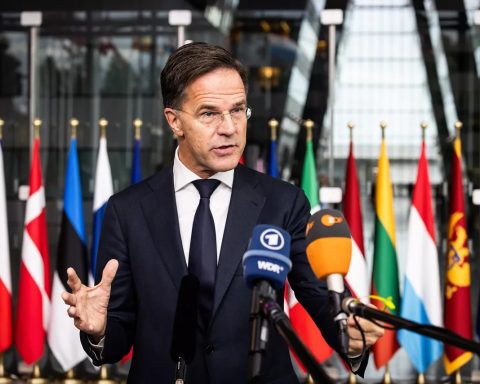
Brussles, February 15, 2026 — Parliament News — European leaders met in Brussels this week to accelerate policy coordination surrounding EU military autonomy, signaling a defining moment in the continent’s evolving security architecture. The high level discussions, held against the backdrop of shifting global alliances and renewed geopolitical friction, underscored a shared objective among member states to strengthen Europe’s ability to act independently when strategic conditions demand it.
Officials emphasized that EU military autonomy does not represent a retreat from established alliances but rather a structural modernization of European defense policy. The initiative reflects long standing debates that have gained urgency amid uncertainty surrounding global power dynamics, Arctic security, and technological vulnerabilities.
Strategic Drivers Behind Europe’s Defense Realignment
The push for stronger internal coordination is rooted in a broader reassessment of Europe’s position within the global security framework. For decades, European defense systems operated within a transatlantic model that relied heavily on American capabilities. While NATO remains central to continental security, policymakers increasingly recognize the necessity of reinforcing Europe’s own capacity.
EU military autonomy has therefore emerged as a strategic safeguard. Leaders argue that a resilient Europe must be prepared for scenarios in which external support may be delayed, politically constrained, or strategically divergent. The objective is to reduce vulnerability while maintaining partnership credibility.
Diplomatic observers in Brussels note that the recalibration has evolved steadily over time but has accelerated due to geopolitical unpredictability and rapid technological transformation.
Coordinated Defense Spending and Industrial Integration
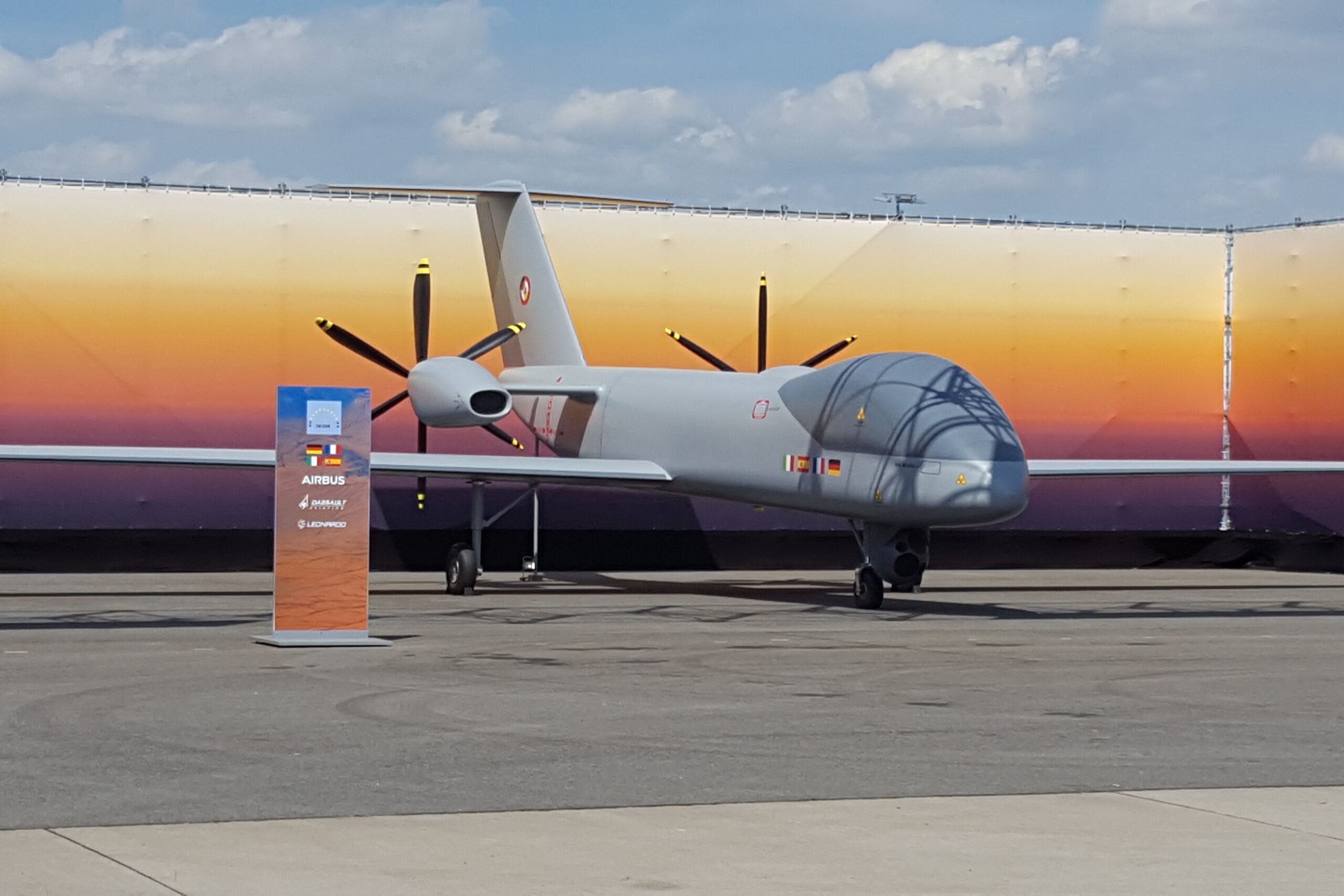
Central to the modernization effort is expanded and synchronized defense investment. Several member states announced renewed commitments to increase military budgets while prioritizing joint procurement mechanisms. By pooling resources, governments aim to eliminate duplication and improve operational efficiency.
Key areas of coordination include:
- Joint research and development platforms
- Shared logistics and maintenance infrastructure
- Harmonized procurement standards
- Expansion of rapid deployment forces
The economic implications are significant. European defense manufacturers anticipate increased production orders, fostering innovation and strengthening domestic supply chains. By aligning industrial output with strategic goals, EU military autonomy seeks to build a sustainable foundation for long term security resilience.
Arctic Security and Maritime Preparedness
The Arctic region has become a focal point in strategic planning. Melting ice routes, resource competition, and increased military presence from global powers have intensified security considerations.
European policymakers view Arctic readiness as an essential component of EU military autonomy. Investments in ice capable naval vessels, maritime surveillance systems, and satellite monitoring capabilities are underway. Strengthening northern infrastructure is considered vital to safeguarding trade routes and energy security.
A senior European diplomat stated,
“Europe must be prepared to defend its interests with clarity and confidence.”
The comment reflects the broader determination among leaders to reinforce sovereignty while preserving diplomatic stability.

Technological Sovereignty in the Digital Era
Defense policy in 2026 extends far beyond traditional hardware. Cybersecurity, artificial intelligence, and space based systems have become critical pillars of modern security strategy.
Under the evolving framework, EU military autonomy incorporates:
- Independent satellite communications networks
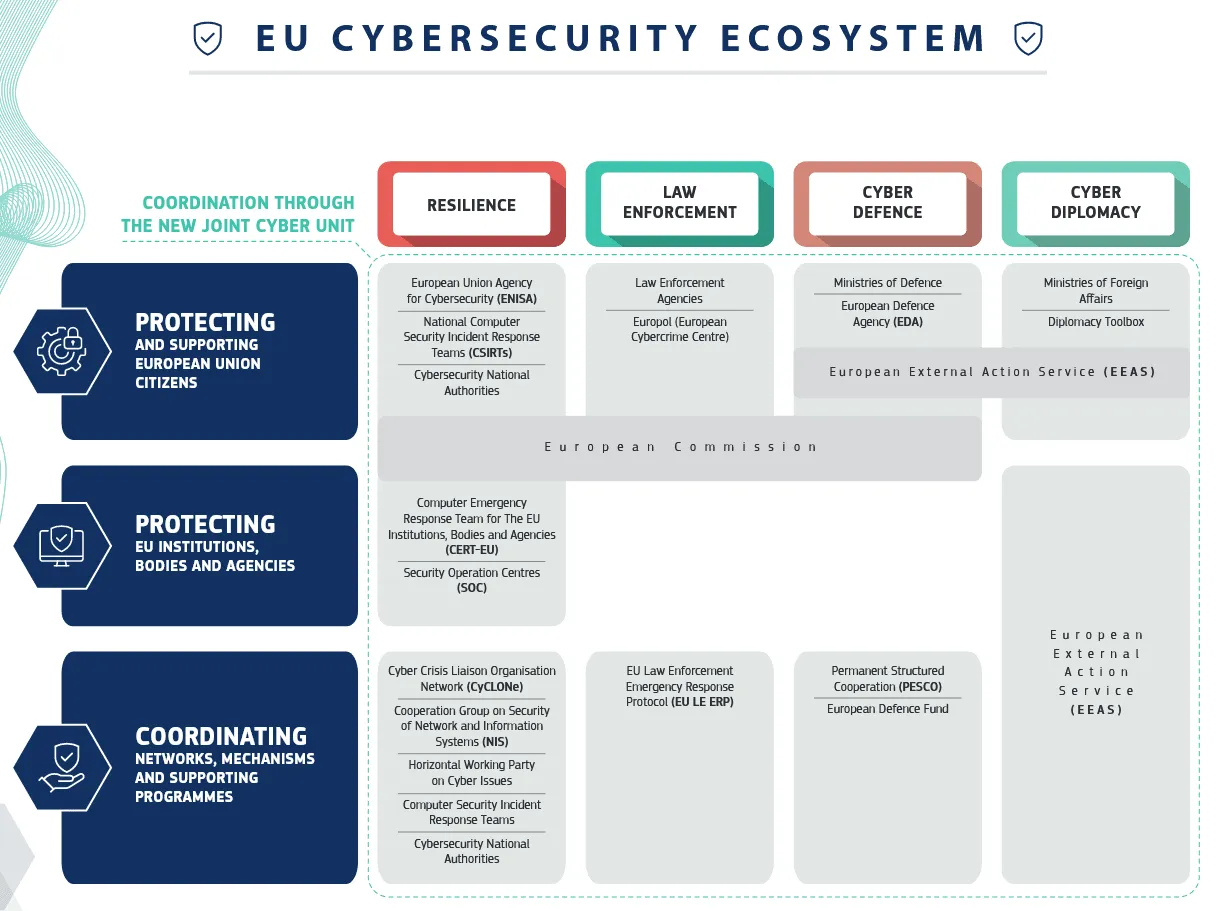
- Advanced cyber defense coordination
- Artificial intelligence driven intelligence systems
- Quantum secure encryption research
Officials argue that technological independence ensures operational continuity during crises. Cyber attacks on infrastructure, financial systems, and communication networks have heightened awareness of digital vulnerability. Strengthening cyber resilience has therefore become a priority across member states.
Balancing Alliance Commitments and Autonomy
European leaders have consistently reiterated that strategic independence complements NATO rather than competes with it. The modernization effort is framed as burden sharing within the alliance rather than separation from it.
Eastern European nations, particularly those bordering conflict zones, continue to emphasize the importance of transatlantic solidarity. At the same time, France and Germany advocate deeper institutional integration within European structures.
Analysts suggest that a stronger European defense pillar may ultimately reinforce alliance cohesion by distributing responsibilities more evenly. EU military autonomy is therefore positioned as a stabilizing force within broader cooperative frameworks.
Economic Ripple Effects Across Member States
Defense modernization initiatives often produce secondary economic benefits. Increased research funding stimulates innovation in aerospace, cybersecurity, and advanced manufacturing sectors. Collaborative procurement also fosters cross border industrial partnerships.
Economic analysts predict that coordinated investment may strengthen Europe’s competitive standing in global defense markets. Job creation in high technology industries could offset budgetary pressures associated with increased military spending.
Public debate remains active, with some citizens questioning rising expenditures during periods of inflation. Governments have responded by emphasizing transparency and efficiency in funding allocations.
Political Consensus and Divergence
Although momentum is growing, the path forward requires sustained political agreement. Differences in national security priorities occasionally complicate coordination. Southern European states often focus on Mediterranean security and migration challenges, while Nordic countries emphasize Arctic preparedness.
Despite these distinctions, consensus appears to be forming around the necessity of enhanced internal capability. EU military autonomy has become a unifying theme in policy discussions, even among governments with varying ideological orientations.
Observers in Brussels describe the atmosphere as pragmatic rather than ideological, driven by shared recognition of external pressures.
Historical Foundations of European Defense Integration
The roots of collective European security cooperation extend back to the aftermath of World War II. Early efforts to promote continental stability laid the groundwork for decades of integration.
Throughout the Cold War, European states operated within a shared defense umbrella while gradually strengthening institutional coordination. Post Cold War restructuring introduced joint battlegroups and collaborative procurement agencies.
EU military autonomy represents the latest chapter in this historical trajectory. Unlike earlier phases, however, the current transition emphasizes technological sovereignty and operational self sufficiency. The strategic environment of 2026, characterized by digital warfare and multipolar competition, demands deeper integration than previous eras.
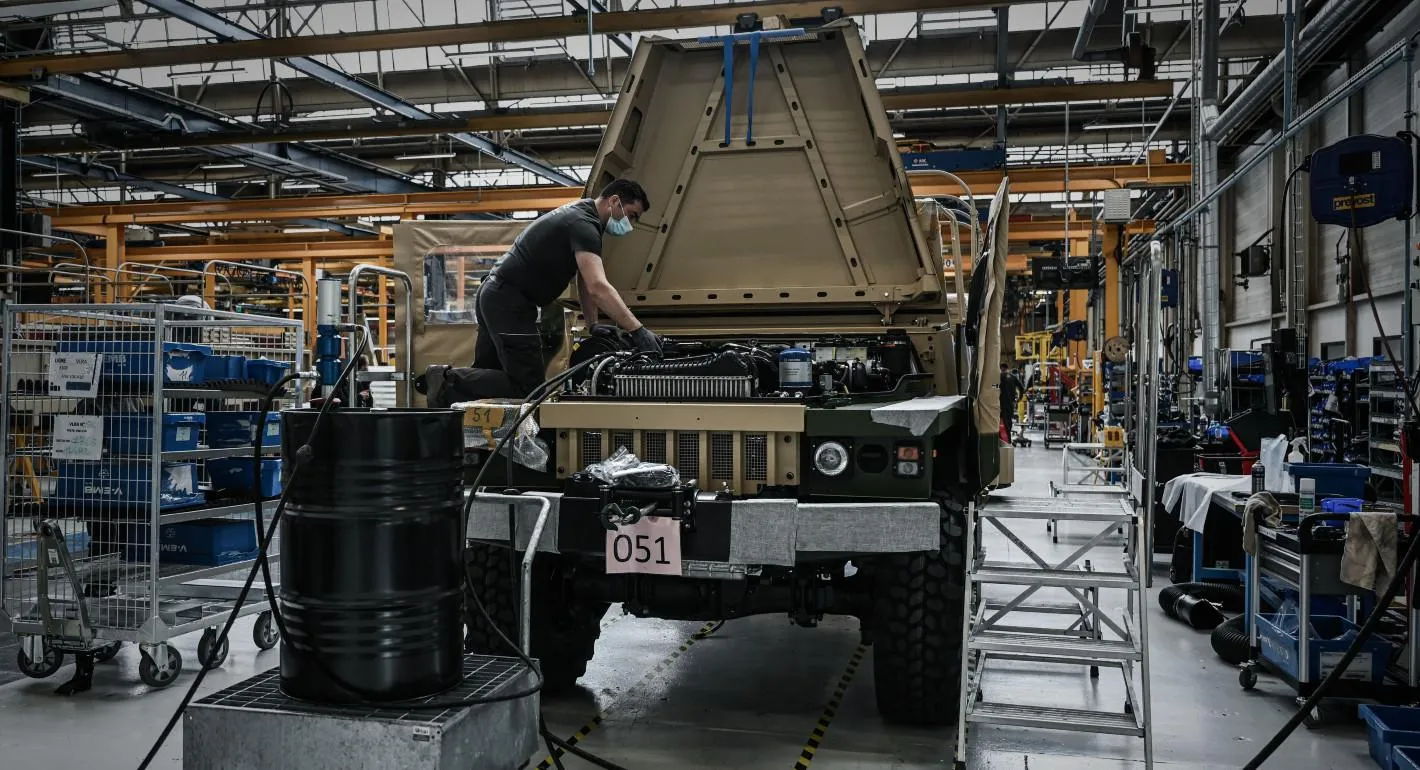
Implementation Challenges and Structural Obstacles
Turning policy declarations into operational reality presents logistical hurdles. Coordinating 27 member states requires alignment of budgets, procurement standards, and command frameworks.
Key challenges include:
- Harmonizing equipment interoperability
- Managing fiscal constraints
- Addressing domestic political shifts
- Ensuring efficient oversight mechanisms
Experts caution that incremental progress may prove more sustainable than rapid transformation. Long term commitment, rather than short term announcements, will determine success.
Diplomatic Signals Beyond Europe
Global reaction to Europe’s evolving strategy has been measured. Allies continue to emphasize cooperation, while strategic competitors monitor developments carefully.
European officials have engaged in dialogue with international partners to clarify intentions and preserve stability. EU military autonomy is framed as a stabilizing adjustment rather than a confrontational maneuver.
Diplomatic messaging stresses continuity of cooperation while enhancing independent capability.
Outlook Toward the End of the Decade
Defense planners have outlined phased objectives extending toward 2030. These include expanding rapid deployment forces, strengthening cyber resilience, and enhancing satellite independence.
Analysts predict that incremental milestones will define progress. Coordinated procurement initiatives already show measurable advancement. Continued political cohesion will be critical to sustaining momentum.
EU military autonomy is expected to evolve gradually, shaped by geopolitical conditions and technological innovation.
Europe’s Strategic Identity in Transition
The developments unfolding in Brussels reflect more than policy reform. They signal a broader redefinition of Europe’s strategic identity. As the continent navigates an increasingly complex global environment, independent capability becomes synonymous with resilience.
The modernization agenda seeks to safeguard sovereignty while maintaining alliance partnerships. EU military autonomy therefore stands at the intersection of tradition and transformation.
Future stability will depend on Europe’s ability to translate ambition into capability without fragmenting unity. Brussels 2026 may ultimately be remembered as a pivotal year in that transformation.